The best things to do in Iceland are seeing the Golden Circle, walking behind waterfalls on the South Coast, hiking on a glacier, sailing among icebergs at Jökulsárlón, bathing in geothermal lagoons and looking for the Northern Lights. Below are 28 experiences grouped by region, with the season for each and the tours that make them easy.

The short answer: the best things to do in Iceland
Iceland is a small country with a lot packed into it. Most first-time visitors spend their days at waterfalls, glaciers, black sand beaches and geothermal pools, and their evenings either in Reykjavík or out looking for the Northern Lights. What you can do depends a lot on the season, so check the months next to each idea below.
If you only have a few days, base yourself in Reykjavík and take day trips to the Golden Circle and the South Coast. With a week or more, add Jökulsárlón and the glaciers of the south-east, or go all the way round on the Ring Road to reach the north and the East Fjords. Here are the experiences we recommend most often to our own guests:
- See the Golden Circle: Þingvellir, Geysir and Gullfoss in one day, all year.
- Walk behind a waterfall: Seljalandsfoss on the South Coast, best from late spring to autumn.
- Hike on a glacier: Sólheimajökull or Skaftafell, all year with a certified guide.
- Go inside an ice cave: natural blue caves in Vatnajökull from October to April, Katla ice cave all year.
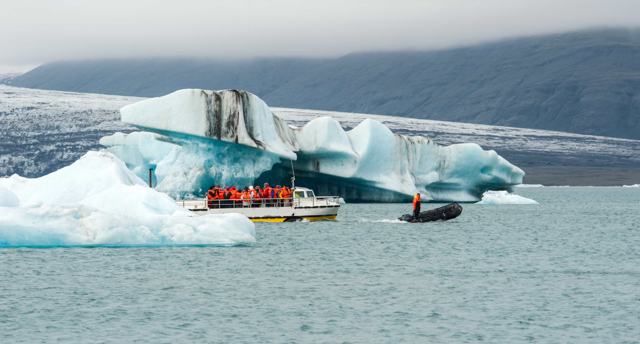
- Sail among icebergs: Jökulsárlón glacier lagoon and the Diamond Beach.
- Hunt for the Northern Lights: September to April, on dark, clear nights.
- Soak in a geothermal lagoon: Sky Lagoon, the Blue Lagoon or the Secret Lagoon, all year.
- Snorkel between two continents: the Silfra fissure at Þingvellir, all year.
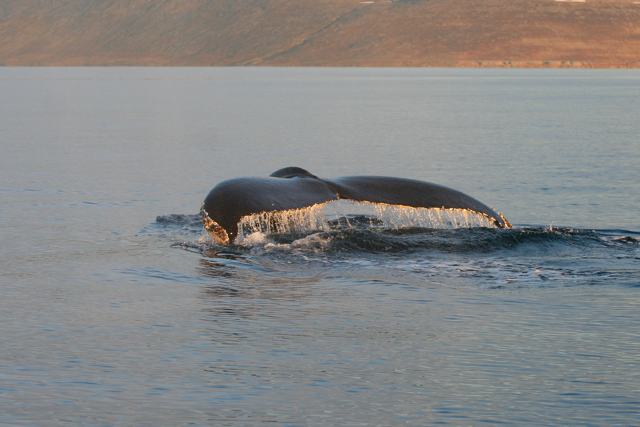
- Watch whales: from Reykjavík all year, or from Húsavík in the north from March to November.
- Explore a lava tunnel: Raufarhólshellir, all year, close to Reykjavík.
- Visit Snæfellsnes: Kirkjufell, sea cliffs and black beaches on one peninsula, all year.
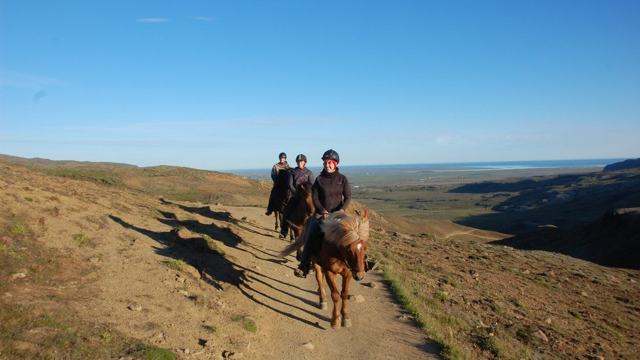
- Ride an Icelandic horse: no experience needed, all year.
- Cross the highlands: Landmannalaugar and Þórsmörk, mostly in summer.
- Drive round Lake Mývatn: craters, lava formations and steaming vents in the north.
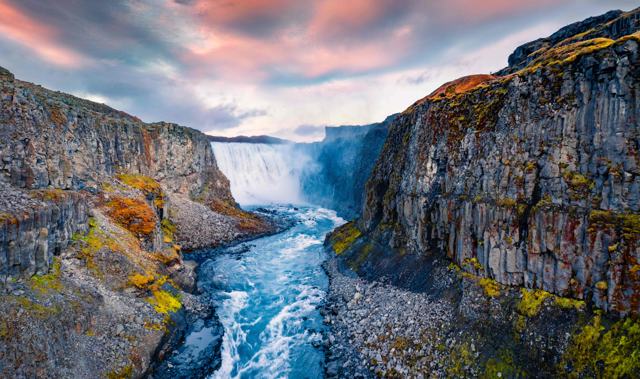
- See Dettifoss: one of Europe's most powerful waterfalls.
Reykjavík and the capital area
Most trips start and end in Reykjavík, and it is worth giving the city at least one full day. The centre is small enough to walk. Climb the tower of Hallgrímskirkja for the view over the coloured roofs, walk down to the harbour past the Sun Voyager sculpture and look inside Harpa, the glass concert hall. Perlan on the hill above the city has a museum about glaciers, volcanoes and the Northern Lights, which is a good choice on a rainy day.
For a short guided introduction, see our Reykjavík tours and food tours. A food tour is the easiest way to try lamb soup, skyr, rye bread and fresh fish without guessing which restaurants are good. If you are curious about Icelandic food, read our guide to traditional Icelandic food first.
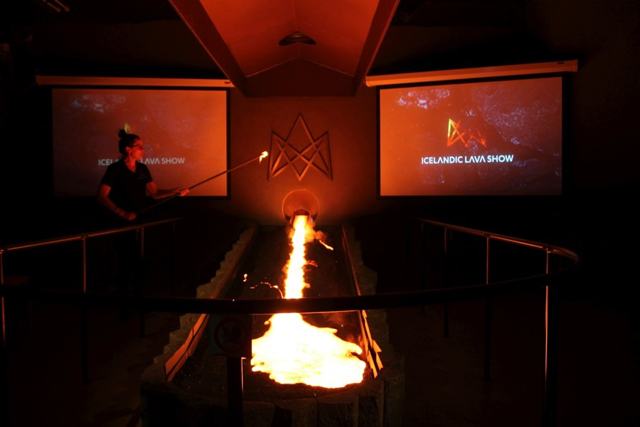
1. Watch real lava at the Lava Show
If you visit when there is no eruption, this is the closest you can safely get to flowing lava. At the Lava Show in Reykjavík, real molten rock is poured into a room in front of you in the Grandi harbour district. The show lasts under an hour, runs all year, suits all ages (the Premium option is for ages 13 and up) and is indoors, so weather does not matter. It is a good first evening activity after a long flight.
For the real landscape of recent eruptions, see the Reykjanes section below and our weekly volcano eruption update.
2. Bathe in a geothermal lagoon
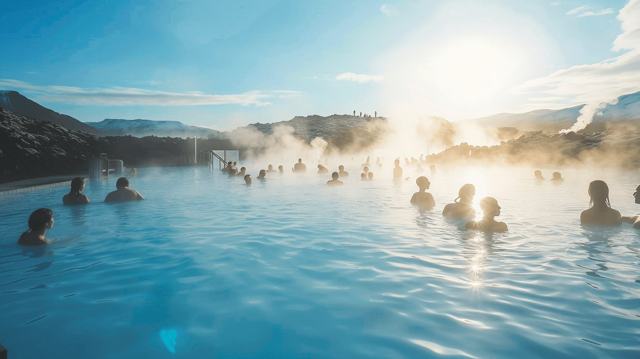
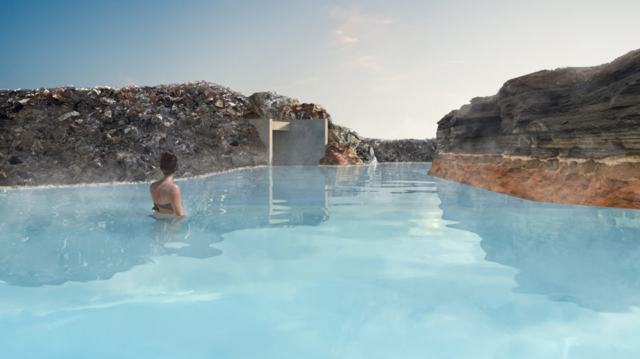
Bathing in warm geothermal water is part of everyday life in Iceland, and the best-known lagoons are close to Reykjavík. Sky Lagoon in Kópavogur, about 15 minutes from the centre, has an infinity edge facing the ocean and a seven-step ritual with a cold plunge, sauna, steam room and body scrub. The Saman Pass uses the shared changing rooms and the Sér Pass adds a private one. Guests must be 12 or older.
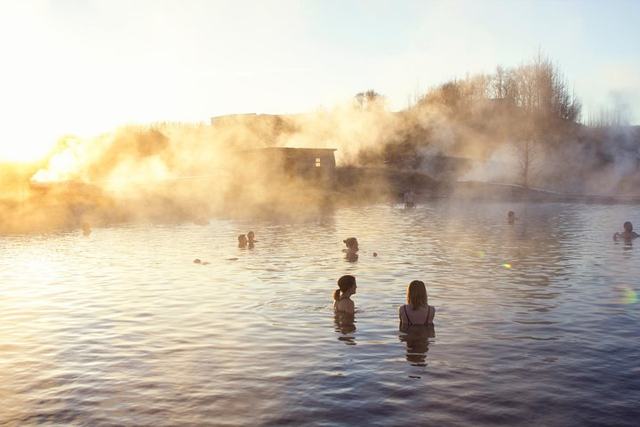
The Blue Lagoon on the Reykjanes peninsula is the famous milky-blue one, and the Blue Lagoon tour from Reykjavík includes the bus, Comfort admission, a silica mask and a drink. Because it is near the recent eruption sites, it has closed for short periods, so check our weekly volcano update before you travel. Out in the countryside, the Secret Lagoon at Flúðir is a natural hot pool with steam rising from the ground around it. Our Sky Lagoon vs Blue Lagoon guide helps you choose, and all our options are on the hot springs tours page.
3. Whale watching and puffins from the Old Harbour
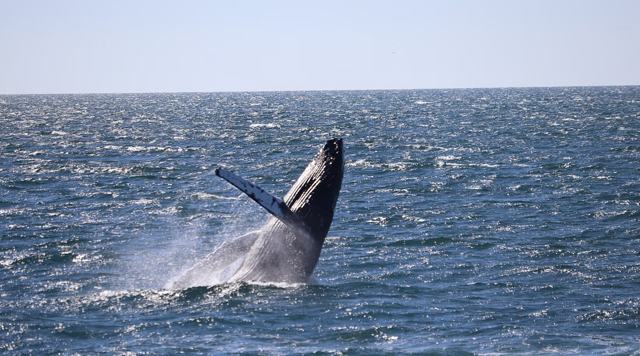
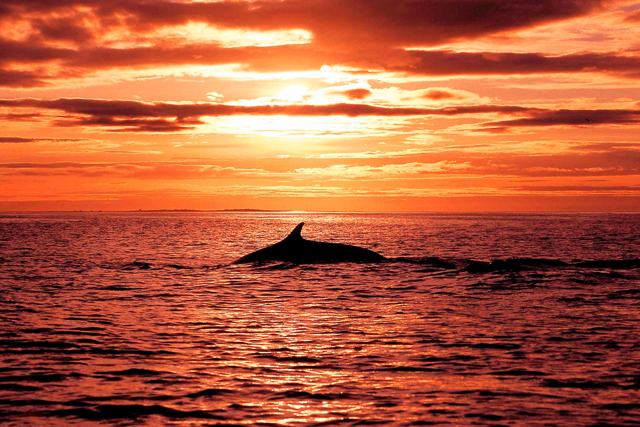
Boats leave Reykjavík's Old Harbour all year. The whale watching tour from Reykjavík takes about three hours in Faxaflói Bay, where minke whales, white-beaked dolphins and harbour porpoises are the usual sightings, though nothing is guaranteed. Dress warmly even in summer, because it is always colder on the water.
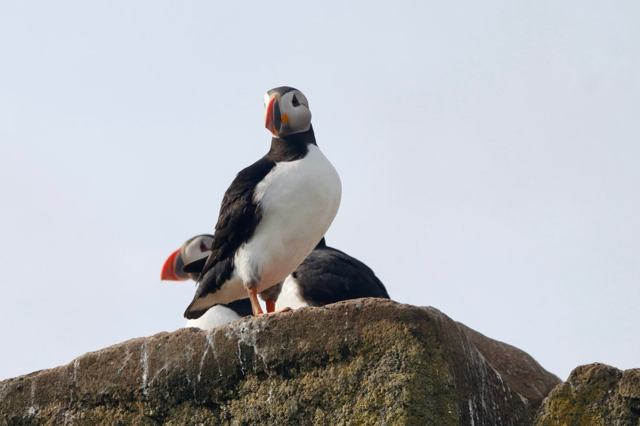
From late April to mid-August, the short puffin watching boat trip sails to the islands just off the city, where puffins nest. It takes about an hour and suits children. For the bigger picture, see our puffin guide and all whale watching tours.
4. Walk through a lava tunnel
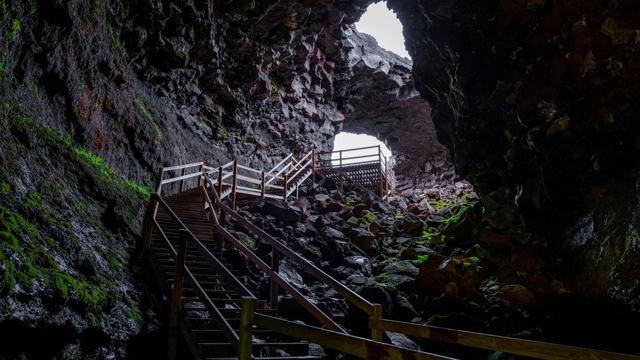
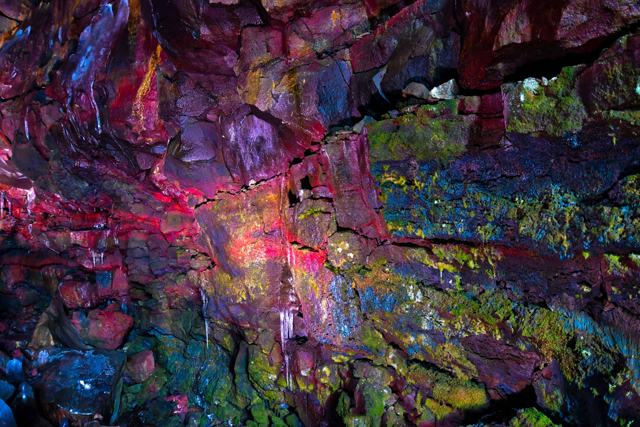
Raufarhólshellir is one of the longest lava tunnels in Iceland and about 40 minutes from Reykjavík. On the lava tunnel tour from Reykjavík you spend about an hour underground on a guided walk, with light shows on the coloured rock walls. It runs all year, children from age 3 can join, and it works well on a day with poor weather above ground. More options are on our lava cave tours page and in our guide to the best lava caves in Iceland.
The Golden Circle
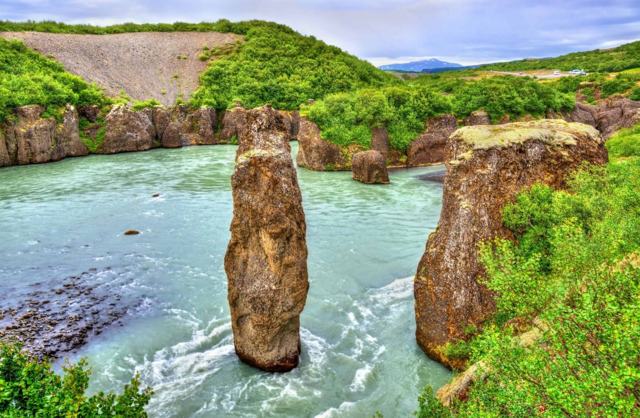
The Golden Circle is the classic day trip from Reykjavík: a loop of about 230 to 300 km that takes in three of Iceland's best-known sights. It is open all year, and in winter the light on the snow is beautiful, although days are short. You can drive it yourself, join a Golden Circle tour or book our own Golden Circle Private Tour, where your guide picks you up at your hotel and you set the pace. The private tour also stops at Kerið crater, Brúarhlöð canyon and Friðheimar tomato farm, which most bus tours skip.
For lesser-known stops on the same route, read our secret locations of the Golden Circle and the extended Golden Circle.
5. Þingvellir National Park
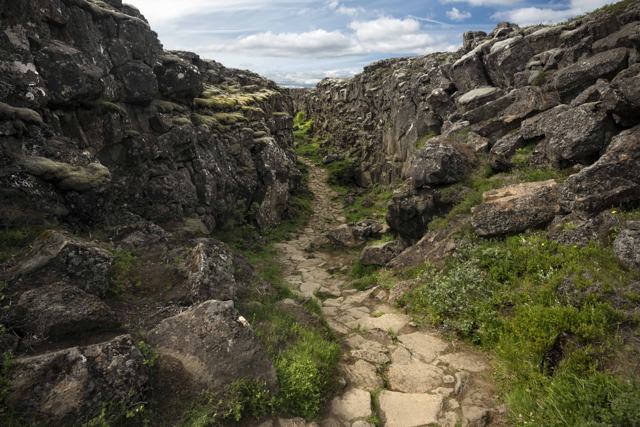
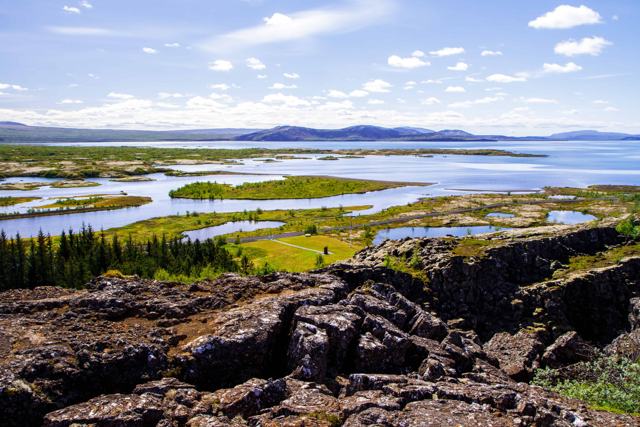
Þingvellir is where Iceland's parliament first met, around the year 930, and it is a UNESCO World Heritage Site. It also sits in the rift valley between the North American and Eurasian plates. Walk down the Almannagjá gorge, look at the cracks in the ground filled with clear water and continue to the waterfall Öxarárfoss. Allow at least an hour.
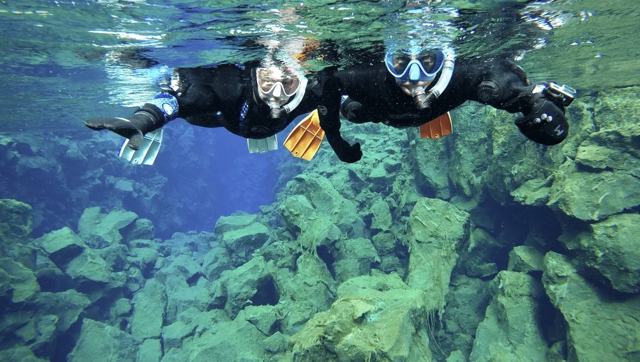
6. Snorkel in the Silfra fissure
Silfra is a crack between the plates at Þingvellir, filled with glacial meltwater so clear you can see far down into it. You float in a drysuit with a guide, all year round. On the Silfra snorkelling tour from Reykjavík the minimum age is 14, you need to be able to swim and be comfortable in water, and there are height and weight limits, so read the requirements before booking. The water is cold but the suit keeps you dry. See all snorkelling and diving tours.
7. Geysir and Strokkur
At the Geysir geothermal area the old Great Geysir is mostly quiet now, but its neighbour Strokkur erupts every few minutes, throwing boiling water high into the air. Stand upwind, keep to the paths and keep your camera ready. Entry is free, and there are cafés and shops across the road.
8. Gullfoss waterfall
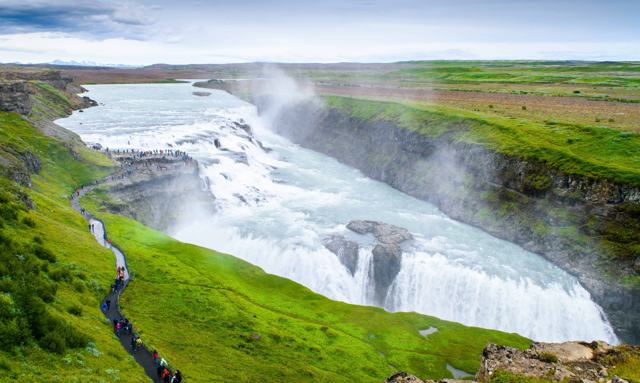
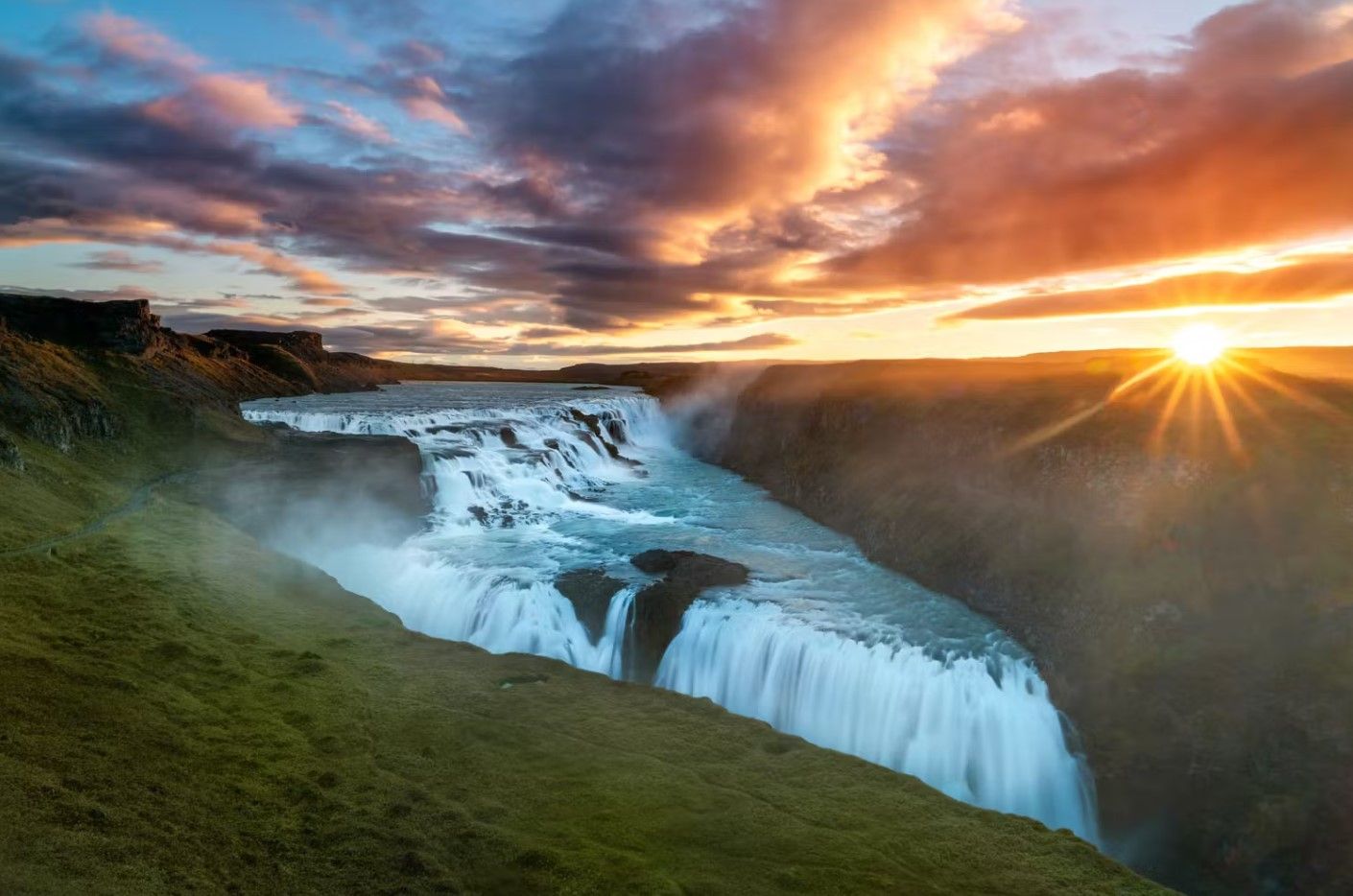
Gullfoss drops in two steps into a deep canyon on the Hvítá river. There are viewpoints above and a path down to the edge of the falls, which can be closed or icy in winter. If you want more adventure, our river rafting tours run on the Hvítá below the falls in summer, and snowmobile tours start nearby on Langjökull glacier.
9. Kerið crater, the Secret Lagoon and Friðheimar
Three easy add-ons turn the Golden Circle into a full day. Kerið is a red volcanic crater with a lake in the bottom, and you can walk round the rim in about half an hour. At Friðheimar, tomatoes grow all year in greenhouses heated by geothermal energy, and you can eat tomato soup among the plants. Finish at the Secret Lagoon. The Golden Circle and Secret Lagoon tour includes the lagoon entry and Kerið.
10. Ride an Icelandic horse
The Icelandic horse is small, strong and calm, with an extra smooth gait called the tölt. You do not need riding experience. The Golden Circle and horse riding tour combines a ride of about two hours near Reykjavík with Þingvellir, Geysir and Gullfoss, all year, from age 8. Read about the Icelandic horse and see all horse riding tours.
Reykjanes peninsula
The Reykjanes peninsula is where you land, at Keflavík Airport, and it is easy to see on your first or last day. It is a raw landscape of lava fields, steaming vents and sea cliffs, and since 2021 it has had a series of eruptions near Fagradalsfjall and Grindavík. Whether you can see fresh lava depends on the activity at the time, so check our weekly volcano update and our guide to volcanoes in Iceland.
11. Lava fields, hot springs and the Bridge Between Continents
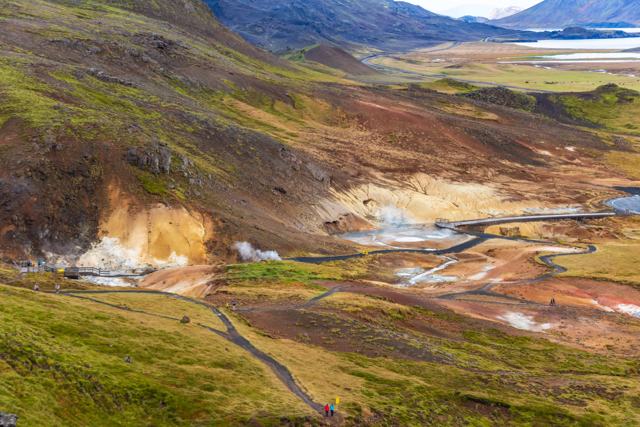
Good stops are the Bridge Between Continents, a footbridge over a rift between the plates, the boiling mud pool at Gunnuhver, the sea pool at Brimketill and the colourful Krýsuvík geothermal area by Kleifarvatn. Our Reykjanes Peninsula Private Tour covers all of these in about 6.5 hours, with pick-up in Reykjavík or at the airport, so it fits well before a late flight. See all Reykjanes tours and volcano tours.
The South Coast
The South Coast along Route 1 has waterfalls, glaciers and black beaches one after another. Vík is about 180 km from Reykjavík, so you can see the western half in a long day. Our Private South Coast Tour takes about ten hours with hotel pick-up and visits Seljalandsfoss, Gljúfrabúi, Skógafoss, Kvernufoss, Vík and Reynisfjara. There are also many South Coast tours in small groups.
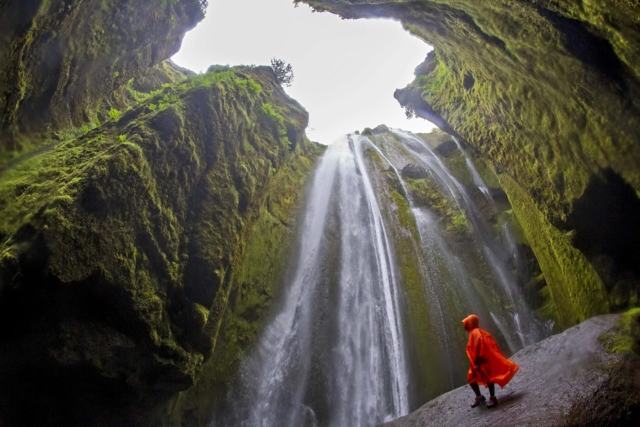
12. Seljalandsfoss and Gljúfrabúi
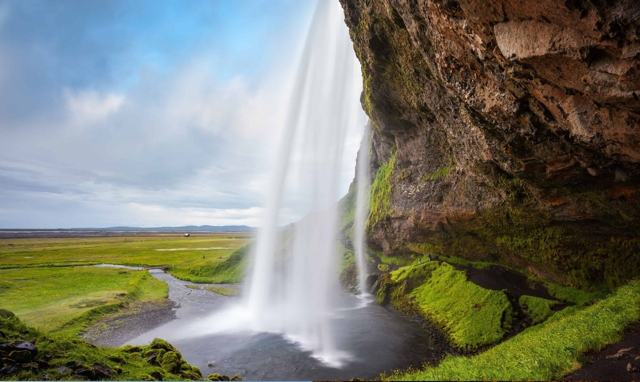
At Seljalandsfoss a path goes behind the falling water. It is wet, so wear a waterproof jacket, and the path can be closed when it is icy in winter. A short walk away, Gljúfrabúi is hidden inside a narrow gorge, and you wade along a stream to see it.
13. Skógafoss
Skógafoss is a broad curtain of water about 60 m high, and on sunny days there is often a rainbow in the spray. A long staircase climbs to a viewpoint at the top, where the Fimmvörðuháls trail starts. Nearby Kvernufoss is quieter and you can also walk behind it.
14. Hike on a glacier
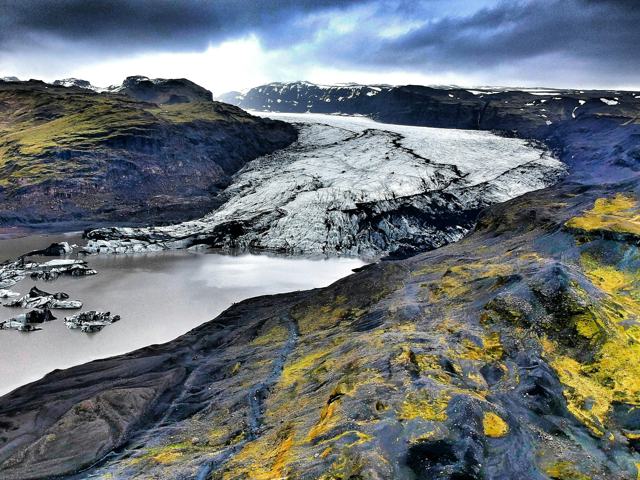
Walking on a glacier with crampons and an ice axe is one of the best things you can do in Iceland, and you do not need climbing experience. Sólheimajökull is the closest glacier tongue to Reykjavík. The Sólheimajökull glacier hike takes about four hours from the car park, runs all year and is open to ages 8 and up. Never walk onto a glacier without a certified guide, because crevasses are hard to see. Compare options on our glacier hiking tours page and in our list of the top glacier hiking tours.
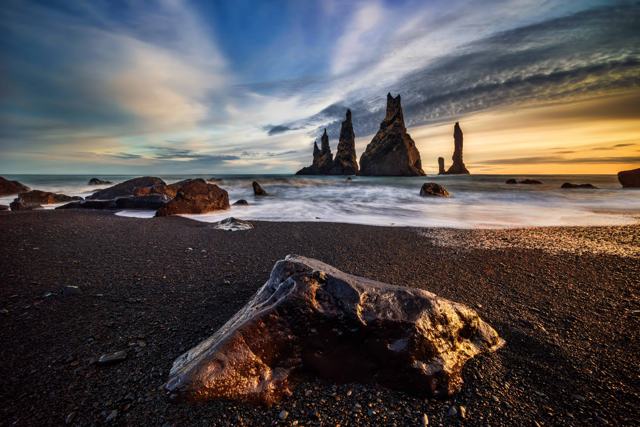
15. Reynisfjara black sand beach and Vík
Reynisfjara has black sand, basalt columns and the Reynisdrangar sea stacks. It is also the most dangerous beach in Iceland because of sudden large waves. A warning light system at the entrance shows yellow or red zones you must not enter. Stay well back from the water and never turn your back on the sea. Nearby Dyrhólaey has a rock arch and cliffs where puffins nest in summer, and the village of Vík has a café, shops and fuel.
16. Explore the Katla ice cave
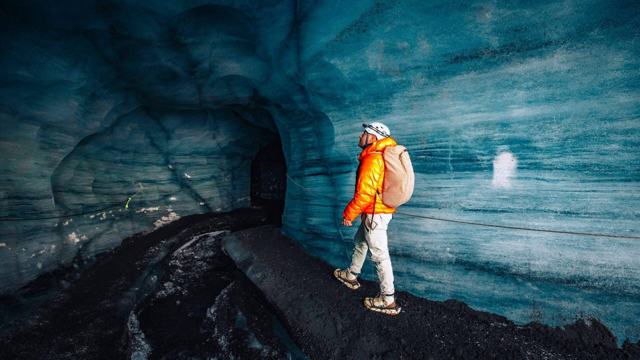
The ice cave in Kötlujökull, below the Katla volcano, can be visited all year, which makes it the best choice if you travel in summer. The ice has bands of black volcanic ash in it. Our Katla Ice Cave Private Tour starts in Vík, takes about three hours with roughly an hour at the cave, and is for ages 8 and up. Our ice cave tours guide compares every type of cave we sell, and all are on the Katla ice cave tours page.
Vatnajökull and the south-east
Beyond Vík, the road crosses wide lava and sand plains to Vatnajökull, Europe's largest glacier by volume, and the national park around it. Jökulsárlón is about 370 km from Reykjavík, so it is a very long day trip and much better with a night or two in the area. Our 2 Day South Coast Tour with Ice Cave, Jökulsárlón and Diamond Beach covers the whole coast with one night near Skaftafell, and includes an ice cave visit in every season.
17. Jökulsárlón glacier lagoon and the Diamond Beach
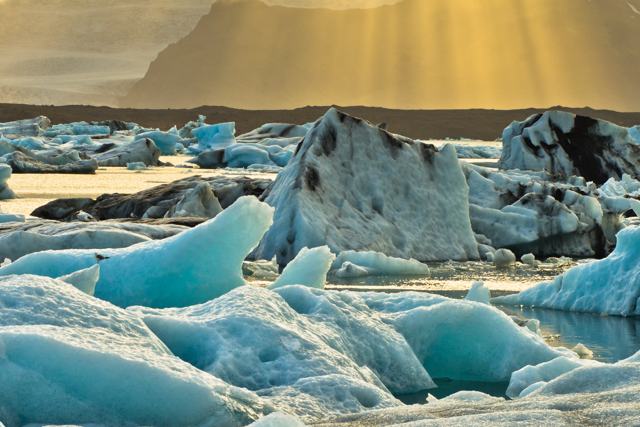
At Jökulsárlón, icebergs break off Breiðamerkurjökull and drift across the lagoon towards the sea. Seals often swim among them. A boat trip takes you in close, and the Jökulsárlón boat tour from Reykjavík includes an amphibian boat ride and runs from May to November. Across the road, pieces of ice wash up on the black sand of the Diamond Beach. Nearby Fjallsárlón is smaller and quieter. See all glacier lagoon tours and our guide to the glacier lagoons in Iceland.
18. Natural blue ice caves in Vatnajökull
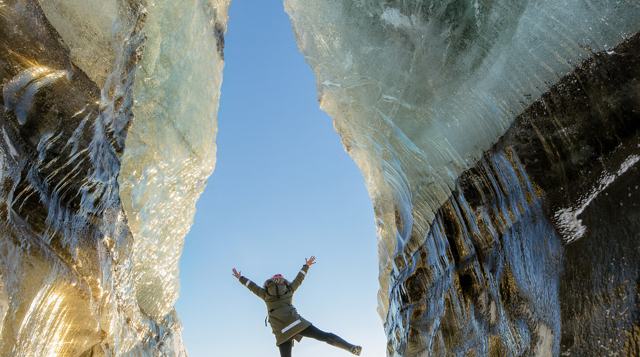
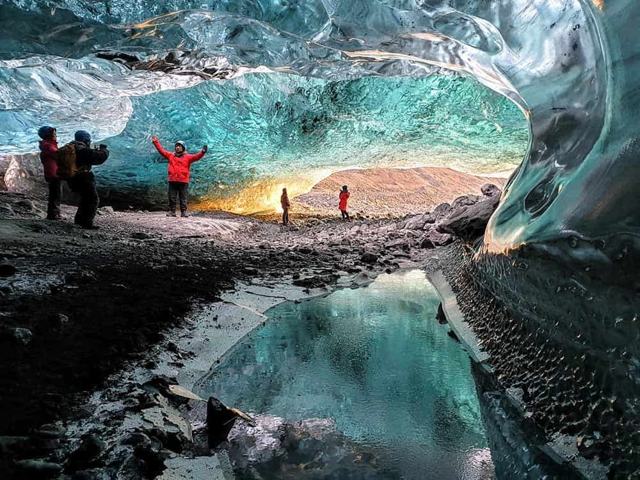
Every winter, meltwater channels inside Vatnajökull form caves of deep blue ice. They are only safe when it is cold, so they are visited from about October to April, always with a glacier guide. The Vatnajökull Ice Cave Tour starts at the Jökulsárlón car park, takes two and a half to three hours and is for ages 8 and up. Which cave you visit depends on conditions that year. Read more on our ice caves in Iceland page.
19. Skaftafell and Svartifoss
Skaftafell is a green area between glacier tongues with marked trails. The most popular walk climbs to Svartifoss, a waterfall framed by dark basalt columns. Skaftafell is also a good base for glacier hikes on Falljökull and nearby glaciers.
The highlands: Landmannalaugar and Þórsmörk
Iceland's interior is a high, empty landscape of coloured mountains, lava and rivers with no bridges. Most highland roads open only in summer and need a 4×4, and rental car insurance does not cover river crossings, so a guided tour is the safe way in. See our highland tours.
20. Landmannalaugar
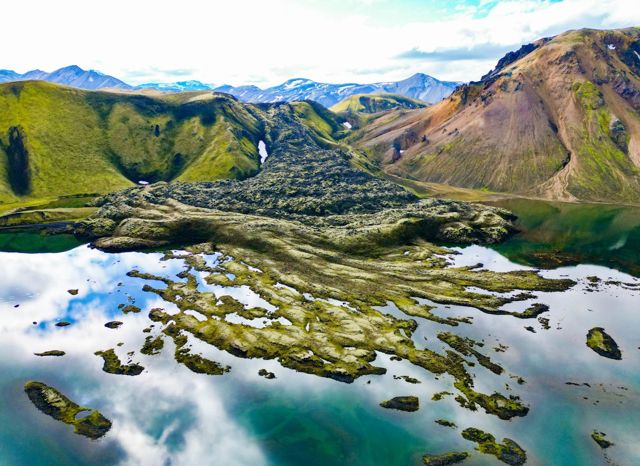
Landmannalaugar is known for rhyolite mountains in shades of red, yellow and green, and for a warm natural stream where you can bathe. Our Landmannalaugar Private Tour runs from the beginning of June to the end of October by super jeep from Reykjavík, about 11 hours, with stops at Hjálparfoss, Háifoss and a crater lake on the way. For hiking ideas, see hiking in Landmannalaugar.
21. Þórsmörk
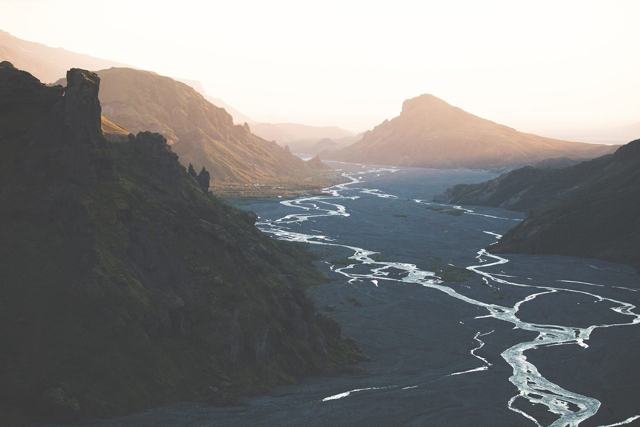
Þórsmörk is a valley of birch woods and rivers between three glaciers. The road in crosses several unbridged rivers, which is why super jeeps are used. The Þórsmörk Super Jeep Tour runs all year from Brú Base Camp on Road 249, takes about six hours and includes a walk to Gígjökull glacier and a light lunch. Read hiking in Þórsmörk for longer walks.
West Iceland and Snæfellsnes
West Iceland is closer to Reykjavík than many people expect. The Snæfellsnes peninsula is often called Iceland in miniature, because it has a glacier, a volcano, black and golden beaches, sea cliffs and fishing villages in one area.
22. Kirkjufell and the Snæfellsnes peninsula
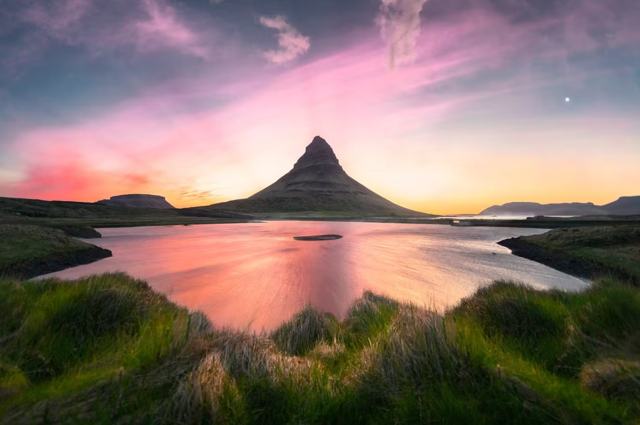
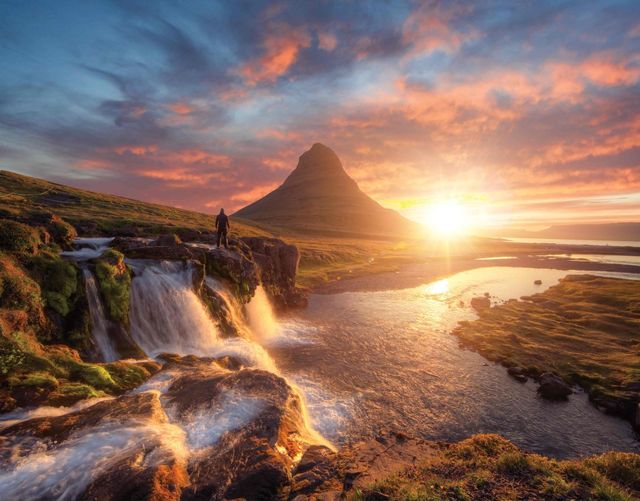
Kirkjufell, the cone-shaped mountain by Grundarfjörður, is one of Iceland's most photographed views. Elsewhere on the peninsula you can see seals at Ytri Tunga, the cliffs and arches at Arnarstapi and the black pebbles of Djúpalónssandur. Our Snæfellsnes Private Tour covers all of these in about eight hours from Reykjavík, all year. See all Snæfellsnes tours.
23. Go inside Langjökull glacier
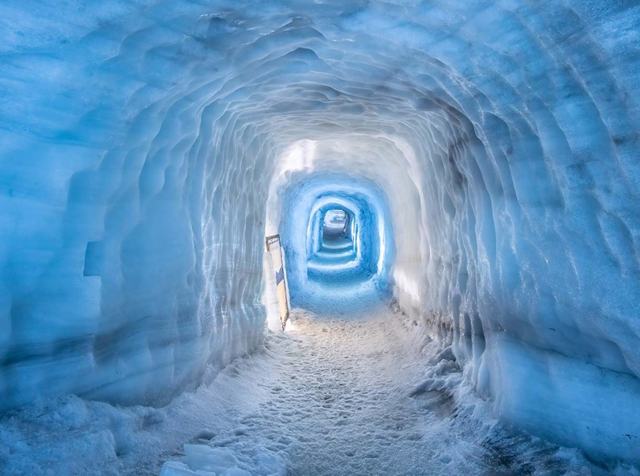
Into the Glacier is a man-made ice tunnel deep inside Langjökull, reached in a large modified truck. Because it is man-made, it is open all year. The Into the Glacier day tour from Reykjavík also visits Hraunfossar, where water runs out from under a lava field, and the hot spring Deildartunguhver. It takes about ten to eleven hours and is for ages 6 and up.

The Westfjords
The Westfjords are remote, with long fjords, few people and steep mountains. Most roads are best in summer, and the area is often skipped by Ring Road travellers, which is part of its appeal. Ísafjörður is the main town and has an airport. See our Westfjords tours.
24. Dynjandi and whale watching from Ísafjörður
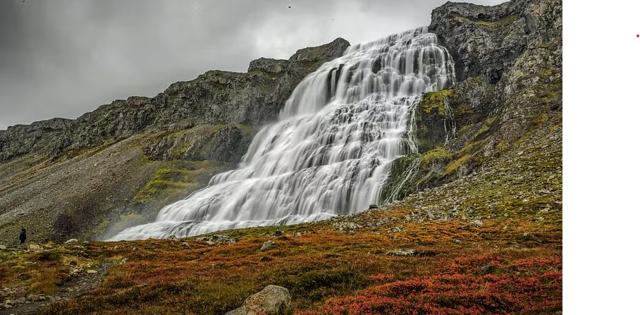
Dynjandi fans out down a mountainside in a series of falls, with smaller waterfalls below it. The Dynjandi Waterfall Super Jeep Tour starts in Ísafjörður, takes about five hours and gives you about an hour at the falls. From May to September, the Ísafjörður whale watching tour looks for humpback and minke whales in the fjord, with puffins and other seabirds on the islands.
North Iceland
The north has a drier climate than the south, a volcanic area around Lake Mývatn and some of the best whale watching in the country. Akureyri is the main town and has a domestic airport, so you can fly up from Reykjavík if you do not want to drive. See our North Iceland tours.
25. Lake Mývatn and Goðafoss
Around Lake Mývatn you can see the pseudo-craters at Skútustaðagígar, the lava formations of Dimmuborgir, and the bubbling mud pools and steam vents at Hverir below Námafjall. On the way from Akureyri you pass Goðafoss. The Lake Mývatn and Goðafoss tour from Akureyri covers them in about eight hours, roughly from May to October depending on the roads.
26. Whale watching in Húsavík
Húsavík is known as one of the best places in Europe for whale watching. The Húsavík whale watching tour runs daily from 1 March to 30 November and takes about three hours. Humpback and minke whales are the usual sightings, with dolphins and porpoises too.
27. Dettifoss and the Diamond Circle
Dettifoss is about 44 m high and 100 m wide and is reputed to be the second most powerful waterfall in Europe. Route 862 on the west bank is paved. The Diamond Circle links Dettifoss with the horseshoe canyon of Ásbyrgi, Húsavík and Goðafoss. Our Diamond Circle and GeoSea tour from Akureyri runs from June to October and ends with a soak in the GeoSea sea baths.
East Iceland
The East Fjords are a quiet stretch of the Ring Road, with small fishing villages and mountains rising from the sea. Seyðisfjörður is a pretty arts town where the ferry from Denmark arrives, and Egilsstaðir is the main service town. See our East Iceland tours and the guide to towns in the East Fjords.
28. Stuðlagil canyon
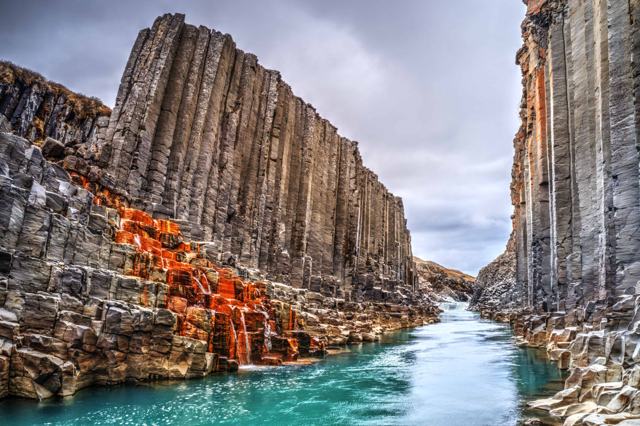
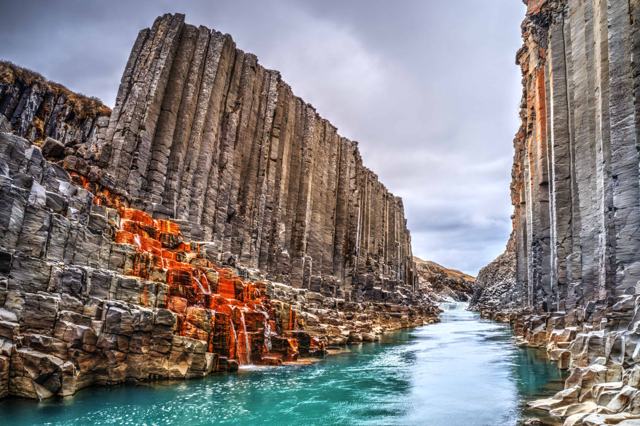
Stuðlagil is a canyon lined with tall basalt columns, with a blue-green river in summer. The Stuðlagil Canyon tour from Seyðisfjörður runs from May to September, takes about five hours and also stops at two waterfalls. Our guide to Stuðlagil east side vs west side explains the two viewpoints.
All over Iceland: the Northern Lights
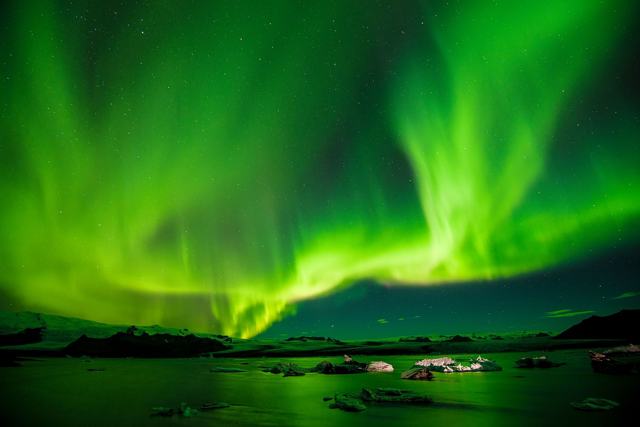
From September to April, on dark nights with clear skies and some solar activity, you can see the aurora anywhere in Iceland away from city lights. The best way to raise your chances is to go with someone who reads the cloud and aurora forecasts every night. Our Northern Lights Private Tour picks you up in Reykjavík and your guide drives wherever the sky is clearest, usually for four to five hours. No sighting is ever guaranteed. Check our weekly Northern Lights forecast, read the Northern Lights in Iceland guide and see all Northern Lights tours.
How long do you need?
With three or four days you can see Reykjavík, the Golden Circle and the South Coast as far as Vík, and add the Blue Lagoon or Sky Lagoon. With five to seven days you can reach Jökulsárlón and spend a night or two in the south-east, or add Snæfellsnes. The full Ring Road, with the north and the East Fjords, needs at least six days in a guided group and eight to ten if you drive yourself.
Our guide to how many days in Iceland goes into more detail, and Iceland itinerary mistakes lists the common traps, such as planning too many hours of driving in winter.
When to go for each experience
Summer (June to August) has long days, open highland roads, puffins, and the most whale watching departures, but no Northern Lights and the biggest crowds. Winter (November to March) brings Northern Lights, natural ice caves and snowy scenery, but short days and roads that can close in storms. Spring and autumn are a good balance. Our pillar guide on the best time to visit Iceland goes month by month.
- All year: Golden Circle, South Coast, glacier hikes, Katla ice cave, Silfra, lagoons, lava tunnel, Lava Show, horse riding, whale watching from Reykjavík, Into the Glacier, Snæfellsnes.
- Summer only or mostly: Landmannalaugar and the highlands, puffins, Stuðlagil tours, Westfjords tours, Mývatn and Diamond Circle day tours.
- Winter only: natural blue ice caves (about October to April) and the Northern Lights (September to April).
Self-drive or guided tour?
Driving yourself gives you freedom, and Iceland's main roads are good. Our 5-Day South Coast Self-Drive to Jökulsárlón includes the car, four nights in hotels with breakfast and a day-by-day route guide, with a 4×4 from October to April. See all self-drive packages.
In winter, or if you do not want to drive, a guided tour takes the stress away. A private tour is often good value for families and small groups, because the price is per vehicle, not per person. Our 6-Day Iceland Private Tour Package combines private Golden Circle, South Coast and Snæfellsnes days with free days in Reykjavík. For the whole country in a small group, the 8 Day Iceland Summer Tour runs from May to September and the 6 Day Iceland Ring Road Tour in Winter from October to April, both with hotels included. Browse all Iceland tour packages, multi-day trips and private tours.
What things cost, in general terms
Iceland is expensive, and prices change often, so check each tour page for the current price. As a rough guide: many sights, including Gullfoss, Geysir, Seljalandsfoss and Reynisfjara, are free to visit, though several car parks charge a fee. Geothermal lagoons and shorter activities such as a whale watching trip or a lava tunnel tour are mid-priced. Glacier hikes, ice caves, Silfra snorkelling and super jeep trips cost more because of the equipment and guides. Private tours are priced per vehicle, so they become better value the more people share them.
Food is one of the biggest costs. Supermarkets, bakeries and petrol station grills are much cheaper than restaurants, and tap water is excellent and free.
See the places on the map
Every place in this guide is on our interactive map, in order from Reykjavík round the country. You can also plan the whole route on Icelandmap, with driving times between the stops.
If you want help turning your list into a trip, send us your dates and wish list. As a local travel agency in Iceland, we can build a private or self-drive trip around the things you most want to do.
Tours to book
If you are not sure where to start, these are the tours our guests book most for a first trip:
- Golden Circle Private Tour: Þingvellir, Geysir and Gullfoss at your own pace, with hotel pick-up, all year.
- 2 Day South Coast Tour with Ice Cave and Jökulsárlón: waterfalls, glacier lagoon, Diamond Beach and an ice cave in two days.
- 6-Day Iceland Private Tour Package: three private day tours and airport transfers, with free days in Reykjavík.
- Northern Lights Private Tour: from September to April, your own guide and vehicle, chasing the clearest sky.

The places on the map
Tap a pin for the place guide. Plan this route on Icelandmap
Questions people ask
What is the number one thing to do in Iceland?
For most first-time visitors it is the Golden Circle: Þingvellir National Park, the Geysir area and Gullfoss waterfall in one day from Reykjavík. It runs all year and can be done by car, on a group tour or on a private tour.
What are the best things to do in Iceland in winter?
Look for the Northern Lights (September to April), visit a natural blue ice cave in Vatnajökull (about October to April), hike on a glacier, bathe in a geothermal lagoon and see the Golden Circle and South Coast in snow. Days are short, so plan one main sight per day.
What are the best things to do in Iceland in summer?
Visit the highlands at Landmannalaugar or Þórsmörk, see puffins, go whale watching, drive the Ring Road and enjoy the midnight sun. The Northern Lights are not visible in summer because the sky stays too bright.
What can you do in Iceland in 3 days?
Spend one day in Reykjavík, one on the Golden Circle and one on the South Coast as far as Vík, and fit in a lagoon at the start or end. Jökulsárlón is too far for a three-day trip unless you take a two-day tour.
Can you do things in Iceland without a car?
Yes. Day tours with hotel pick-up leave Reykjavík for the Golden Circle, the South Coast, Snæfellsnes, Langjökull and the Reykjanes peninsula, and multi-day guided tours cover the whole Ring Road.
Is it safe to visit Reynisfjara beach?
Yes, if you follow the warning lights and stay well back from the water. Sudden large waves have swept people into the sea. Never climb the rocks by the waterline or turn your back on the waves.
Can you see lava in Iceland right now?
It depends on volcanic activity on the Reykjanes peninsula at the time of your visit. Check our weekly volcano eruption update. The Lava Show in Reykjavík shows real molten lava all year.
Do you need a guide to walk on a glacier or visit an ice cave?
Yes. Glaciers have hidden crevasses and ice caves change all the time, so always go with a certified glacier guide who provides crampons, a helmet and a harness.