Iceland Travel Guide logo Iceland Travel GuideLOCAL TRAVEL AGENCY IN ICELAND My trip Talk to a local
Seyðisfjörður village

East IcelandVillageFree entryOpen all year
SEYÐISFJÖRÐUR IN SHORT

Seyðisfjörður is a small town at the end of a long, steep-sided fjord in East Iceland, about 27 km (25–30 minutes) from Egilsstaðir over the Fjarðarheiði mountain pass. It has around 700 residents, Norwegian-style wooden buildings dating from the late 1800s, and is Iceland's only port for the Smyril Line ferry to the Faroe Islands and Denmark. Entry to the town is free, it is open all year, and most visitors spend a few hours to a full day here.

ON THIS PAGE
Quick factsHistoryGetting thereWhat to seeBest time to visitSafety tipsFacilitiesMapNearbyWhere to stayFAQ

About Seyðisfjörður

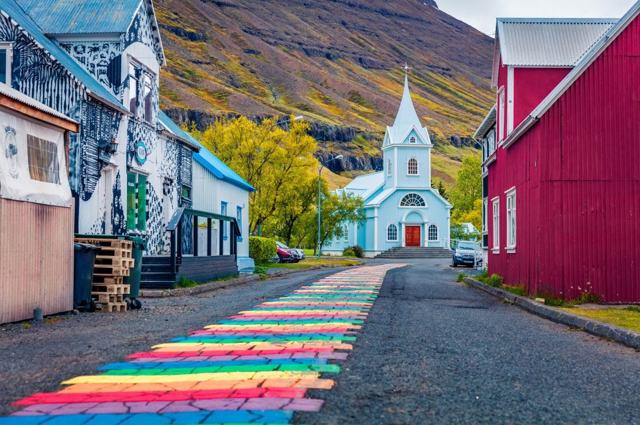
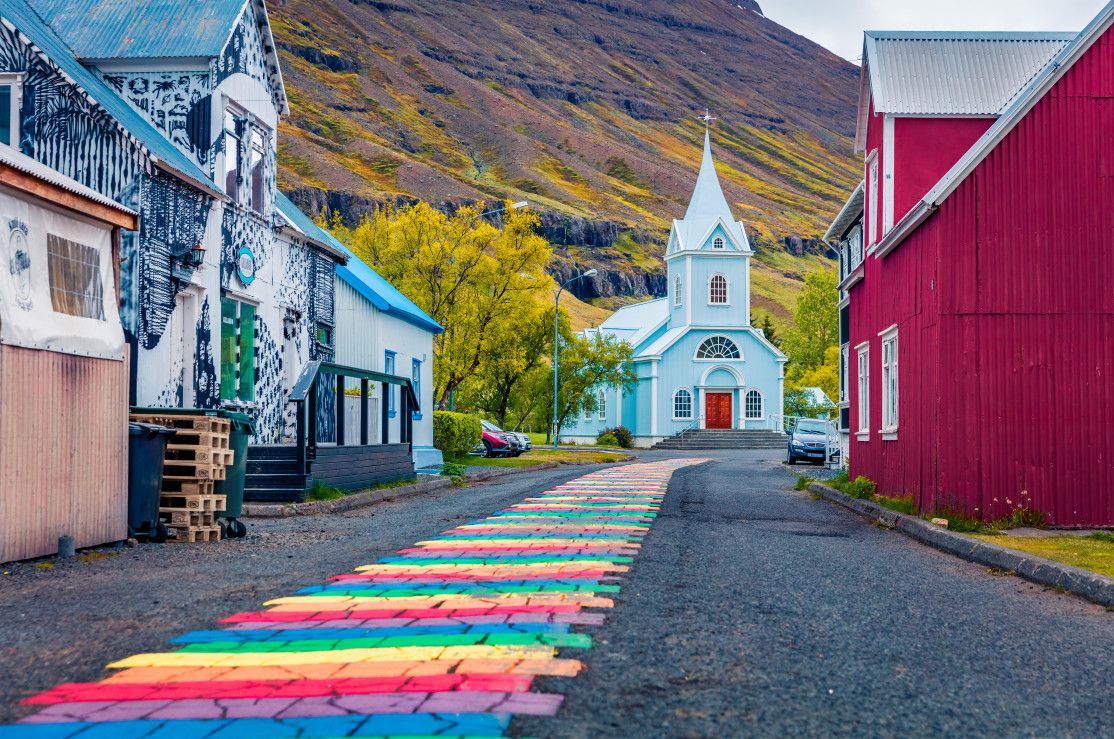
Seyðisfjörður was built up from the 1840s onward by Norwegian fishermen, who brought a style of colourful timber building not seen elsewhere in Iceland, and many of those original houses still stand around the harbour today. The most photographed street, painted with a rainbow leading up to the blue Seyðisfjarðarkirkja church, has become something of a symbol for the whole town, but the wider streets of wooden houses are worth exploring beyond that one spot.

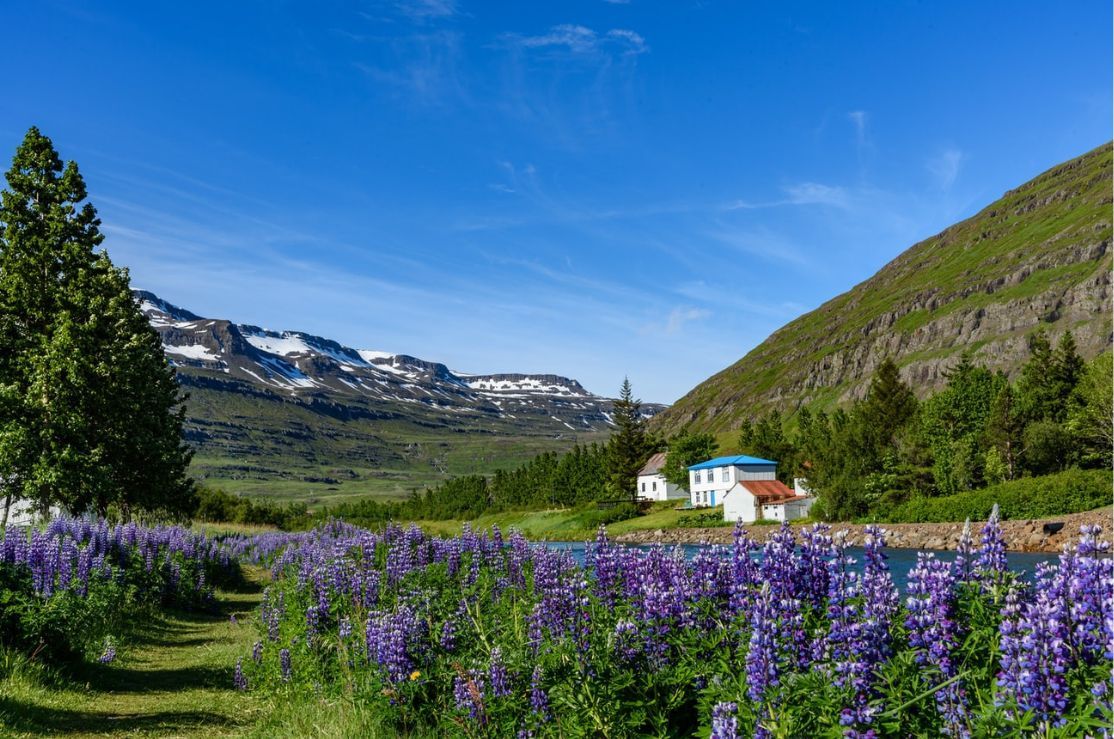
The town's setting, deep at the end of a narrow fjord, makes it feel more separate from the rest of Iceland than most East Iceland towns, an impression reinforced by the mountain pass that has to be crossed to reach it. Two mountains stand over it: Bjólfur (1,085 m) to the west and Strandartindur (1,010 m) to the east, with waterfalls running down the slopes on both sides. That isolation has also helped it build a strong reputation for art and music. The LungA arts festival was held here every July from 2000 until its final edition in 2024, and the town still has an arts centre, artist residencies and a community of resident artists.

Walking the streets is a large part of the visit. Houses are painted in strong colours, some walls carry murals, and gardens hold sculptures made from iron, wood and recycled material. The natural harbour is big enough for Norröna, the car ferry that links Iceland with the Faroe Islands and Denmark, and that sea link to mainland Europe is why Seyðisfjörður has been a trading centre since the 19th century.

Quick facts

PopulationAbout 700
MountainsBjólfur (1,085 m) and Strandartindur (1,010 m)
RegionEast Iceland
From EgilsstaðirAbout 27 km, around 25–30 minutes by car over Fjarðarheiði pass
EntryFree
FerryMS Norröna (Smyril Line), weekly to Tórshavn (Faroe Islands) and Hirtshals (Denmark)
Opening hoursA working town, open all year
Skálanes nature reserveAbout 17 km east of town, 1,250 hectares

A Norwegian fishing town in an Icelandic fjord

The story of the fjord starts in the settlement age. By tradition the first settler was a man called Bjólfur, who claimed the whole fjord, and the mountain above the town still carries his name.

Norwegian herring fishermen began settling Seyðisfjörður in the mid-1800s, bringing building styles and trades that shaped the town's distinctive look, still visible in the wooden houses that line its main streets. The area's history goes back further still: an 11th-century stave church was excavated at nearby Þórunnarstaðir, and Vestdalseyri, just outside town, was home to one of the world's first industrialised whaling stations in the 1860s.

The town has also seen hard times. In December 2020, after days of heavy rain, mudslides came down into the town and damaged 39 houses, twelve of which were destroyed.

How to get to Seyðisfjörður

On a guided tourSeyðisfjörður is often included as a stop on East Iceland or Ring Road tours, particularly for those arriving or departing by the Smyril Line ferry.
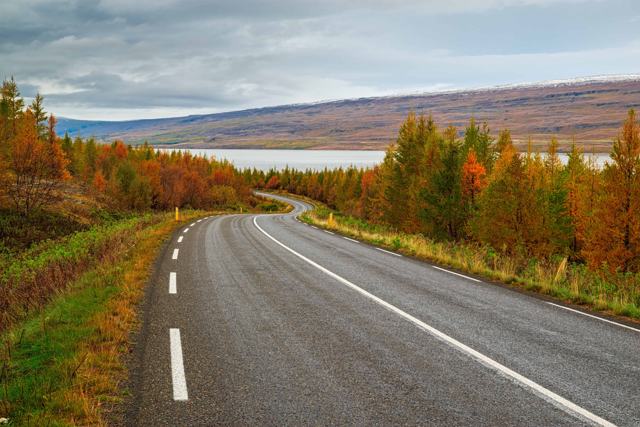
By carRoute 93 climbs over Fjarðarheiði pass, about 600 m elevation, from Egilsstaðir. The road is paved but exposed to wind and snow.
By public transportA seasonal bus service connects Egilsstaðir and Seyðisfjörður, timed in part around ferry arrivals and departures.
ParkingFree parking is available around the town centre and harbour.

Fjarðarheiði pass can close temporarily in winter storms, and its exposed, snowy road becomes a small ski area in winter. Check umferdin.is before driving in poor weather.

What to see in Seyðisfjörður

The town is small enough to see on foot in a couple of hours. These are the stops most visitors come for.

Rainbow Street and the Blue ChurchThe pavement of Norðurgata is painted in rainbow stripes that lead straight to the pale blue Seyðisfjarðarkirkja, and the view along it is the classic photograph of the town. The church is a simple timber building with large windows. It did not start here: it was moved into town from Vestdalseyri, further out along the fjord. In summer it is used for concerts and recitals, including traditional and folk music.
Art, museums and old housesThe Skaftfell arts centre shows contemporary art and has a bistro, and there are artist residences around town. The Technical Museum of East Iceland covers the town's industrial past, including the first telegraph cable to Iceland, which came ashore here in 1906. The museum was hit by the 2020 mudslides, so ask locally what is open.
Skálanes nature and heritage centreAbout 17 km east of the town, on the south shore of the fjord, Skálanes is a 1,250-hectare nature reserve with sea cliffs, shoreline, freshwater wetlands and meadows. Some 47 bird species have been recorded, reindeer and Arctic foxes live in the area, and seals and porpoises are often seen offshore. The track out is rough, so ask in town about road conditions or go with a local guide.
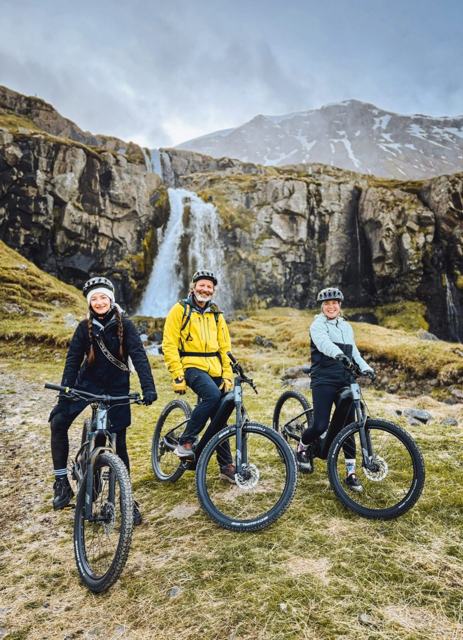
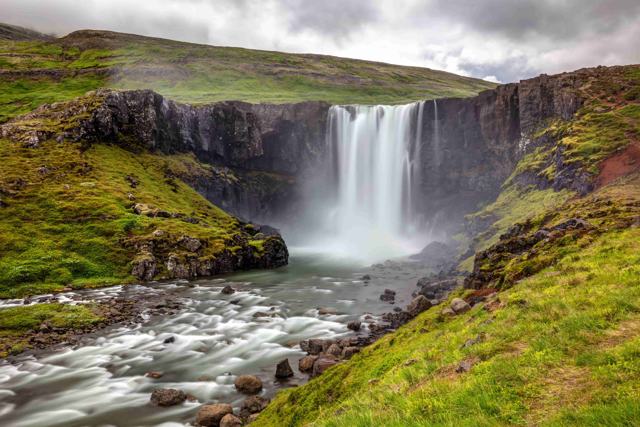
Waterfalls and walksWaterfalls come down the mountain sides all around the town, and the river Fjarðará drops through a chain of falls beside Route 93 on the way down from the pass, with Gufufoss the easiest to stop at. Marked paths lead from the town up the slopes of Bjólfur and along the fjord.
Skiing on FjarðarheiðiIn winter there is a small ski area at Stafdalur on the Fjarðarheiði pass, between Seyðisfjörður and Egilsstaðir. It depends on snow and weather, so check locally before you go.

Best time to visit Seyðisfjörður

Summer (June–August)The liveliest season, with long daylight, cafés and restaurants serving outside on fine days, and the mountain pass at its easiest to drive. Most visitors come between April and October. July used to be the month of the LungA arts festival, which ran for the last time in 2024.
Winter (November–March)A quiet, snowy town, with the Fjarðarheiði pass sometimes closed briefly during storms. There is skiing on the pass when conditions allow. Check conditions before travelling.

Safety and practical tips

  • Walk beyond the famous Rainbow Street. The wider grid of wooden houses is just as worth seeing.
  • If arriving by ferry, allow time to cross Fjarðarheiði afterwards, as it can be slow in poor weather.
  • Check Smyril Line's schedule well ahead if you plan to use the ferry, since it runs weekly, not daily.
  • The town has good cafés and galleries worth an unhurried stop rather than a quick photo.

Facilities and accessibility

Seyðisfjörður has guesthouses, hotels, a campsite, restaurants, cafés, a cinema, a swimming pool, a small supermarket and a fuel station.

On the map

Open in Google Maps →

Nearby places worth a stop

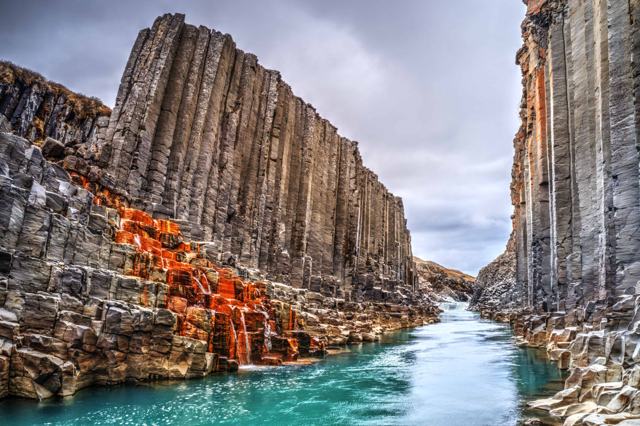
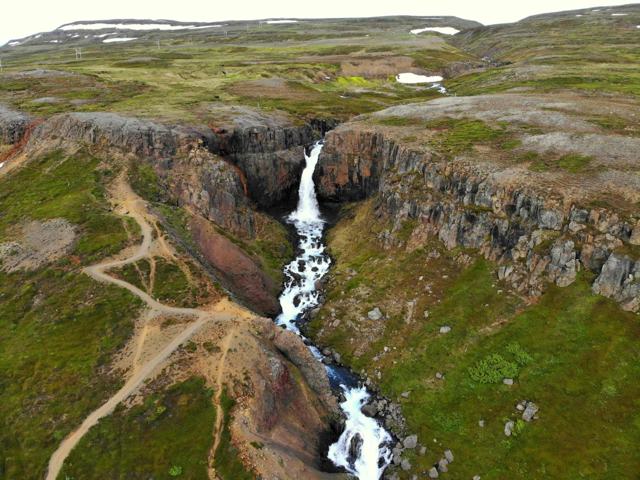
EgilsstaðirEgilsstaðirEast Iceland's main town, over the mountain passHallormsstaðaskógurHallormsstaðaskógurIceland's largest forest, near EgilsstaðirStuðlagil canyonStuðlagil canyonBasalt column canyon further inlandGufufossGufufossWaterfall on the road down to Seyðisfjörður
Borgarfjörður eystriPuffin village further north
FardagafossFardagafossWaterfall at the Egilsstaðir end of the pass

Where to stay near Seyðisfjörður

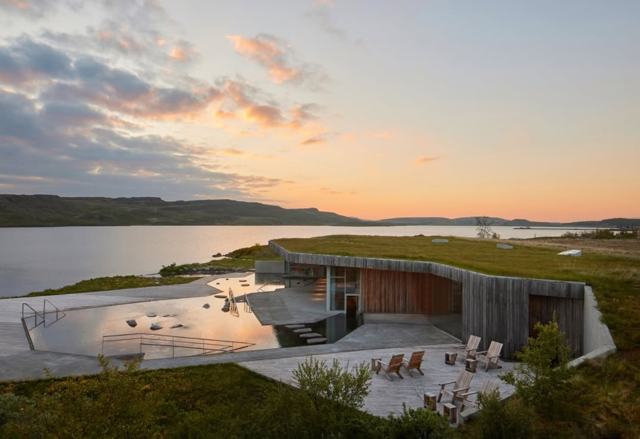
Seyðisfjörður itself has a small range of guesthouses and hotels for those who want to stay in the town, while Egilsstaðir, a short drive over the pass, has a wider choice.

Seyðisfjörður FAQ

How far is Seyðisfjörður from Egilsstaðir?

About 27 km, around 25–30 minutes by car over the Fjarðarheiði mountain pass.

Can you take a ferry from Seyðisfjörður to Europe?

Yes, the Smyril Line runs a weekly car ferry to Tórshavn in the Faroe Islands and Hirtshals in Denmark.

Why are the houses in Seyðisfjörður different from other Icelandic towns?

Norwegian fishermen settled the town from the 1840s and built in a style not seen elsewhere in Iceland, which is why the wooden architecture stands out.

Is the road to Seyðisfjörður open in winter?

Usually, but Fjarðarheiði pass can close temporarily during storms, so it is worth checking road conditions first.

What is there to see in Seyðisfjörður?

Rainbow Street and the Blue Church, the old Norwegian-style wooden houses, the Skaftfell arts centre, waterfalls such as Gufufoss, and the Skálanes nature reserve about 17 km out along the fjord.

When is the best time to visit Seyðisfjörður?

You can visit all year, but April to October is the main season. Summer has the longest days and the easiest driving over Fjarðarheiði. In winter the town is quiet and the pass can close for short periods.

Is the LungA festival still held in Seyðisfjörður?

No. LungA ran every July from 2000 and held its final festival in 2024.

See Seyðisfjörður with a local

Tours and trips that include Seyðisfjörður, booked directly with a local travel agency in Iceland.
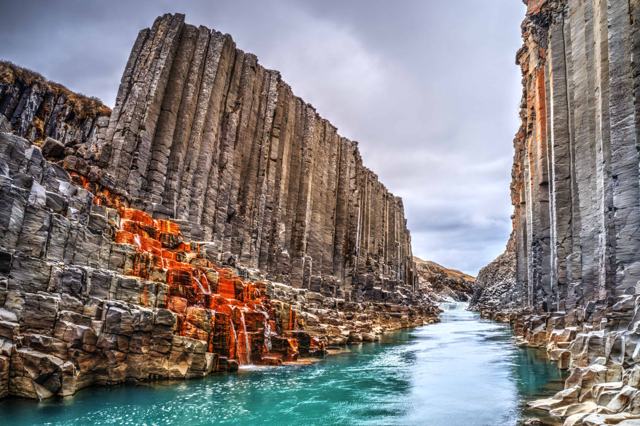
Stuðlagil Canyon Tour from SeyðisfjörðurDAY TOURStuðlagil Canyon Tour from SeyðisfjörðurFrom 26,990 ISK per personHidden Waterfalls E-Bike Tour in Seyðisfjörður, East IcelandDAY TOURHidden Waterfalls E-Bike Tour in Seyðisfjörður, East IcelandFrom 22,900 ISK per personSeyðisfjörður Jeep TourDAY TOURSeyðisfjörður Jeep TourFrom 99,900 ISK per personEast Fjords IcelandDAY TOUREast Fjords IcelandFrom 57,000 ISK per personHighlands of East IcelandSHORE EXCURSIONHighlands of East IcelandFrom 61,000 ISK per personStuðlagil Canyon & VökSHORE EXCURSIONStuðlagil Canyon & VökFrom 49,900 ISK per person
More places in East Iceland