The best time to visit Iceland is June to August for mild weather, long days and open highland roads, and September to March for the Northern Lights and ice caves. May and September are the best value, with good light, fewer people and lower prices. There is no bad month, only different trips, so this guide goes through the year month by month to help you choose.

The short answer: when is the best time to visit Iceland?
It depends on what you most want to see. Iceland has two very different seasons, and several of its best-known sights belong to only one of them. Match your wish list to the months below.
If you have no fixed wish list, our pick for a first visit is September: the days are still long, most roads are open, the summer crowds have gone and the nights are dark enough for the Northern Lights. If you want snow and ice caves, choose March.
- Warmest weather and longest days: June, July and August.
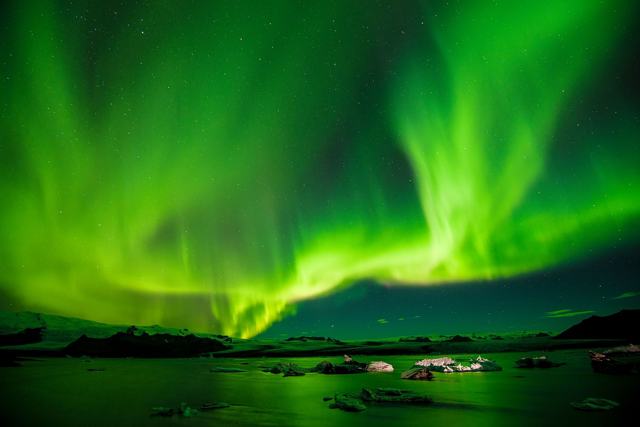
- Northern Lights: September to March. The season runs from late August to mid-April.
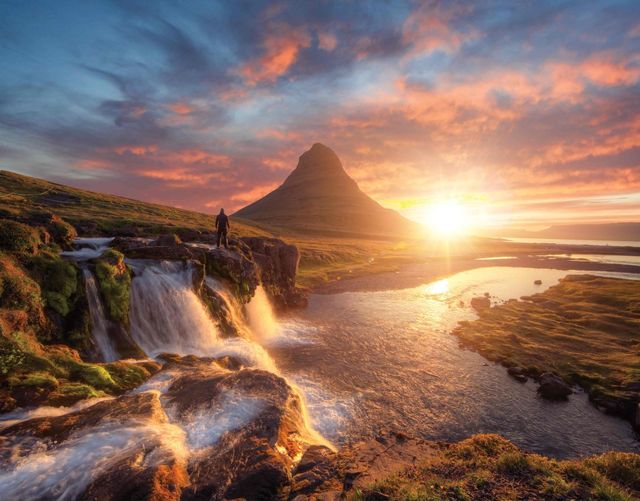
- Midnight sun: late May to late July, brightest around 21 June.
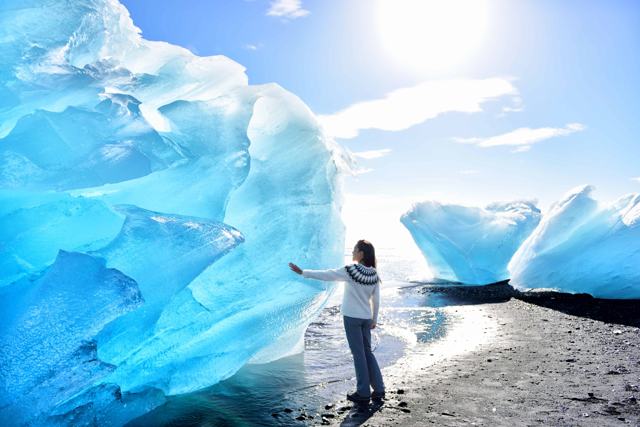
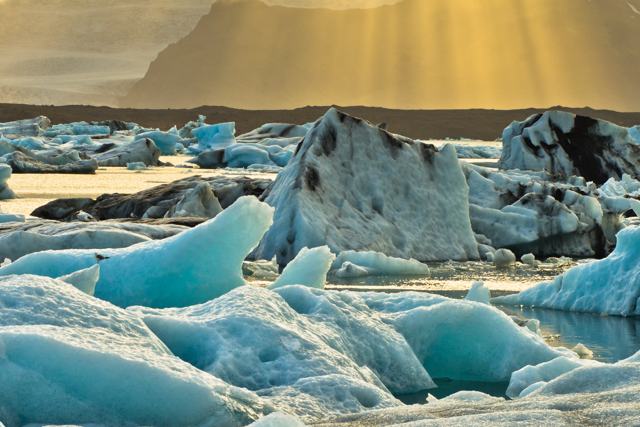
- Natural blue ice caves: November to March.
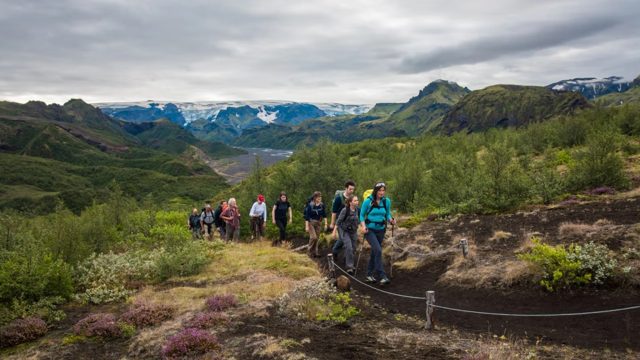
- Highlands and multi-day hikes: July and August.
- Puffins: May to early August.
- Whale watching: all year from Reykjavík, with the best sightings from April to September.
- Fewer people and lower prices: April, May, September and October, and most of the winter.
- The full Ring Road: May to September if you drive yourself, any month with a guide.
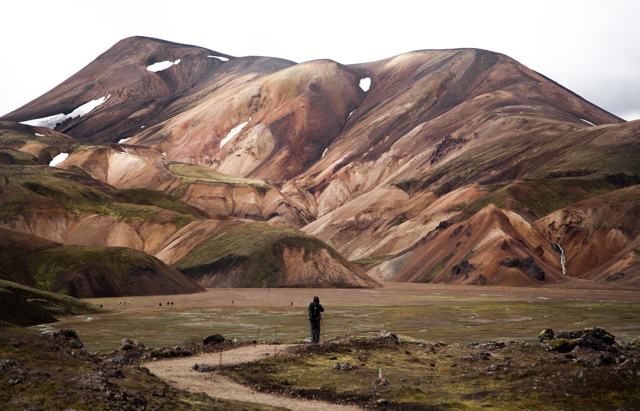
Iceland month by month at a glance
The temperatures and rainfall below are long-term averages for Reykjavík from the Icelandic Met Office (1991–2020). Daylight is the time between sunrise and sunset in the middle of each month. North Iceland is a little colder in winter and clearly drier all year, and any single day can differ a lot from the average.
| Month | High / low °C (°F) | Daylight | Rain/snow, mm | Best for |
|---|---|---|---|---|
| January | 3 / -2 (38 / 29) | about 5 hours | 87 | Northern Lights, ice caves and the quietest sights of the year |
| February | 3 / -2 (38 / 29) | about 8½ hours | 91 | Northern Lights and ice caves with more daylight |
| March | 4 / -1 (40 / 30) | about 11½ hours | 81 | longer days with the last of the aurora and ice caves |
| April | 7 / 1 (44 / 34) | about 15 hours | 59 | low prices, the first puffins and aurora early in the month |
| May | 10 / 4 (50 / 39) | about 18 hours | 53 | dry, bright days, puffins and few crowds |
| June | 13 / 7 (55 / 45) | about 21 hours | 43 | the midnight sun and the first open highland roads |
| July | 15 / 9 (59 / 48) | about 20 hours | 50 | the warmest weather, hiking and the highlands |
| August | 14 / 9 (57 / 47) | about 16½ hours | 65 | the highlands, whales and the first dark nights |
| September | 11 / 6 (53 / 43) | about 13 hours | 87 | Northern Lights, autumn colours and thinner crowds |
| October | 8 / 3 (46 / 37) | about 10 hours | 80 | Northern Lights, lower prices and the first ice cave tours |
| November | 5 / 0 (40 / 32) | about 6½ hours | 87 | ice caves, aurora and hot springs in the cold |
| December | 3 / -2 (38 / 29) | about 4 hours | 95 | Christmas lights, New Year's Eve and long aurora nights |
Optional data for the website: the same figures as the list in the section 'Iceland month by month at a glance', so it can be shown as a table. Reykjavík, Icelandic Met Office normals 1991–2020; daylight is sunrise to sunset on the 15th.
Summer in Iceland: June to August
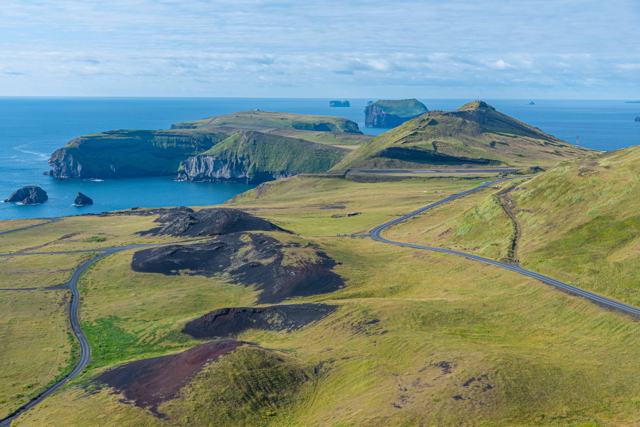
Summer is the easy season. Reykjavík reaches about 13°C to 15°C on an average day, it never gets properly dark, and every part of the country can be reached, including the highland roads that are shut for most of the year. Puffins are on the cliffs, whales are close to shore, and every tour is running.
The price is that everyone else comes too. In June, July and August 2025 about 847,000 foreign visitors flew home from Keflavík Airport, more than a third of the roughly 2.3 million for the whole year, according to the Icelandic Tourist Board. Rooms, rental cars and popular tours cost the most and sell out first, so book months ahead. You also cannot see the Northern Lights, because the sky is too bright.
See our summer Ring Road tours, such as the 8 Day Iceland Summer Tour, which adds Snæfellsnes and Borgarfjörður to the classic loop.
Autumn in Iceland: September and October
Autumn is the season for people who want a bit of both. The nights are dark again, so the Northern Lights are back, but September is still mild at about 11°C and most roads and tours are running. From mid-September the birch and blueberry heath turn red and gold, and farmers bring the sheep down from the mountains at the réttir round-ups.
Crowds thin quickly after August and prices follow. The trade-off is the weather. September and October are among the wetter months in Reykjavík, the first autumn storms arrive, and the highland roads close for the winter. Daylight drops from about 14½ hours on 1 September to about 8 at the end of October.
Our 8 Day Iceland Northern Lights Tour runs from September to April and gives you seven nights around the country to look for the lights.
Winter in Iceland: November to March
Winter is milder than most people expect and darker than they imagine. Reykjavík sits close to freezing, with average highs of 3°C to 5°C, but at the winter solstice the sun is up for only about four hours. In return you get the Northern Lights, natural blue ice caves, snow on the lava and hot pools that feel even better in the cold. Outside Christmas and New Year it is also the cheapest and quietest time to come.
The limits are real. Storms close roads at short notice, mountain passes in the north and east can be snowed in, and the highlands are shut. Plan fewer kilometres per day than you would in summer and keep a spare day. If you want to drive, read our guide to driving in Iceland in winter first.
Many winter visitors let a local guide do the driving. Our winter Ring Road tours go all the way round the country, and the 6-Day Iceland Winter Package covers Snæfellsnes, the Golden Circle and the South Coast with a glacier hike and a crystal ice cave.
Spring in Iceland: April and May
Spring arrives late and fast. Daylight grows by about six minutes a day, from 13½ hours on 1 April to 20 hours at the end of May. May is on average the sunniest month of the year in Reykjavík, with about 209 hours of sunshine, and May and June are the driest. Puffins return to the cliffs in late April, and visitor numbers and prices are still well below summer.
What you give up: the Northern Lights fade out by mid-April, the natural ice caves in Vatnajökull have finished for the year, the highland roads are still closed, and the north can still have snow. For a lowland trip around the Golden Circle, the South Coast and Snæfellsnes, spring is very good value.
Summer tours start one by one. Our 6 Day Iceland Ring Road Tour in Summer runs from May to September and includes the Katla ice cave, a glacier hike and whale watching.
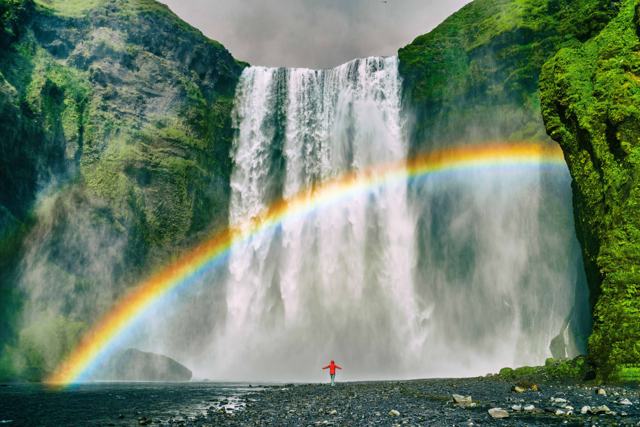
Iceland in January
January is deep winter. Reykjavík hovers around freezing, and the day grows from just over four hours on 1 January to about six and a half by the end of the month. With up to 19 hours of darkness you have plenty of time to look for the Northern Lights, and the ice cave season is in full swing. After the New Year fireworks it is one of the quietest months, and the midwinter feasts of Þorri begin on 22 January in 2027.
Storms are the risk, so do not plan a tight schedule. A good January trip is a base in Reykjavík with day tours, or a guided multi-day tour. Join the Vatnajökull Ice Cave Tour from Jökulsárlón for the blue ice, and read our full guide to Iceland in January.
Iceland in February
February keeps the snow, the ice caves and the long nights, but gives you more light to work with: about seven hours of daylight at the start of the month and ten at the end. That is enough for a full day trip and still leaves long, dark evenings, which makes it one of the best winter months. Reykjavík's Winter Lights Festival brightens the city early in the month.
It is still stormy and snow falls on around 12 days, so keep your plans loose. For your own guide and vehicle on a clear night, book the Northern Lights Private Tour from Reykjavík. More in our guide to Iceland in February.
Iceland in March
March is the best-balanced winter month. Day and night are equal at the equinox around 20 March, and by the end of the month Reykjavík has more than 13 hours of daylight. It is the last full month for the Northern Lights and usually the last reliable month for the natural ice caves, with far more sunshine than midwinter: about 110 hours against 23 in January.
Easter falls on 28 March in 2027, which changes opening hours for a few days; see Easter in Iceland. With the longer days, a full circle of the country is realistic on the 6 Day Iceland Ring Road Tour in Winter, which includes an ice cave, a glacier hike and whale watching. Read more in Iceland in March.
Iceland in April
April has one foot in winter. Reykjavík averages 1°C to 7°C, and daylight stretches from 13½ to more than 16½ hours. The first half of the month still offers a chance of the Northern Lights. By the end of it the sky no longer gets dark enough, and the first puffins are back on the cliffs. Icelanders celebrate the First Day of Summer on 22 April in 2027, whatever the weather says.
The highland roads are closed, and the natural ice caves may already be finished. The ice cave by the Katla volcano is visited all year, so the Katla Ice Cave Private Tour from Vík is the dependable choice in spring. April is quiet and often cheaper than summer. See our guide to Iceland in April.
Iceland in May
May is the value month. Reykjavík averages 4°C to 10°C, daylight grows from just under 17 hours to 20, and it is one of the driest and brightest months of the year. The puffin season gets going, the lowlands are fully open and the summer crowds have not arrived. Our Iceland in May guide covers the month in detail.
The limits are the same as in April: no Northern Lights and no highland roads yet. Summer activities start up through the month. The Puffin Watching Tour from Reykjavík has been running since late April, Inside the Volcano opens on 5 May, and the evening Midnight Sun Whale Watching cruise from Reykjavík runs roughly from May to September.
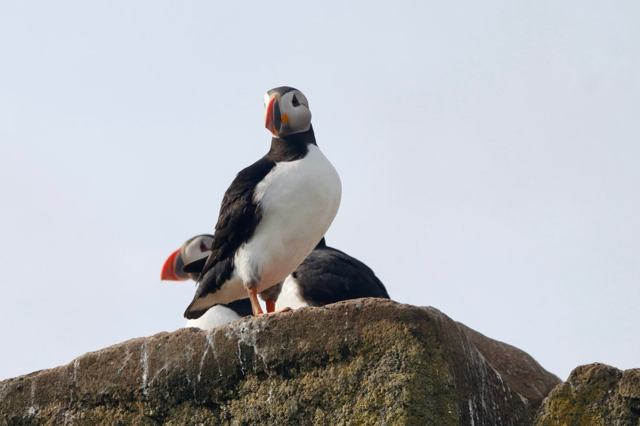
Iceland in June
June is the month of light. At the summer solstice on 21 June 2027 the sun sets in Reykjavík just after midnight and rises again before 3 am, and it does not get dark at all. Akureyri in the north has about 23½ hours between sunrise and sunset. June is also the driest month in Reykjavík on average, with highs around 13°C. Iceland's National Day is on 17 June.
The highlands open in stages. Over the years 2021 to 2025 the road from Sigalda to Landmannalaugar opened on average on 2 June and the Kjölur route about 1 June, but the Sprengisandur route and the southern Fjallabak tracks waited until about the start of July, according to the Icelandic Road Administration. Puffins are nesting, and the Westman Islands Day Tour from Reykjavík runs from June to September.
Iceland in July
July is the warmest month, with an average high of about 15°C in Reykjavík and about 20 hours of daylight. By the middle of the month the highland roads are normally all open, the hiking huts are busy, and puffins and whales are easy to see.
It is also peak season, so book flights, cars, rooms and popular tours well ahead, and visit the famous stops early or late in the day. July is the time to see the interior: the Landmannalaugar Private Tour takes your group there by super jeep in a day of about 11 hours. Read our guide to Iceland in July.
Iceland in August
August is late summer, only a little cooler than July, and it is usually the best month for the highlands because the snow has gone from the tracks. The nights come back: daylight falls from about 18 hours on 1 August to under 15 at the end, and in the last ten days or so you may catch the first Northern Lights of the season. Puffins start to leave in mid-August.
It was the busiest month of summer 2025 at Keflavík Airport, with about 311,000 departing foreign visitors, so book early. Whale watching is at its best, and the Puffins & Whale Watching from Húsavík tour combines both until mid-August. See our guide to Iceland in August.
Iceland in September
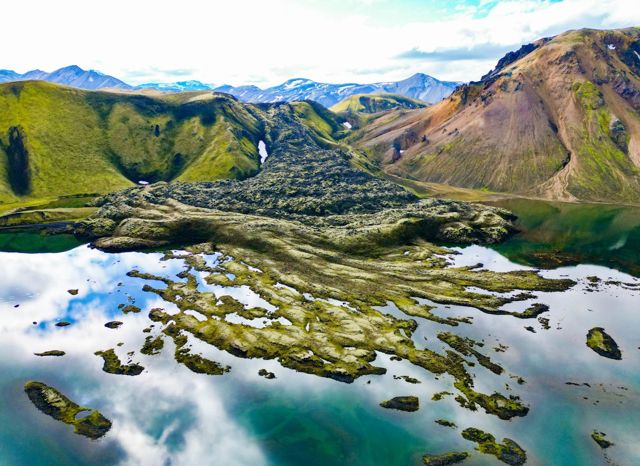
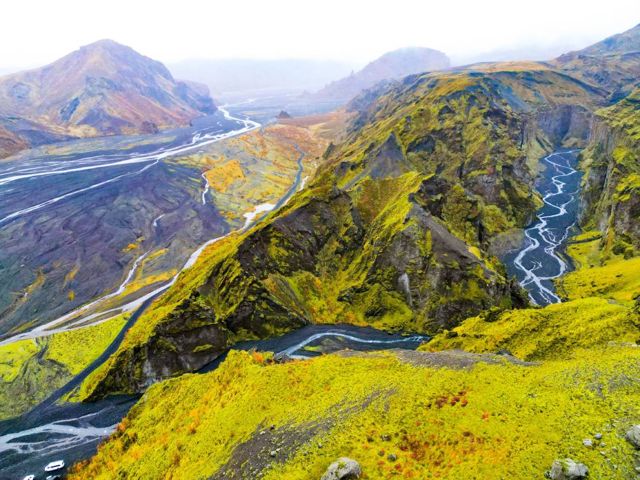
September is one of the best months to visit. Reykjavík averages a high of about 11°C, the day shrinks from 14½ to 11½ hours, and proper darkness brings the first real chance of the Northern Lights. Autumn colour peaks from the middle of the month, and it is round-up season on the farms.
Almost everything in the lowlands is still open, though the most exposed highland roads begin to close and rain becomes more frequent. It is a very good month for a guided circle of the country: on the 8 Day Iceland Northern Lights Tour, September departures include a glacier hike, and from October an ice cave takes its place. Read more in Iceland in September.
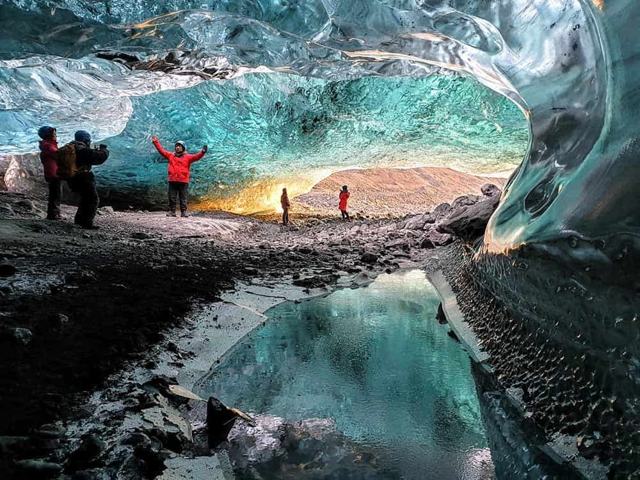
Iceland in October
October is for travellers who want the Northern Lights, quiet sights and lower prices, and who do not mind the weather. Reykjavík averages 3°C to 8°C, daylight drops from about 11½ hours to 8, and the nights are long and fully dark. Ice cave tours in Vatnajökull start again, though conditions are most reliable from November.
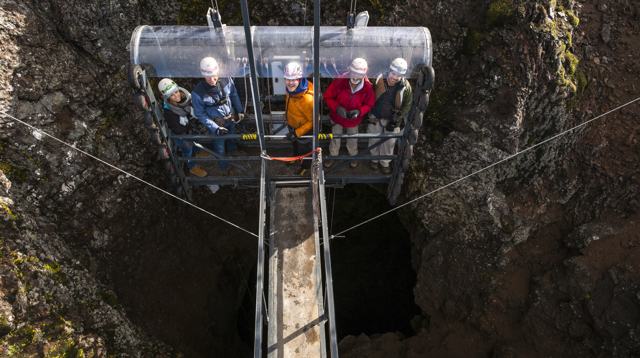
It is a wet and windy month and the highlands are closed. Keep a spare day and choose activities that work in any weather, such as lava caves and hot springs. Inside the Volcano closes for the year on 30 October. See our guide to Iceland in October.
Iceland in November
November is cold, dark and quiet. Daylight falls from about eight hours to about five, Reykjavík averages highs of about 5°C, and it is one of the cheaper months to come. The Northern Lights, the ice caves and the hot pools are all at their best, and the Iceland Airwaves music festival fills Reykjavík in the first half of the month.
Plan sightseeing for the middle of the day and avoid long drives in the dark. A two-day trip is the comfortable way to reach the glacier lagoon in this light: the 2 Day South Coast Tour with Ice Cave visits Jökulsárlón, Diamond Beach and the Crystal Ice Cave. Read our guide to Iceland in November.
Iceland in December
December is the darkest and most festive month. The sun is up for four to five hours, with the winter solstice on 21 December in 2026 and 22 December in 2027. Towns are covered in Christmas lights, the thirteen Yule Lads arrive one by one from 12 December, and New Year's Eve ends with fireworks over the whole of Reykjavík.
Prices and demand rise around Christmas and New Year, and many shops, restaurants and tours close on the evening of 24 December and on 25 December, so book early. See our guides to Iceland in December, the winter solstice and New Year's Eve in Iceland.
Best time to visit Iceland for the Northern Lights
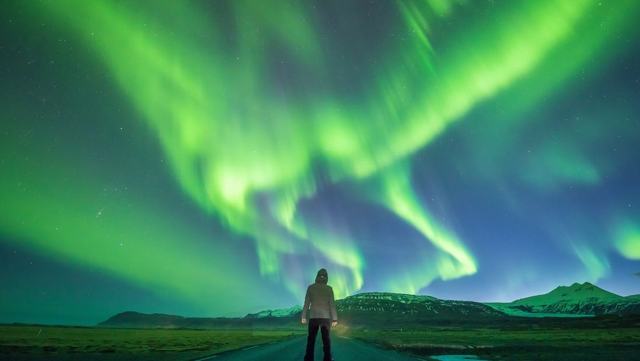
You can see the Northern Lights in Iceland from late August to mid-April, and the best months are September to March. You need three things: a dark sky, a clear sky and some solar activity. Darkness is easy in winter. Cloud is the usual problem, so the number of nights you have matters more than the exact month.
December and January have the longest nights, but also the shortest days and the most storms. For a balanced trip we suggest late September and October, or February and March, when you get proper days for sightseeing and dark evenings for the aurora. Stay at least four or five nights, and spend some of them outside Reykjavík.
A guided tour saves you driving on icy roads at night, and the guide follows the cloud forecast. The Northern Lights Private Tour from Reykjavík runs from September to April, lasts about four hours and is for your group only. See all our Northern Lights tours, and read our Northern Lights guide and our tips for seeing them in Reykjavík.
Best time for the midnight sun
From about mid-May to late July it does not get properly dark in Reykjavík, and the brightest nights are around the solstice on 21 June. The sun does dip just below the horizon in most of the country. To see it stay above the horizon at midnight you need to be on the Arctic Circle, which crosses Grímsey island off the north coast.
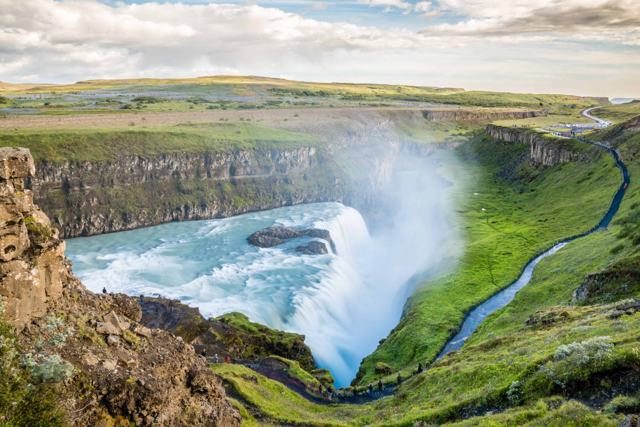
The light changes how you travel. You can visit busy places such as Seljalandsfoss or Gullfoss at ten in the evening and have them almost to yourself. The Midnight Sun Whale Watching cruise leaves Reykjavík's Old Harbour in the evening and lasts about three hours. See our daylight hours guide for every month.
Best time for ice caves and glacier walks
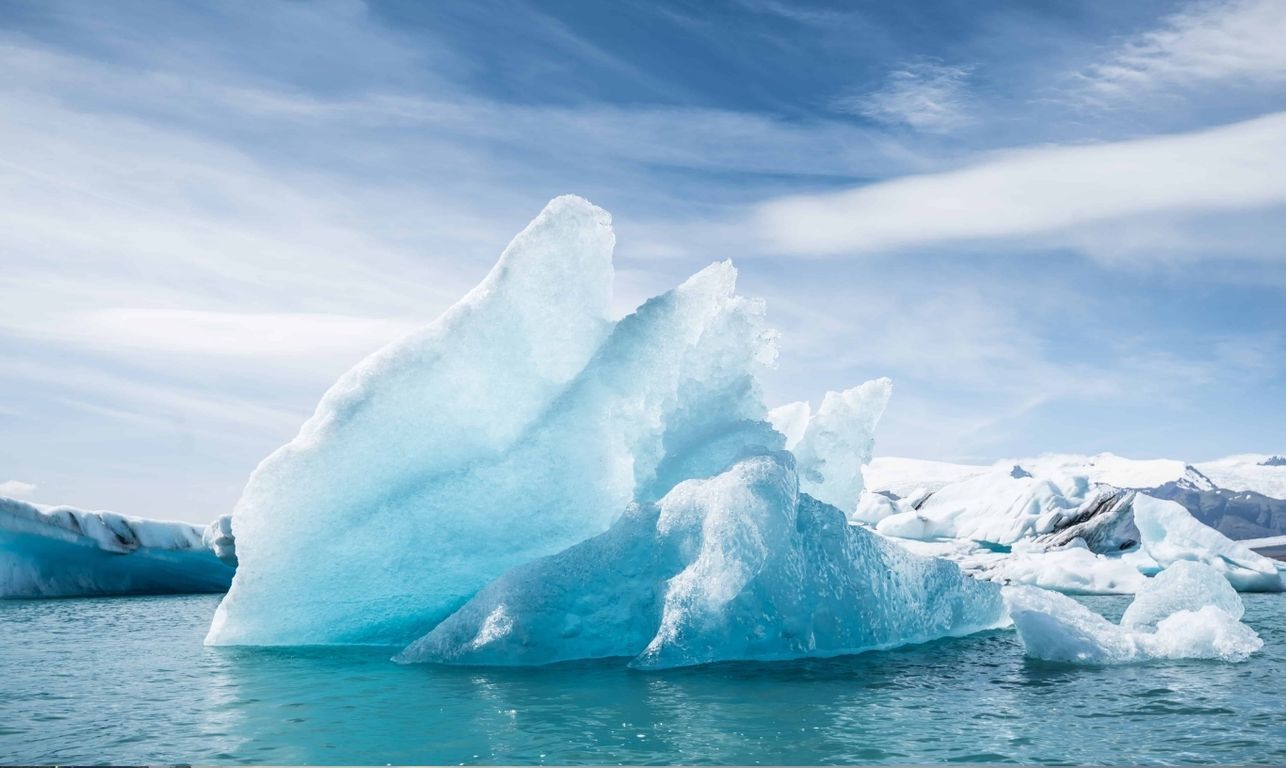
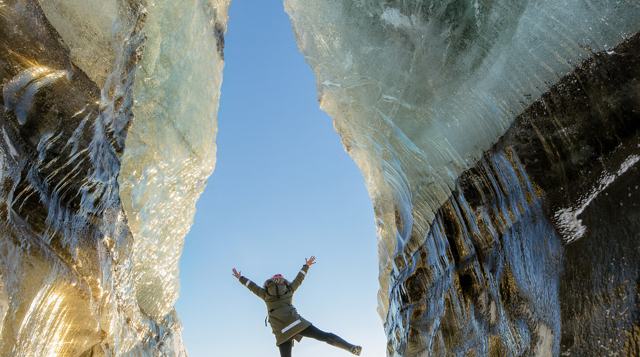
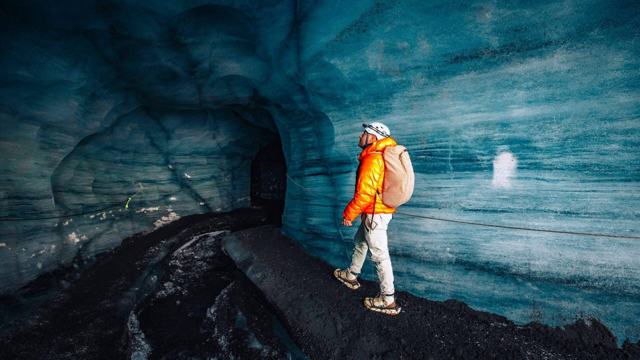
The natural blue ice caves in Vatnajökull are a winter experience. Tours run from October to April, and the most reliable conditions are from November to March. The caves form again every year, and you may only enter with a glacier guide. The Vatnajökull Ice Cave Tour from Jökulsárlón starts at the Jökulsárlón car park, takes about three hours and has a minimum age of 8.
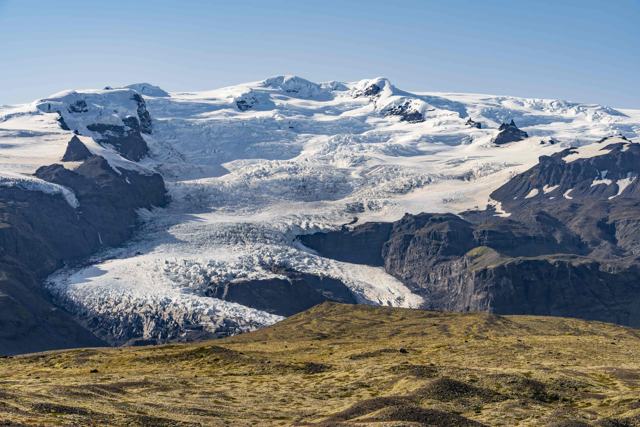
If you come at another time of year, you still have options. The ice cave under Mýrdalsjökull, by the Katla volcano, is visited all year, as we explain in our guide to the Katla ice cave. The man-made tunnel in Langjökull is also open all year. Glacier walks run in every season on Sólheimajökull and in Skaftafell.
See our ice cave tours and glacier hiking tours.
Best time for puffins and whales
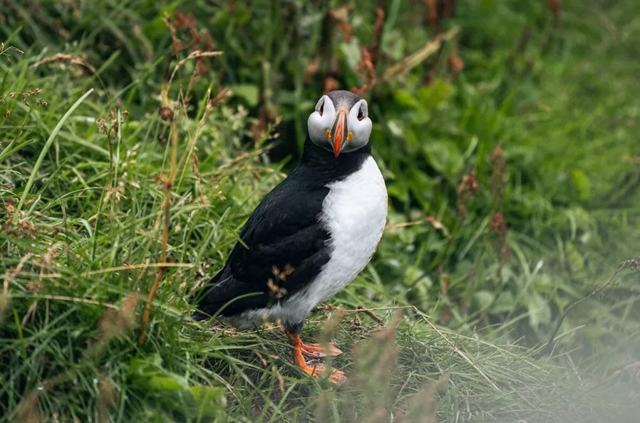
Puffins come ashore to breed in late April and most have left by mid-August, so May to July is the safe window. The largest colonies are in the Westman Islands, and other good places are Dyrhólaey, Látrabjarg and Borgarfjörður eystri. In the capital, the Puffin Watching Tour from Reykjavík is a one-hour boat trip with a free second try if no puffins are seen. Read our puffin guide.
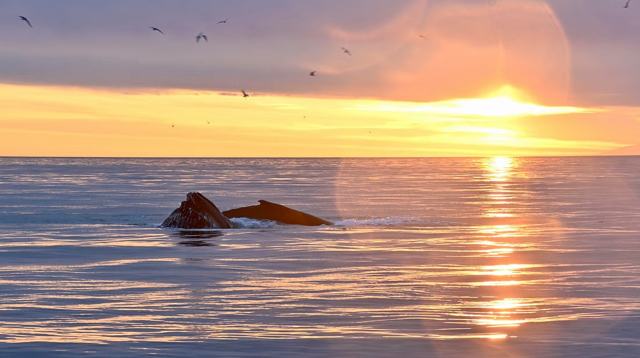
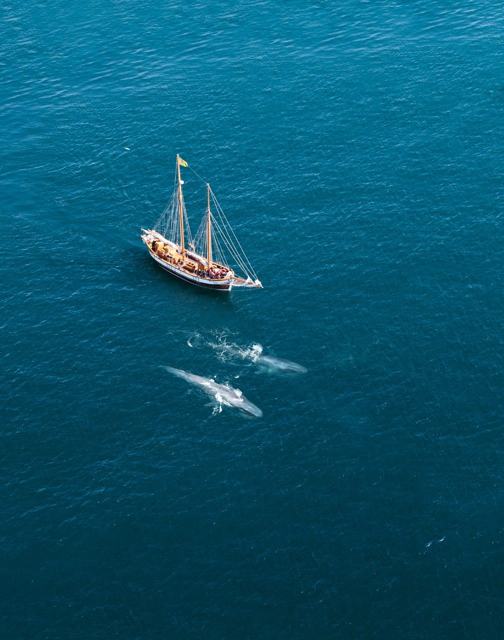
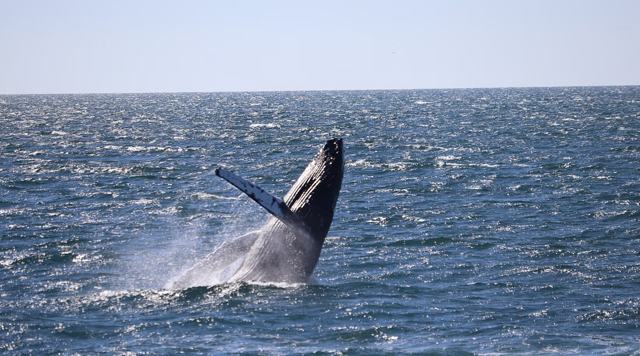
Whale watching runs all year from Reykjavík, and the Whale Watching Tour from Reykjavík also gives you a free second trip if no whales or dolphins appear. Sightings are best from April to September, when Húsavík in the north is the classic place to go. In winter the sea is rougher and more trips are cancelled, so keep a spare day. See our whale watching tours and puffin tours.
Best time for the highlands and hiking
The interior is open for a short summer only. The highland roads, known as F-roads, open in stages from late May to mid-July as the snow melts and the ground dries, and they close again with the first heavy snow in autumn. The Icelandic Road Administration says snow cover is the deciding factor, and the dates vary by weeks from year to year. Mid-July to the end of August is the dependable window.
F-roads need a proper 4×4, many have unbridged rivers, and standard rental cars are not allowed on them. A guided trip removes that risk. The Landmannalaugar Private Tour goes by super jeep in summer, and the Þórsmörk Private Super Jeep Tour reaches Þórsmörk all year, so it is the way to see the edge of the highlands outside the summer months.
For long-distance walkers, the Laugavegur & Fimmvörðuháls Trek runs from mid-June to mid-September. The 2026 season has finished and bookings are open for 2027. See our highland tours and our guide to hiking in Landmannalaugar.
Best time to drive the Ring Road
For a self-drive trip around the whole country, May to September is best. The days are long and the mountain passes in the north and east are clear. June to August is the busiest part of that window, so May and September give you emptier roads and better prices. Allow at least six days, and eight to ten if you can; our guide to how many days you need in Iceland explains why.
In winter the Ring Road stays open most of the time, but ice, wind and darkness make the full circle a job for confident drivers with spare days. A guided tour is the calmer choice: the 6 Day Iceland Ring Road Tour in Winter runs from October to April in a small group of up to 18. In summer the 6 Day Iceland Ring Road Tour in Summer goes round the country in the same number of days.
A shorter route is realistic in any month. Our South Coast & Glacier Lagoon in 5 Days self-drive package includes the car, hotels with breakfast and a planned route, with a 4×4 from October to April. Browse all our self-drive trips and Ring Road tours.
Cheapest and quietest time to visit Iceland
The cheapest time to visit Iceland is usually November to March, apart from Christmas and New Year. April, May and October sit in the middle, and June to August cost the most. The swing is mainly in flights, rental cars and rooms. Day tours and activities cost much the same all year, and eating out is expensive in every month.
The quietest sights follow the same pattern. Between October and April you can often stand at a famous waterfall with only a handful of other people.
One way to keep costs sensible in any season is to travel as a group. Our private tours are priced per vehicle, not per person, so the Golden Circle Private Tour or the Private South Coast Tour can be good value for a family or a few friends. Both run all year.
Is there a worst time to visit Iceland?
There is no bad month, only a wrong month for a particular plan. The mistakes we see most often are these:
- Coming in June or July for the Northern Lights. The sky is too bright from about mid-April to late August.
- Coming between October and May for the highlands or the Laugavegur trail. The roads and huts are closed.
- Planning a fast self-drive circle of the country in December or January, with four or five hours of daylight and regular storms.
- Coming in September for puffins. They leave in mid-August.
How long to stay, and self-drive or guided tour?
Four or five days is enough for Reykjavík, the Golden Circle and the South Coast in any season. A week lets you add Snæfellsnes or travel the South Coast as far as the glacier lagoon without rushing, and the full Ring Road needs six to ten days. In winter, add one spare day for the weather. Our list of itinerary mistakes is worth five minutes before you book.
Driving yourself is simple from May to September and gives you the most freedom. From October to April it depends on you: if you are not used to ice, wind and dark roads, a guided tour or a private driver-guide is the relaxed way to see the same places. The 6-Day Iceland Private Tour Package runs all year with your own driver-guide, airport transfers and three private day tours, and you choose your own hotel.
You can also put together your own trip, day by day, in our trip planner, or compare our Iceland tour packages and multi-day trips.
What a trip costs, in general terms
Iceland is an expensive country to travel in, whatever the month. Accommodation and a rental car are the largest costs for most visitors, and they are also the ones that change most with the season. Food, fuel and activities stay much the same through the year.
A multi-day tour puts the hotel, the transport, the guide and the main activities into one price, which makes the total easier to predict, above all in winter when a self-drive plan can change with the weather. Private tours cost more than group tours for a couple, and often less than people expect once four or more travel together.
See the places on the map
The map on this page shows the places named in this guide, from Reykjavík around the Ring Road. You can also plan your own route on Icelandmap, our interactive map of Iceland, which shows sights, hot springs, fuel and places to eat along the way.
Tours to book
These four trips cover the main ways to see Iceland, one for each kind of traveller. All can be booked with us, a local travel agency in Iceland.
- 8 Day Iceland Northern Lights Tour: September to April. Eight days around the Ring Road in a small group, with two guided aurora outings, whale watching and an ice cave from October.
- 6 Day Iceland Ring Road Tour in Summer: May to September. The whole circle in six days with the Katla ice cave, a glacier hike and whale watching included.
- 6-Day Iceland Private Tour Package: all year. Your own driver-guide for the Golden Circle, the South Coast and Snæfellsnes, with airport transfers.
- South Coast & Glacier Lagoon in 5 Days: all year. A self-drive package with car, hotels and a day-by-day route to Jökulsárlón, with a 4×4 in winter.
The places on the map
Tap a pin for the place guide. Plan this route on Icelandmap
Questions people ask
When is the best time to visit Iceland?
June to August is best for mild weather, long days and open highland roads. September to March is best for the Northern Lights, and November to March for natural ice caves. For a mix of good light, lower prices and fewer people, choose May or September.
What is the best month to visit Iceland?
For a first trip we suggest September: about 13 hours of daylight in the middle of the month, most roads open, autumn colours and dark nights for the Northern Lights. July is the best month for warm weather and the highlands, and March is the best winter month.
What is the cheapest time to visit Iceland?
November to March is usually the cheapest time for flights, rental cars and rooms, apart from Christmas and New Year. April, May and October are also clearly cheaper than June to August. Tours and food cost much the same all year.
When is the best time to visit Iceland for the Northern Lights?
September to March. The lights can be seen from late August to mid-April, whenever the sky is dark and clear. Late September, October, February and March give the best balance of dark nights and useful daylight. Stay several nights, because cloud is the main obstacle.
What is the worst time to visit Iceland?
There is no bad month, but December and January are hardest for a road trip, with four to five hours of daylight and frequent storms. July and August are the most crowded and expensive. The worst choice is a month that does not match your plans, such as summer for the Northern Lights.
When can you see the midnight sun in Iceland?
The nights are bright from about mid-May to late July, and the peak is the summer solstice on 21 June. In Reykjavík the sun sets just after midnight at the solstice and it never gets dark. The sun only stays above the horizon all night on the Arctic Circle, at Grímsey.
Is Iceland worth visiting in winter?
Yes. Winter brings the Northern Lights, blue ice caves, snow-covered landscapes, hot pools and low prices, and average temperatures in Reykjavík stay close to freezing. You need warm, windproof clothes, a flexible plan and either winter driving experience or a guided tour.
How many days do you need in Iceland?
Four to five days cover Reykjavík, the Golden Circle and the South Coast. Plan six to ten days for the full Ring Road. In winter, add a spare day in case a storm closes a road or cancels a tour.