July is Iceland's warmest and busiest month. Reykjavík averages a high of about 15°C, the sun barely sets, the highland roads to Landmannalaugar and Þórsmörk are open, and puffins and whales are close to shore. It is also peak season, so book flights, cars, rooms and popular tours well ahead.
New to Iceland? Read our guide for your first time in Iceland.
Weather in July
July in Reykjavík averages a high of about 15°C and a low of about 9°C, and summer days usually sit between 10°C and 15°C. That is mild, not hot. Rain and wind can arrive any day, and the north and highlands are cooler than the south-west.
The weather changes fast, so dress in layers and always carry a waterproof shell. See our Iceland packing list.
Daylight and the midnight sun
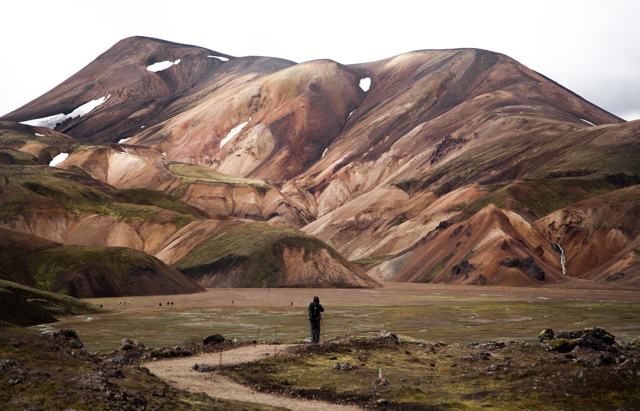
From late May until late July the sun in Reykjavík never dips far below the horizon, so nights are bright twilight. In early July the sun rises around 3 or 4 am and sets close to midnight. Days shorten a little as the month goes on, but there is still plenty of light for sightseeing at any hour.
There is no chance of seeing the Northern Lights in July because the sky never gets dark enough. If aurora is your main goal, look at our Northern Lights guide. For a month-by-month view, see our daylight hours guide.
The highlands are open
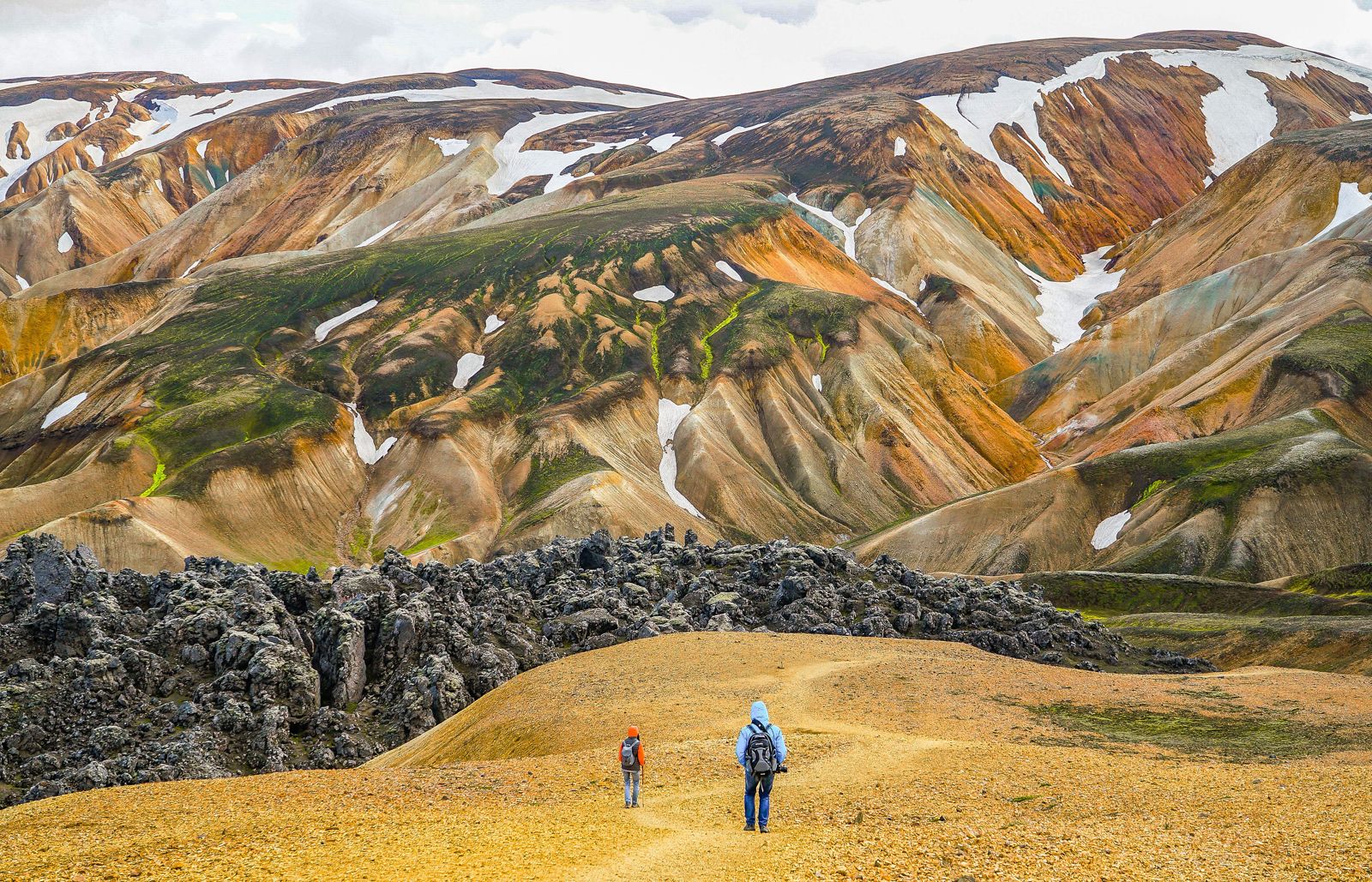
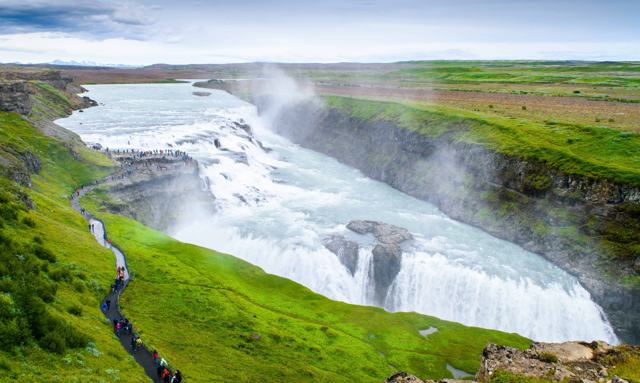
July is prime time for the interior. Most highland roads open from mid-June to mid-September, depending on snow, and mid-July to late August is usually the best window. Tours to Landmannalaugar generally run from mid-June to mid-September, and other highland destinations include Þórsmörk, Askja, Kerlingarfjöll and the Kjölur route.
Highland roads need a 4×4, and there are river crossings. Standard rental cars are not allowed on these routes, and insurance does not cover river damage. A guided day tour or super jeep tour, such as our Landmannalaugar super jeep tour from Reykjavík, removes the risk. Landmannalaugar also has a parking reservation system in summer, another reason to go with a tour. Read our guides to hiking in Landmannalaugar and hiking in Þórsmörk.
See our Landmannalaugar tours and highland tours. For your own group, there is also a Landmannalaugar private tour.
Wildlife: puffins and whales
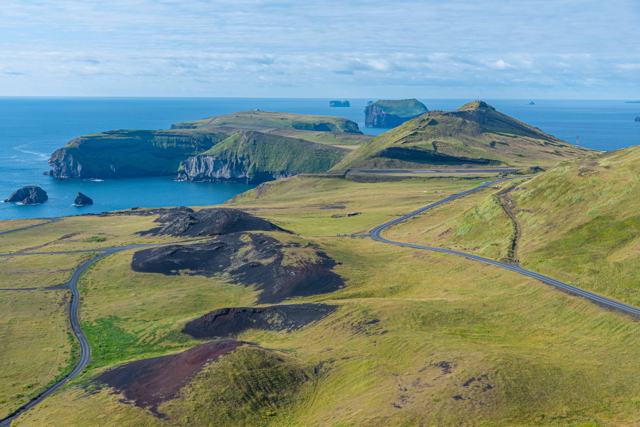
Puffins nest on the coast until early August, so July is the last full month to see them. Good places are the Westman Islands, Látrabjarg and Borgarfjörður eystri. Our puffin guide has the details.
Whale watching tours run from Reykjavík, Húsavík and other harbours through the summer. Our puffins and whale watching tour from Húsavík covers both in one trip, and in Reykjavík the midnight sun whale watching tour makes use of the light evenings. See our whale watching tours.
Best things to do in July
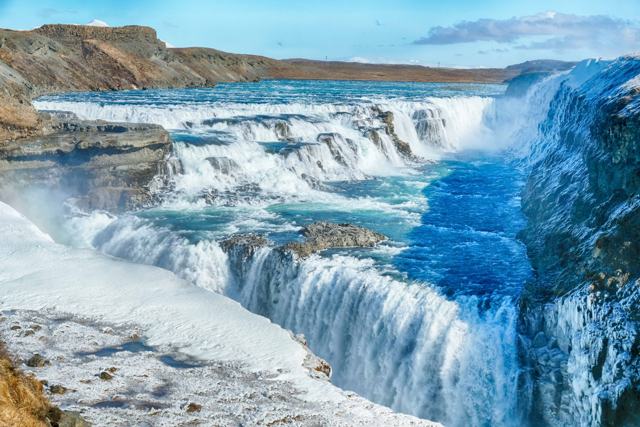
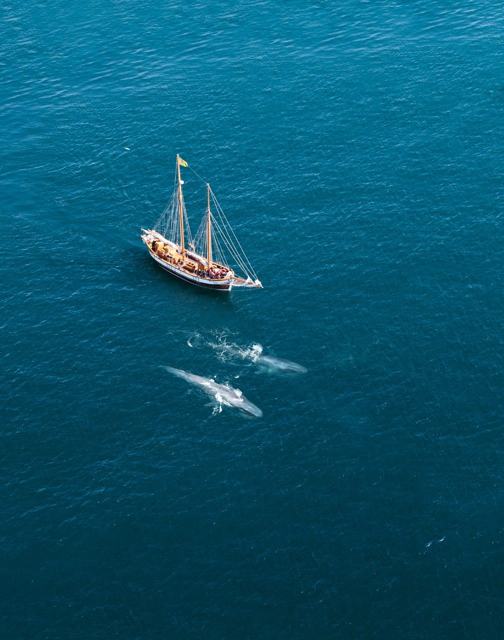
- Drive the Golden Circle: Gullfoss, Geysir and Þingvellir. Go early or late to avoid tour buses.
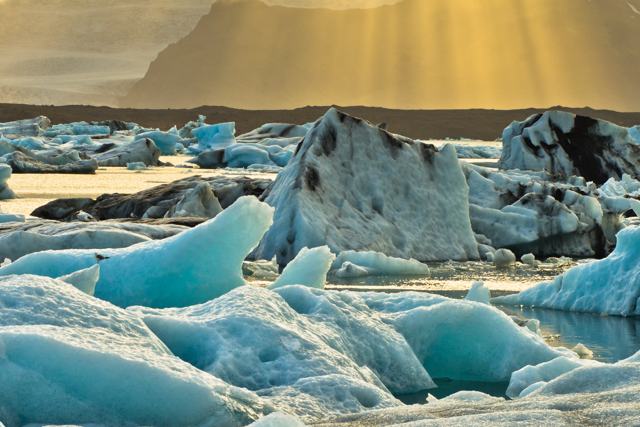
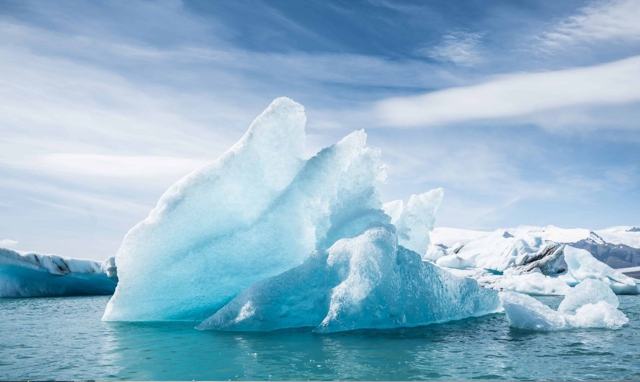
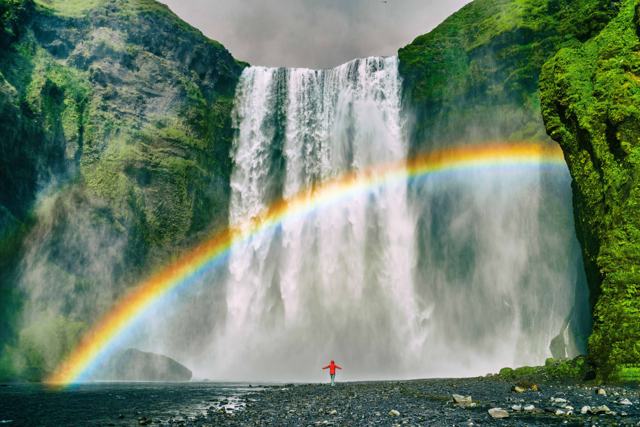
- Take the South Coast to Skógafoss and Jökulsárlón, with a glacier walk if you like.
- Hike the Laugavegur trail or a day walk from Landmannalaugar or Þórsmörk.
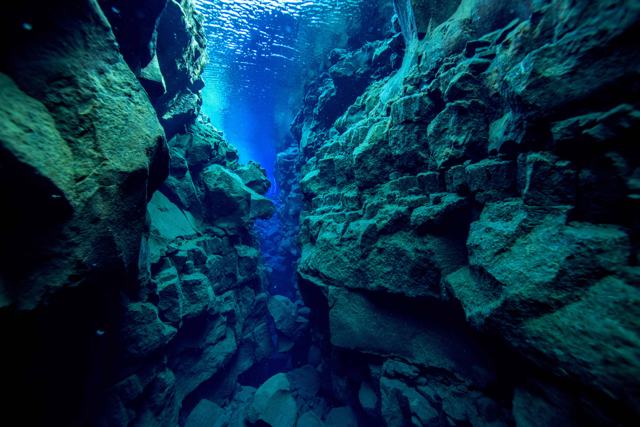
- Snorkel or dive at Silfra between two tectonic plates.
- Soak in a hot spring, with the long light making evening visits easy.
- Visit North Iceland and Mývatn for geothermal areas and whales at Húsavík. Our 6-day summer Ring Road tour goes all the way around the country, the north included.
Festivals and events in July
July is festival month. Siglufjörður hosts its folk music festival in early July, Eistnaflug metal festival is in Neskaupstaður on the second weekend, and LungA art festival is in Seyðisfjörður in mid-July. Bræðslan takes place in Borgarfjörður eystri on a Saturday in late July; in 2027 it is on 24 July. Þjóðhátíð in the Westman Islands starts at the end of July in 2027 (29 July–2 August). See our music festivals guide for dates.
Other July events include the Chamber Music Festival at Reykholt and the Song Festival in Hafnarfjörður. Check dates before you plan around them.
Crowds, prices and booking
July is the busiest and most expensive month for accommodation, cars and tours. Popular places such as Gullfoss, Skógafoss and the South Coast are crowded in the middle of the day. Book early, travel in the early morning or evening, and consider a smaller group tour or a private tour, such as our Golden Circle private tour from Reykjavík.
If you can be flexible, August is a little quieter and September is much calmer.
What to pack for July
- Waterproof jacket and rain trousers
- Warm mid-layers and a wool or fleece jumper
- Sturdy, waterproof walking boots
- Swimwear and a quick-dry towel for hot springs
- Sunglasses and sun cream for bright days
- Eye mask for sleeping in the light
- Hat and gloves for the highlands and boat trips
Tours to book
July is busy, so these are worth booking early.
- 6 Day Iceland Ring Road Tour (summer): the whole Ring Road in the long July days, without the driving.
- Landmannalaugar Private Tour in Iceland: the highlands while the roads are open, with someone else driving the river crossings.
- Puffins & Whale Watching from Husavik: July is the last full month for puffins.
Questions people ask
What is the weather like in Iceland in July?
Mild and changeable. Reykjavík averages a high of about 15°C and a low of about 9°C. Expect some rain and wind, and bring layers.
Can you see the Northern Lights in Iceland in July?
No. The sky never gets dark enough in July. The aurora season starts again in autumn.
Are the highland roads open in July?
Usually yes. Most open from mid-June to mid-September depending on snow, and the best access is from mid-July to late August. You need a 4×4 or a guided tour.
Is July a good time to visit Iceland?
Yes, if you want warm weather, long days and full access to the highlands. It is the busiest and most expensive month, so book early.