Iceland Travel GuideLOCAL TRAVEL AGENCY IN ICELAND
My trip
Talk to a local
Iceland Travel GuideLOCAL TRAVEL AGENCY IN ICELAND
My trip
Talk to a local
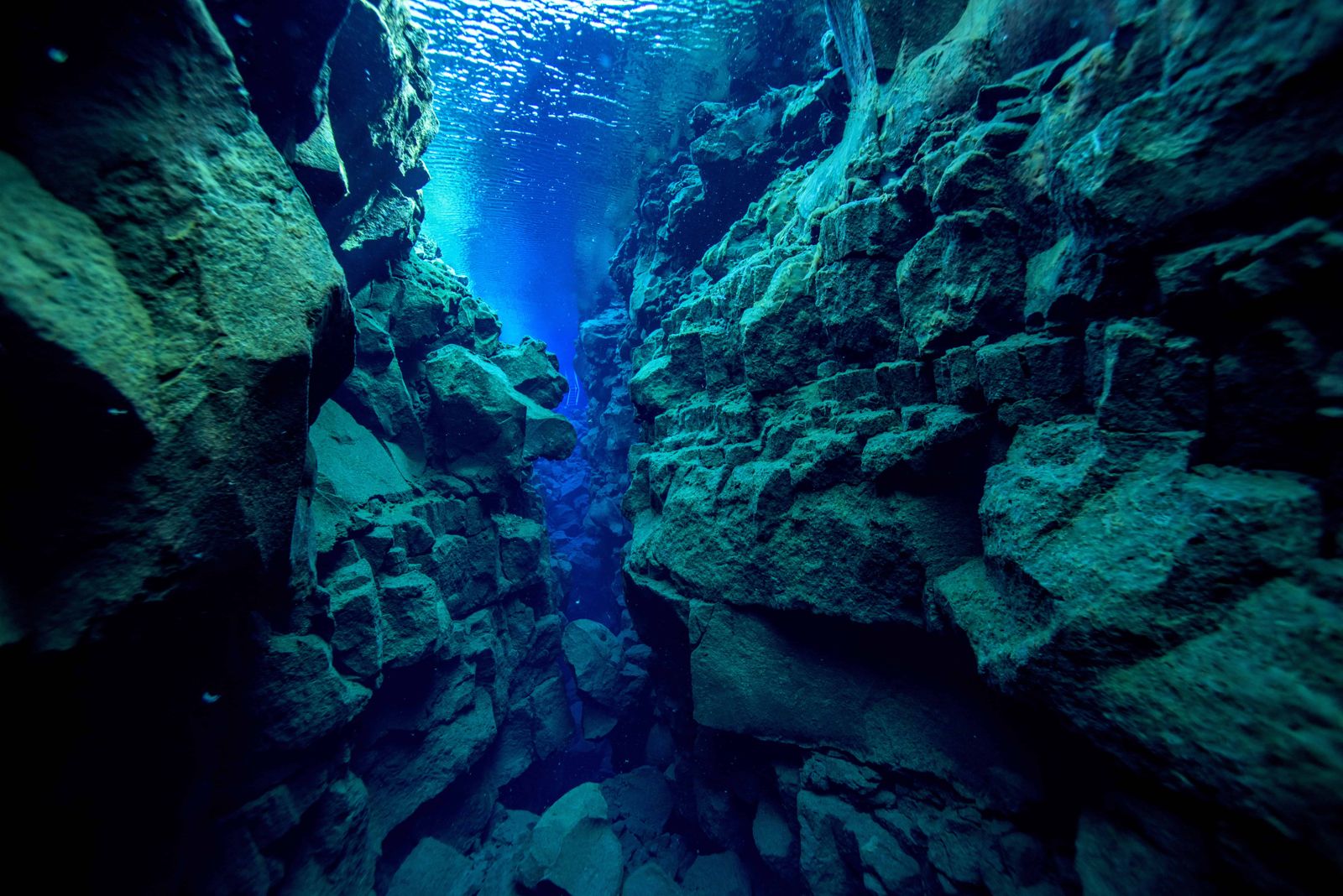
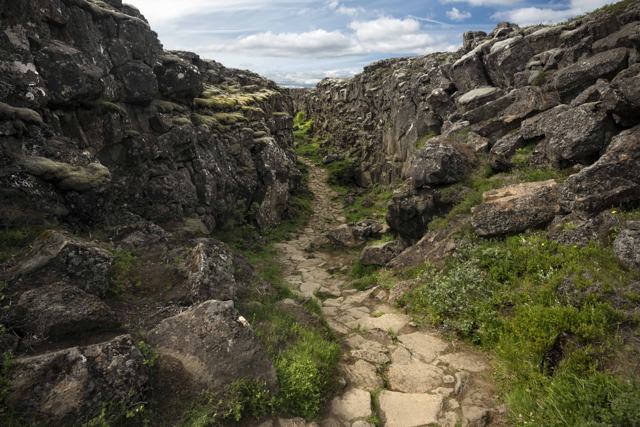
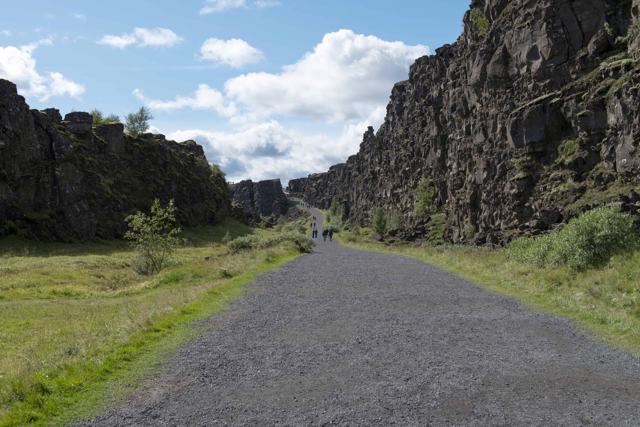
Silfra is a narrow, water-filled fissure in Þingvellir National Park on the Golden Circle, about 50 km (around 45 minutes) from Reykjavík. It sits inside the national park, which has free entry, but snorkelling or diving in Silfra itself requires a booked tour with an entry fee, runs all year, and a snorkel takes around 1–1.5 hours including preparation.
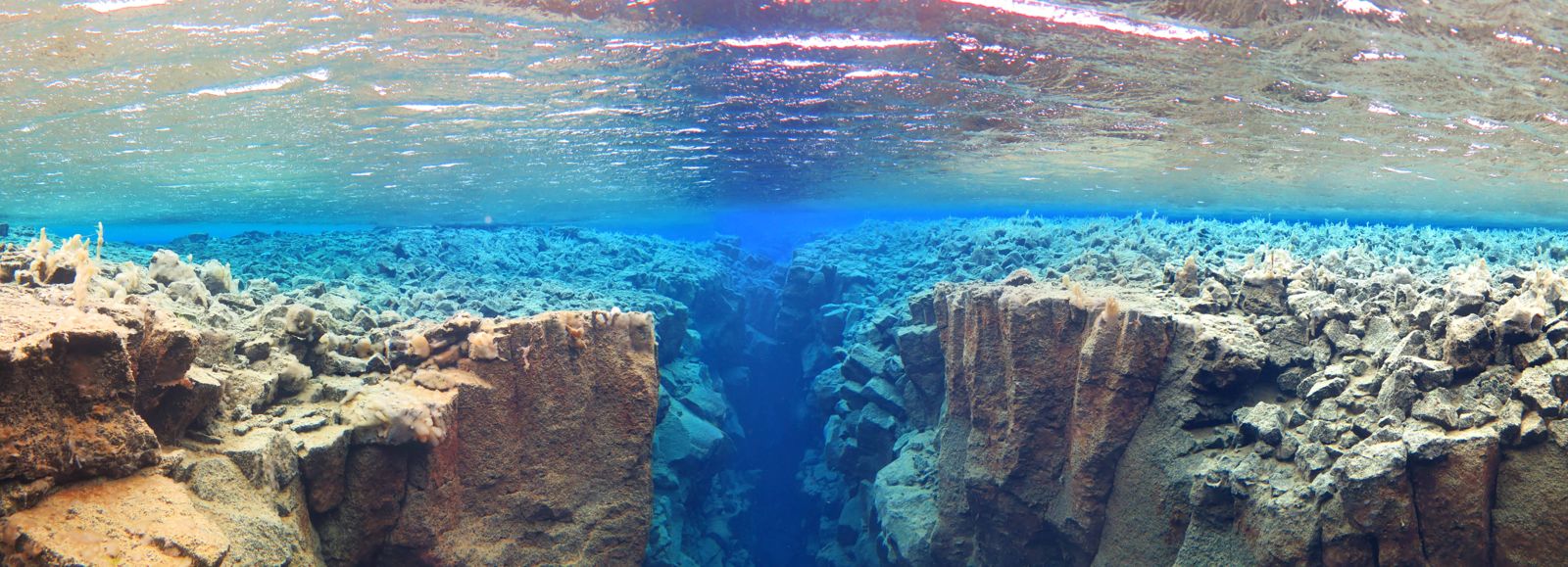
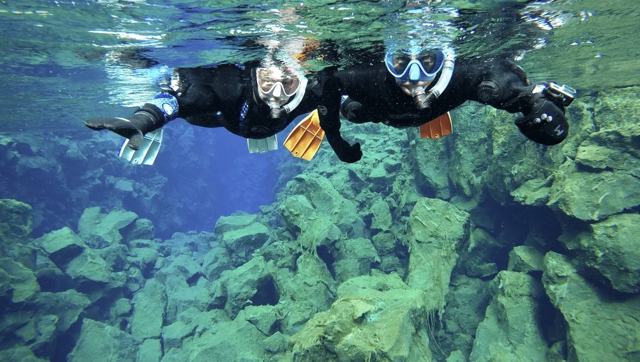
Silfra is a crack in the earth's crust where the North American and Eurasian tectonic plates are slowly pulling apart, filled with glacial meltwater from Langjökull that has travelled underground through porous lava for decades, filtering it until it is exceptionally clear. Visibility in the water regularly exceeds 100 metres, which is why Silfra is ranked among the clearest dive and snorkel sites in the world.
The water sits at a near-constant, very cold temperature year-round, so everyone entering wears a full dry suit, which keeps you warm and also makes you buoyant, so it is more floating than swimming. Operators still ask that you can swim and are comfortable in water. Both snorkelling and scuba diving are offered, always with a certified guide.
Because it lies within a protected national park and UNESCO World Heritage Site, access to Silfra is tightly controlled: you can only enter the water as part of a licensed tour, and free-diving or swimming there on your own is not permitted.
Silfra tours often sell out, especially in summer, so book in advance rather than expecting to arrange one on the day.
Silfra is the only place in the world where you can dive or snorkel in a crack between two continental plates. The North American and Eurasian plates drift apart here by about two centimetres a year, so the fissure is slowly getting wider.
Several fissures opened around Þingvellir during earthquakes in 1789. Silfra was the one that cut into the underground spring fed by Langjökull glacier, some 50–60 km to the north. The name means "silvery".
The meltwater seeps through porous lava on its way from the glacier, a journey that takes decades and by some estimates up to a century. That long filtering is why the water is so clear, and why you can drink it as you swim. Because the spring keeps flowing underground, the water stays at 2–4°C and does not freeze at its source.
You will not see fish in the fissure itself. The colour comes from algae, including the bright green strands known as "troll hair", and from the water, which shades from pale green to deep blue. Blue is the last colour that water absorbs, so the further you look ahead, the bluer it gets. On sunny days the light breaks into small rainbows under the surface.
Snorkellers and divers follow the same route, drifting gently with the current through four sections.
Both let you float through the fissure in a dry suit; the difference is depth and what you need beforehand.
Both activities are guided throughout; you are never in the water without a guide.
Because the water comes from underground filtration rather than surface run-off, conditions in Silfra change very little between seasons compared with most Icelandic sites.
Facilities are provided by the tour operators at their meeting points, including changing areas and dry suit fitting. The wider Þingvellir National Park has a visitor centre, toilets and a café.
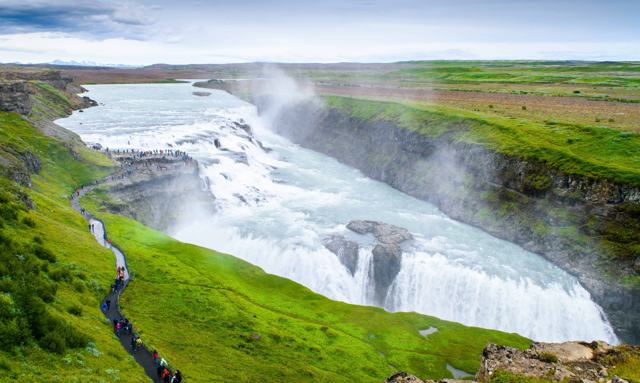
Most visitors see Silfra as part of a Golden Circle day trip from Reykjavík, though guesthouses around Laugarvatn and Selfoss offer an alternative for those touring the area over more than one day.
A hotel we know and book close by: ION Adventure Hotel. See all places to stay.
Yes. The dry suit makes you buoyant, so it is more floating than swimming, but operators require that you can swim, are comfortable in water and can follow your guide's instructions.
About 2–4°C year-round, which is why a dry suit is required for everyone.
There is a minimum age, generally 12, along with a minimum height of about 150 cm and weight of 45 kg. The exact limits vary slightly by operator.
No, certification is only required for diving, not for snorkelling.
No, entering the water without a licensed guide is not permitted, since it lies within a protected national park.
Yes. Silfra lies in the rift valley where the North American and Eurasian tectonic plates are pulling apart, so you float in the gap between them.
An Open Water certification or equivalent, plus either a dry suit certification or at least 10 logged dry suit dives in the past two years, confirmed by an instructor.
June to September has the best light and visibility. Tours run in winter too, with fewer people in the water.
Tours and trips that include Silfra, booked directly with a local travel agency in Iceland.
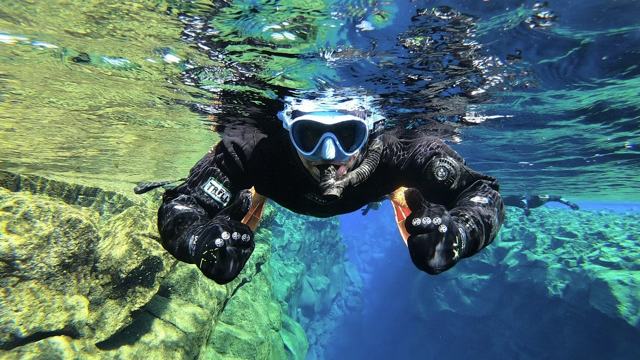 DAY TOURSilfra Snorkeling TourFrom 17,990 ISK per person
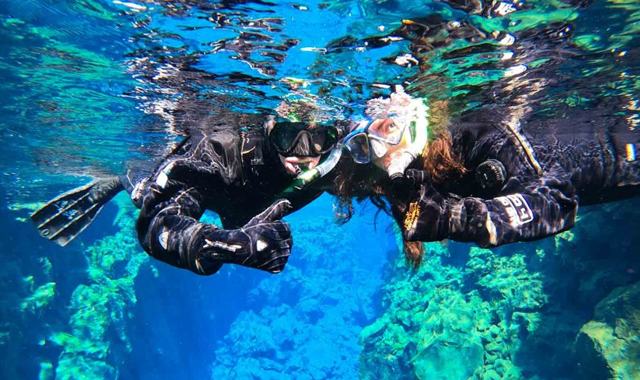 DAY TOURGolden Circle & Snorkeling SilfraFrom 34,990 ISK per person
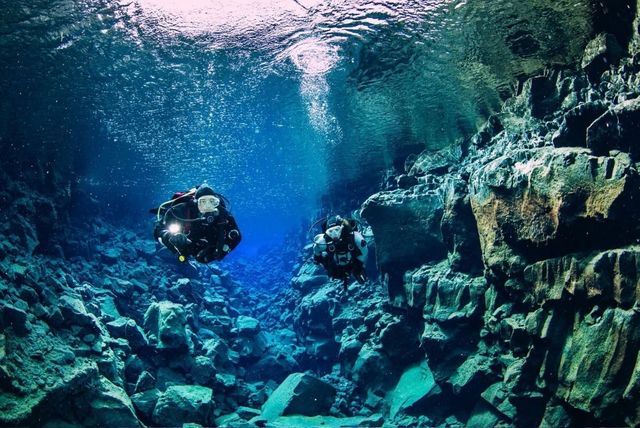 DAY TOURSilfra Diving in IcelandFrom 34,990 ISK per person
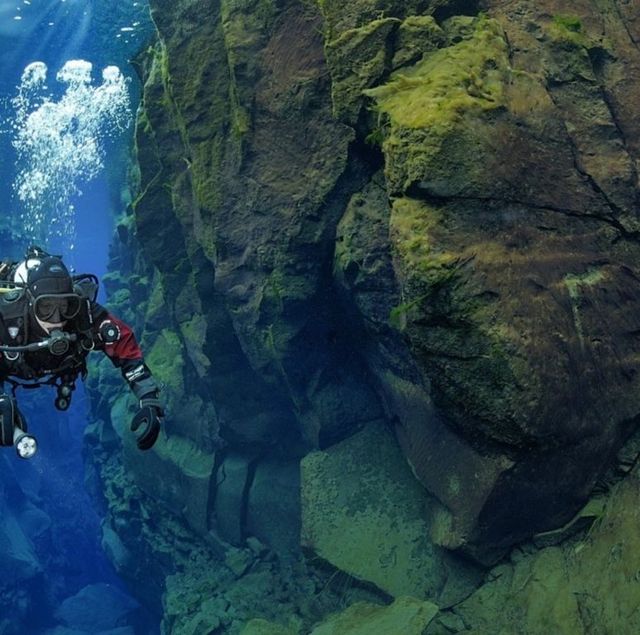 DAY TOURSilfra Fissure Scuba Diving tour from ReykjavikFrom 43,999 ISK per person
 DAY TOURSilfra Snorkeling Tour from ReykjavikFrom 25,990 ISK per person
 DAY TOURLava Tunnel & Silfra Snorkeling Tour from ReykjavikFrom 34,990 ISK per person