Iceland Travel GuideLOCAL TRAVEL AGENCY IN ICELAND
My trip
Talk to a local
Iceland Travel GuideLOCAL TRAVEL AGENCY IN ICELAND
My trip
Talk to a local
Geysir is a geothermal area in the Haukadalur valley on the Golden Circle in South Iceland, home to Strokkur, a geyser that erupts every 5–10 minutes, and the original Great Geysir, which gave its name to geysers worldwide. It is about 100 km (around 1 hour 30 minutes) from Reykjavík, free to enter, with parking around ISK 1,000, and most people spend 30–60 minutes there.
The Great Geysir has been active for hundreds of years and is the namesake for every other geyser on Earth, though it now erupts only rarely, sometimes after earthquakes. In practice, almost everyone comes to see Strokkur instead, a smaller but far more reliable geyser a short walk away that shoots boiling water 15–20 metres into the air every few minutes, and now and then a good deal higher.
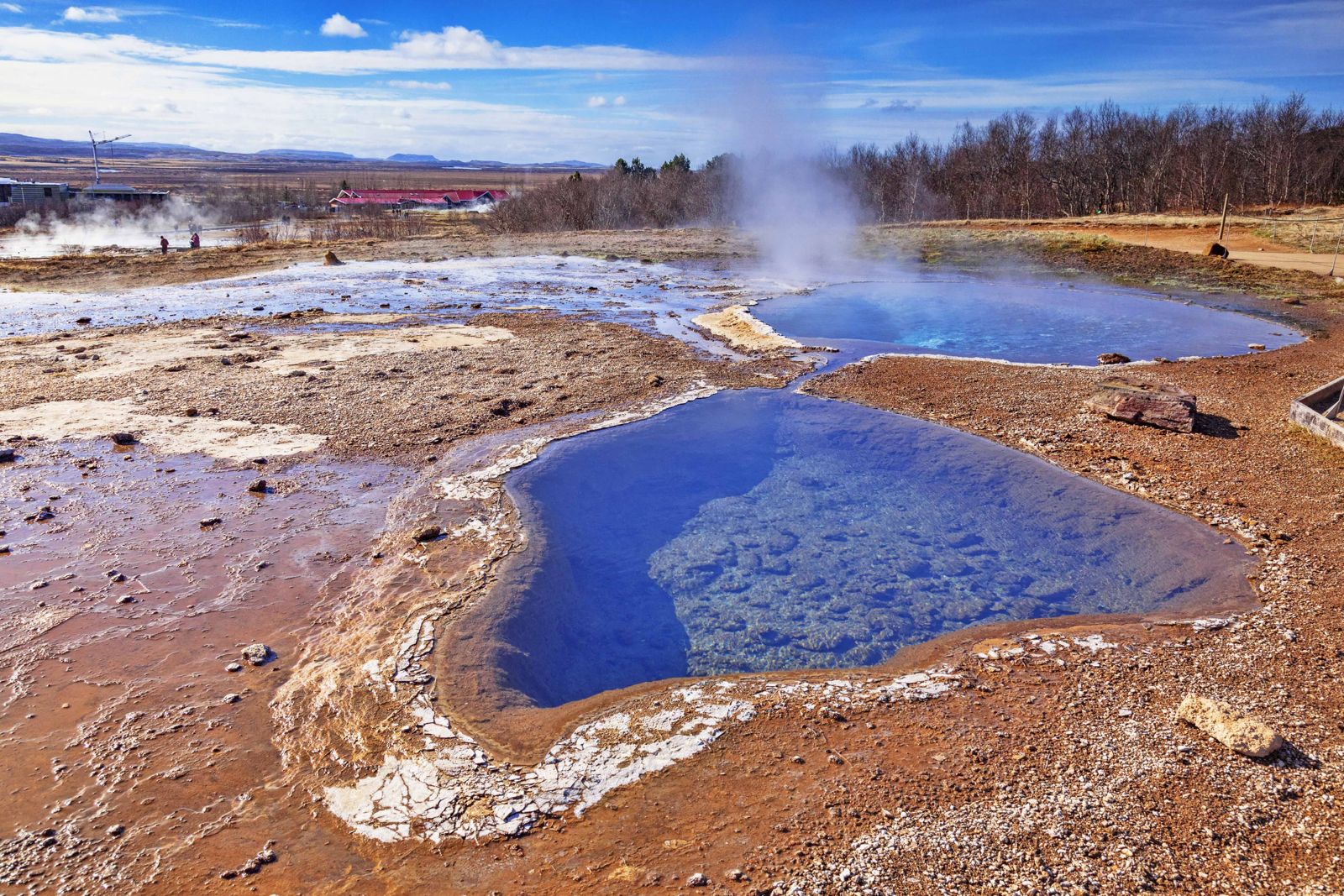
The wider geothermal field around Strokkur has bubbling mudpots, steaming vents and mineral-stained ground, all fed by the same underground heat that powers much of Iceland. A raised boardwalk keeps visitors at a safe distance from the hottest pools while still giving a close view of the eruptions.
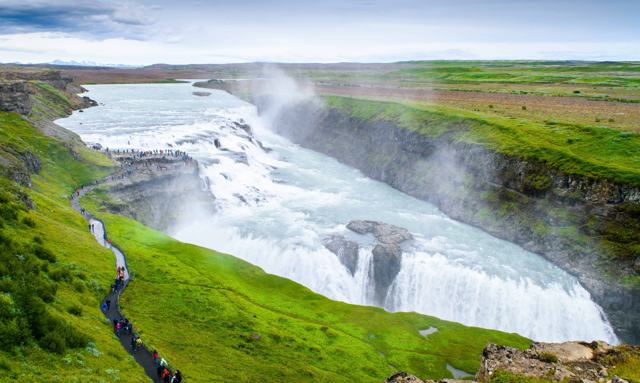
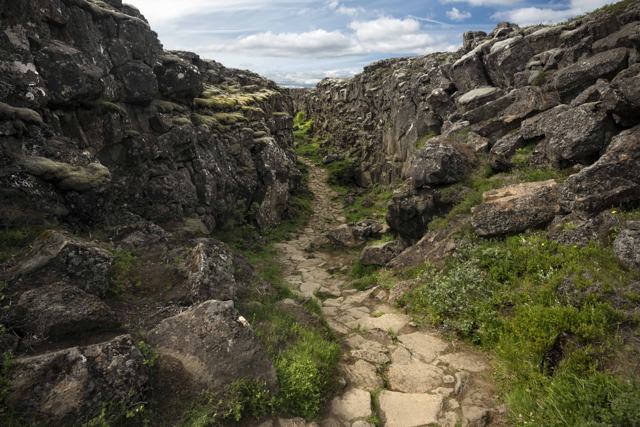
Geysir lies in the Haukadalur valley and is one of the three classic stops on the Golden Circle, together with Þingvellir National Park and Gullfoss waterfall. That makes it an easy day trip from Reykjavík, with or without a guide. Paths and boardwalks lead between the hot springs, and signs along the way explain the history and geology of what you are looking at.
The English word “geyser” comes directly from Geysir, a name taken from the Icelandic verb geysa, to gush. Hot springs in Haukadalur are described in a chronicle for the year 1294, when earthquakes opened new springs in the valley, and the name Geysir itself appears in writing in 1647. For a long time the Great Geysir was famous across Europe as a natural wonder, drawing early travellers to this remote valley long before the Golden Circle existed as a tourist route.
At its strongest, Geysir was one of the tallest geysers in the world. An eruption in 1845 is recorded at 170 metres, and eruptions of 70–80 metres followed an earthquake in 1896. Its activity has always come and gone with the earthquakes that open and close the channels underground. After the South Iceland earthquakes of 2000 it erupted for two days, reaching about 122 metres, and then went quiet again. Today it is largely dormant.
Strokkur, first described in 1789, was cleared and reopened after a blockage, and today is the far more dependable performer of the two. The Geysir area passed through private hands, including foreign owners, before it was given to the Icelandic nation in 1935.
The Great Geysir rarely stirs, so Strokkur, about 50 metres to the south, is the one everyone waits for.
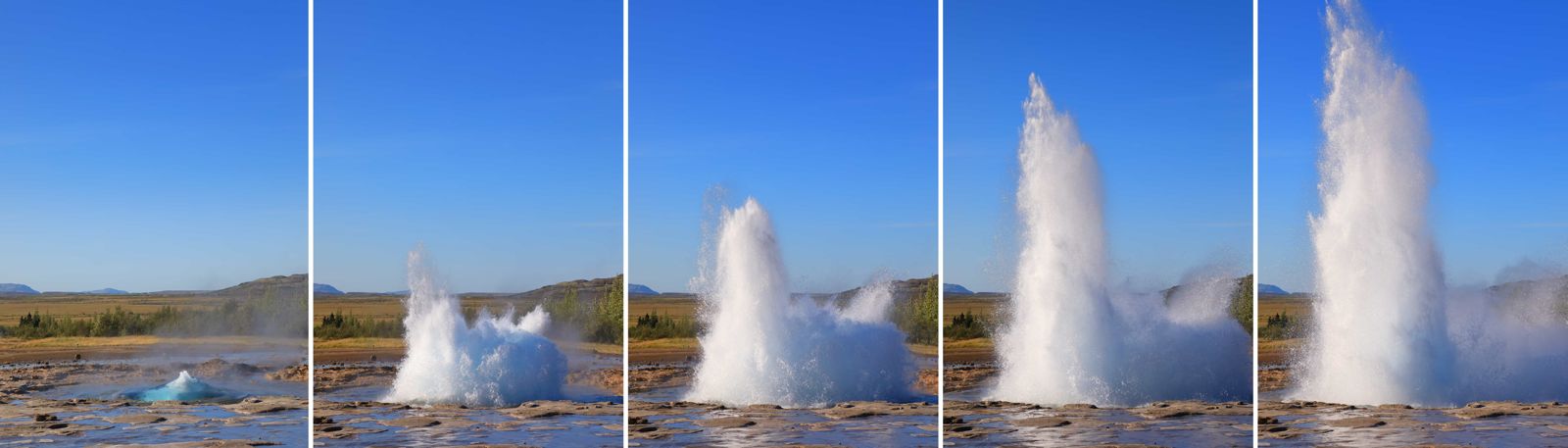
Strokkur erupts every 5 to 10 minutes, usually to 15–20 metres and occasionally much higher, so you never have to wait long and you can easily watch several eruptions in one visit. That reliability also makes it a favourite with photographers.
Watch the pool before each eruption. The water rises and falls, begins to bubble, then swells into a blue dome for a split second before a jet of steam and boiling water bursts through it. People gather behind the rope around the basin to wait for that moment. Sometimes two or three eruptions follow each other in quick succession, so do not walk away after the first one.
There is more here than the two famous geysers. The field has around thirty smaller geysers and hot pools, plus steam vents and mud pots. Allow time to walk the whole loop.
Geysers are rare. They only form where volcanic heat, plenty of groundwater and the right kind of narrow underground channel come together.
After the eruption the channel refills with water and the cycle starts again. At Strokkur that takes a few minutes. At other geysers it can take hours, days or, as with the Great Geysir, years.
The water in the springs is at or close to boiling, around 80–100°C at the surface and hotter below, and the crust around the pools can be thin and unstable. Visitors have been burned by testing the water with a hand or stepping off the path.
Stay on the marked paths and behind the ropes, follow the signs, and keep children close. Stand upwind of Strokkur if you want to stay dry. Do not throw coins, stones or anything else into the springs: it damages them and can block the vents.
Strokkur erupts reliably in any season, so there is no wrong time of year to see it.
There is a large visitor centre with a café, restaurant, gift shop and toilets across the road from the geothermal field, and a hotel next to the site for those who want to stay the night. Paths and boardwalks with information signs run through the area.
There is a hotel right beside the geothermal area. The villages of Reykholt, Flúðir and Laugarvatn, all within a short drive, also have hotels and guesthouses convenient for the Golden Circle.
The Great Geysir itself erupts rarely, sometimes only after earthquakes. Strokkur, nearby, erupts reliably every 5–10 minutes and is what most visitors watch.
No entry fee, but the car park charges around ISK 1,000 per vehicle.
About 100 km, or around 1 hour 30 minutes by car.
Stay behind the ropes on the boardwalk. Boiling water can splash out further than expected during an eruption.
Every 5 to 10 minutes, all year round. Eruptions usually reach 15–20 metres and are sometimes higher.
Geysir, or the Great Geysir, is the original geyser that all others are named after. It is now mostly dormant. Strokkur is its neighbour, about 50 metres away, and is the one that erupts every few minutes.
Close to boiling, around 80–100°C at the surface. Never touch the water or step off the paths.
Any time of year. Summer has long daylight and green surroundings; winter has fewer people, more visible steam and a chance of northern lights after dark.
Tours and trips that include Geysir, booked directly with a local travel agency in Iceland.
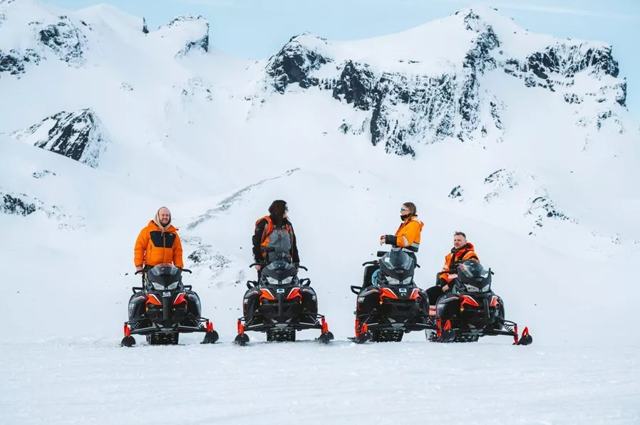 DAY TOURSnowmobile & Ice Cave on Langjokull glacierFrom 38,990 ISK per person
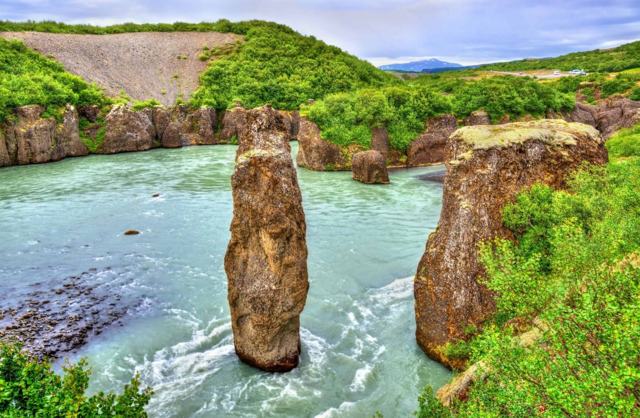 PRIVATEGolden Circle Private TourFrom 120,000 ISK per group
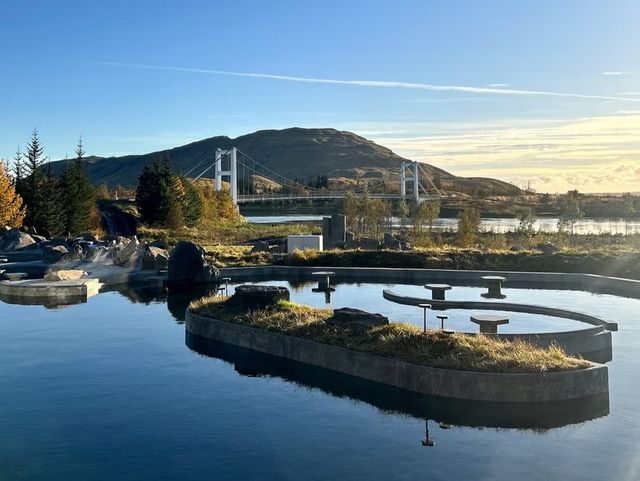 PRIVATEPrivate Golden Circle & Laugarás Lagoon TourFrom 159,000 ISK per group
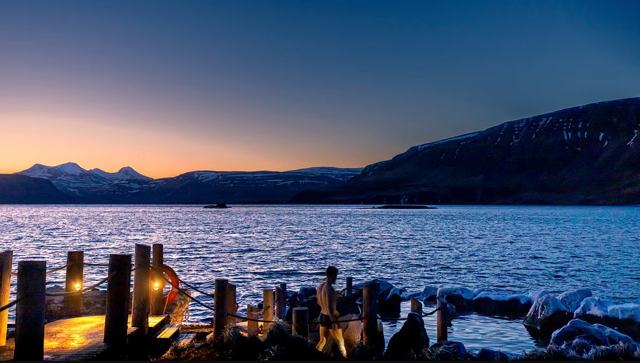 PRIVATEGolden Circle and HvammsvikFrom 165,800 ISK per group
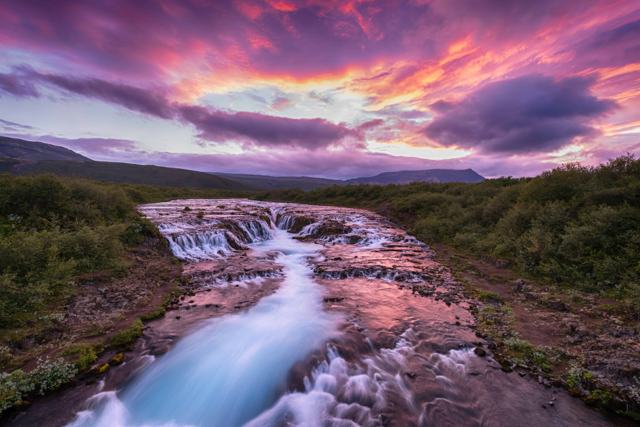 DAY TOURGolden Circle Tour: Small-Group Tour from Reykjavik with Brúarfoss & KeriðFrom 12,927 ISK per person
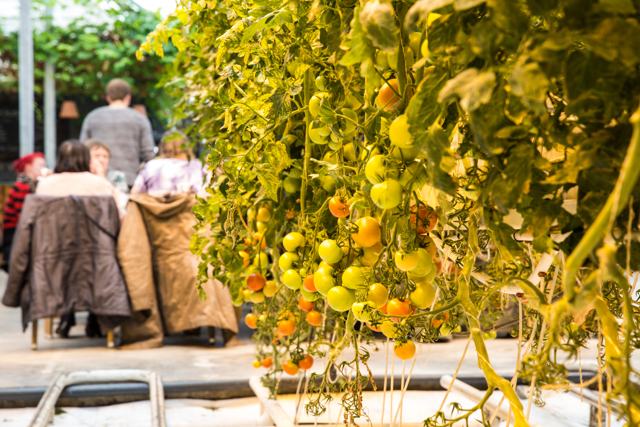
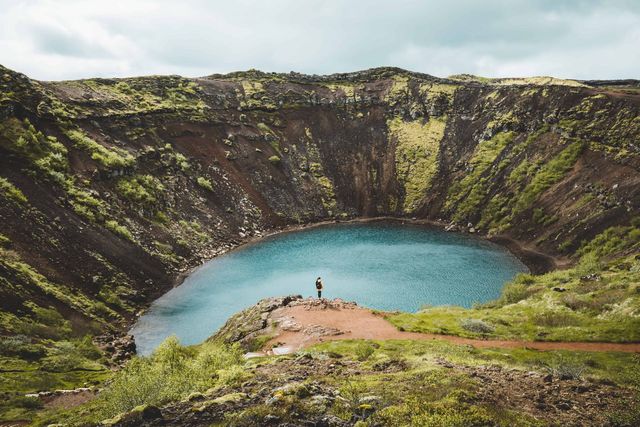 DAY TOURGolden Circle, Kerið Crater & Friðheimar Tomato FarmFrom 15,490 ISK per person