Iceland Travel GuideLOCAL TRAVEL AGENCY IN ICELAND
My trip
Talk to a local
Iceland Travel GuideLOCAL TRAVEL AGENCY IN ICELAND
My trip
Talk to a local
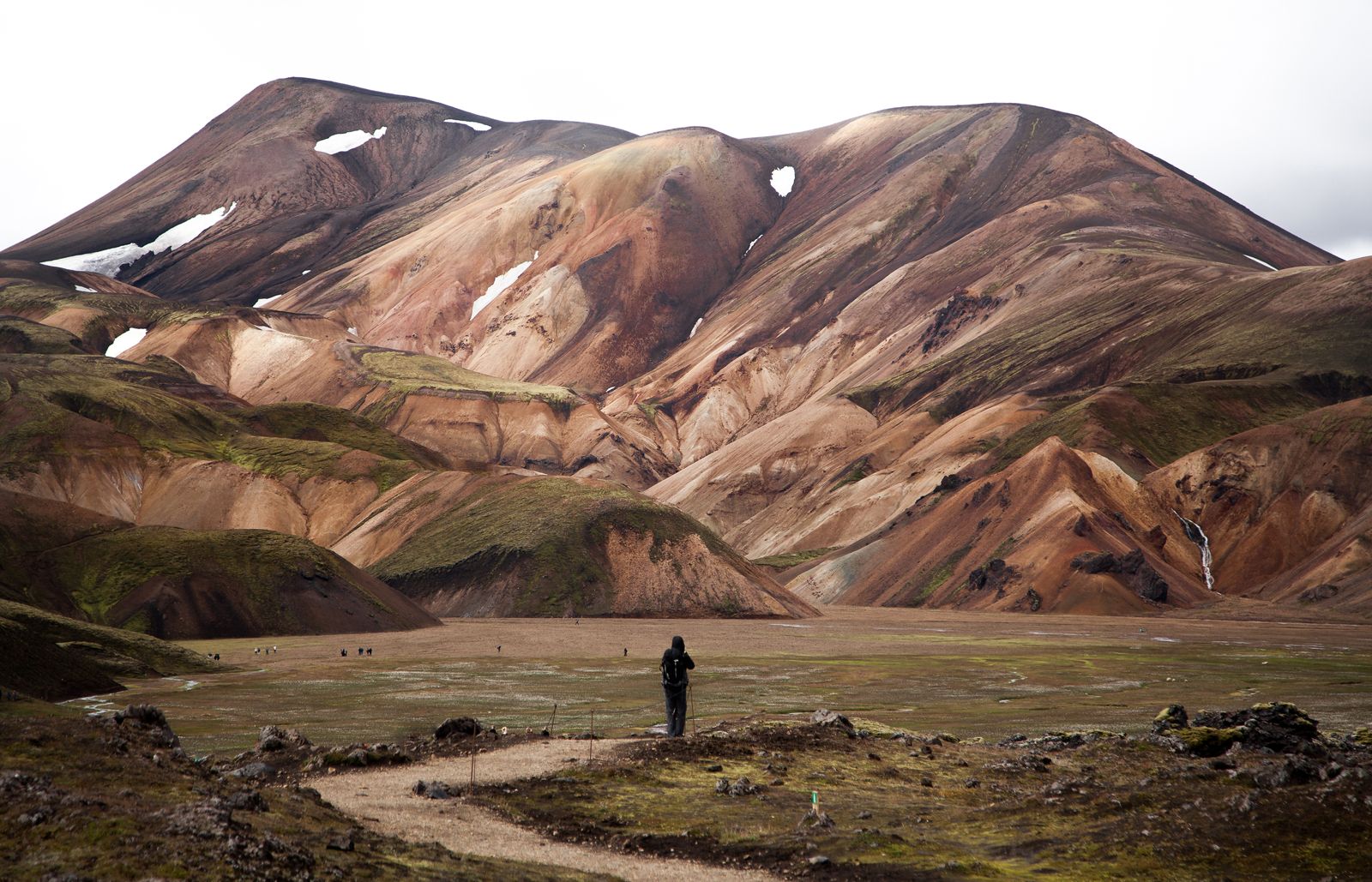
Landmannalaugar is a geothermal area in Iceland's southern highlands, inside the Fjallabak Nature Reserve, known for colourful rhyolite mountains, black lava fields and a natural hot spring. It is about 185 km from Reykjavík, reached only by F-roads from about late June to early September, so most people go by 4×4, highland bus or a guided day tour of 11–14 hours. Entry is free, but private cars pay a service fee and must book parking in the daytime in summer.
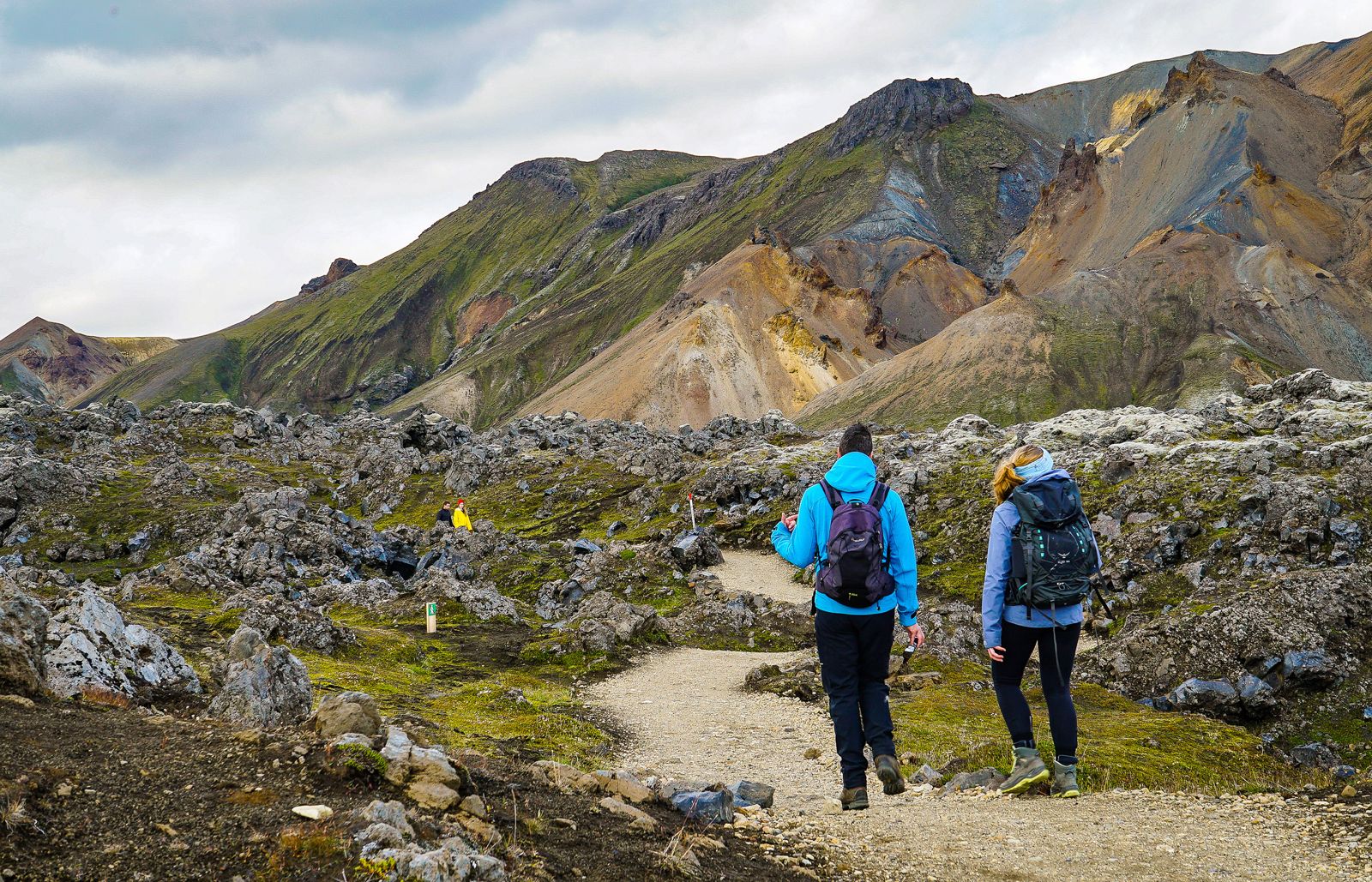
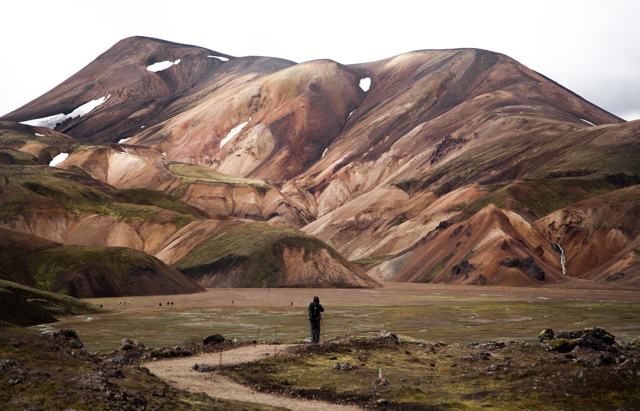
Landmannalaugar is often described as one of the most beautiful parts of the Icelandic highlands, and the colours are the reason why. The surrounding mountains are rhyolite, a rock that weathers into shades of pink, green, yellow and orange rather than the black basalt seen across most of the country. Add the black obsidian of the Laugahraun lava field, blue-green crater lakes and steaming ground, and it is a different landscape from anything on the coast.
The natural hot spring beside the huts is the best-known feature. A hot geothermal stream mixes with cold water, so the pool is usually around 36–40°C, warmer near the inflow and cooler further away, and bathers can find a spot that suits them. It is free to use, with simple changing facilities and toilets nearby.
Landmannalaugar is also the start of the Laugavegur trail, one of Iceland's best-known multi-day hikes, which runs about 55 km south to Þórsmörk over 3–4 days. You don't need to hike the whole route to enjoy the area: there are short walks across the lava field and half-day climbs such as Bláhnúkur and Brennisteinsalda. The season is short, roughly late June to early September, so plan and book early.
The name Landmannalaugar means roughly "the people's pools", after the natural bathing spot that has drawn travellers and farmers on horseback across these highlands for centuries, long before hiking tourism existed. Sheep farmers still use routes through this area for the autumn round-up, réttir, a tradition that continues alongside the modern hiking season.
The colourful rhyolite hills owe their range of shades to the way this rock, rich in silica, weathers and oxidises differently to Iceland's more common basalt, which is why this small pocket of the highlands looks so different from the black sand and lava plains nearby.
River crossings change with rain and snowmelt and can be dangerous. If in doubt, don't cross: turn back, wait, or come on a tour with a driver who crosses these rivers every day.
Hiking is the main reason people come. The trails start at the huts, are marked with coloured stakes, and there is a route for almost any level of fitness and time available.
Many hikers link Bláhnúkur and Brennisteinsalda into one longer loop that returns through the Laugahraun lava. No two days look the same here: low cloud, fresh snow patches and evening sun all change the colours.
Weather in the highlands can change very quickly. Check the forecast and trail conditions before setting out on anything beyond a short walk.
The bathing pool is a few minutes from the huts, along a wooden boardwalk across the wet meadow. Hot water runs out from under the edge of the Laugahraun lava and meets a cold stream, and the two mix in a shallow, gravel-bottomed pool. The water is usually between 36 and 40°C, warmer close to the hot inflow and cooler downstream, so you move around until you find your spot.
It is at its best after a hike. You sit in the stream with the lava wall behind you and the coloured hills in front, and tired legs recover quickly. There is no fee and no staff, only a simple platform for changing, so bring a swimsuit and towel and keep your things in a dry bag.
Rinse off at the campsite showers before bathing if you can, and never use soap in the pool. It drains straight into the stream.
F-road opening dates depend on snowmelt and are set each year by the Road and Coastal Administration; check umferdin.is before travelling.
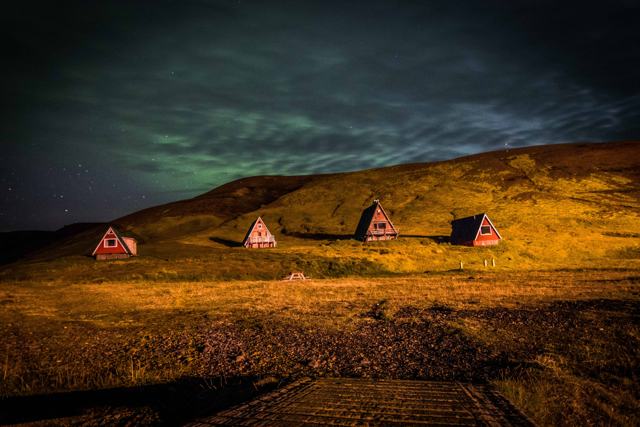
The Iceland Touring Association runs a summer campsite and mountain hut with toilets and showers, and there is a small shop in peak season. Toilets are open 24 hours and are covered by the service fee. There is no fuel here; fill up at Hrauneyjar or in Hella before you go.
In summer you can camp or book a bed in the Iceland Touring Association hut at Landmannalaugar. Most visitors stay in South Iceland around Hella, Selfoss or Hvolsvöllur and visit on a day tour; hotels in this area can be added to your trip in our trip planner. Our 8-Day Tour Around Iceland includes Landmannalaugar by super jeep on its last day in summer.
No. The access roads are F-roads, and rental contracts do not allow 2WD cars on them. You need a 4×4, the highland bus or a guided tour.
The F-roads usually open in late June and close in early or mid-September, depending on snow. Exact dates are set each year.
Yes, the hot spring is free. Private vehicles pay a parking service fee, and our day tours include the facility fee.
Yes, if you drive your own car and arrive between 9:00 and 16:00 from 20 June to 13 September 2026. Book on parka.is. Tour and bus passengers do not need to book.
About 185 km, or around 4 hours each way by 4×4. Day tours from Reykjavík take 11–14 hours including stops and hiking.
Yes. Our day tours by minibus or super jeep run from June to September, with a guided hike and time in the hot spring.
Coverage is limited in the highlands, so download maps before you go and do not rely on it for navigation.
Tours and trips that include Landmannalaugar, booked directly with a local travel agency in Iceland.
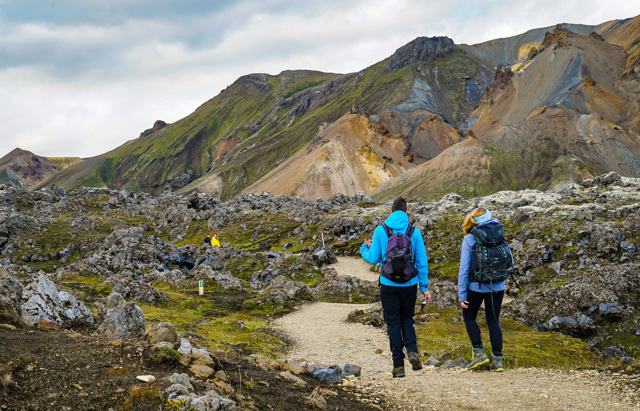 DAY TOURLandmannalaugar Tour from ReykjavikFrom 27,990 ISK per person
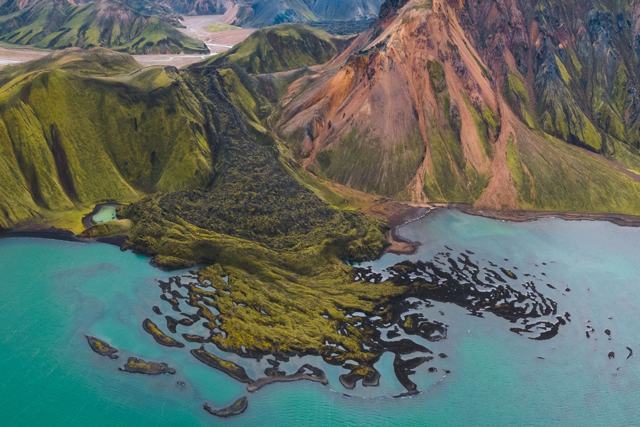 DAY TOURLandmannalaugar Super Jeep Tour from ReykjavíkFrom 46,125 ISK per person
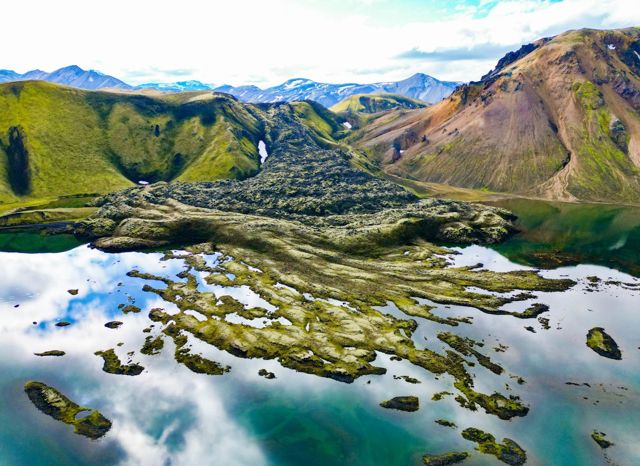 PRIVATELandmannalaugar Private Tour in IcelandFrom 207,000 ISK per group
 DAY TOURLandmannalaugar Hiking Tour from ReykjavikFrom 25,990 ISK per person
 MULTI-DAY8 Day Tour Around IcelandFrom 389,990 ISK per person
 DAY TOURLandmannalaugar Super Jeep Tour From HellaFrom 44,990 ISK per person