Iceland Travel GuideLOCAL TRAVEL AGENCY IN ICELAND
My trip
Talk to a local
Iceland Travel GuideLOCAL TRAVEL AGENCY IN ICELAND
My trip
Talk to a local
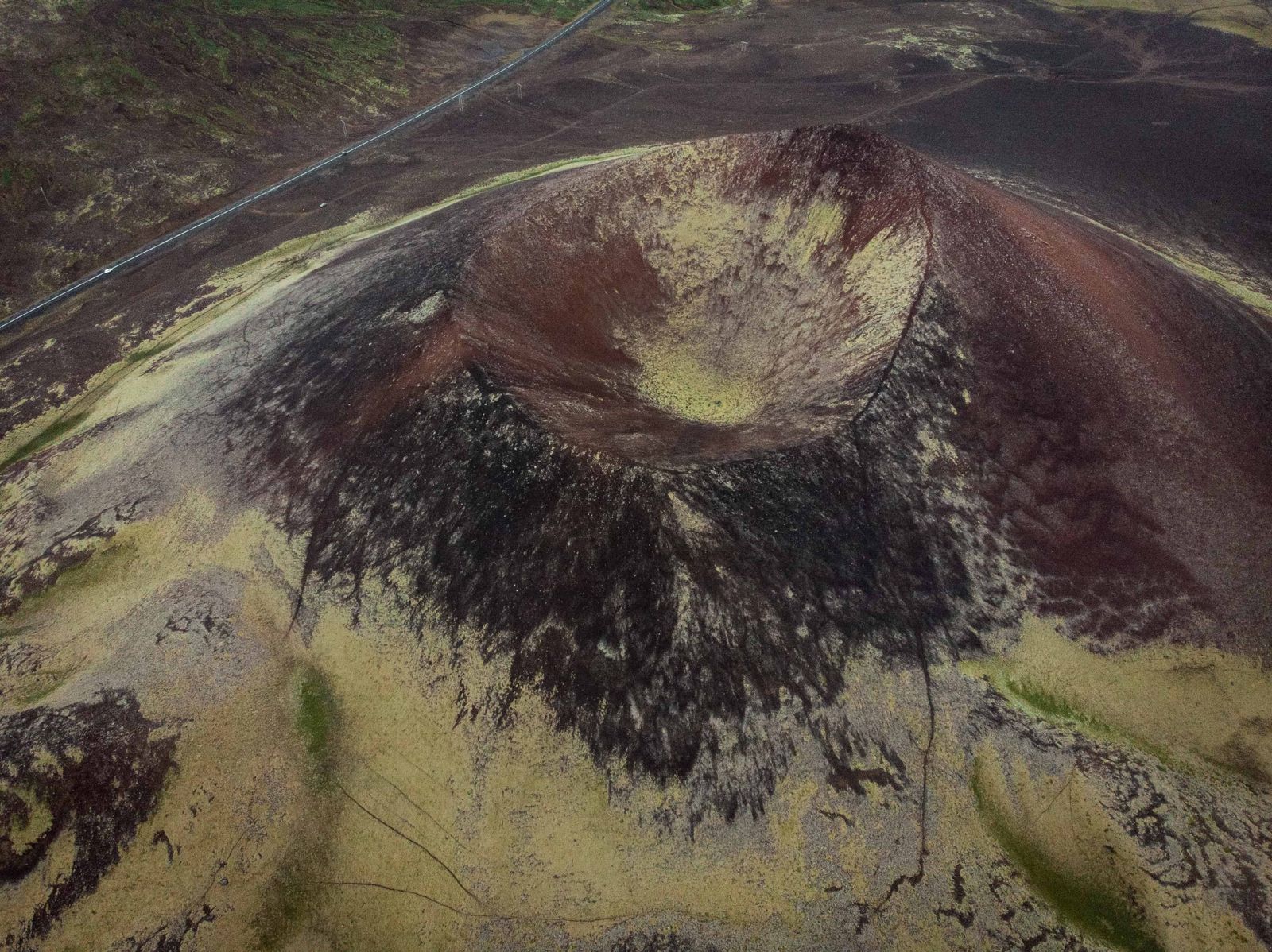
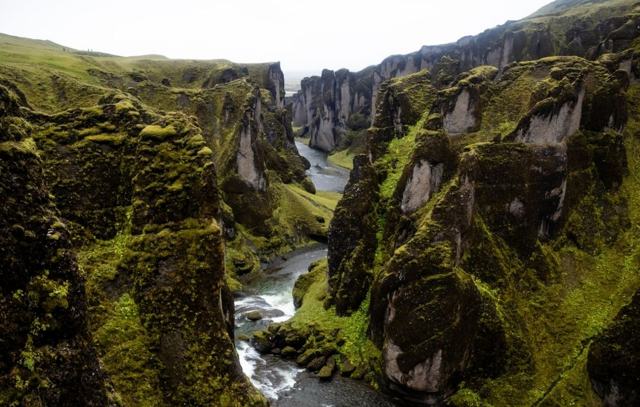
Eldgjá (“Fire Canyon”) is a huge volcanic fissure in the southern Highlands of Iceland, with a main canyon of about 8.5 km. It is reached by the F208 mountain road, which is open only in summer and only for 4x4 vehicles with river crossings. It is free to visit, and most people spend a few hours here, including the walk to Ófærufoss waterfall.
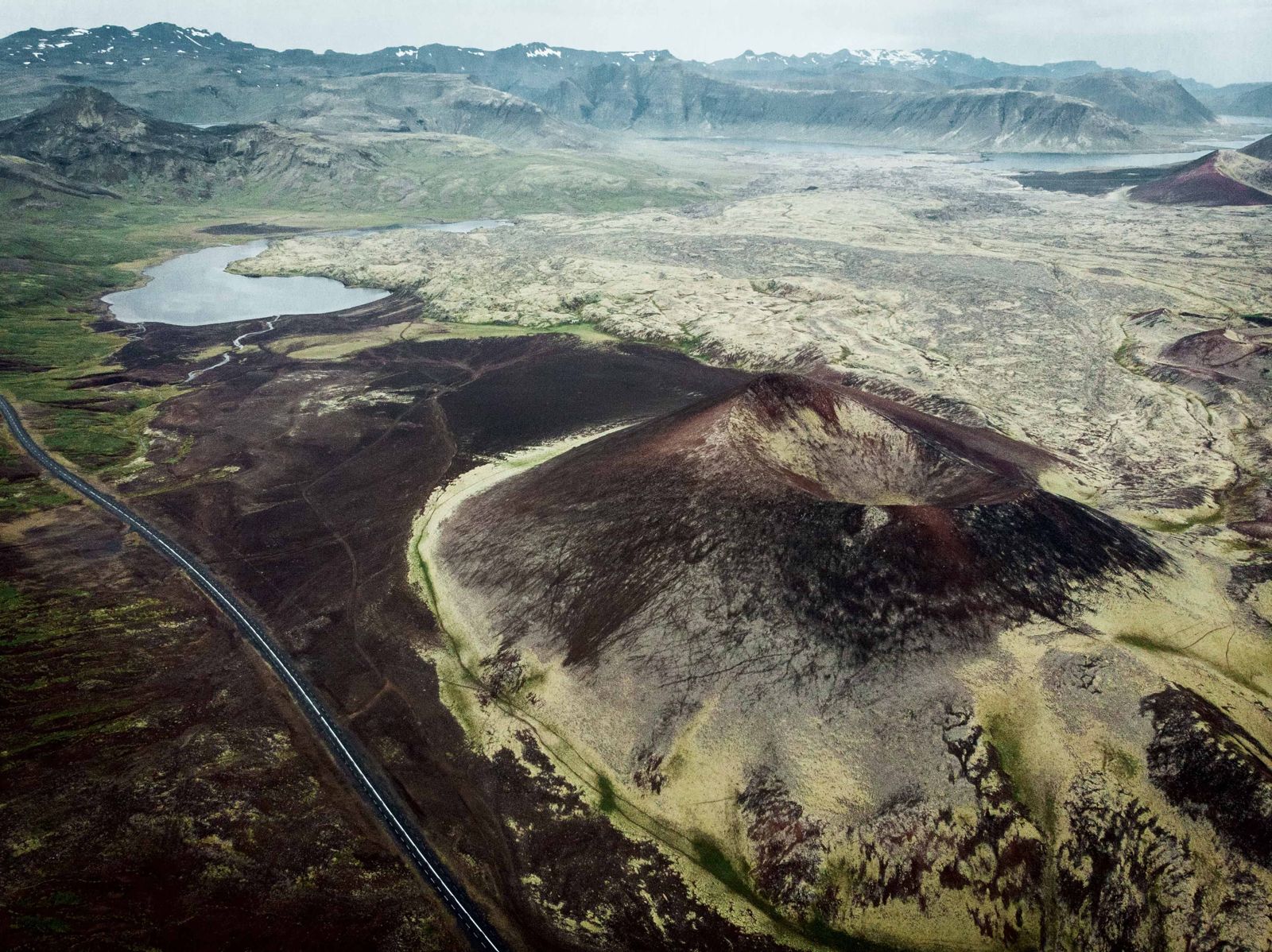
Eldgjá is the biggest volcanic canyon in the world. It is part of a fissure system that runs for around 70 km from the Katla volcano under Mýrdalsjökull towards Vatnajökull. The most striking part is a canyon about 8.5 km long, up to about 600 metres wide and around 150 metres deep, with steep walls of black and red rock.
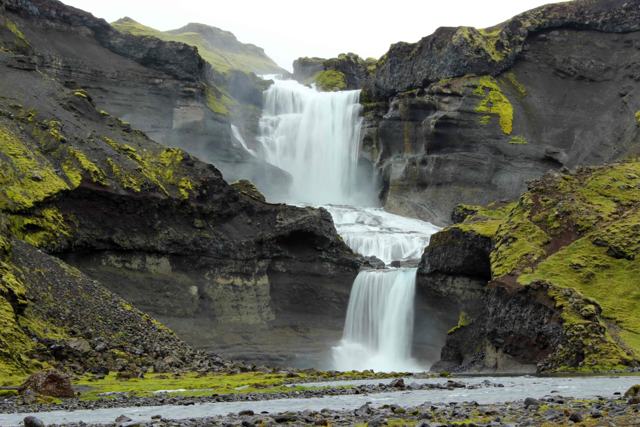
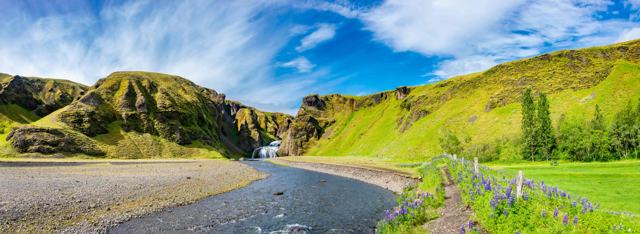
The main attraction is Ófærufoss, a two-tiered waterfall where the river Nyrðri-Ófæra pours into the canyon. Until 1993 a natural stone arch spanned the top of the lower fall. It collapsed into the river, and today only the falls remain. You walk along the canyon floor from the car park to reach it, and it is well worth the effort.
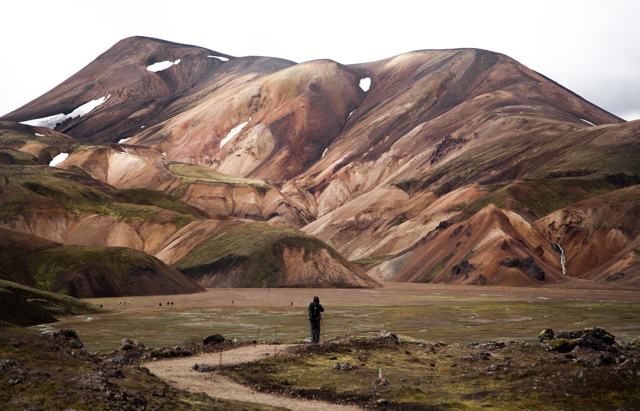
Eldgjá is remote. The road in is rough, and there are no services. But if you have the right vehicle or a guide, it is one of the most impressive places in the Highlands, and it is far quieter than Landmannalaugar next door.
Eldgjá erupted around 939 AD, in one of the largest volcanic events in Iceland’s history. Two lava fields covered about 780 km², and the lava, some 18.6 cubic kilometres, was the biggest flow of the last 1,100 years. The eruption is thought to have had effects far beyond Iceland.
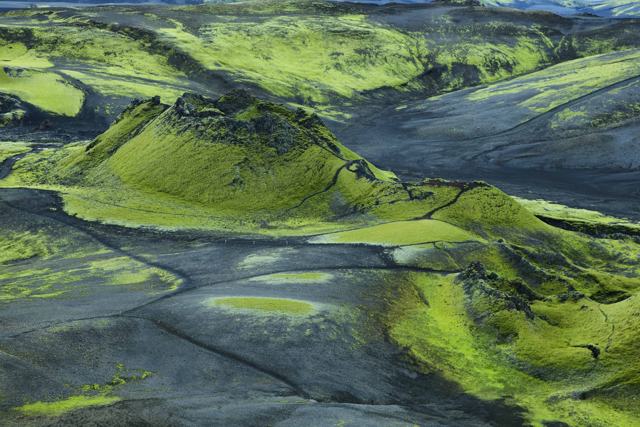
The lava flows from Eldgjá and from the 1783–1784 Laki eruption are among the largest since the ice age. The area is part of Katla UNESCO Global Geopark, and Laki lies to the north-east.
F-roads are closed in winter and typically open around June, depending on snow and river levels. Always check road.is and umferdin.is for the current status before you drive. Rental car insurance usually does not cover river crossings or F-roads unless stated.
There are basic facilities near the parking area (information and picnic areas run by the Katla Geopark and national park). Do not rely on a café, shop or fuel. Bring food, water and spare clothes.
Stay in Kirkjubæjarklaustur or Vík on the Ring Road, or camp at the highland huts and campsites in Fjallabak. Book early, since options are limited in summer.
“Fire Canyon”. It is named after the fissure that opened in the eruption around 939 AD.
The main canyon is about 8.5 km long, up to about 600 m wide and around 150 m deep. The whole fissure system is about 70 km long.
Yes. F208 is a mountain road that needs a 4x4, and it has river crossings.
Only in summer, when F208 opens. The road is closed in winter.
A two-tiered waterfall that flows into the canyon. It is the best-known sight at Eldgjá and a short walk from the car park.
Drive the Ring Road along the south coast, turn onto Route 208 (Skaftártunguvegur) west of Kirkjubæjarklaustur and continue on F208 until the signposted turn to Eldgjá and Ófærufoss. It takes about 4 hours and needs a 4x4.
It is usually described that way. The canyon is part of a 70 km long eruptive fissure, and the eruption around 939 AD produced the largest lava flow on Earth in historical times.
Tours and trips that include Eldgjá, booked directly with a local travel agency in Iceland.