Visiting Iceland for the first time is easy if you plan around three things: the season, the weather and the distances. Summer gives long days and open roads, winter gives the Northern Lights and ice caves, and the Golden Circle and South Coast suit almost every first trip. This guide covers the basics, our top 10 tips from locals, the sights not to miss and a simple 7-day plan you can book as it is.


Prefer to drive yourself? See our self-drive trips, with car and hotels booked for you.
Why visit Iceland
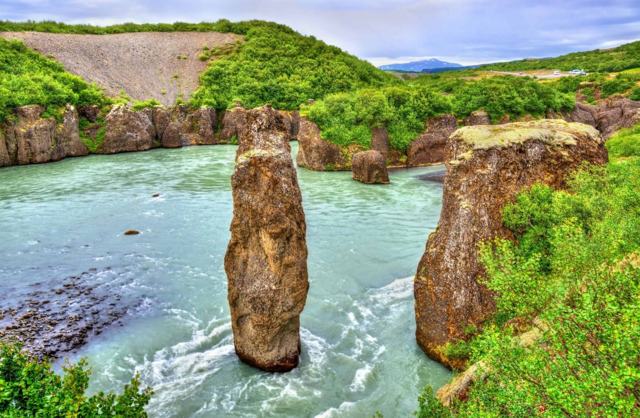
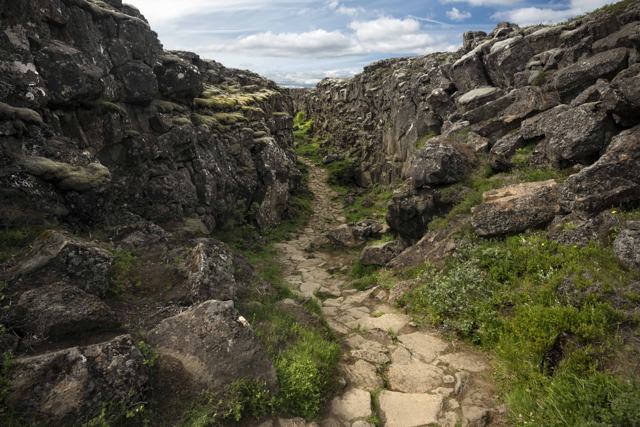
Iceland packs a lot into a small country. You can see waterfalls, black sand beaches, glaciers, lava fields and active geothermal areas in a single day's drive from Reykjavík. You can walk between two tectonic plates at Þingvellir, soak in hot springs all year and, from autumn to spring, watch the Northern Lights.
There is history and culture too: the Viking-age settlers, the sagas, turf houses and a lively capital. And Iceland is one of the safest countries in the world, which makes it a good first trip for families and solo travellers. Read more in why Iceland is so safe.
10 tips for your first trip to Iceland
- Book the big things early. Ice caves, glacier hikes, popular lagoons and countryside hotels fill up, especially in summer and over Christmas and New Year.
- Check the weather and the roads every day. Use vedur.is for the weather and umferdin.is for the roads, and be ready to swap the order of your days.
- Don't try to see everything. The Golden Circle, the South Coast and Snæfellsnes are plenty for a first week. The full Ring Road needs at least 7 days, and more in winter.
- Dress in layers, not one big coat. A thermal base layer, a fleece and a waterproof shell work in every season. Bring a hat and gloves even in summer.
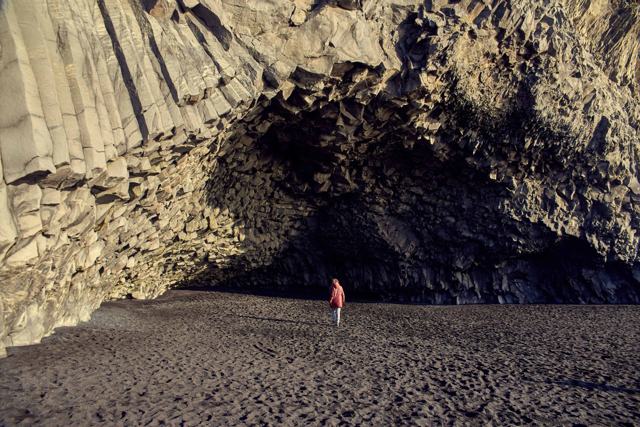
- Respect the beaches. At Reynisfjara and other black beaches, stay well back from the water. Sneaker waves come further up than you expect.
- Stay on marked paths. Moss takes decades to grow back, and glaciers and ice caves must only be visited with a certified guide.
- Fuel up when you can. Outside the south, petrol stations can be far apart. Many pumps need a card with a PIN.
- You don't need cash. Cards are accepted almost everywhere, including small cafés and toilets.
- Tap water is some of the cleanest in the world. Bring a bottle and refill it. Hot water can smell of sulphur, but it's safe.
- Plan around the light. In December you get about 4–5 hours of daylight, in June almost 24. Plan your driving for the light, and your Northern Lights nights for the dark.
When to visit Iceland
There is no bad time to go, but each season gives a very different trip.
- Summer (June to August): mild weather, the midnight sun and the best access. Highland roads usually open from late June, and puffins nest on the coast. It is also the busiest and most expensive time.
- Winter (November to February): short days, snow and the best dark skies for the Northern Lights. Natural ice caves are open in the coldest months. Some mountain roads close, and driving takes more care.
- Shoulder seasons (March to May, September to October): fewer crowds, lower prices and a good mix of daylight and dark nights. September and March are good months for the aurora.
Arriving: Keflavík Airport to Reykjavík
Almost all international flights land at Keflavík Airport, about 50 kilometres from Reykjavík, which is roughly a 45 to 50-minute drive. You can pick up a rental car at the airport, take the airport bus to the BSÍ terminal in Reykjavík, take a public bus or a taxi. See our guide on how to get from Keflavík Airport to Reykjavík.
If you are not from the EU, EEA or Schengen area, you now register at automated kiosks under the European Entry/Exit System instead of getting a passport stamp. It has been fully in place since April 2026. Allow extra time at border control in the busy months. If you land early in the morning, read what to do if you arrive early.
Getting around: self-drive or tours
Renting a car gives you the most freedom. Route 1, the Ring Road, circles the whole island for about 1,300 kilometres and is paved all the way. Many side roads are gravel, and there are single-lane bridges, sheep on the road and strong winds. Mountain roads marked F are for 4×4 vehicles only and are closed most of the year.
Since 1 January 2026 Iceland charges a per-kilometre road fee on all cars. Rental companies pass this on, either as a daily charge or per kilometre, so check the terms when you book. Many popular sights also charge a parking fee, usually paid by app or at a machine.
If you would rather not drive in snow, wind or darkness, guided tours are the easy option. Day tours from Reykjavík cover the main sights, and multi-day tours take you around the country with a driver-guide. Look at our self-drive trips, multi-day trips and Iceland tours. Public buses exist but are limited outside the capital; see our public transport guide.
How many days do you need
With 3 to 4 days you can see Reykjavík, the Golden Circle and the South Coast. A week lets you reach Jökulsárlón and add Snæfellsnes or a lagoon day. You need 8 to 10 days or more to drive the whole Ring Road without rushing. Our guide to how many days in Iceland goes into more detail, and common itinerary mistakes will save you time.
Where to stay
Options range from city hotels and guesthouses to farm stays, cabins, campsites, campervans in summer and more unusual places such as glass lodges and bubble hotels. See our guide to bubble and igloo hotels, or camping in Iceland for summer.
Accommodation in the countryside is limited, especially along the South Coast in summer. Book early, and try to plan your route before you book rooms.
What to pack
The weather changes quickly in every season, so pack layers rather than one heavy coat.
- Waterproof, windproof jacket and trousers
- Thermal base layers and a wool or fleece mid-layer
- Waterproof walking boots with good grip
- Hat, gloves and a scarf, even in summer
- Swimwear and a quick-dry towel for hot springs
- Sunglasses, for low sun and for glare off snow and ice
- A reusable water bottle, as tap water is excellent
- An eye mask in summer and ice grips for your shoes in winter
Top sights for first-time visitors
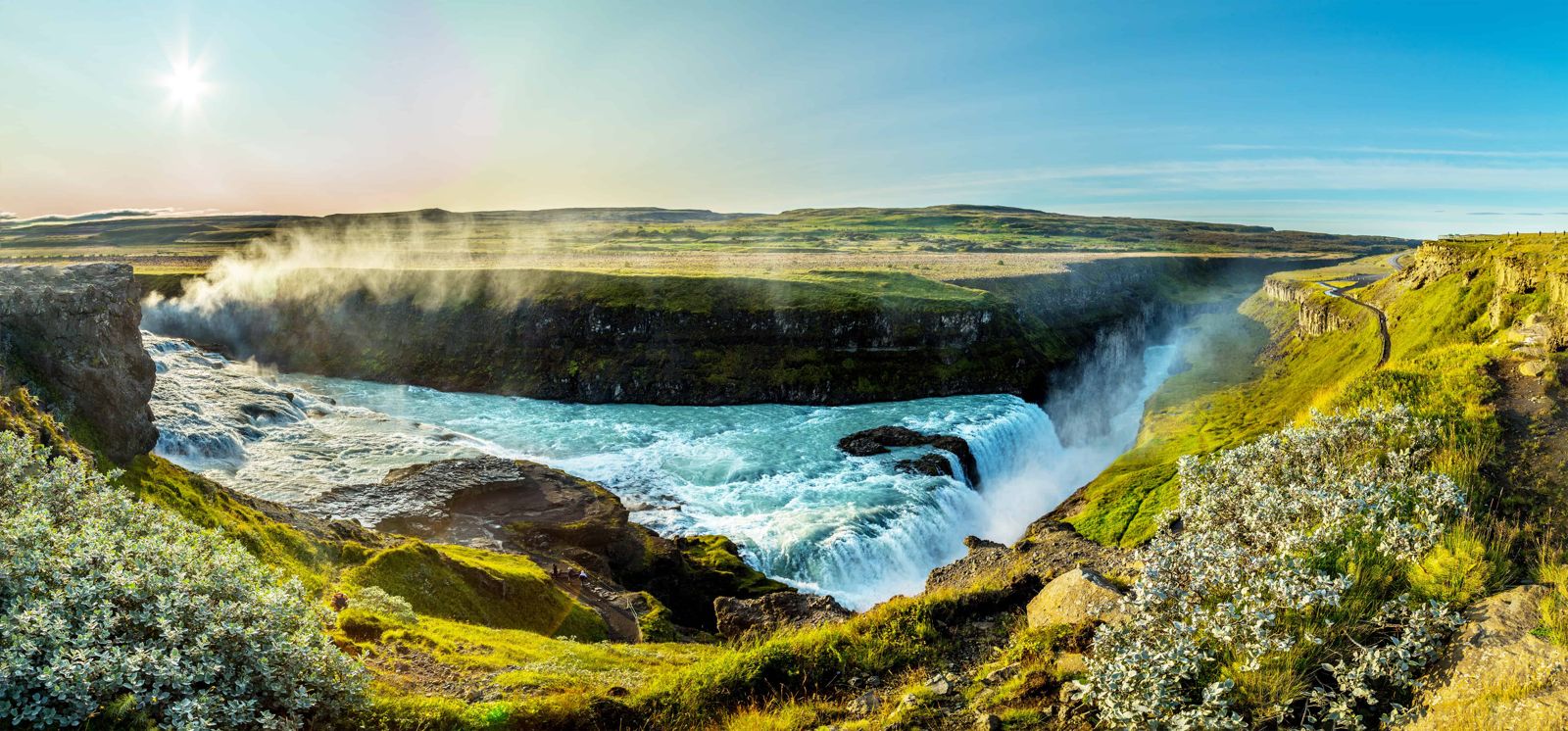
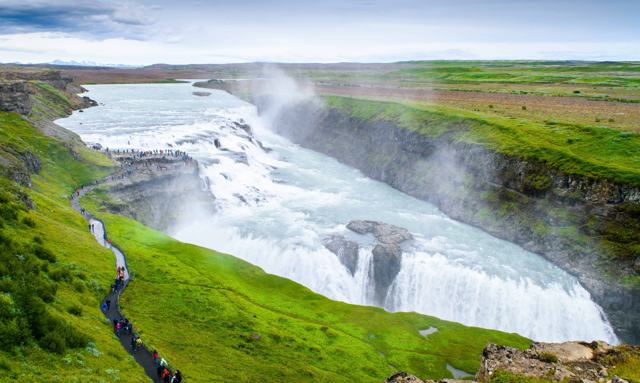
- The Golden Circle: Þingvellir National Park, a UNESCO World Heritage Site, the Geysir geothermal area, where Strokkur erupts every few minutes, and Gullfoss. See our Golden Circle tours, or the Golden Circle private tour with your own local guide.
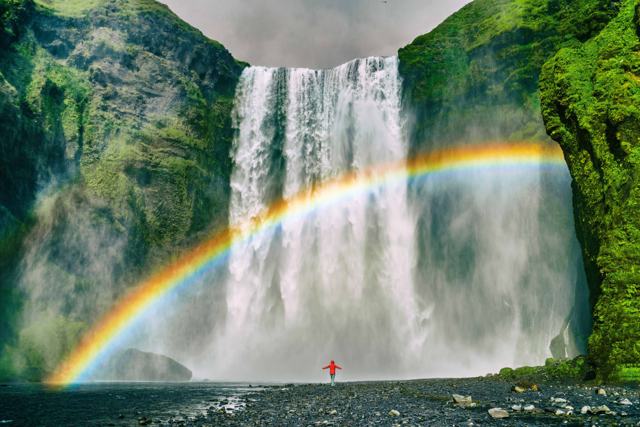
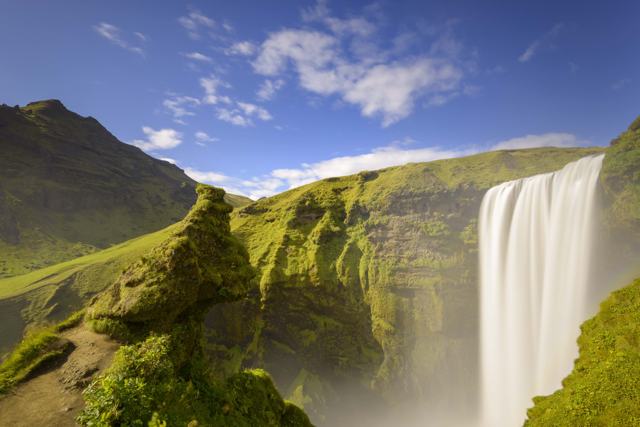
- The South Coast: Seljalandsfoss, Skógafoss, Reynisfjara and the village of Vík. See our South Coast tours.
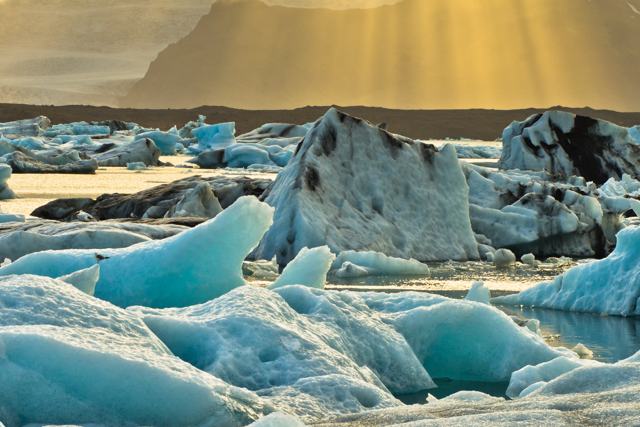
- Jökulsárlón: the glacier lagoon, full of icebergs, and Diamond Beach across the road. Read the glacier lagoons in Iceland. Our 2 Day South Coast Tour takes you there over two days without the long drive.
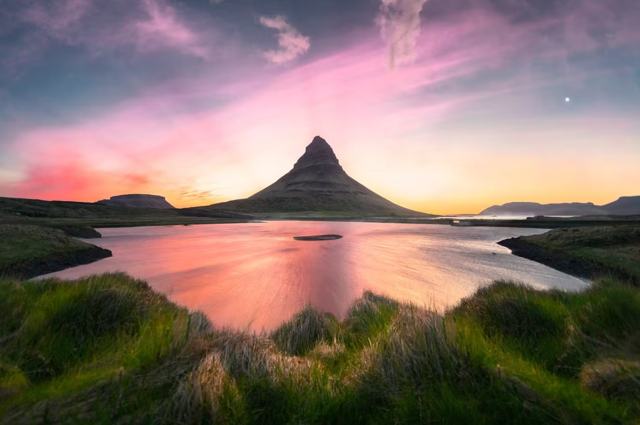
- Snæfellsnes Peninsula: often called Iceland in miniature, with Kirkjufell, Snæfellsjökull, the glacier-capped volcano where Jules Verne set the start of Journey to the Centre of the Earth, lava fields and fishing villages. See our Snæfellsnes tours.
- North Iceland: Akureyri, the largest town outside the capital area, Lake Mývatn with its geothermal areas, birdlife and lava formations, and Húsavík for whale watching.
- The Westfjords: remote and quiet, with Dynjandi and the Hornstrandir Nature Reserve, home to Arctic foxes. Best visited in summer.
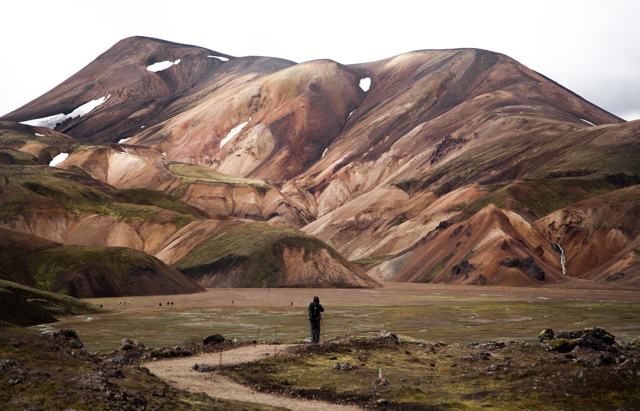
- The Highlands: open only in summer, with the coloured mountains of Landmannalaugar and the green valleys of Þórsmörk. A 4×4 or a highland tour is needed.
- The Westman Islands: a short ferry ride from the south coast, with large puffin colonies in summer and the story of the 1973 Eldfell eruption, which reshaped the main island, Heimaey. See the Westman Islands guide.
- The Ring Road: Route 1 circles the island for about 1,300 kilometres and links most of the places above, passing waterfalls, glaciers, lava fields, fjords and small towns. You can drive the whole loop or just one section, such as the South Coast.
Experiences worth booking
- Northern Lights: the season runs from about September to April. You need dark, clear skies away from town lights, so head out into the countryside and check the aurora and cloud forecasts on vedur.is. See our Northern Lights guide and Northern Lights tours.
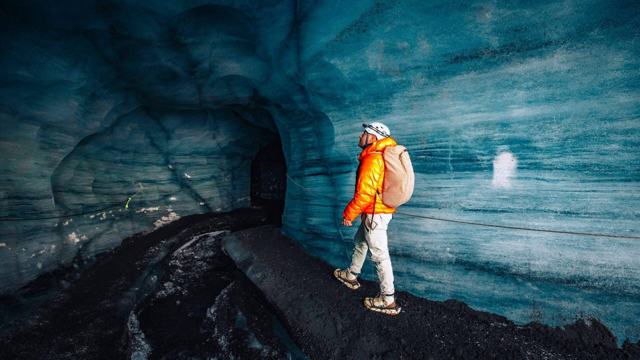
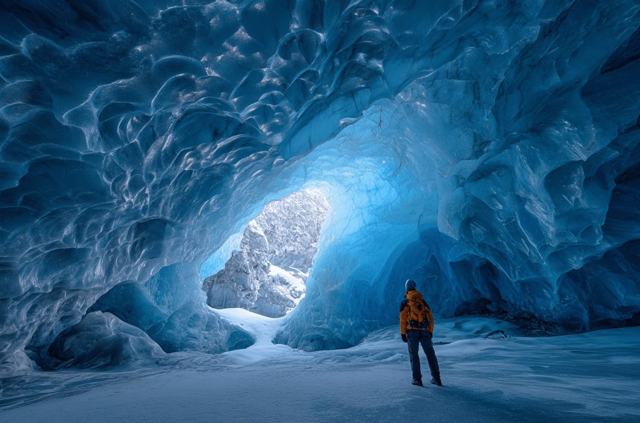
- Ice caves: natural blue ice caves in Vatnajökull are visited in winter with a guide, and some caves near Katla can be visited all year. See our ice cave tours.
- Glacier hiking: guided walks on outlet glaciers such as Sólheimajökull run all year. See glacier hiking tours.
- Snorkelling at Silfra: clear glacial water in a rift in Þingvellir. See snorkelling and diving tours.
- Hot springs: beyond the famous lagoons, try the Secret Lagoon, the Mývatn area or the hot river at Reykjadalur. Our Sky Lagoon vs Blue Lagoon guide helps you choose.
- Whale watching: tours run from Reykjavík, Húsavík and Akureyri, with the most departures in summer. Húsavík is known as the whale watching capital of Iceland. See whale watching tours.
- Food: try lamb soup, fresh fish, skyr and hot dogs, and fermented shark (hákarl) if you are brave. Local breweries make good craft beer, and a food tour in Reykjavík is an easy way to taste a bit of everything. Read about traditional Icelandic food.
Your first trip is in winter?
From October to April, many first-timers prefer a guide for the driving and the weather. These are the trips we suggest most often for a first winter visit:
- 4 Day Iceland Winter Tour – the Golden Circle, the South Coast, a glacier hike or ice cave and Snæfellsnes in 4 days by minibus.
- 6-Day Northern Lights & Ice Cave Self-Drive – drive yourself in a 4x4, with a guided ice cave tour included.
- Northern Lights tours and ice cave tours if you are based in Reykjavík.
The Blue Lagoon and the Reykjanes eruptions
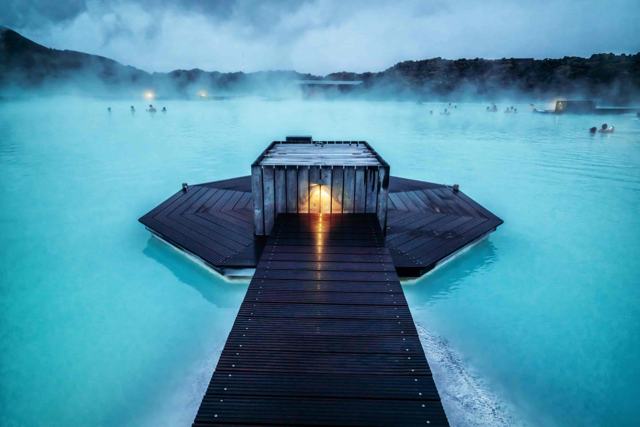
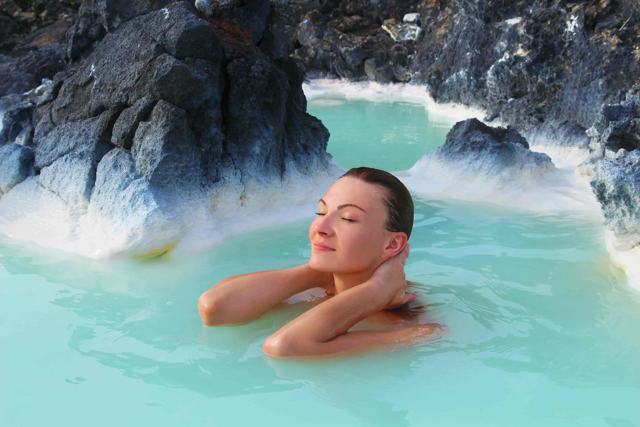
The Blue Lagoon is close to the airport, so many people visit on the way in or out. Booking ahead is required. The lagoon sits near the Sundhnúkur crater row, which erupted several times between December 2023 and August 2025. The lagoon has closed for short periods during eruptions, and nearby Grindavík remains heavily damaged.
No eruption was active at the time of writing, but scientists expect more activity. Check the lagoon's own website and safetravel.is before you go, and have a backup plan such as Sky Lagoon in Reykjavík. Read more in our guide to volcanoes in Iceland.
Staying safe
Most accidents in Iceland come from weather, roads and the sea, not crime. A few simple habits make a big difference.
- Check the weather on vedur.is and road conditions on road.is every day before you set off.
- Look at the alerts on safetravel.is, and leave a travel plan there if you are hiking.
- Stay well back from the waves at Reynisfjara and other black sand beaches. Sneaker waves can reach far up the beach without warning.
- Keep to marked paths, especially in geothermal areas, and do not walk on glaciers without a guide.
- Slow down on gravel and at single-lane bridges, and never drive off road. It is illegal and damages the moss for decades.
- The emergency number is 112.
A simple 7-day itinerary for first-timers
This plan suits a first trip in any season. In winter, keep driving days short and leave room for bad weather.
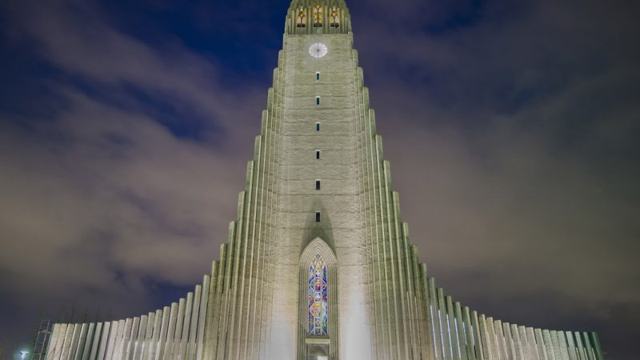
- Day 1 – Reykjavík: Hallgrímskirkja, Harpa, the old harbour and a museum or two, then dinner at a restaurant serving Icelandic food. See our Reykjavík tours.
- Day 2 – Golden Circle: Þingvellir, Geysir and Gullfoss, with a soak at the Secret Lagoon or another hot spring on the way back.
- Day 3 – South Coast: Seljalandsfoss, Skógafoss, Reynisfjara and a night in or near Vík.
- Day 4 – Jökulsárlón: drive east past the lava fields to the glacier lagoon and Diamond Beach. In summer you can take a boat tour among the icebergs. Add a glacier walk or, in winter, an ice cave tour.
- Day 5 – Back west: return along the South Coast, with stops you skipped on the way out.
- Day 6 – Snæfellsnes: Kirkjufell, the coast path between Arnarstapi and Hellnar, Snæfellsjökull National Park and the black beaches below Snæfellsjökull, with a Northern Lights evening in winter. If you would rather stay in town, spend the day on Reykjavík's museums, shops and a food tour.
- Day 7 – Relax and fly: a lagoon soak on the way to the airport, then home.
Book this 7-day plan
The plan above is almost exactly our 7-day self-drive trip. We book the car, the hotels with breakfast and give you the day-by-day route, and you drive at your own pace. Prefer not to drive? Take the guided week instead.
Plan your trip with a local
As a local travel agency in Iceland, we help first-time visitors every day. We can suggest a route, book tours, cars and accommodation, and put together a self-drive trip or a Iceland travel packages that fit your dates and budget.
If you want a starting point, these suit a first trip well:
- South Coast & Glacier Lagoon in 5 Days: the South Coast and Jökulsárlón at your own pace, with car and hotels booked.
- 7 Day Iceland Tour: a guided week around Iceland if you would rather not drive.
- Golden Circle Private Tour from Reykjavík: Þingvellir, Geysir and Gullfoss with your own guide, a good first day.
Travelling as a couple? See our Iceland honeymoon packages.
Questions people ask
What is the best time for a first trip to Iceland?
It depends on what you want. June to August gives long days and open roads, November to February gives the best Northern Lights and ice caves, and September or March give a good mix of both with fewer crowds.
Do I need to rent a car in Iceland?
No. A car gives freedom, but day tours from Reykjavík cover the main sights, and multi-day tours go around the country. In winter many first-time visitors prefer not to drive.
How far is Keflavík Airport from Reykjavík?
About 50 kilometres, roughly 45 to 50 minutes by car. The airport bus, public buses, taxis and rental cars all connect the two.
How many days do I need in Iceland?
Three to four days covers Reykjavík, the Golden Circle and the South Coast. A week adds Jökulsárlón and Snæfellsnes. Plan at least 8 to 10 days for the full Ring Road.
Is the Blue Lagoon open?
It has been open most of the time, but it has closed for short periods during eruptions on the Reykjanes Peninsula. Check its website and safetravel.is shortly before your visit.
Can I book the 7-day plan in this guide as a package?
Yes. Our 7-day self-drive trips follow almost the same route, with the rental car, hotels with breakfast and a day-by-day plan included. There is a summer version (May to September) and a winter Northern Lights version. If you would rather not drive, our 7 Day Iceland Tour is a guided week by minibus.
What should I know before visiting Iceland for the first time?
Plan around the season and the weather, book popular tours and countryside hotels early, and don't try to see everything. Dress in layers, check the weather and the roads every day, and stay back from the waves on the black beaches.
Is it better to self-drive or take tours on a first trip?
In summer, self-drive is easy and gives you the most freedom. From November to March, a guided tour is the safer and more relaxed choice, because the roads can be icy and the days are short. Many first-timers mix the two: a car for the South Coast and a tour for ice caves or the Northern Lights.
What is the best way to see Iceland in one week?
Combine the Golden Circle, the South Coast as far as Jökulsárlón, and Snæfellsnes. That's the 7-day plan in this guide, and you can book it as a guided tour or as a self-drive trip with car and hotels.
How expensive is a first trip to Iceland?
Iceland is one of the more expensive countries in Europe. Plan for hotels, a rental car or tours, and meals out. Day tours start from about 12,000 ISK per person, and a 5–7 day package with hotels from about 100,000–200,000 ISK per person, depending on the season and the hotels.
Is Iceland safe for first-time visitors?
Yes. Iceland is one of the safest countries in the world. The real risks are nature: weather, waves on the black beaches and icy roads. Follow local advice and you'll be fine.