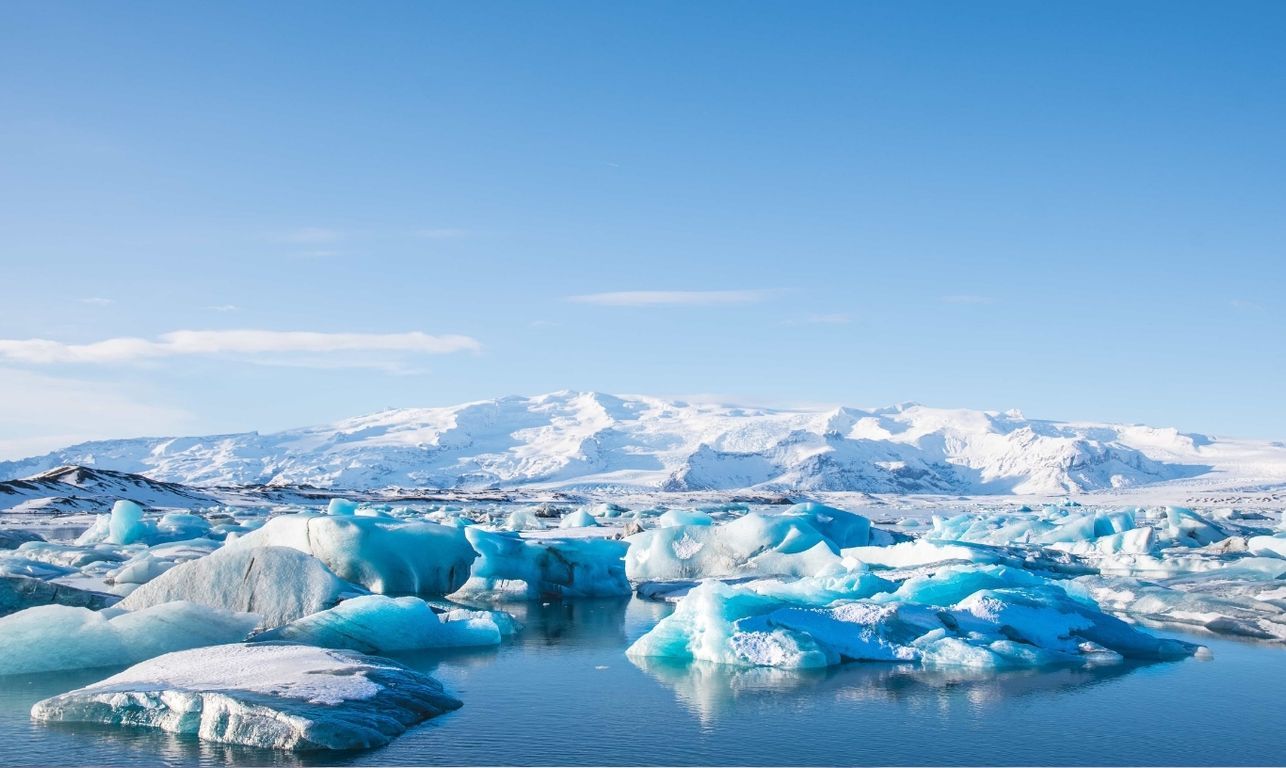
Iceland's best-known glacier lagoons lie on the south-east coast below Vatnajökull. Jökulsárlón is the largest and easiest to visit, with boat tours from May to November and Diamond Beach across the road, while Fjallsárlón, Breiðárlón and Heinabergslón are smaller and quieter. This guide covers each lagoon, the best time to go, prices and how to stay safe.
What is a glacier lagoon?
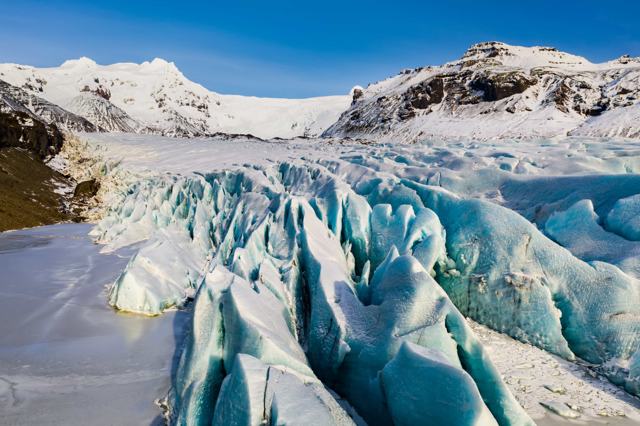
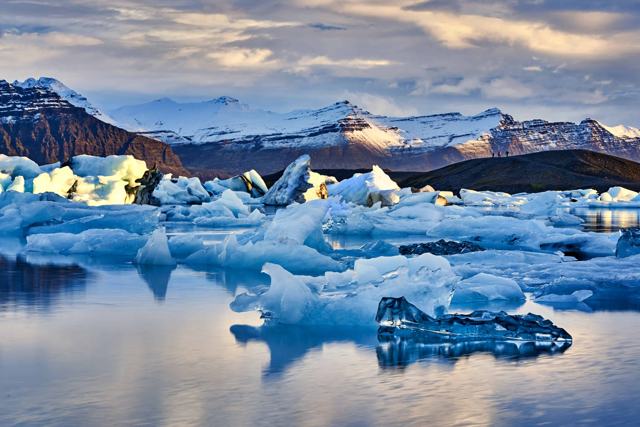
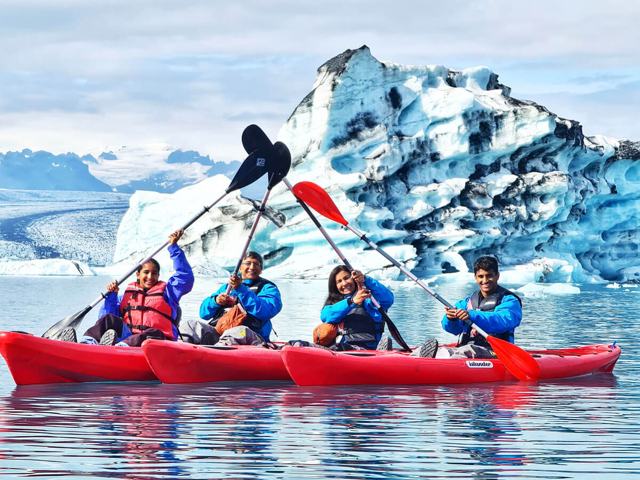
A glacier lagoon is a lake that forms in front of a glacier as the ice retreats. Meltwater fills the hollow the glacier has dug out, and when the ice front reaches the water it breaks off, or calves, into icebergs. The blue and white colours come from dense, old glacier ice, while fine sediment gives the water its milky grey-green tone.
Most of Iceland's glacier lagoons are young. Jökulsárlón only began to form around 1934–35, and it has grown about fourfold since the 1970s as Breiðamerkurjökull has pulled back. Some lagoons are growing while others are disappearing, which makes them one of the clearest places in Iceland to see a changing climate.
Jökulsárlón: the largest and best known
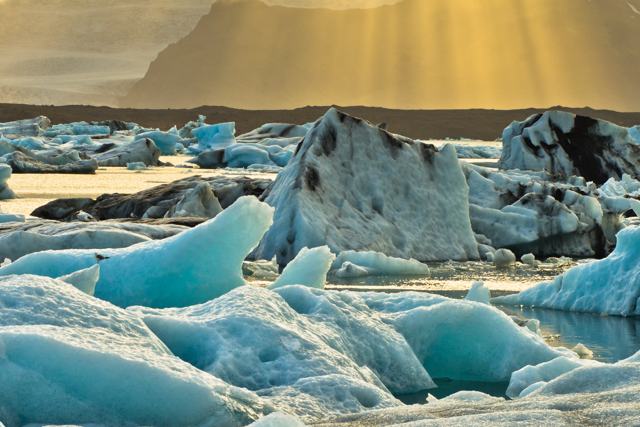
Jökulsárlón sits right beside the Ring Road, about 370 km east of Reykjavík, 75 km west of Höfn and 60 km east of Skaftafell. It covers roughly 25 km² and was measured at 284 metres deep in 2009, the deepest lake in Iceland. Icebergs calve from Breiðamerkurjökull, an outlet glacier of Vatnajökull, and drift slowly towards the short river that links the lagoon to the sea.
The surface is at sea level and seawater flows in at high tide, so seals follow the fish in. You will often see them near the river mouth, and they gather in larger numbers in winter. The lagoon is part of Vatnajökull National Park, a UNESCO World Heritage Site since 2019, and it has appeared in films such as Die Another Day, A View to a Kill and Batman Begins.
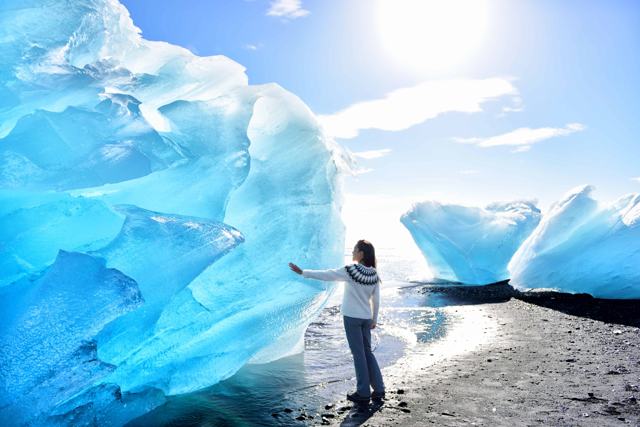
Across the road, pieces of ice wash up on the black sand of Diamond Beach. There are toilets, a café and seasonal services by the lagoon, and a short marked path along the shore. The national park collects a regional parking fee here, paid through the Parka app or a payment link, and it is valid until midnight on the day you pay.
Boat tours on Jökulsárlón
There are two kinds of boat tour on the lagoon. Amphibian boats drive from the shore into the water and take about 30–40 minutes. Zodiac tours are faster, smaller boats that get closer to the glacier front and take about 1 hour 15 minutes.
Book ahead in summer, as tours sell out at busy times. You can see our Jökulsárlón glacier lagoon tours, including day trips from Reykjavík and longer 2-day and 3-day tours that give you more time at the lagoon. For a day with your own guide, see our private Jökulsárlón glacier lagoon tour from Reykjavík.
- Amphibian boat: May to November, suitable for all ages. In 2026 it costs 7,100 ISK for adults (13+), 3,500 ISK for children aged 6–12, and is free for under-6s.
- Zodiac boat: May to October, minimum height 130 cm. In 2026 it costs 16,600 ISK for adults (13+) and 8,300 ISK for children aged 10–12.
Fjallsárlón: smaller, calmer, closer to the ice
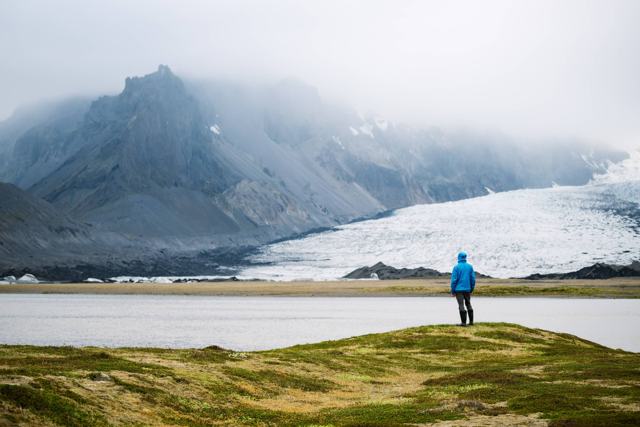
Fjallsárlón is about ten minutes' drive west of Jökulsárlón. It covers about 4 km², and the Fjallsjökull glacier reaches right down to the water, with the volcano Öræfajökull above it. Because the glacier front is so close, many people prefer it to its bigger neighbour.
Parking at Fjallsárlón is free, and there are toilets and a restaurant by the car park. Boat tours here last about 45 minutes on the water, or around 75 minutes with dressing up, and the minimum age is 5. Great skuas nest around the shore in summer and will dive at people who come too close, so stay on the paths.

Breiðárlón: the quiet one next door
Breiðárlón lies between Fjallsárlón and Jökulsárlón, about 3 km from the Ring Road, at the foot of another tongue of Breiðamerkurjökull. A small river runs from it into Fjallsárlón. The track in is rough, so come on foot or in a 4×4.
The national park's Breiðármörk trail (about 15 km, 4–5 hours) crosses this area, so it is a good choice if you want a longer walk among moraines, lagoons and glacier views, far from the tour buses.
Heinabergslón: kayaking among icebergs
Heinabergslón sits below the Heinabergsjökull glacier, about 30 minutes from Höfn. It is much less visited than Jökulsárlón, and the best way to see it is from a kayak. Guided kayak tours usually run in summer, from about June to September, and no experience is needed.
See our kayaking tours in Iceland for current dates. You can also paddle among the icebergs on Jökulsárlón itself with our Jökulsárlón glacier lagoon kayaking tour.
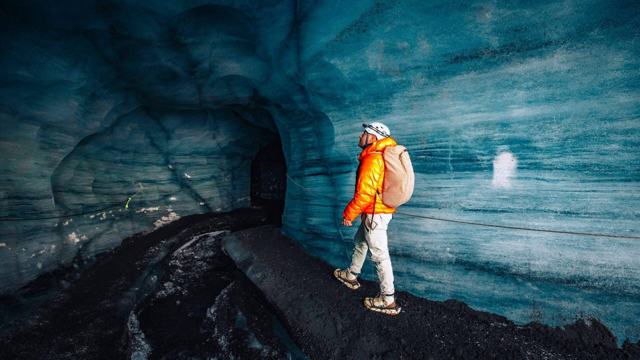
Hvítárvatn: a glacier lake in the highlands
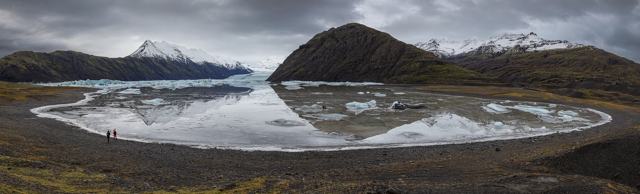
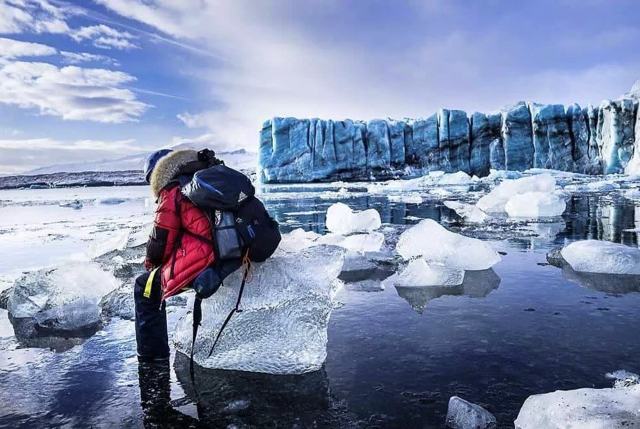
Hvítárvatn is a lake of about 30 km² at 420 metres above sea level, below Langjökull. It is up to 84 metres deep, and around two-thirds of its water comes from the glacier. The Langjökull outlet glaciers reached well into the lake until about 1900, but they have retreated fast since then.
The lake is the source of the Hvítá river, which later plunges over Gullfoss, about 45 km to the south-west. Hvítárvatn is reached from the Kjölur highland road, which is only open in summer and needs a 4×4, so most visitors come on a highland tour. Lower down, the Hvítá is a popular river for rafting tours.
Kaldalón in the Westfjords
Kaldalón is a short fjord, about 5 km long, on the north side of Ísafjarðardjúp, reached by Road 61. It runs up towards Drangajökull, the northernmost glacier in Iceland and the only ice cap entirely below 1,000 metres. The glacial river Mórilla flows out along the valley floor.
There is no large lagoon full of icebergs here. The draw is the walk up the valley to the glacier edge, which takes about 2–3 hours each way and gets a little longer each year as the ice retreats. It fits well with a trip to Ísafjörður or Hornstrandir, and our Westfjords tours can help you plan the region.
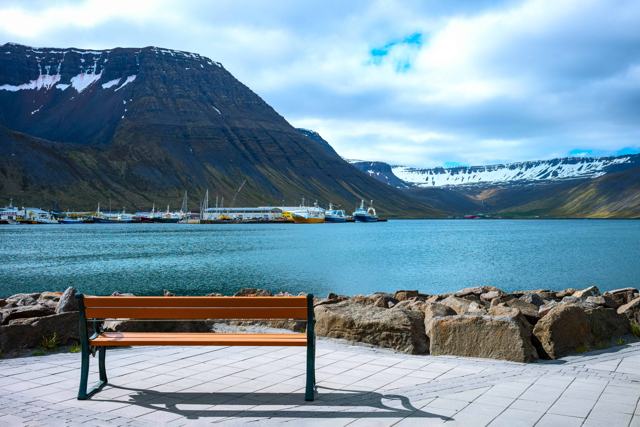
Grænalón: a lagoon that has almost gone
Grænalón, north-west of Skaftafell, was once an ice-dammed lake of about 18 km² held back by Skeiðarárjökull. As the glacier has thinned and shortened, the lake has almost completely drained and is now only a small pond. It is remote, with no easy access, and is best seen as a lesson in how quickly Iceland's glaciers are changing rather than a place to plan a trip around.
When to visit the glacier lagoons
Jökulsárlón, Fjallsárlón and Diamond Beach are by the Ring Road and can be visited all year. Boat tours on Jökulsárlón run from May to November, and kayaking at Heinabergslón is a summer activity. Summer brings long days, open roads and the full range of tours, but also crowds from late morning to late afternoon.
Winter is quieter, and it has its own draws: seals at the Jökulsárlón river mouth, ice glowing in low sunlight, and a chance of Northern Lights over the icebergs. It is also natural ice cave season in Vatnajökull, usually from about November to March, and many ice cave tours start near the lagoon. Roads can close in storms, so allow spare time. See our Vatnajökull ice cave tours, including a private Vatnajökull ice cave tour, and our Northern Lights guide.
Reykjavík to Jökulsárlón and back is a very long day. If you can, spend a night on the South Coast or near Skaftafell, or join a multi-day South Coast tour such as our 2-day South Coast tour.
Safety at the glacier lagoons
- Never climb onto icebergs, on the lagoon or on Diamond Beach. They can roll or break without warning, and most of each iceberg is hidden under water.
- Do not swim in the lagoons. The water is near freezing, deep and full of moving ice.
- Stay back from the surf at Diamond Beach. Waves are strong and can push blocks of ice up the beach.
- Keep your distance from seals and nesting birds, especially skuas and Arctic terns in summer.
- Check the weather on vedur.is and road conditions on umferdin.is before driving, especially in winter.
- Only go onto a glacier or into an ice cave with a qualified guide.
Tours to book
These are the easiest ways to see the lagoons without driving the long road from Reykjavík and back yourself.
- Private Jökulsárlón Glacier Lagoon Tour from Reykjavík: your own guide and vehicle for the long day to the lagoon and Diamond Beach.
- 2 Day South Coast Tour: splits the journey over two days, so you have more time at the ice.
- 7-Day Self-Drive: South Coast & Glacier Lagoon: car, hotels and a day-by-day plan for travellers who want to drive at their own pace.
Questions people ask
Which is the best glacier lagoon in Iceland?
Jökulsárlón is the largest and easiest to visit, with boat tours and Diamond Beach nearby. Fjallsárlón is smaller and quieter, with the glacier closer to the water. Many people visit both, as they are about ten minutes apart.
Can you visit Jökulsárlón in winter?
Yes. The lagoon is by the Ring Road and can be visited all year. Amphibian boat tours run from May to November, and in winter you can join ice cave tours that start nearby.
How much does a boat tour on Jökulsárlón cost?
In 2026 the amphibian boat costs 7,100 ISK for adults and the Zodiac boat costs 16,600 ISK for adults. Children's prices are lower, and under-6s ride the amphibian boat for free.
Is there a fee to park at Jökulsárlón?
Yes. Vatnajökull National Park collects a regional parking fee at Jökulsárlón, paid through the Parka app or a payment link. Parking at Fjallsárlón is free.
Can you do a day trip to Jökulsárlón from Reykjavík?
Yes, but it is about 370 km each way, so it makes a very long day. A 2- or 3-day South Coast tour gives you more time at the lagoon and the sights on the way.