Iceland Travel GuideLOCAL TRAVEL AGENCY IN ICELAND
My trip
Talk to a local
Iceland Travel GuideLOCAL TRAVEL AGENCY IN ICELAND
My trip
Talk to a local
Hornstrandir is a roadless nature reserve covering about 580 km² at the northern tip of the Westfjords, reached only by boat from Ísafjörður or Bolungarvík. It is free to enter, open to visitors from around early June to early September, and best suited to hikers prepared for several days without roads, shops or mobile coverage.
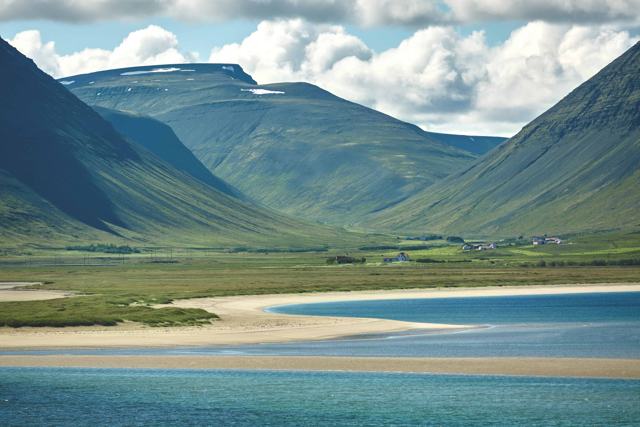
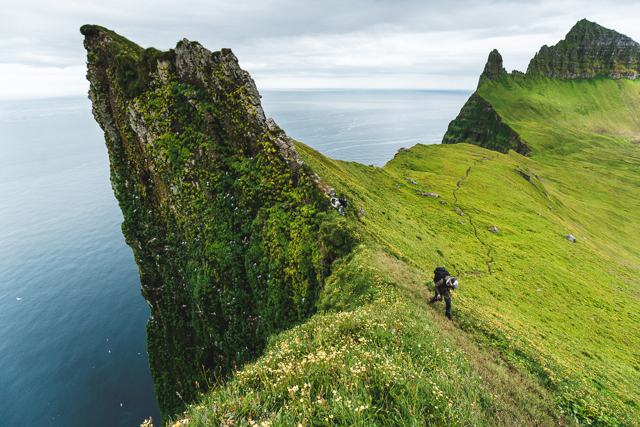
Hornstrandir was farmed until the mid-1900s, when the last residents left and the area was allowed to return to wilderness. What remains are a handful of abandoned farms, a few small huts, and some of the most dramatic sea cliffs and empty fjords in Iceland. There are no roads inside the reserve, and no permanent population, so every visit starts and ends by boat.
The reserve is known as one of the best places in Iceland to see Arctic foxes, which have no natural predators here and are often unusually unafraid of people. Hikers cross between fjords on unmarked or lightly marked paths, wade the occasional river, and camp or stay in simple huts. It is not a day trip from Reykjavík: getting to Ísafjörður and then out to Hornstrandir by boat takes most of a day on its own.
Before the reserve was created, the people of Hornstrandir lived mainly from fishing and from the bird cliffs, taking birds and eggs each spring. With no grazing sheep and very few people since then, the plant life has recovered: around 260 species of flowering plants and ferns have been recorded, and in July the sheltered slopes are thick with wildflowers. Some of these plants are found across the Westfjords, others are rare elsewhere in Iceland.
The sea cliffs hold some of Iceland's biggest seabird colonies. Guillemots, kittiwakes and puffins nest on the ledges at Hornbjarg and the neighbouring cliffs, and you are likely to see Arctic terns and black guillemots along the shore. Snow lies on the mountains well into summer, and in winter the whole peninsula is white and almost impossible to reach.
People lived in Hornstrandir's fjords for centuries, fishing and farming small plots between the mountains and the sea. Winters were hard and the land unforgiving, and through the 1940s and 1950s families gradually gave up and moved south, leaving the last farms empty by around 1952.
In 1975 the area was made a nature reserve to protect what had grown wild in their absence. Descendants of the original families still return in summer to maintain a few of the old houses, and walkers sometimes pass these small, isolated buildings on the coastal paths, a reminder that this emptiness is relatively recent.
Trails can be hard to follow in fog, rivers can be difficult to cross after rain, and snow can linger on high ground well into summer, so this is not a reserve to enter without preparation, good boots and a map.
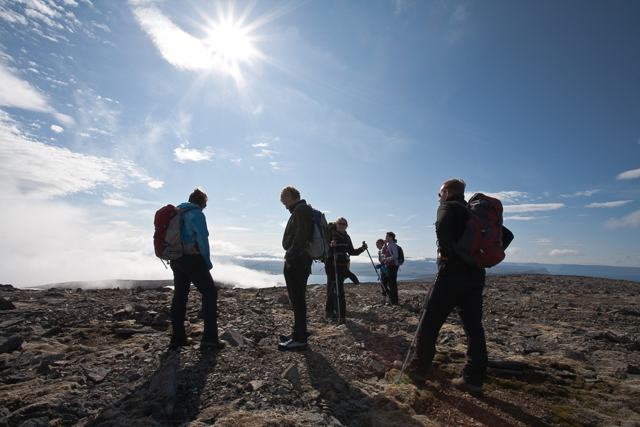
Most visits are built around hiking between fjords, either as a long day trip from a boat landing or as a multi-day route with a tent or hut stays.
Electronic trip registration is required for parts of the season to help protect fragile vegetation; check current requirements before you go.
With no roads, no farming and strict protection, Hornstrandir is one of the least disturbed parts of Iceland.
Walk on paths where they exist, do not pick plants or disturb nesting birds, and carry all your rubbish out with you.
Most people combine Hornstrandir with a few days elsewhere in the Westfjords.
Weather changes fast even in summer, and the coast can be foggy or windy when Ísafjörður itself is calm, so build in a spare day around your boat booking.
There are no shops, restaurants or fuel in the reserve. A few basic huts and designated campsites with toilets exist at specific landing points; everything else needs to be carried in and out.
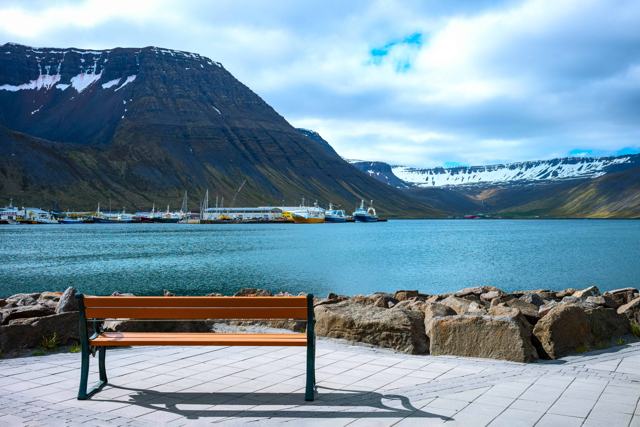
There are no hotels or guesthouses inside Hornstrandir. In summer you can camp at the designated campsites, but nights are cold, so bring a proper tent and a warm sleeping bag. Most visitors base themselves in Ísafjörður before and after the trip, since it has campsites, guesthouses and hotels, the widest choice in the Westfjords, and is the main departure point for boats.
No, there are no roads into the reserve. You reach it only by boat, usually from Ísafjörður or Bolungarvík.
It can be, if you take a boat to somewhere like Hesteyri and return the same day, but reaching Ísafjörður first already takes most of a day from Reykjavík.
For multi-day routes, yes. Trails are unmarked in places, rivers may need to be waded, and help is far away, so preparation matters.
No, entry to the reserve is free, though boat transport and any guided trips are not.
Boats generally run from around early June to early September, which is effectively the only season most people can visit.
No. There are no hotels, guesthouses, shops or roads in the reserve. You camp at designated sites in summer, or stay in Ísafjörður and visit by boat.
Arctic foxes, which are protected here, and large seabird colonies with puffins, guillemots, kittiwakes, black guillemots and Arctic terns. Around 260 species of flowering plants and ferns grow in the reserve.
In 1975, about twenty years after the last permanent residents left.
Tours and trips that include Hornstrandir, booked directly with a local travel agency in Iceland.