Camping in Iceland is mostly about wind, rain and cold nights, even in July. The key items are a strong tent with extra pegs, a sleeping bag rated well below freezing, a waterproof shell and warm layers. Below is a full camping packing list for Iceland, plus the rules and local tips that decide what you actually need.
Before you pack: how camping works in Iceland
Most campsites open in summer, roughly from late May or June to mid-September, and a few stay open longer. Facilities range from a toilet and a cold tap to hot showers, kitchens, laundry and electricity. Expect to pay around 1,500 to 3,000 ISK per person per night, with showers or power sometimes extra.
If you sleep in a campervan, motorhome, car or tent trailer, you must stay on an organised campsite unless the landowner gives permission. Tent campers on foot or by bike have a little more freedom, explained below. Our full guide to camping in Iceland covers campsites and routes in more detail.
Iceland's safety agency says plainly that this is not the place to try camping for the first time. Practise pitching your tent at home, in wind if you can, before you fly.
Tent and sleeping gear
Wind is the biggest test of your gear. Summer gusts can flatten a cheap festival tent in minutes, so bring a sturdy three-season tent for summer and a four-season tent if you plan to camp outside the main season.
- Strong, low-profile tent that handles wind gusts
- Extra tent pegs, including a few long ones for sandy or gravel ground, and spare guy lines
- Sleeping bag rated to around 0°C or lower in summer; about −10°C or lower in winter
- Insulated sleeping mat; in winter aim for an R-value of 5 or more
- Eye mask for the bright summer nights
- Earplugs for windy nights and busy campsites
- Small pillow or stuff sack you can fill with clothes
Clothing for camping in Iceland
Dress in layers you can add and remove through the day. Cotton stays wet and cold, so choose wool or synthetic fabrics. Evenings at a campsite feel much colder than daytime walking, even in summer.
- Waterproof and windproof jacket with a hood
- Waterproof over-trousers
- Thermal base layers, top and bottom (merino wool is ideal)
- Fleece or wool jumper and a warm insulated jacket for evenings
- Walking trousers that dry quickly
- Sturdy, waterproof walking boots that are already worn in
- Wool or synthetic socks, with a dry pair kept only for sleeping
- Warm hat, gloves and a neck gaiter or buff
- Camp shoes or sandals for campsite toilets and river crossings
- Swimwear and a quick-dry towel for pools and hot springs
Cooking and water
Open campfires are not allowed, so you need a camping stove. Airlines do not allow gas canisters or stove fuel in hand luggage or checked bags, so buy fuel after you land. Petrol stations, outdoor shops and supermarkets in larger towns sell gas canisters. Take a stove that fits the common screw-thread canisters, or a multi-fuel stove for winter, when gas works poorly in the cold.
Tap water in Iceland is clean and safe to drink everywhere, including at campsites. Clear, fast-flowing streams away from farms and roads are generally fine too, but avoid cloudy glacial rivers and still water. A small filter is a sensible backup on long hikes.
- Camping stove, plus a lighter and matches in a waterproof bag
- Wind shield for the stove
- Pot, mug, spoon or spork, and a sharp knife
- Reusable water bottle or bladder; a small filter for long hikes
- Biodegradable washing-up liquid and a sponge
- Rubbish bags, as bins can be far apart
- Easy food: pasta, rice, oats, dried soups, skyr, flatkökur and harðfiskur from local supermarkets
- Snacks and high-energy food for driving and hiking days
Rain and weather protection
Rain in Iceland often comes sideways, so an umbrella is of little use. Put your effort into keeping your gear dry instead.
- Dry bags or strong bin liners inside your backpack
- Rain cover for your backpack
- Quick-dry microfibre towels
- A small tarp or a tent with a big porch for cooking in bad weather
- Sunglasses and sun cream for bright days and snow
Navigation, power and safety
Mobile coverage is good along the Ring Road and in towns but patchy in the highlands and remote fjords. In an emergency call 112. Before you set off, leave a travel plan with Iceland's official safety service, SafeTravel, and use its app for weather and road alerts. For remote highland trips, consider renting a personal locator beacon or satellite messenger.
- Phone with offline maps downloaded
- Paper map for hiking areas
- Power bank and a 12V car charger if you drive
- Head torch with spare batteries (essential from late August onwards)
- First aid kit, blister plasters and your own medicines
- Emergency whistle and a foil blanket
- Multi-tool or pocket knife
- Spare glasses or contact lenses
Insects: pack a head net for Mývatn
Iceland has no mosquitoes, but midges can be thick on warm, still summer days. Mývatn literally means Midge Lake, and small biting flies can also be a nuisance around Þingvellir, Landmannalaugar and sheltered valleys near water. A head net costs little and makes a big difference. Long sleeves and insect repellent help too, and a breeze keeps them away.

Personal items and campsite comforts
- Travel-sized toiletries and a microfibre wash towel
- Toilet paper and hand sanitiser
- Coins or a card for showers and laundry (most sites take cards)
- Small travel laundry liquid and a washing line
- Lightweight camping chair for campervan trips
- Book, cards or a downloaded film for rainy evenings
- Binoculars for birds and seals
Where to camp, and what the rules mean for your list
If you are hiking or cycling and there is no campsite nearby, you may pitch up to three tents for one night on uncultivated land, unless the landowner has put up a sign saying no. Do not camp near farms without asking. Inside national parks and nature reserves, such as Skaftafell and Þingvellir, use the designated campsites.
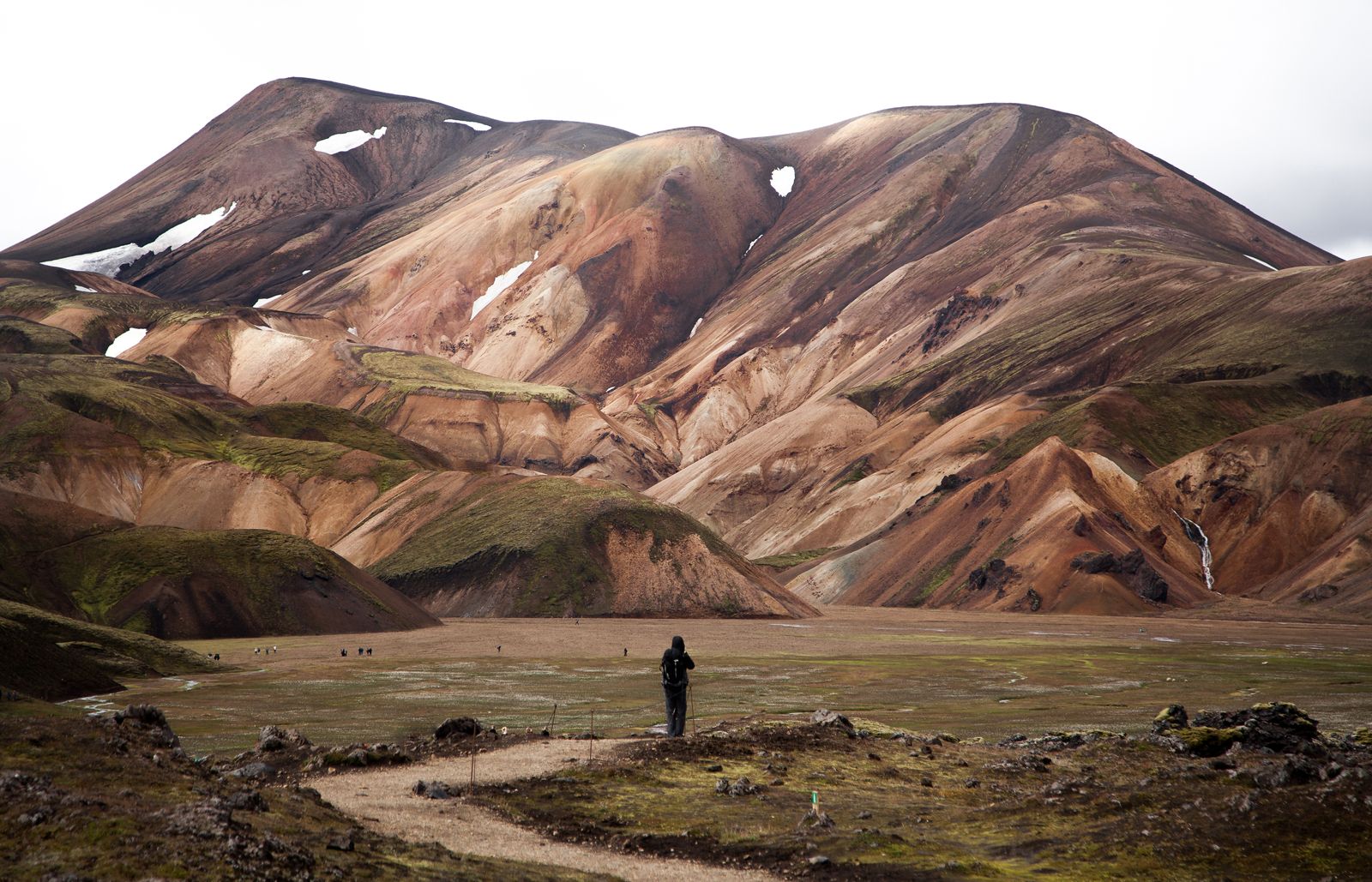
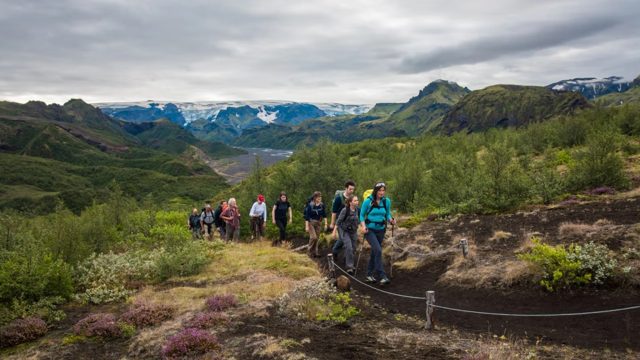
Popular camping areas include Þórsmörk, Landmannalaugar, Ásbyrgi and Húsafell. For hiking trips with a tent, read our guides to hiking in Landmannalaugar, hiking in Þórsmörk and hiking Hornstrandir on your own.
The Camping Card is a discount card valid at participating campsites. For 2026 it costs €179 and covers two adults and up to four children under 16 for up to 28 nights, until 15 September. It pays off if you camp many nights at sites that accept it.
Not keen on carrying it all?
Highland roads to places like Landmannalaugar and Þórsmörk need a 4×4 and include river crossings. A guided trip lets you hike or camp without the driving risk. For a multi-day walk there is our Laugavegur & Fimmvörðuháls Trek, and for a single day in the mountains a guided Þórsmörk hike or a Landmannalaugar private tour. See our highland tours, hiking tours and Þórsmörk tours, or plan your own route with our self-drive trips.
For trips without a tent, our general Iceland packing list, winter packing list and kids' packing list have you covered.
- Laugavegur & Fimmvörðuháls Trek: a multi-day guided hike through the highlands, for walkers who want the trail without planning it alone. Runs mid-June to mid-September; the 2026 season is over and we are now taking bookings for 2027.
- Landmannalaugar Private Tour: a private day in the highlands, with none of the 4×4 driving or river crossings to worry about.
- 7-Day Self-Drive: South Coast & Glacier Lagoon: car, hotels and a day-by-day plan, if you would rather leave the tent at home.
Questions people ask
What sleeping bag do I need for camping in Iceland?
In summer, choose one rated to around 0°C or lower, as nights can drop close to freezing, especially in the highlands. For winter camping, the national safety agency recommends at least −10°C.
Can I bring gas canisters on the plane to Iceland?
No. Airlines do not allow camping gas or stove fuel in luggage. Buy canisters in Iceland at petrol stations, outdoor shops or larger supermarkets.
Can I wild camp in Iceland?
Only in a limited way. Hikers and cyclists may pitch up to three tents for one night on uncultivated land if there is no campsite nearby and no sign forbids it. Campervans, motorhomes and cars must stay on organised campsites unless the landowner agrees.
Do I need a water filter in Iceland?
Not for tap water, which is safe everywhere. Clear streams away from farms are generally fine, but a small filter is a good backup on long hikes. Avoid glacial rivers.
When are campsites open in Iceland?
Most open from late May or June to mid-September. A few stay open longer or all year, so check each site before you travel outside summer.