Kids in Iceland need the same thing in every season: warm layers, a waterproof outer shell and a spare set of dry clothes. What changes through the year is how thick those layers are, plus a few extras such as an eye mask in summer and ice grips in winter. This list covers what to pack for babies, toddlers and older children, and the local rules that affect families.
The golden rule: layers, waterproofs, spares
Iceland's weather changes fast, and it is rarely hot. Even in July, Reykjavík usually sits between 10°C and 15°C, and wind and rain make it feel colder. Children lose heat faster than adults and get wet more often, so plan every outfit around three layers.
The first layer sits next to the skin and should be wool or synthetic, not cotton. Cotton stays wet and cold. The middle layer is a fleece or wool jumper. The outer layer is a waterproof and windproof jacket with a hood, plus waterproof trousers. For small children, an all-in-one rain suit is the easiest option.
Always keep one full change of clothes in the day bag, including socks. Puddles, waterfall spray and wet sand will find your children sooner or later.
Packing for summer (June to August)
Summer is mild and bright. Days are long, and in June and July it never gets properly dark. That is great for sightseeing, but it can upset children's sleep. See our daylight hours guide for what to expect.
- Waterproof jacket and rain trousers, or an all-in-one rain suit for little ones
- Fleece or wool jumper and thermal base layers
- Waterproof walking shoes or boots, plus a lighter pair for the car and town
- Sun hat, sunglasses and sun cream, as the sun can be strong on bright days
- Eye masks for everyone, and a blackout blind or travel cover for a cot if your child needs darkness to sleep
- Reusable water bottles; tap water in Iceland is clean and cold
- A midge head net if you are visiting Mývatn in summer, as the lake is named after its midges
Packing for winter (November to March)
Winter means short days, snow, ice and wind. Temperatures near the coast often hover around freezing, but wind chill makes it feel much colder, and the north and inland areas are colder still. Our Iceland winter packing list covers adult gear in more detail.
- Insulated, waterproof winter jacket and snow trousers, or a snowsuit for toddlers
- Wool base layers (top and bottoms) and wool socks, with spares
- Warm waterproof boots with a good grip
- Waterproof mittens or gloves, plus a spare pair
- Warm hat that covers the ears, and a neck warmer or buff instead of a long scarf
- Ice grips (crampon-style spikes) that fit over children's boots for icy paths
- A small torch or head torch for dark afternoons
- An insulated flask for hot chocolate or warm milk, and a food flask for a hot snack on long drives and Northern Lights evenings
- For older children and teenagers who want to ski or sledge: goggles and ski gloves. Skis, boards and sledges are easier to hire here than to carry
Packing for spring and autumn
Spring (April and May) and autumn (September and October) sit between the two extremes. Expect anything from sunny, calm days to sleet and strong wind, sometimes in the same afternoon. Pack as for summer, but add a warmer jacket, a hat and gloves, and waterproof boots rather than trainers.
Spring is a cheerful time to travel with children. The migrant birds are back, lambs and foals are in the fields from May, and the rivers and waterfalls run high with meltwater. Pack soft, quick-drying trousers for walks rather than jeans, a sun hat and sunglasses for the bright days, and still keep the waterproofs within reach. Check the forecast a few days before you fly, so you do not carry things you will not need.
Autumn nights get dark again from late August, so there is a chance of Northern Lights. Older children may want to stay up for them, so bring warm clothes for standing outside at night. Our Northern Lights guide explains when and where to look.
Swimming pools and lagoons: what to bring
Swimming is a big part of Icelandic family life, and almost every town has a heated outdoor pool with hot tubs and often a slide. It is one of the best and cheapest things to do with kids, whatever the weather.
Pack swimsuits, a quick-dry towel, flip-flops and a waterproof bag for wet things. Everyone must shower without swimwear before entering the pool, children included. At Reykjavík pools, children under 10 must be with someone aged 15 or over, and non-swimmers need approved armbands or a swim vest. Inflatable rings do not count as safety equipment.
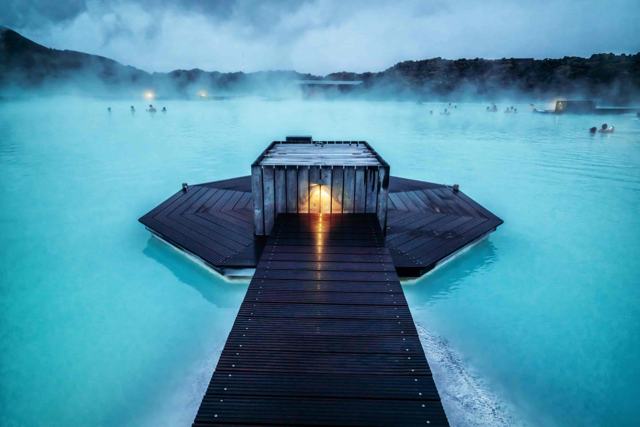
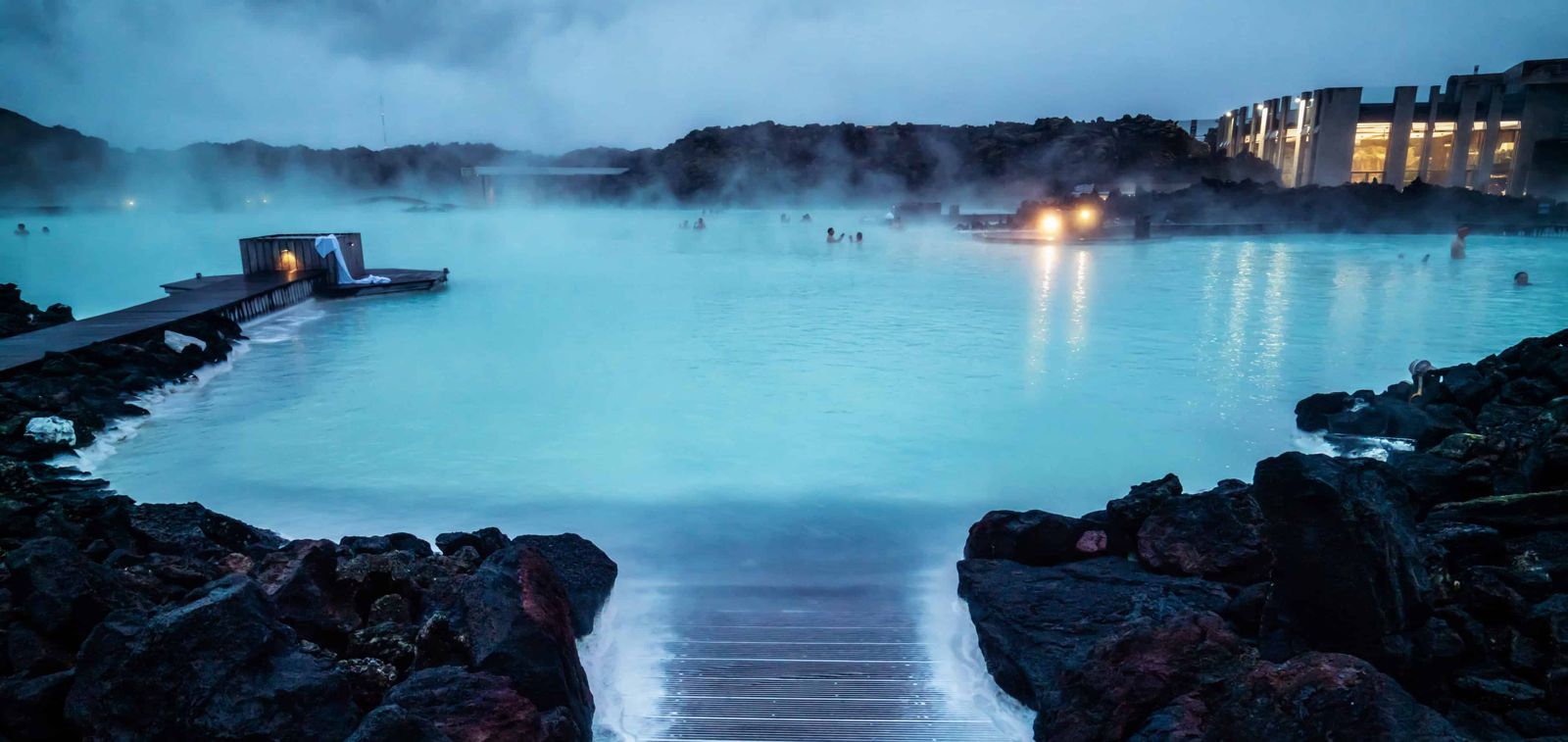
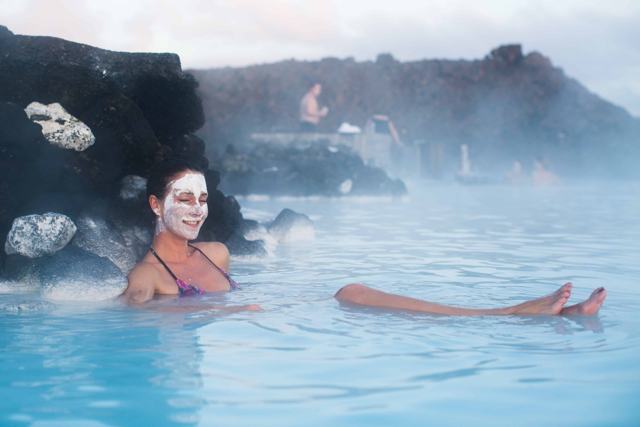
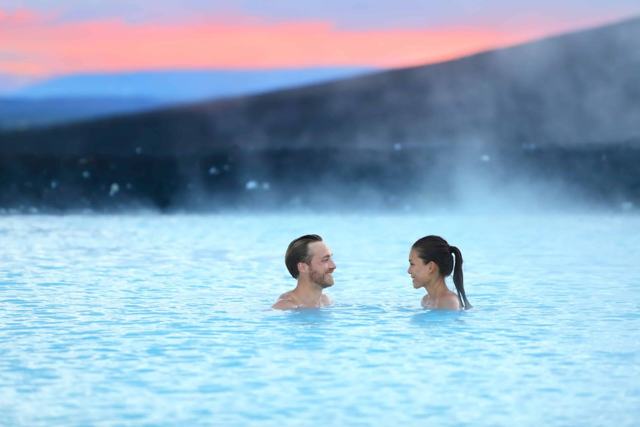
At the Blue Lagoon the minimum age is two, children aged eight and under must wear armbands (provided free), and one adult can bring a maximum of two children. Sky Lagoon has a minimum age of 12. Our Sky Lagoon vs Blue Lagoon guide compares the two, and you can browse hot spring tours.
Car seats and road trips
Icelandic law says all children under 135 cm must use a suitable child seat, and children under 150 cm must not sit in a front seat with an active airbag. The driver is responsible, and the fine is ISK 30,000.
Most car rental companies offer child seats and boosters for a fee. Book them with the car and check that the size suits your child's height and weight. If your child is used to a particular seat, you can bring your own; most airlines carry car seats and strollers free, but check with yours.
Distances between sights can be long. Pack a small bag for the back seat with snacks, drinks, a blanket, headphones, downloaded shows or audiobooks, and a few offline games. A car charger or power bank keeps tablets going between stops.
If you are hiring a car or a camper van, use the boot space. A fleece blanket or a small duvet for each child makes long drives easier, and children who fall asleep on the way stay warm. Bring a paper road map as well, as children like to follow the route and it works when the signal does not.
Babies and toddlers
Nappies, baby food, formula and baby wipes are easy to buy in supermarkets around the country, but the range is smaller outside towns and prices are high. Bring enough for the first few days and your preferred brands if your child is fussy.
- A baby carrier or sling for gravel paths, waterfalls and uneven ground where a stroller will not go
- A compact stroller with a rain cover, for towns and paved paths
- A waterproof, windproof cover or footmuff for the carrier or stroller
- Wool onesie or base layer, fleece suit and a warm hat
- Travel cot sheet and blackout cover in summer
- Changing mat, nappy bags and plenty of wipes, as toilets at natural sights can be far apart
- A flask of hot water or a travel bottle warmer for warming milk and baby food on the road, as cafés can be far apart
- Formula and any special food your baby is used to, in case the local shops do not stock the same brand
Day bag essentials
Even on a road trip you will spend a lot of time walking from car parks to waterfalls and beaches. Give older children their own small backpack and keep these in a family day bag.
- Spare dry clothes, socks and gloves
- Snacks and water; food at sights and petrol stations is expensive
- A small first aid kit with plasters, children's painkillers and any regular medicines
- Hand sanitiser, tissues and wet wipes
- Sun cream and lip balm, even in winter when snow reflects the light
- Power bank and charging cables; Iceland uses two-pin European plugs at 230 V
- Printed or offline copies of bookings in case of poor signal
- Tissues, a small bar of soap or pocket hand wash and a small towel for toilet stops at natural sights
- Camera with a spare battery, as batteries drain fast in the cold; add a small tripod if you hope to photograph the Northern Lights
Family travel in Iceland: tips before you pack
A little planning makes a family trip much easier. These are the points we go through with parents before they travel.
- Book ahead. Reserve rooms, the hire car, child seats and the main activities before you arrive. Nobody wants to look for a bed with tired children after a long day out.
- Check age limits first. Some sights and tours are only open to children above a certain age, so check before you plan a day around them, and before you pack gear for them.
- Plan around the weather. Look at the forecast every morning and keep an indoor option in reserve, such as a swimming pool or a museum.
- Give children time to settle. New food, a new time zone and bright summer nights take a day or two to get used to. Keep the first day short.
- Consider the quieter months. Outside June to August, prices are lower and the sights are less crowded, which is easier with small children. You will need warmer clothes.
- Bring familiar snacks. Icelandic food is good and child-friendly, with plenty of fish, lamb, skyr and bread. If your child is a picky eater or has allergies, pack a supply of snacks you know are safe: bars, crackers and dried fruit travel well. Supermarkets label allergens, but not always in English.

Safety tips for families
Iceland is a safe country, as we explain in our guide to safety in Iceland, but nature is the main risk. Check the weather forecast and road conditions every day, and leave a travel plan on Safetravel before longer trips.
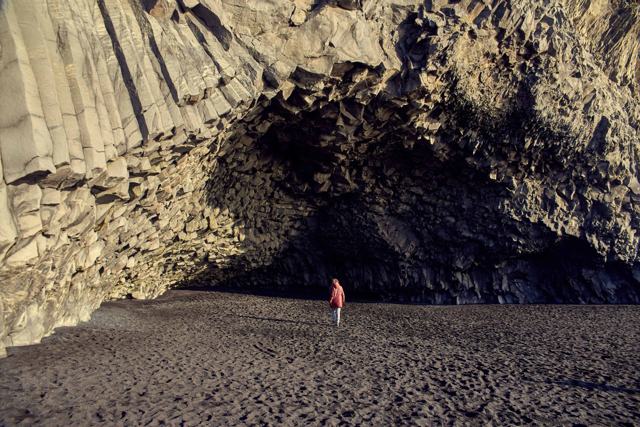
Hold small children's hands at cliff edges, waterfalls and geothermal areas, and stay on marked paths. At Reynisfjara and other south coast beaches, sneaker waves can reach far up the sand without warning, so keep children well back from the water.
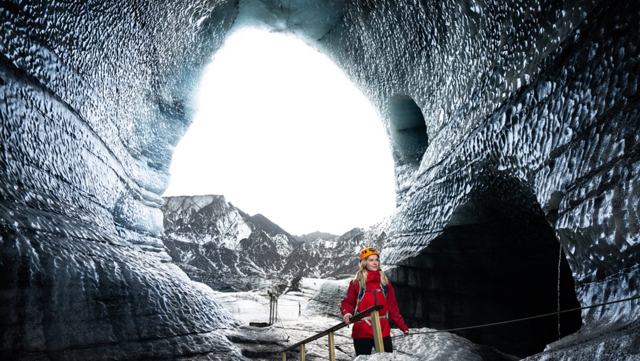
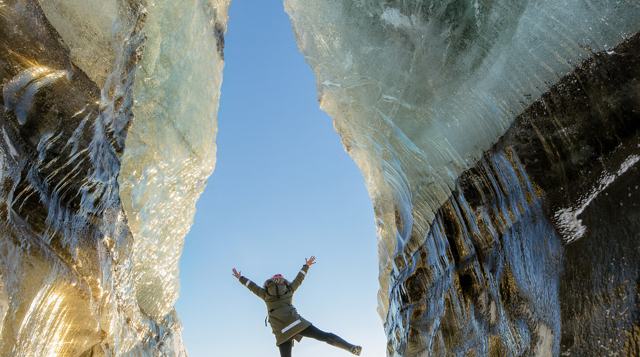
Many activities have minimum ages, including glacier hikes, ice caves, snowmobiles and some boat trips. Check the age limit before you book, and choose tours marked as family-friendly for younger children. For example, the Katla Ice Cave Tour takes children from 6 years old, and the Katla Ice Cave Private Tour from Vík takes them from 8.
What to do with kids in Iceland
Once you are packed, there is plenty to fill the days. Children usually love geysers, puffins, whales, horses and anything with hot water.
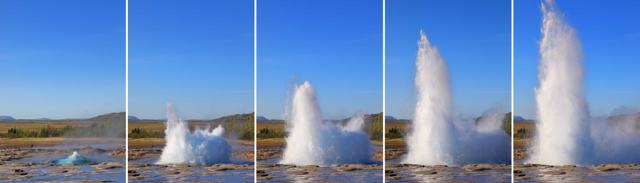
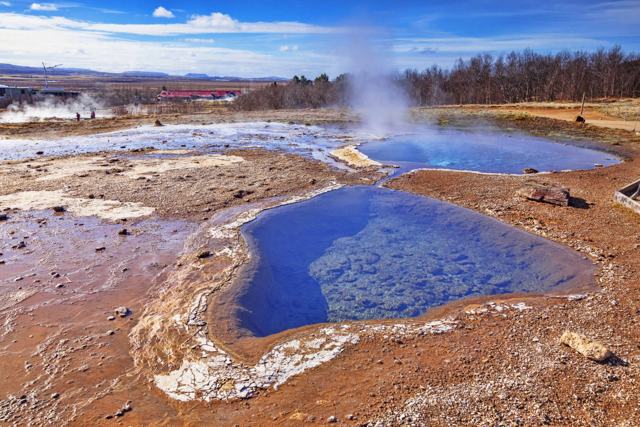
- Watch Strokkur erupt every few minutes at Geysir on a Golden Circle tour, such as our family-friendly Golden Circle & Blue Lagoon day
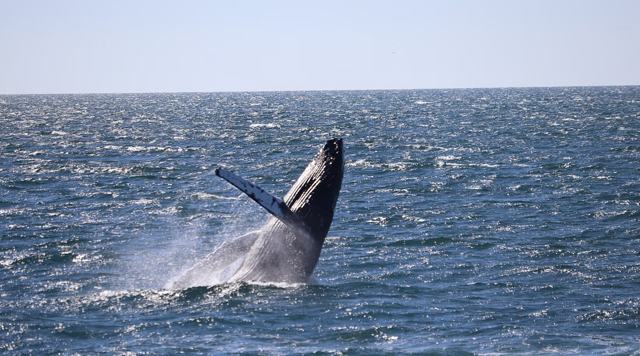
- Go whale watching from Reykjavík or Húsavík, for example Whale Watching from Reykjavik; pack extra layers for the boat
- See puffins from May to August on a puffin tour
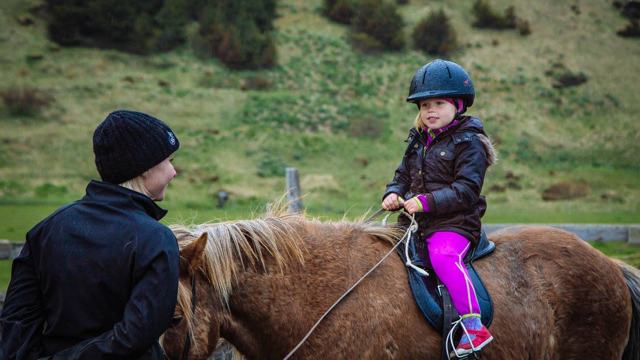
- Meet Icelandic horses on a short, gentle horse riding tour such as Black Beach Family Horseback Riding in Vík
- Visit farm animals at Slakki or the Reykjavík Family Park and Zoo
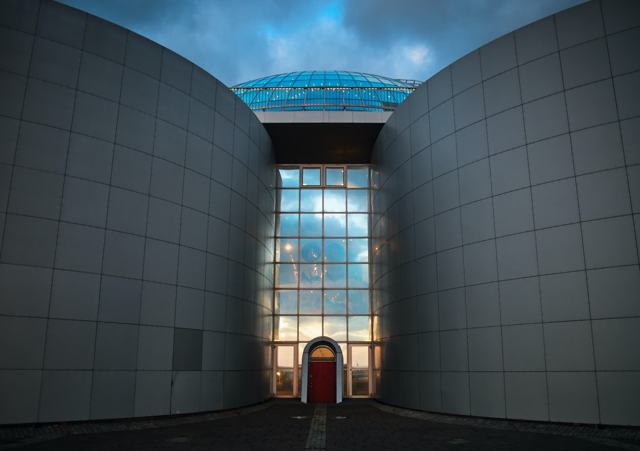
- Explore the ice cave exhibition and planetarium at Perlan on a cold or wet day
- See icebergs and seals at Jökulsárlón glacier lagoon, a long drive but a favourite with children
- Try dog sledding, a family fishing trip or bird watching in summer; check the minimum age when you book
- Browse the Kolaportið flea market by Reykjavík's old harbour at the weekend, a cheap rainy-day stop
Book family-friendly tours
Guided tours take the driving and planning off your hands, and the guides know where children can safely get close to the action. As a local travel agency in Iceland, we list tours that welcome children in our family-friendly tours and family-friendly day tours. For adult packing and planning, see our main Iceland packing list and how many days in Iceland.
A few tours that work well with children:
- Golden Circle & Blue Lagoon: Strokkur, waterfalls and a swim in one day, with the driving done for you.
- Katla Ice Cave Private Tour: an ice cave with your own guide, for children aged 8 and over.
- Black Beach Family Horseback Riding in Vík: a gentle first ride on Icelandic horses by the sea.
Questions people ask
What should kids wear in Iceland?
Layers: a wool or synthetic base layer, a fleece or wool jumper, and a waterproof, windproof jacket and trousers. Add a hat and gloves in every season, and bring a spare set of dry clothes.
Do children need a car seat in Iceland?
Yes. By law, children under 135 cm must use a suitable child seat, and children under 150 cm cannot sit in a front seat with an active airbag. Rental companies offer seats for a fee.
Can babies go to the Blue Lagoon?
Children under two cannot go in the water at the Blue Lagoon. From age two they can bathe with an adult, and children aged eight and under must wear armbands.
Are there mosquitoes in Iceland?
Hardly any. The main nuisance is midges around Mývatn and some lakes in summer, so a head net is more useful than repellent.
Can I buy nappies and baby food in Iceland?
Yes, supermarkets sell nappies, formula and baby food. Prices are high and choice is smaller in rural areas, so bring enough for the first few days.
What should I pack for a family trip to Iceland with a toddler?
A rain suit, wool base layers, a fleece suit, a warm hat, spare clothes, a baby carrier, a compact stroller with a rain cover, swim nappies and armbands for the pool, and enough nappies and food for the first few days. Hire the car seat with the car or bring your own.