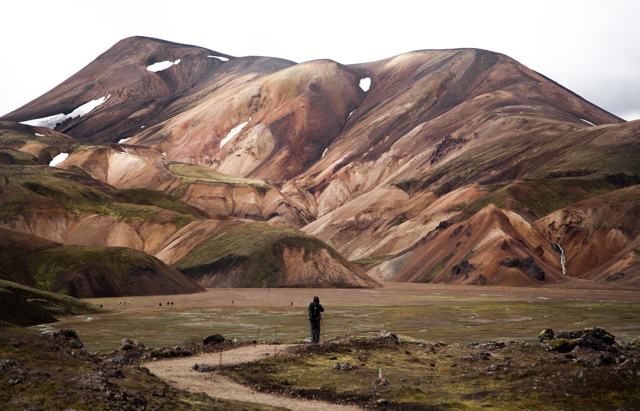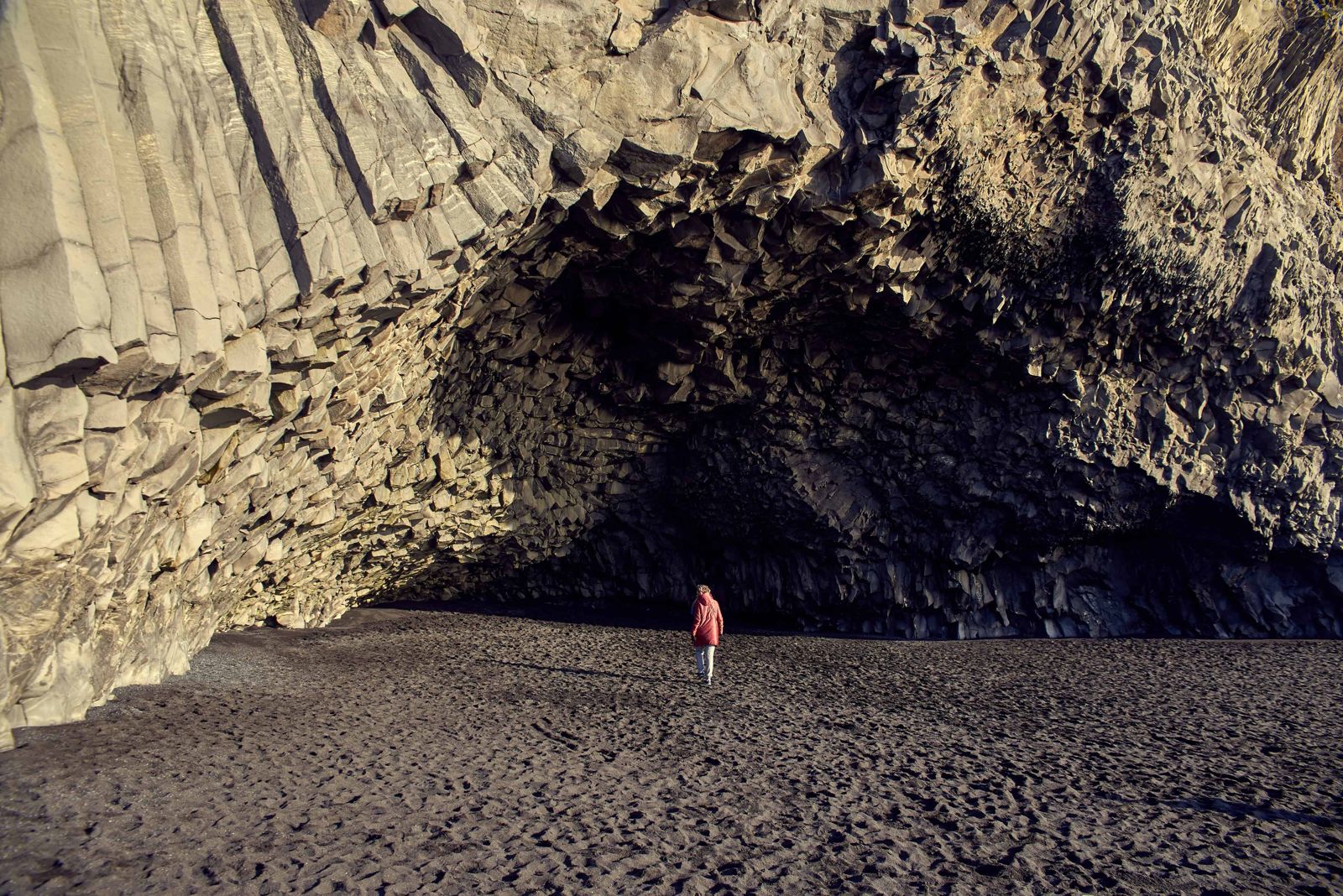
Yes. Iceland was ranked the most peaceful country in the world in the 2026 Global Peace Index, the 19th year in a row it has held first place. Crime against visitors is rare. The real risks are natural ones: weather, roads, waves and geothermal ground, and all of them are manageable with a little preparation.
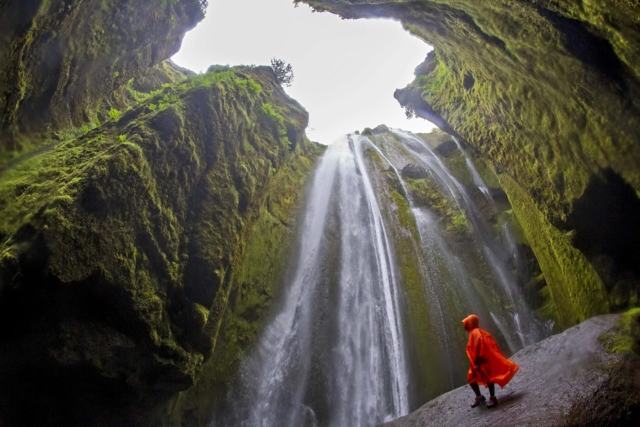
What the 2026 Global Peace Index says
The Institute for Economics and Peace publishes the Global Peace Index every year, and Iceland has been first since 2008. In 2026 it scored 1.161, stretching its lead over New Zealand in second place. Switzerland, Slovenia and Ireland complete the top five.
The report points to the absence of a standing military, very low crime and strong social cohesion. Iceland's overall peacefulness improved by two per cent in the past year.
What that means for you as a visitor
Violent crime against tourists is very rare, and there are no dangerous predators on the island. Solo travellers generally find Iceland easy, and central Reykjavík is calm at night, though normal city common sense still applies.
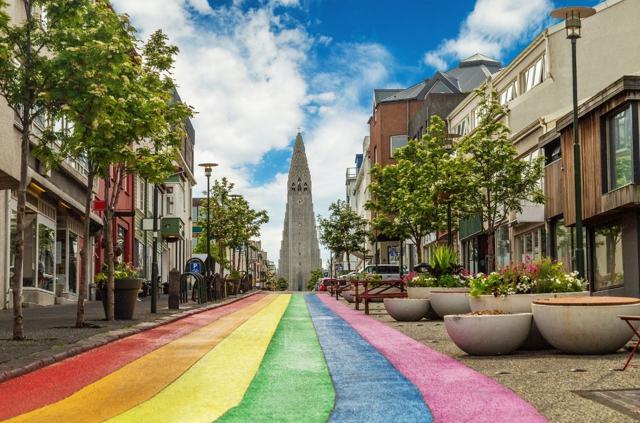
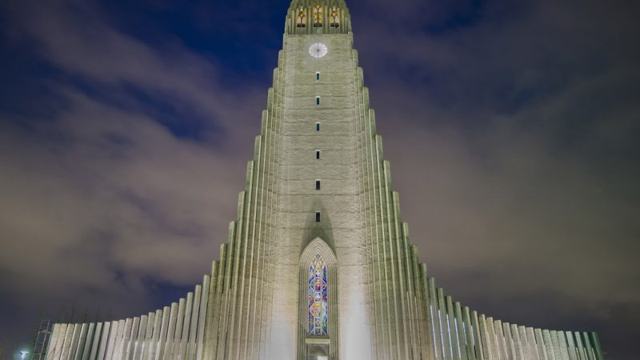
Petty theft does happen. Keep bags zipped in busy places such as Hallgrímskirkja, Laugavegur and popular Golden Circle car parks, shield your PIN when paying, and never leave valuables visible in a parked car.
The real risk: nature
Iceland's beauty comes with power behind it. Most serious visitor incidents involve the weather, the coast, the roads or wild terrain, not crime. The Visit Iceland safety guide puts it simply: preparation matters more than fear.
Before every day out, check three things: the weather at vedur.is, road conditions at umferdin.is or road.is, and alerts and closures at safetravel.is. In an emergency dial 112 for police, ambulance and search and rescue.
Beaches and sneaker waves
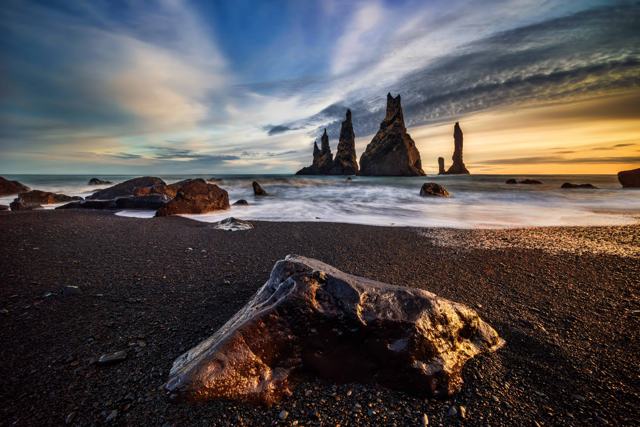
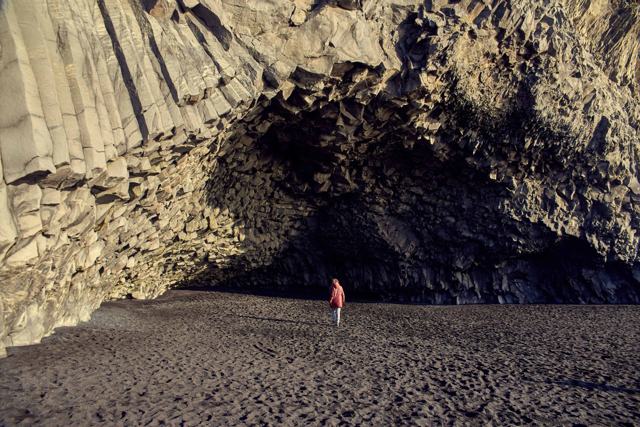
Reynisfjara is the most dangerous place on the usual tourist route. Sneaker waves can run far up the beach with no warning and pull people out to sea. Several visitors have died there, including in summer 2025, and the authorities have since added a colour-coded warning system, with the red light now activating more often, and a gate to close access in high-risk conditions.
One tour operator reports that a landslide and heavy coastal erosion in February 2026 changed the beach, with visitors now directed to the upper viewing platforms rather than the waterline. Check the current situation on SafeTravel before you go. If you would rather visit with a guide, see our private South Coast tour or our other South Coast tours. Never turn your back on the sea, and stay well above the wet sand line.
Driving safely
Road conditions cause more trouble for visitors than anything else. Watch for gravel roads, single-lane bridges with blind rises, and sudden crosswinds. Park facing into the wind and hold the car door with both hands, because a gust can bend it back past its hinges.
F-roads in the highlands need a four-wheel drive and usually open from late May to mid-July, closing again around mid-September. River crossings are not covered by standard insurance. Off-road driving is illegal, with fines starting at 350,000 ISK. If you would rather not drive in winter, a guided tour is a sensible option, such as our 6-day winter Ring Road tour or one of our other winter Ring Road tours.
Hot springs, glaciers and volcanoes
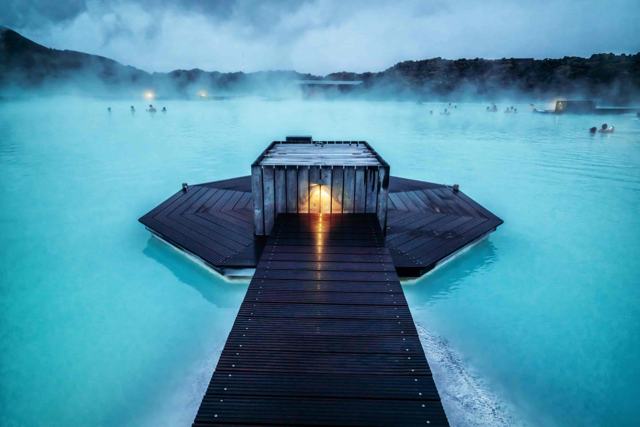
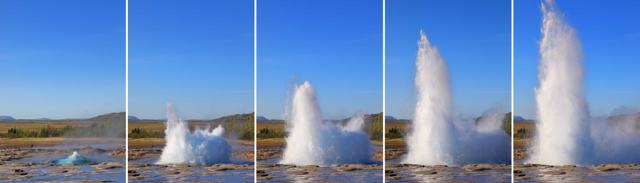
Stay on paths around geothermal areas such as Geysir and never test water with your hand. Ground and water can be far above boiling point.
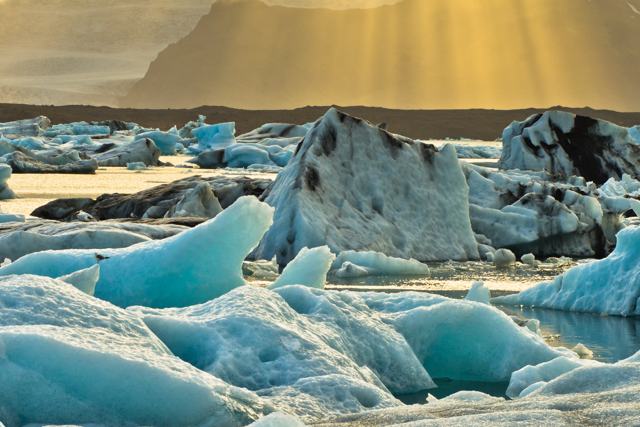
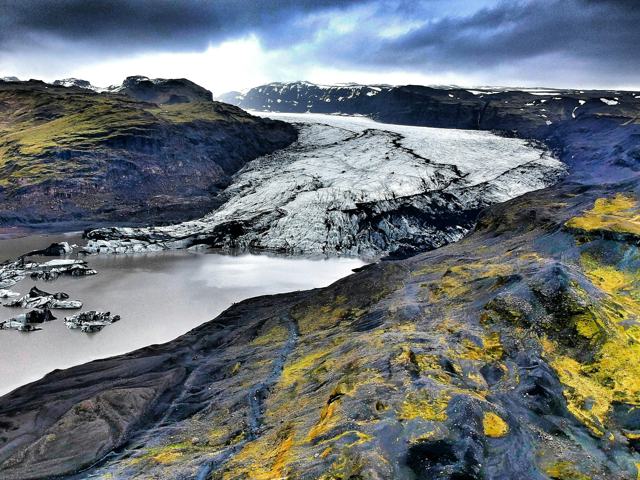
Glaciers and ice caves need a certified guide because of hidden crevasses and unstable ice. Our Sólheimajökull glacier hike and other glacier hiking tours are led by trained glacier guides. Never walk onto the ice at a glacier lagoon like Jökulsárlón, as icebergs can roll without warning.
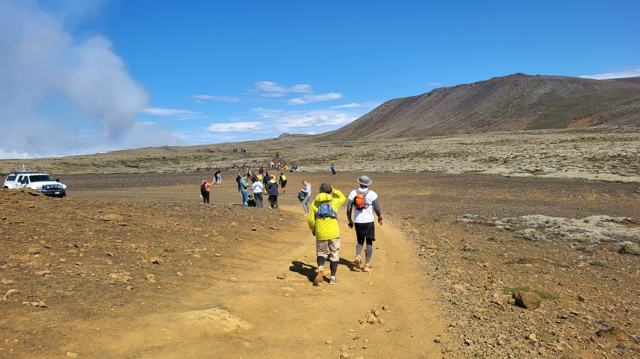
Volcanic activity on the Reykjanes Peninsula has been in remote areas, and flights and the main roads have kept running. Follow the authorities' closures. A guided volcano tour, such as our volcano tour in Iceland, is an easy way to see the area. Our volcano guide explains how to watch eruptions safely.
Simple rules that keep you safe
A few habits cover most of what can go wrong.
- Check weather, roads and alerts every morning.
- Tell someone your route, and register highland trips on SafeTravel.
- Dress for changing weather. See our packing list.
- Respect closure signs and barriers. They are there for good reason.
- Book glacier and ice cave trips with certified guides.
- Take out travel insurance that covers outdoor activities.
Tours to book
If you would like a local guide to handle the roads, the weather and the safety calls, these are good places to start.
- 6 Day Iceland Ring Road Tour (winter): the whole country in winter, without driving icy roads yourself.
- Private South Coast Tour: Reynisfjara and the South Coast with a guide just for your group.
- Solheimajokull Glacier Hike: walk on a glacier the safe way, with crampons and a guide.
Questions people ask
Is Iceland safe for tourists in 2026?
Yes. Iceland is ranked first in the 2026 Global Peace Index. Crime against visitors is rare, and the main risks are weather, roads and natural hazards.
Is Iceland safe for solo travellers?
Yes. Solo travellers generally find Iceland straightforward. Take normal city precautions and stay careful with weather, driving and remote hikes.
What number do I call in an emergency in Iceland?
Dial 112 for police, ambulance and search and rescue. The SafeTravel app also lets you send your location to rescue teams.
Are the volcanic eruptions a danger to visitors?
Recent eruptions on the Reykjanes Peninsula have been in remote areas, and Keflavík Airport has kept operating. Follow official closures and check safetravel.is before you travel.