Iceland Travel Guide logo Iceland Travel GuideLOCAL TRAVEL AGENCY IN ICELAND My trip Talk to a local
Reykjavík, the capital city of Iceland

CapitalCityFree to walkOpen all year
REYKJAVÍK IN SHORT

Reykjavík is Iceland's capital and by far its biggest city, with about 140,000 residents in the city and roughly 250,000 in the wider capital region, around two thirds of the country. It is the starting point for most trips to Iceland, with a compact, walkable centre, and works well as a base for day tours or a few days before or after driving the Ring Road.

ON THIS PAGE
Quick factsHistoryGetting thereHighlightsCity toursFoodOutdoorsBest time to visitSafety tipsFacilitiesMapNearbyWhere to stayFAQ

About Reykjavík

Reykjavík is small by international standards, but it packs in most of what a visitor needs: good restaurants, museums, live music, geothermal swimming pools, and a harbour with whale-watching and puffin boats in season. The centre, around Laugavegur and the old harbour, is easy to explore on foot in a day or two.

It is the northernmost capital of any sovereign state, and almost all of its heating and hot water comes from geothermal sources, which is why the air is clean and the outdoor pools are warm all year. Most of the main sights are within walking distance of each other, and most guided day tours in Iceland depart from here, so it suits travellers who would rather not drive.

Outside the centre, Reykjavík also has quieter sides: the Grótta lighthouse at Seltjarnarnes, the Elliðaárdalur valley for walking or cycling, and Öskjuhlíð hill with Perlan and views over the city. Most people combine time in the city with day tours to the Golden Circle, the south coast or the Blue Lagoon, all of which run daily from Reykjavík.

Quick facts

RegionSouthwest Iceland, on Faxaflói bay
PopulationAbout 139,800 in the city and about 251,900 in the capital region (2026, Wikipedia); the city holds around 35% of Iceland's people
SettlementTraditionally dated to 874, when Ingólfur Arnarson settled here
CapitalCapital of the Republic of Iceland since 1944
From Keflavík AirportAbout 50 km, roughly 40–50 minutes by road
EntryFree to walk around; museums and pools charge separately
HallgrímskirkjaChurch free to enter; tower 1,500 ISK for adults, 200 ISK for ages 7–16
Swimming poolsAdult single entry 1,500 ISK, ages 10–17 400 ISK, under 10 free with a guardian (since May 2026)
Time needed1–3 days to see the city centre and main sights

From farm to capital

According to the Icelandic sagas, the first permanent Norse settlement in Iceland was made here by Ingólfur Arnarson, traditionally in 874. The name means "smoky bay", after the steam rising from nearby hot springs.

For centuries it remained a small farm and trading post. It received its trading town charter in 1786 and grew through the 19th and 20th centuries. Reykjavík became the capital of the Republic of Iceland in 1944. Much of its current character, colourful corrugated-iron houses and a lively café and music scene, dates from the 20th century.

How to get to Reykjavík

By airMost international flights land at Keflavík Airport, about 50 km from central Reykjavík, roughly 40–50 minutes by road. Flybus and other airport buses, taxis and hire cars all run to the city.
By carReykjavík is the natural starting and end point for a Ring Road trip, connected to the rest of the country by Route 1.
Getting aroundThe city centre is walkable. Strætó city buses cover the wider area, and day tours to the Golden Circle, south coast and other regions depart daily from Reykjavík with hotel pick-up.

Top attractions in Reykjavík

A few sights anchor most first visits to the city, and nearly all of them are a walk from the centre.

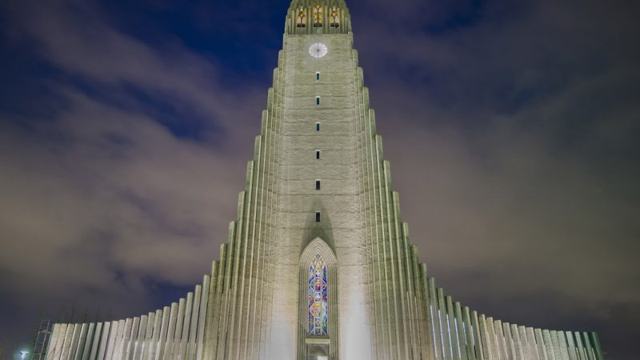
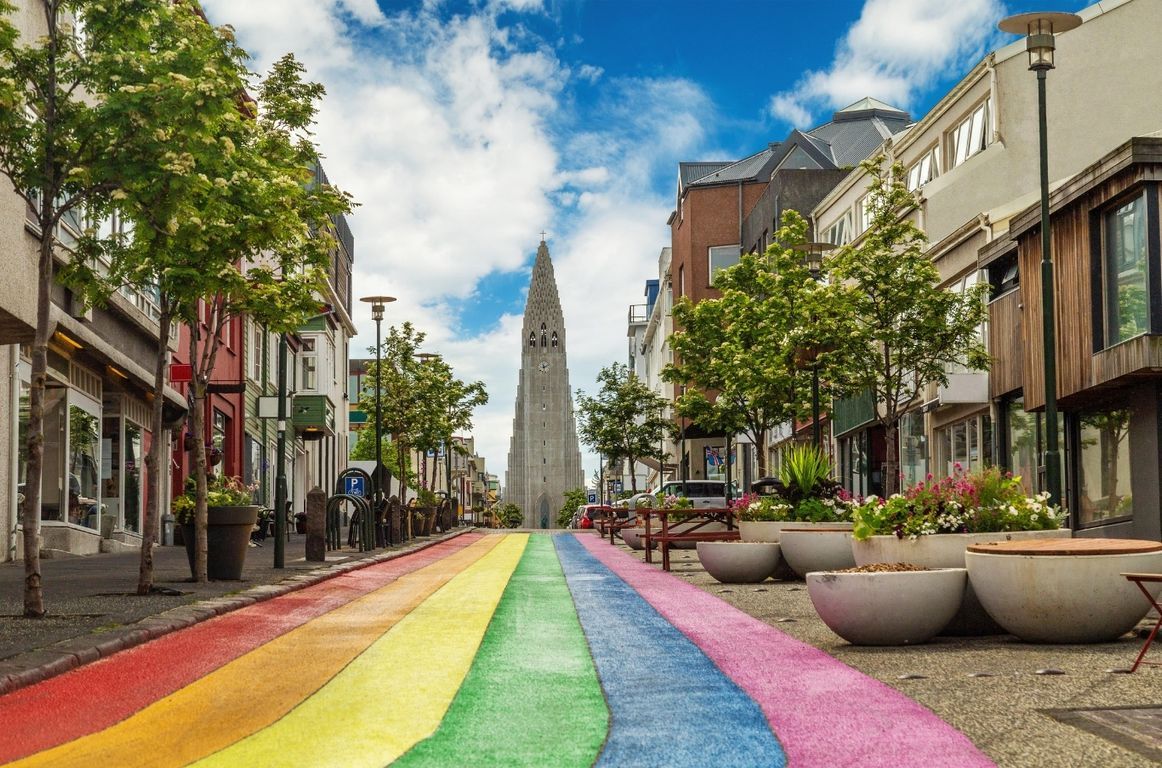
HallgrímskirkjaThe tall church that dominates the skyline, its concrete columns modelled on Iceland's basalt cliffs. The church is free to enter, and a lift goes up the tower to a viewing deck that costs 1,500 ISK for adults. Tower hours are 9:00–19:45 in summer and 10:00–16:45 from September to May.
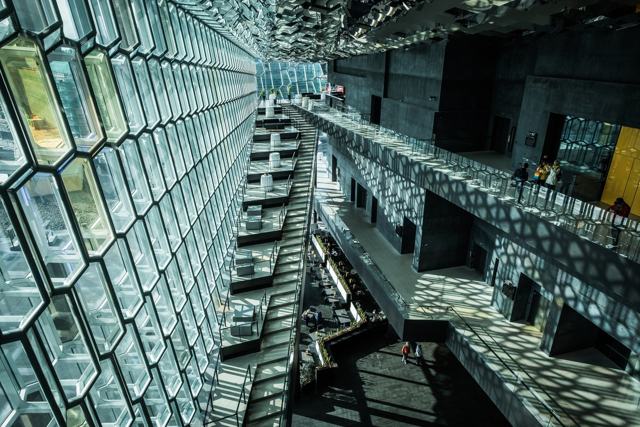
HarpaThe glass concert hall on the harbour, home of the Iceland Symphony Orchestra. Its honeycomb façade also takes its shape from basalt, and it is striking to walk through even without a ticket to a show.
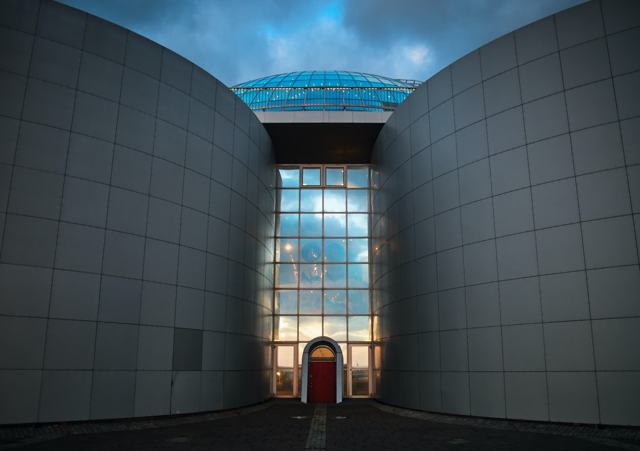
PerlanThe glass dome on Öskjuhlíð hill, with exhibitions on Icelandic nature, a man-made ice cave, a planetarium show and an observation deck with views over the whole city. Booking ahead is wise in high season.
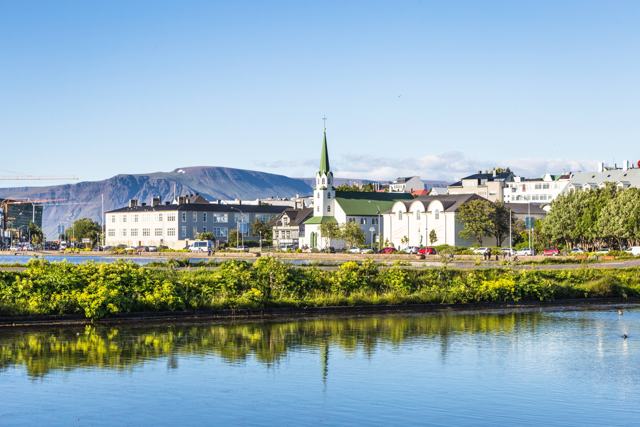
National Museum of IcelandThe place to get the whole story in one visit, from Viking-age finds and the settlement to the present day. It is a short walk from the city pond, Tjörnin.
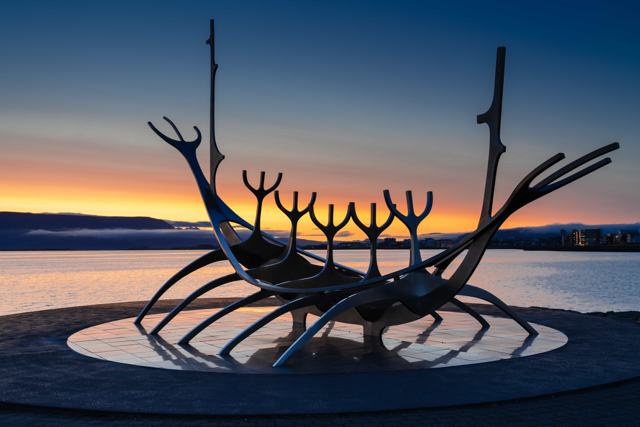
Sun Voyager (Sólfar)The steel sculpture on the waterfront, a few minutes from Harpa. Many take it for a Viking ship; the artist described it as a dream boat and an ode to the sun. It is one of the most photographed spots in the city, best at sunset.
LaugavegurThe main shopping street, lined with boutiques, wool and design shops, cafés, bars and restaurants. This is where to look for souvenirs and where much of the city's street life and nightlife happens.
The old harbourDeparture point for whale-watching and puffin tours, and home to seafood restaurants, museums and ice cream shops.
Swimming poolsGeothermally heated pools such as Laugardalslaug, which has a 50 m outdoor pool, hot tubs and slides, are a real local tradition. An adult swim costs 1,500 ISK, and it is a good way to relax between sightseeing.

Guided city tours in Reykjavík

A guided tour is a good way to get your bearings on the first day and to hear the stories behind what you are looking at. These are the main kinds on offer.

Walking toursA couple of hours on foot with a local guide, covering Hallgrímskirkja, Harpa, the Sun Voyager, the parliament and the old streets in between, with history, folklore and plenty about daily life in Iceland.
Food toursA walk between several restaurants and cafés to taste Icelandic food: lamb soup, fresh fish, skyr, a hot dog, and fermented shark for the brave. A good choice for a first evening.
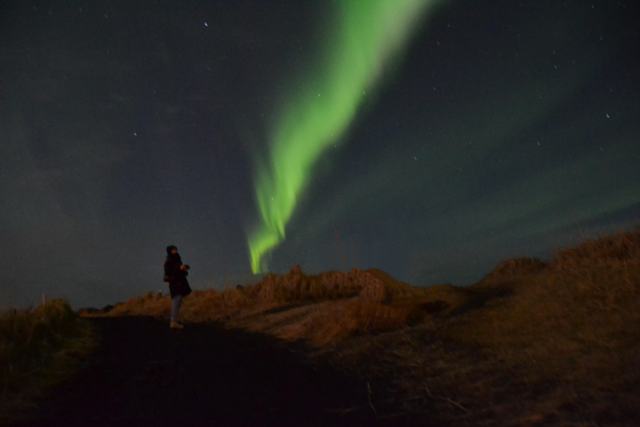
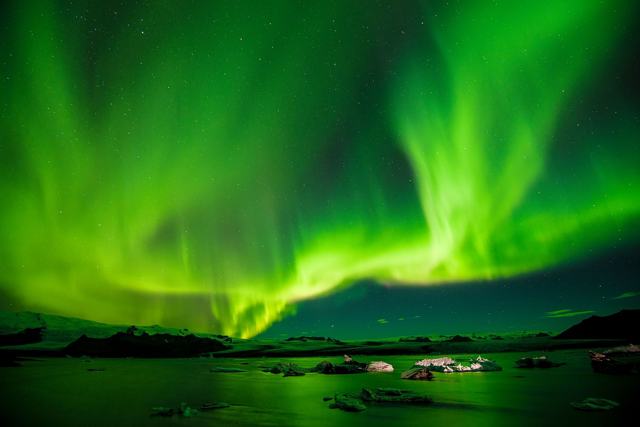
Northern lights toursFrom roughly September to mid-April, evening tours drive out of the city to wherever the sky is clearest and darkest. Guides read the cloud and aurora forecasts and often help with camera settings. Sightings are never guaranteed.
History and culture toursFor those who want more depth: the Viking settlement, the sagas and how a small trading post became a modern capital, often with stops at the National Museum, Hallgrímskirkja and the old harbour.
Bike and scooter toursThese cover more ground than a walk, following the seaside paths, the quieter residential streets and the route out towards Perlan. Helmets and bikes are provided.
Whale watching and sea toursBoats leave from the old harbour all year to look for minke whales, humpbacks, dolphins and porpoises in Faxaflói bay. In summer, shorter trips go out to the small puffin islands just offshore.

Day tours to the Golden Circle, the south coast and Snæfellsnes also start in Reykjavík, most with pick-up from bus stops near the central hotels.

What to eat in Reykjavík

The city's restaurants mix traditional Icelandic ingredients with modern cooking. These are the things to try.

Icelandic lambSheep roam free on the hills all summer, and the meat is tender with a mild flavour. Try it as kjötsúpa, the classic lamb and vegetable soup, or roasted or grilled.
Fish and seafoodCod, haddock, salmon, Arctic char and langoustine come in fresh daily. Fish of the day is often the best-value dish on a menu.
SkyrA thick, high-protein dairy product somewhere between yoghurt and soft cheese. Eat it plain, with berries and cream, or in desserts and smoothies.
Hot dogs (pylsur)Iceland's favourite fast food, made partly with lamb. Ask for "ein með öllu", one with everything: ketchup, sweet mustard, remoulade, raw onion and crispy fried onion. The Bæjarins Beztu stand near the harbour is the best known.
Fermented shark (hákarl)A traditional food with a strong ammonia smell, usually served in small cubes and chased with a shot of Brennivín, the local caraway schnapps. More of a dare than a meal, but part of the experience.

Outdoor activities in Reykjavík

Nature is never far away, even inside the city limits.

Thermal poolsEvery neighbourhood has its own outdoor geothermal pool with hot tubs, and going for a soak is part of everyday life here. Laugardalslaug is the largest.
Nauthólsvík geothermal beachA man-made beach of golden sand below Öskjuhlíð, where hot water is run into a sheltered lagoon so the sea is warm enough to bathe in, with a long hot tub on the shore. Locals also come for cold sea swimming.
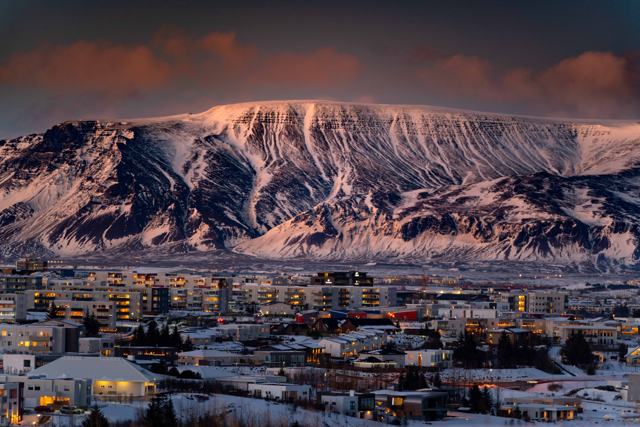
Hiking Mount EsjaThe 914 m mountain across the bay is the city's favourite hike. The trailhead is about 20–25 minutes' drive from the centre, and the marked path climbs to wide views over Reykjavík and Faxaflói. The upper part is steep, and conditions in winter call for proper gear.
Quieter cornersWalk or cycle the shore path to the Grótta lighthouse at Seltjarnarnes, follow the river through the Elliðaárdalur valley, or wander the wooded paths of Öskjuhlíð.

Best time to visit Reykjavík

SummerLong daylight, festivals, and the best weather for walking around the city and harbour.
WinterShort days but a good base for Northern Lights tours, and the city's cafés and pools feel especially welcoming in the cold.

Safety and practical tips

  • Icelandic swimming pool etiquette requires a thorough shower without swimwear before entering; signs explain the rules.
  • Weather can change quickly even in the city, so bring a waterproof layer whatever the season.
  • Day tours to the Golden Circle, south coast and Blue Lagoon almost all depart from central Reykjavík, so a hotel there is convenient if you are not renting a car.
  • Restaurants can be pricier than visitors expect; lunch specials are usually better value than dinner.
  • Book popular tours and Perlan tickets ahead in summer and around Christmas and New Year.
  • Tap water is excellent and free. The hot water can smell faintly of sulphur because it is geothermal; the cold water does not.

Facilities and accessibility

Reykjavík has the full range of hotels, restaurants, shops, banks, hospitals and public toilets expected of a capital city.

On the map

Open in Google Maps →

Nearby places worth a stop

HallgrímskirkjaHallgrímskirkjaThe city's landmark churchHarpaHarpaConcert hall on the harbourPerlanPerlanMuseum and viewing deck on Öskjuhlíð hillSun VoyagerSun VoyagerSteel ship sculpture on the waterfront
GróttaSmall lighthouse and nature area at Seltjarnarnes
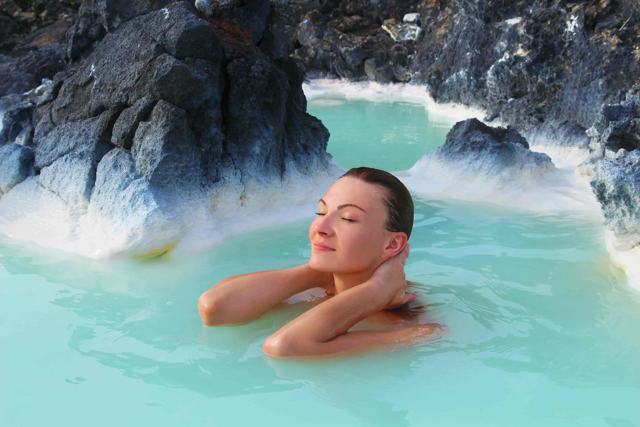
Blue LagoonBlue LagoonIceland's best-known geothermal spa, on the way to or from the airport
LaugavegurThe main shopping street
TjörninTjörninThe city pond, popular with birdlifeNauthólsvíkNauthólsvíkGeothermal beach below ÖskjuhlíðEsjaEsjaThe city's favourite hiking mountain

Where to stay near Reykjavík

Reykjavík has the widest choice of accommodation in Iceland, from hostels with dormitory beds and budget guesthouses to mid-range and luxury hotels. Most are in and around the city centre, within walking distance of the main sights. Staying near Laugavegur or the old harbour is the most convenient if you are joining day tours without a car.

Reykjavík FAQ

How many days should I spend in Reykjavík?

One to three days is typical, enough to see the centre and fit in a day tour or two, before or after exploring the rest of Iceland.

Is Reykjavík expensive?

Iceland generally has a high cost of living, and Reykjavík is no exception. Lunch specials and self-catering can help manage costs.

How far is Reykjavík from Keflavík Airport?

About 50 km, around 40–50 minutes by road, with Flybus, other buses and taxis.

Can I see the Northern Lights in Reykjavík?

Sometimes, on dark, clear nights in winter, but city lights reduce visibility. Many visitors join a tour out of town for a better chance.

What are the top attractions in Reykjavík?

Hallgrímskirkja, Harpa, Perlan, the National Museum of Iceland, the Sun Voyager sculpture, the Laugavegur shopping street, the old harbour and the geothermal swimming pools.

Is Reykjavík walkable?

Yes. Most of the main attractions are within walking distance of the city centre. Perlan and the Laugardalur pool are a longer walk or a short bus ride.

What food should I try in Reykjavík?

Icelandic lamb, fresh fish, skyr and a hot dog with everything. Fermented shark with Brennivín is there for the adventurous.

What does the name Reykjavík mean?

"Smoky bay". The first settlers named it after the steam they saw rising from hot springs in the area.

See Reykjavík with a local

Tours and trips that include Reykjavík, booked directly with a local travel agency in Iceland.
Northern Lights Private Tour from ReykjavikPRIVATENorthern Lights Private Tour from ReykjavikFrom 80,000 ISK per groupPrivate Golf Tour from ReykjavikPRIVATEPrivate Golf Tour from ReykjavikFrom 150,000 ISK per groupKatla Ice Cave & South Coast Tour from ReykjavikDAY TOURKatla Ice Cave & South Coast Tour from ReykjavikFrom 36,199 ISK per personGolden Circle Tour: Small-Group Tour from Reykjavik with Brúarfoss & KeriðDAY TOURGolden Circle Tour: Small-Group Tour from Reykjavik with Brúarfoss & KeriðFrom 12,927 ISK per personReykjavik Northern Lights TourDAY TOURReykjavik Northern Lights TourFrom 13,990 ISK per personReykjavik Snowmobile TourDAY TOURReykjavik Snowmobile TourFrom 42,990 ISK per person
More places in Reykjavík