Iceland Travel Guide logo Iceland Travel GuideLOCAL TRAVEL AGENCY IN ICELAND My trip Talk to a local
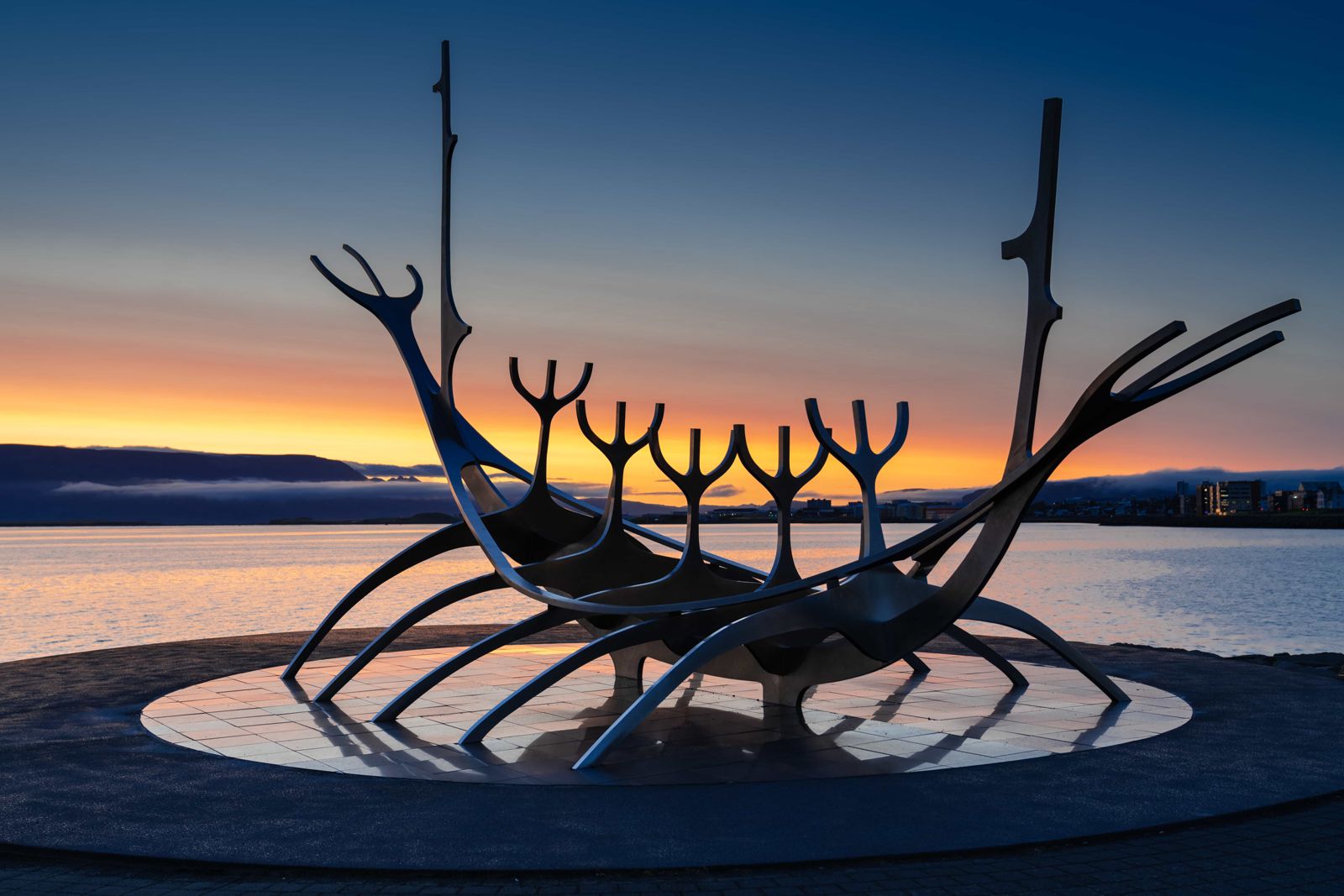
The Sun Voyager (Sólfar)

ReykjavíkLandmarkFree entryOpen all year
THE SUN VOYAGER IN SHORT

The Sun Voyager (Sólfar) is a stainless steel sculpture on the Sæbraut waterfront in Reykjavík, unveiled on 18 August 1990. It is free to visit, always accessible, about a 10-minute walk from Harpa, and most people spend 10–15 minutes there.

ON THIS PAGE
Quick factsHistoryGetting thereAroundBest time to visitSafety tipsFacilitiesMapNearbyWhere to stayFAQ

About The Sun Voyager

The Sun Voyager was made by the sculptor Jón Gunnar Árnason, who won a 1986 competition held to mark Reykjavík's 200th anniversary. It stands on a circle of granite slabs by the sea, looking across Faxaflói bay. It looks like a Viking longship, but the artist described it as a dreamboat and an ode to the sun. He meant it to suggest the promise of undiscovered territory, hope, progress and freedom.

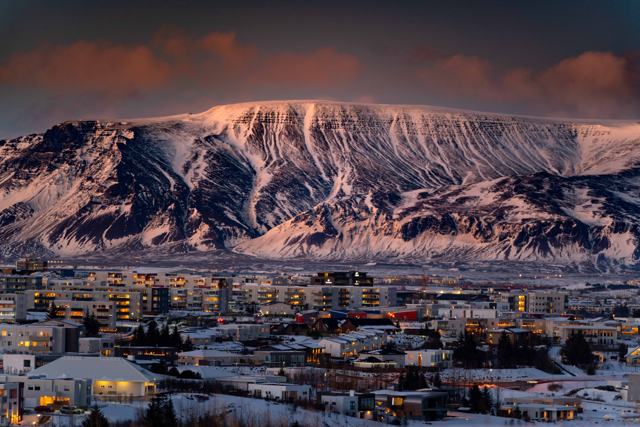
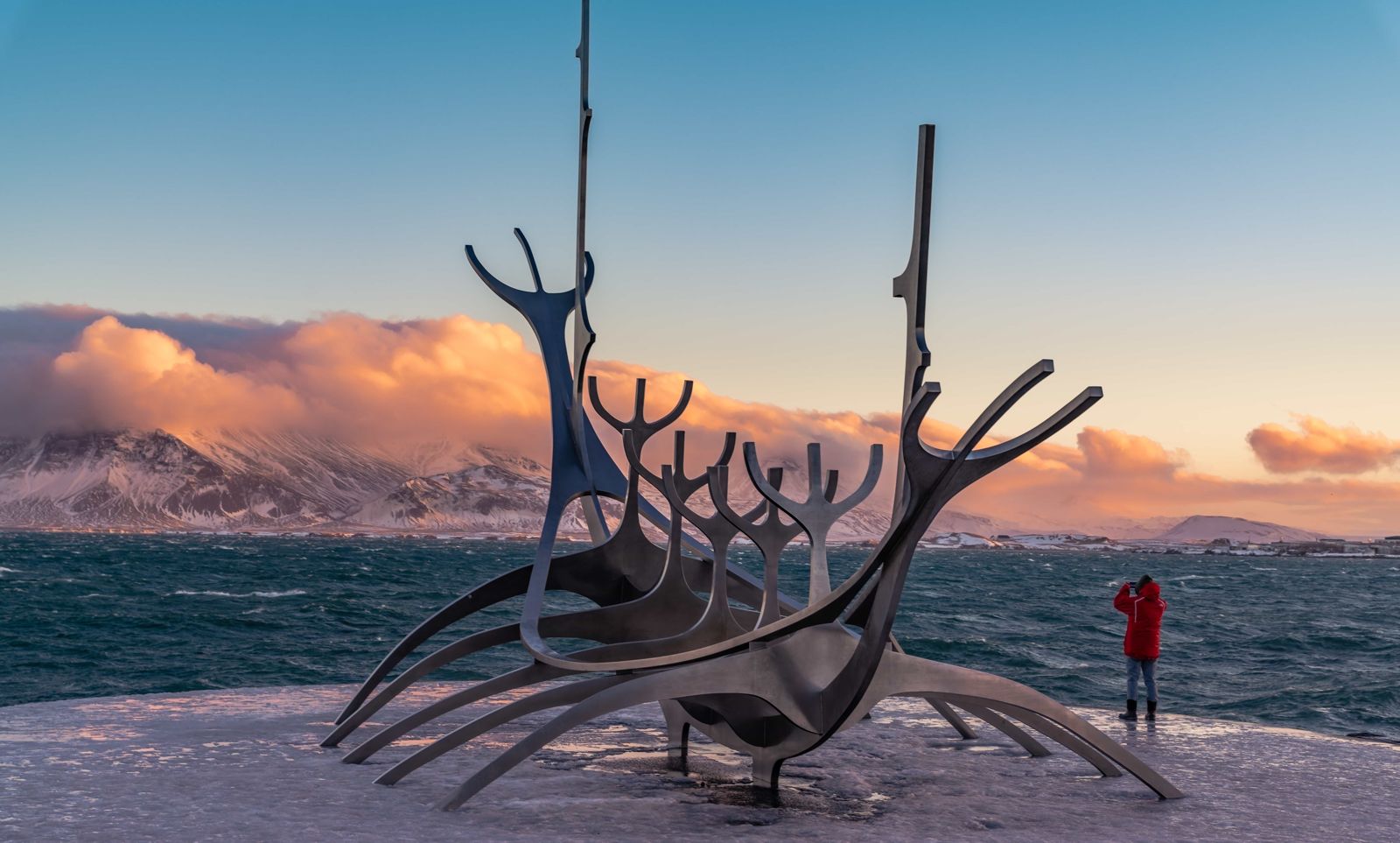
The setting makes it one of the most photographed spots in Reykjavík, with the mountain Esja across the bay. Sunset in summer and clear winter evenings, when the Northern Lights can show above the water, are popular times.

The sculpture is called Sólfar in Icelandic, or Sólfarið with the definite article. It faces roughly north, out to sea, and is one of the most visited sights in the capital. Standing beside it you are only a few minutes from the busy streets of the centre, but the open water and the mountains give it a calm of its own.

Quick facts

ArtistJón Gunnar Árnason (1931–1989)
Unveiled18 August 1990, Reykjavík's birthday, for its 200th anniversary
CompetitionWon in 1986; a small aluminium model came first
MaterialStainless steel, on a circle of granite slabs
LocationSæbraut, on the Reykjavík waterfront
From HarpaAbout 0.6 km, a 5–10 minute walk
From HallgrímskirkjaAbout 800 m, a 10–12 minute walk downhill
EntryFree
Opening hoursOpen all year, always accessible
Time needed10–15 minutes

A dreamboat, not a Viking ship

Jón Gunnar Árnason drew up the full-size design himself, but he died in 1989, before it was finished. His assistant Kristinn E. Hrafnsson oversaw the construction of the steel version, and the sculpture was unveiled on Reykjavík's birthday, 18 August 1990.

The artist left the meaning open. He wanted viewers to make their own interpretation, and locals and visitors have read different things into the flowing shape over the years.

How to get to The Sun Voyager

On footIt is an easy, flat walk along the waterfront from Harpa (5–10 minutes) or from Hallgrímskirkja (about 10–12 minutes downhill). The path is paved and step-free.
By carThe sculpture sits on the Sæbraut road along Reykjavík's waterfront. There is limited street parking nearby, and it fills up at busy times. Harpa has a paid car park.
By public transportThere is no bus stop right at the sculpture. The nearest stops are around Lækjartorg, about 10 minutes' walk away. Check Strætó for the current routes.

Places to see around the Sun Voyager

The sculpture is in the city centre, so it is easy to link with other stops on a walk.

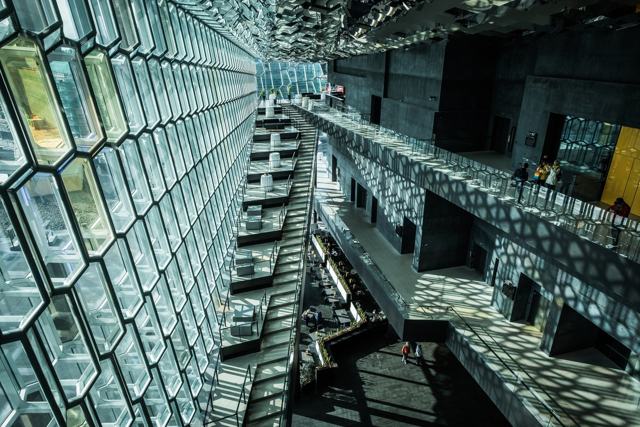
Harpa concert hallAbout 600 m west along the shore path. Harpa is Reykjavík's concert and conference hall and the centre of the city's cultural life, with concerts ranging from the symphony orchestra to Icelandic folk and pop. Most of the city's big events take place here.
Faxaflói bay and EsjaThe view is what makes this spot. Faxaflói is the wide bay between the Reykjanes and Snæfellsnes peninsulas, and straight across the water is Esja, the mountain Reykjavík locals think of as their own.
Whale watching and puffin toursBoats leave the Old Harbour, a little beyond Harpa, for whale watching on Faxaflói, and for puffin trips in summer. Minke and humpback whales are the species most often seen in the summer months.
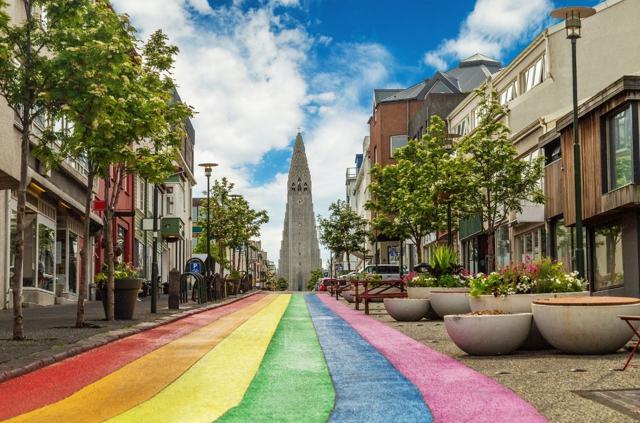
Laugavegur and HallgrímskirkjaThe street Frakkastígur runs straight uphill from the sculpture. It crosses Laugavegur, the main shopping street, after about 300 m and ends at Hallgrímskirkja church.

Best time to visit The Sun Voyager

SummerLong daylight and mild weather, including the midnight sun period in June, give soft evening light over the bay and plenty of time to fit the sculpture into a full day in the city.
WinterEsja across the bay is often capped with snow, and on clear nights the waterfront here is an easy spot to look for the Northern Lights over the sea. The weather is less predictable, and it is windy and cold, so dress warmly.

Safety and practical tips

  • Visit around sunset in summer for good light, or early morning for fewer people.
  • Combine it with a walk along the harbour to Harpa concert hall.
  • In winter, dress warmly if you plan to linger for the Northern Lights.
  • There is no fence or barrier, so it is easy to photograph from any angle, but be considerate when it is busy.

Facilities and accessibility

There are no facilities at the sculpture itself. Cafés, toilets and shops are a short walk away in the city centre or at Harpa.

On the map

Open in Google Maps →

Nearby places worth a stop

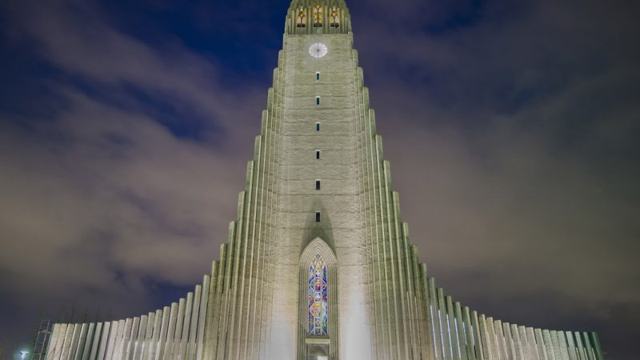
Harpa Concert HallHarpa Concert HallAbout 0.6 km along the waterfrontHallgrímskirkjaHallgrímskirkjaReykjavík's landmark church, about 800 m inlandReykjavíkReykjavíkIceland's capital cityEsjaEsjaMountain visible across the bay
LaugavegurMain shopping street, about 300 m inland
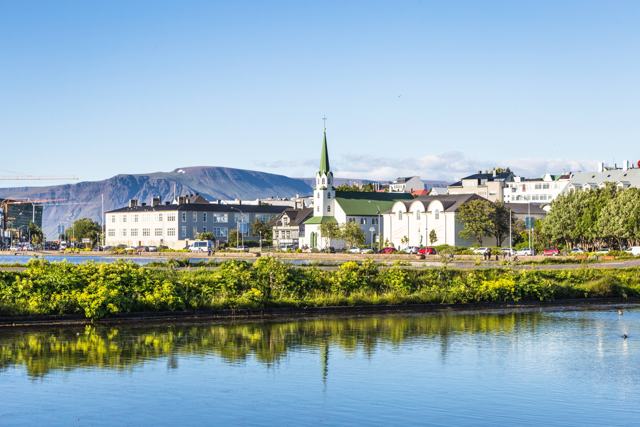
TjörninTjörninThe city pond beside City Hall

Where to stay near The Sun Voyager

The Sun Voyager is in central Reykjavík, so it suits any stay in the city itself. There are hotels and guesthouses on all sides within a few minutes' walk. If you are camping your way round the country, the city campsite is in Laugardalur, east of the centre.

The Sun Voyager FAQ

Is the Sun Voyager a Viking ship?

No, although it looks like one, the artist described it as a dreamboat and an ode to the sun, not a historical replica.

Is there an entry fee?

No, it is a public sculpture on the waterfront and free to visit at any time.

How long should I spend there?

Most people stop for 10–15 minutes, often as part of a longer walk along the harbour.

Is it easy to reach without a car?

Yes, it is an easy, flat walk from Harpa or from downtown Reykjavík along the waterfront.

When was it made?

Jón Gunnar Árnason won the competition in 1986, and the full-size sculpture was unveiled on 18 August 1990.

What does Sólfar mean?

Sólfar is the Icelandic name of the sculpture and means Sun Voyager. You will also see it written Sólfarið, which is the same word with the definite article.
More places in Reykjavík