Iceland Travel Guide logo Iceland Travel GuideLOCAL TRAVEL AGENCY IN ICELAND My trip Talk to a local
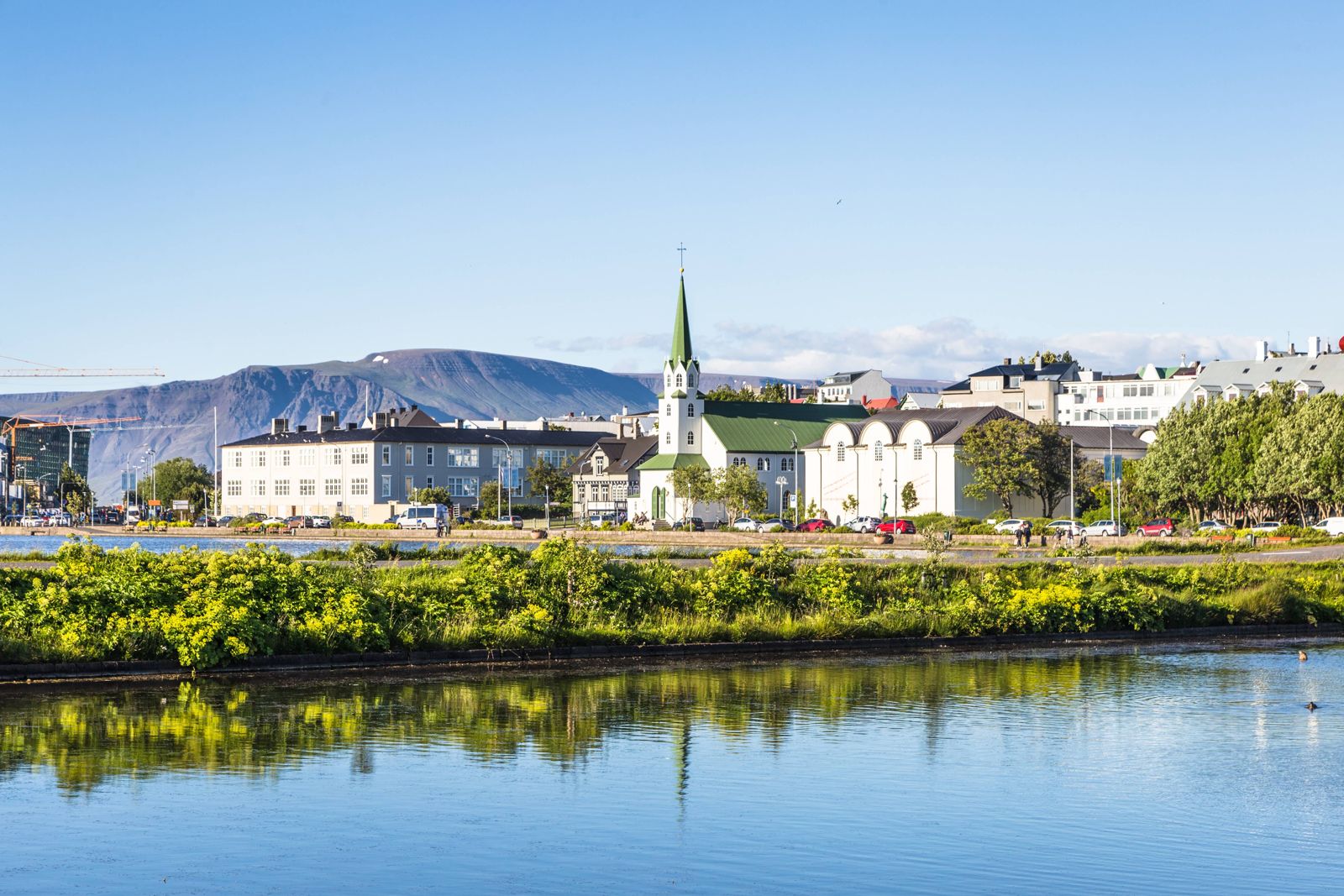
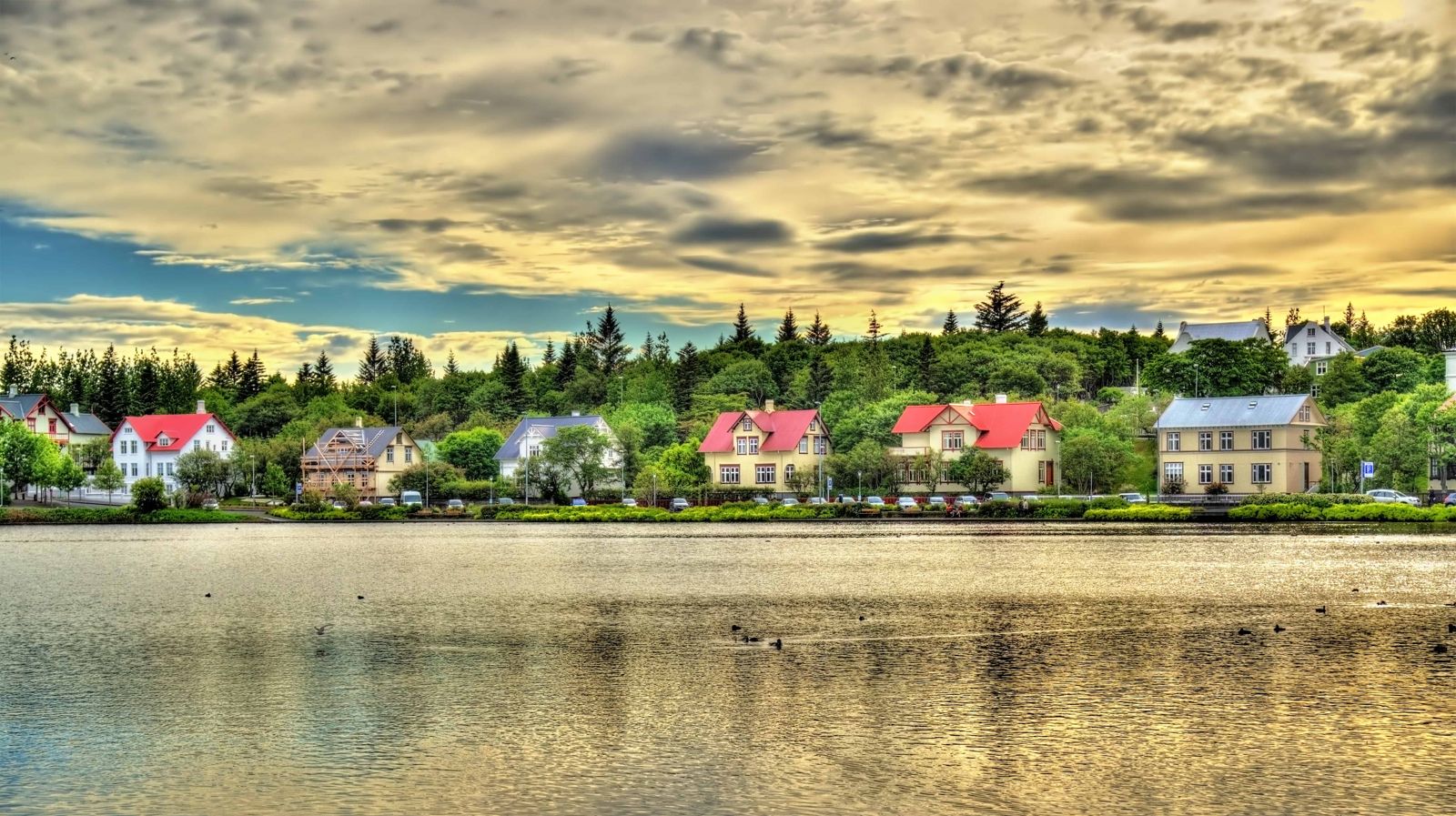
Tjörnin pond, Reykjavík

ReykjavíkLakeFree entryOpen all year
TJÖRNIN IN SHORT

Tjörnin is a shallow pond right in the centre of Reykjavík, next to City Hall, free to visit and open at all times. It takes only a few minutes to walk from downtown, and most people spend 20–30 minutes walking around it or feeding the birds.

ON THIS PAGE
Quick factsHistoryGetting thereExploreSkatingBest time to visitSafety tipsFacilitiesMapNearbyWhere to stayFAQ

About Tjörnin

Tjörnin sits at the heart of Reykjavík, bordered by City Hall, the National Gallery and rows of brightly painted old houses, and it is almost impossible to miss if you spend any time downtown. The name simply means "the pond". It is very shallow, averaging only about 57 cm deep and about 80 cm at its deepest, which is part of why it attracts so many birds and why it freezes over for skating in a cold snap.

Between 40 and 50 species of water birds use the pond, including whooper swans, eider ducks, greylag geese and Arctic terns in summer. It has long been a favourite local spot for feeding ducks, walking, and simply sitting by the water in the middle of the city.

Tjörnin is the largest of a chain of small ponds that run south into the Vatnsmýri wetland, a protected nesting area. The main pond covers about 8.7 hectares, with the city centre at its north end and the park Hljómskálagarður at its south end, so a walk around it takes you from the busiest streets in Iceland to open grass and trees in a few minutes.

Quick facts

DepthAverage about 57 cm, maximum about 80 cm
SizeAbout 8.7 hectares
Birds40–50 species of water birds recorded
SkatingOn natural ice in cold spells; the Reykjavík skating association was founded here in 1892
RegionReykjavík city centre, next to City Hall
EntryFree
Opening hoursOpen all the time, no gates
Time needed20–30 minutes for a walk around

From sea lagoon to city pond

Tjörnin started out as a lagoon behind a gravel bar on the shore, roughly where the street Hafnarstræti runs today. Before Reykjavík grew up around it, the pond was larger and reached further north. A small stream, Lækurinn ("the brook"), ran from it to the sea, and at high tide salt water flowed back up into the pond.

In 1911 the stream was put into a culvert. It still runs under Lækjargata, the street named after it, but the tide no longer reaches the pond. In 1920 the street Skothúsvegur was built across the water, cutting the pond in two.

The pond has been part of city life the whole time. Ice was once cut from it in winter and stored in ice houses to keep fish fresh; one of them, built in 1916, now houses the National Gallery of Iceland on the east bank. Shooting ducks and geese on the pond was banned in 1919, and the bird life has grown since.

How to get to Tjörnin

On footTjörnin is in the middle of downtown. It is two or three minutes' walk from Austurvöllur square and the Parliament building, and about ten minutes downhill from Hallgrímskirkja.
By carYou do not need a car to see Tjörnin, and it is easiest reached on foot as part of exploring downtown. If you are driving, use the paid street parking or one of the city-centre car parks and walk from there.
By public transportCity buses stop along Lækjargata and by City Hall, a minute or two from the water.

Explore around Tjörnin pond

The best thing to do here is the simplest: walk the whole way round.

The walk around the pondBoth banks are paved, so the loop is easy with a pushchair or wheelchair. The west side, along Tjarnargata, is lined with colourful timber houses that are among the most expensive homes in Iceland. Evening is a good time, when the light is low and the birds are busy.
City HallReykjavík City Hall stands in the north-west corner, built partly out over the water. The footbridge beside it is where most people stop to watch the ducks and swans.
Buildings on the banksOn the north shore is Iðnó, an old theatre that is now an event venue with a café and restaurant, and nearby is the independent theatre Tjarnarbíó. On the east bank are the church Fríkirkjan and the National Gallery of Iceland. The Parliament building and the cathedral are a short walk north.
Hljómskálagarður parkThe park at the south end has paved paths that are popular with runners and cyclists, a playground and lawns for a picnic. It also holds a sculpture garden devoted to the first Icelandic women sculptors.
BirdwatchingFive species of duck nest here most years: mallard, gadwall, scaup, tufted duck and teal. Add the swans, geese, eiders and the Arctic terns that arrive in May, and it is an easy place to see a lot of birds without leaving the city.
Food nearbyThe pond is a few steps from the cafés, bakeries and street food of downtown, so it is easy to pick something up and eat it on a bench by the water.

Ice skating on Tjörnin

In a cold winter the pond becomes a flat sheet of ice, and people in Reykjavík have skated on it for as long as there have been skates. The Reykjavík skating association was founded on the pond in 1892. There is no rink, no hire and no set season: when the ice is thick enough, people simply turn up, and schools and friends sometimes play football on the ice as well.

Because the water is so shallow, Tjörnin is a forgiving place for a beginner to try skating. Even so, only go out where others are already on the ice and it is clearly solid. Warm water is piped into the north-east corner to keep a patch open for the birds, so the ice there is thin; stay well away from it.

If you do not skate, the frozen pond is still worth a walk, with the swans and ducks crowded into their open corner by City Hall.

Best time to visit Tjörnin

SummerBirds are most active, with terns and ducklings around the water and long daylight for an evening walk. The park at the south end is green and the benches are in use.
WinterMany locals think this is the best season at Tjörnin. In a hard freeze the pond ices over and becomes a place for skating, though this depends on the weather each year.

Winter weather in Reykjavík can turn quickly, with wind and snow storms. Check the forecast and any warnings on vedur.is, and dress for wind even on a short walk.

Safety and practical tips

  • Bring the kids; it is one of the easiest, safest walks in the city centre.
  • Combine it with City Hall, the National Gallery and Hljómskálagarður park right next to it.
  • Check that the ice is safe before stepping onto it in winter; conditions change quickly, and the corner by City Hall is kept open for the birds.
  • Bring a camera. The reflections of the houses and the church on a still day are one of the classic Reykjavík photos.
  • You do not need a guide, but a city walking tour that passes the pond is a good way to hear the stories behind the buildings.

Facilities and accessibility

No facilities at the pond itself, but downtown Reykjavík's cafés, toilets and shops are all a short walk away.

On the map

Open in Google Maps →

Nearby places worth a stop

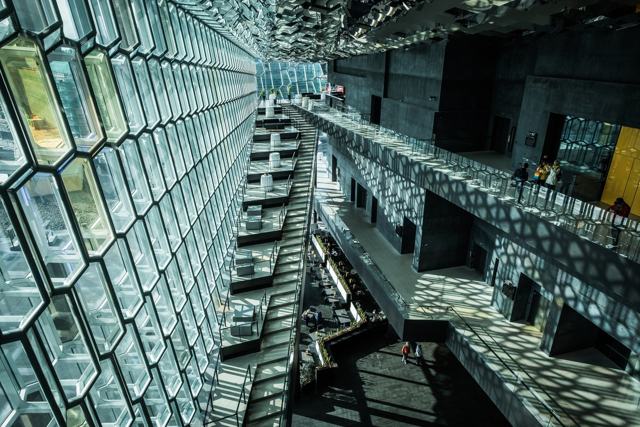
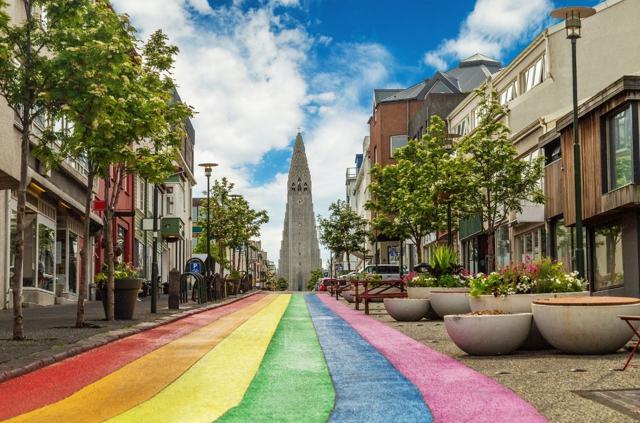
HallgrímskirkjaHallgrímskirkjaReykjavík's landmark church, about ten minutes' walkHarpa Concert HallHarpa Concert HallA short walk towards the harbour
LaugavegurThe main shopping street
Sun VoyagerSun VoyagerSteel sculpture on the seafrontReykjavíkReykjavíkThe city Tjörnin sits in the middle of

Where to stay near Tjörnin

Downtown Reykjavík, right around Tjörnin, has the widest choice of hotels and guesthouses within walking distance.

Tjörnin FAQ

Is Tjörnin free to visit?

Yes, it is an open public pond with no entrance fee.

Can you skate on Tjörnin?

In a hard winter freeze, yes. It depends on the weather each year, there is no skate hire, and you should always check the ice is solid first.

How deep is Tjörnin?

About 57 cm on average and about 80 cm at its deepest point.

Was Tjörnin always a pond?

No. It began as a sea lagoon and was once larger. The stream that linked it to the sea, Lækurinn, has run in a culvert under Lækjargata since 1911.

How long does it take to walk around Tjörnin?

About 20–30 minutes at an easy pace.

What birds can you see at Tjörnin?

Whooper swans, eider ducks, greylag geese, Arctic terns and various gulls and ducks, among 40 to 50 recorded species.

See Tjörnin with a local

Tours and trips that include Tjörnin, booked directly with a local travel agency in Iceland.
Reykjavik Walking TourDAY TOURReykjavik Walking TourFrom 6,490 ISK per personPrivate Reykjavik Walking TourPRIVATEPrivate Reykjavik Walking TourFrom 39,490 ISK per person
More places in Reykjavík