Iceland Travel GuideLOCAL TRAVEL AGENCY IN ICELAND
My trip
Talk to a local
Iceland Travel GuideLOCAL TRAVEL AGENCY IN ICELAND
My trip
Talk to a local
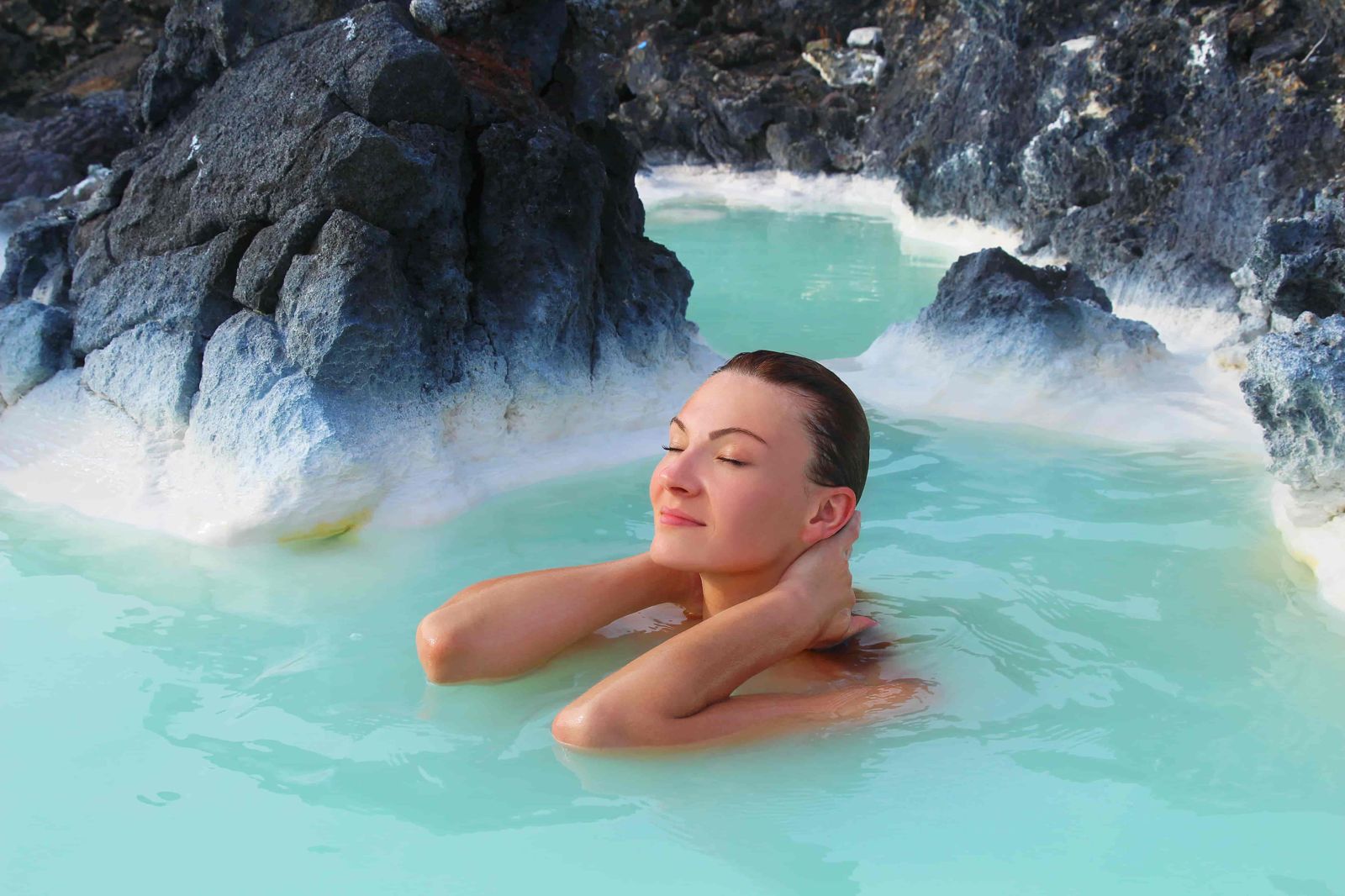
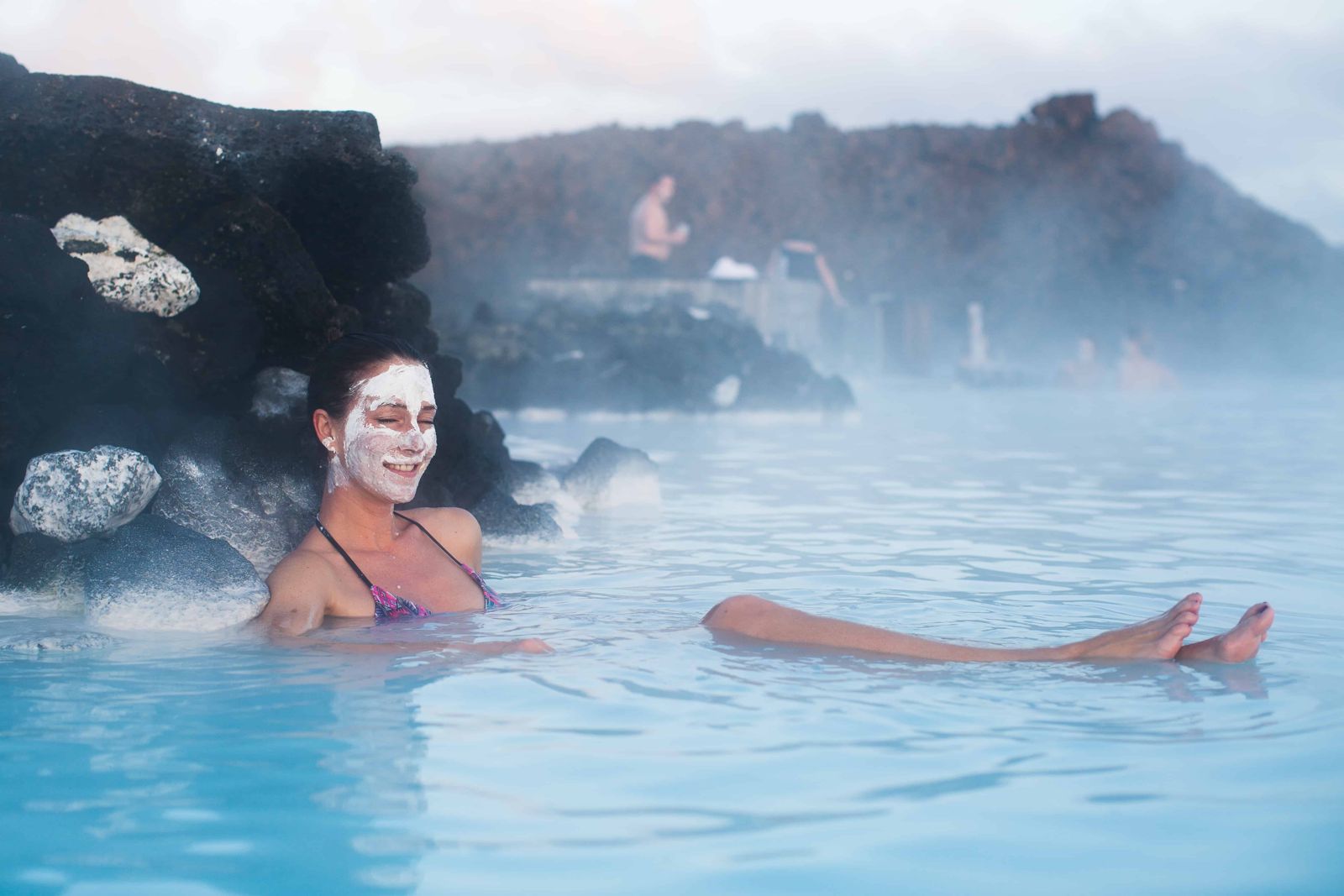
The Blue Lagoon (Bláa lónið in Icelandic) is a milky-blue geothermal spa on the Reykjanes peninsula, just outside Grindavík. It is about 49 km (50 minutes) from Reykjavík and about 21 km (around 20 minutes) from Keflavík International Airport, which makes it a popular first or last stop on a trip. Tickets must be booked in advance and start from around ISK 12,000 for the Comfort package. It is open all year, and most visits last 2–3 hours.
Booking the Blue Lagoon? Compare our Blue Lagoon packages with transfer from Reykjavík or Keflavík Airport, from 23,999 ISK.
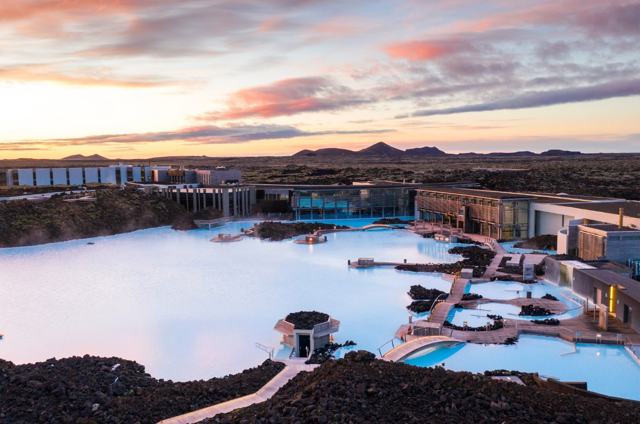
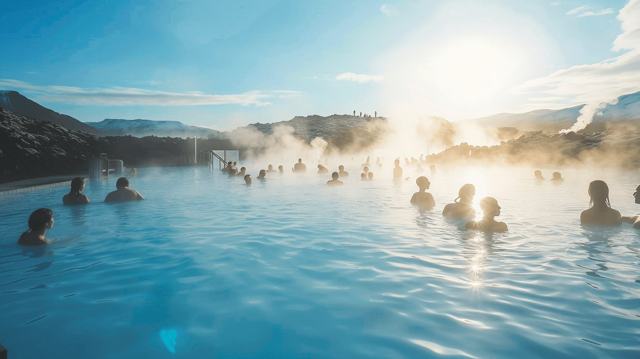
See Blue Lagoon packagesThe lagoon's water is geothermal seawater, rich in silica and minerals, that comes from the nearby Svartsengi power plant and stays at about 37–40°C all year, whatever the weather outside. The lagoon holds around nine million litres, and the water renews itself roughly every 40 hours. Its blue-white colour comes from the silica suspended in the water, which also gives it a slightly cloudy, mineral-rich feel very different from a swimming pool.
It began, somewhat by accident, in the 1970s when locals started bathing in the runoff water beside the young power plant and found it soothed skin conditions. What started as an informal bathing spot has grown into one of the most visited attractions in Iceland, with a purpose-built lagoon, a research clinic for psoriasis, and several ticket tiers offering different levels of comfort.
The lagoon lies in the middle of a black lava field that is about 800 years old, and the contrast between the dark rock, the moss and the pale blue water is a large part of why people come. Locals have long believed the water helps with certain skin conditions, and that reputation still draws many visitors. In 2012 National Geographic named the Blue Lagoon one of 25 wonders of the world.
The Reykjanes peninsula has seen volcanic activity in recent years, and the Blue Lagoon has occasionally closed temporarily as a precaution during eruptions nearby. It is worth checking the lagoon's own site for current status before a visit, particularly if travelling at short notice.
The Blue Lagoon exists because of the neighbouring Svartsengi geothermal power plant, which pumps mineral-rich seawater from deep underground to generate electricity and hot water. The used water was originally just drained into the surrounding lava field, but people began bathing in the pools that formed, and word spread about its effect on skin. What began as an unplanned bathing spot became a formal lagoon in the 1980s and has been expanded and rebuilt several times since.
Because of its location between the airport and the capital, many visitors combine the Blue Lagoon with an arriving or departing flight, but always keep a buffer of a few hours in case of delays.
Every ticket covers entry to the lagoon for as long as you like within opening hours. The extras depend on the package you book.
The premium packages, the restaurant and the hotels at the lagoon are the luxury end of the experience. You do not need them for a good visit: the water is the same for everyone.
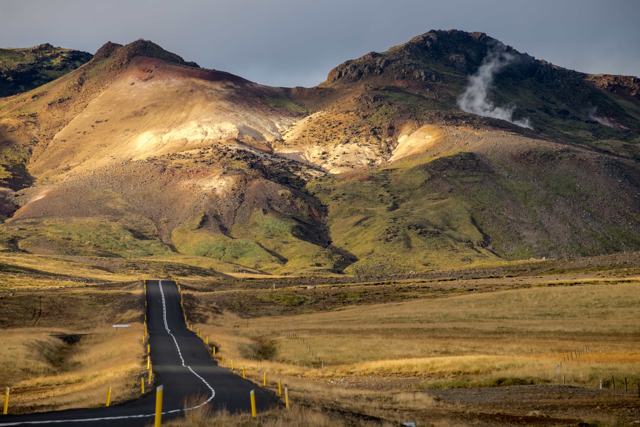
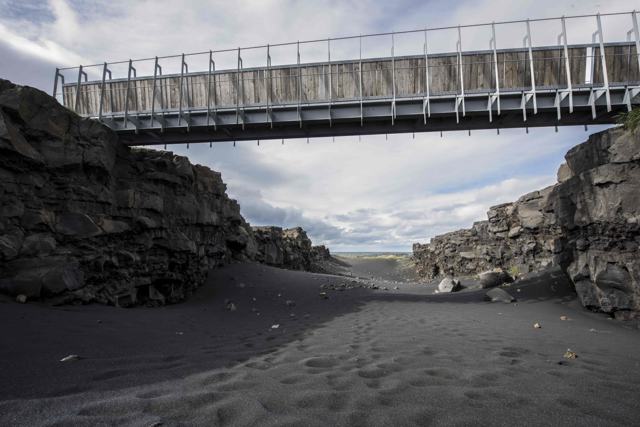
The Blue Lagoon sits on the Reykjanes peninsula, an area of wide lava fields, craters and geothermal ground. It is easy to add a few stops before or after your soak.
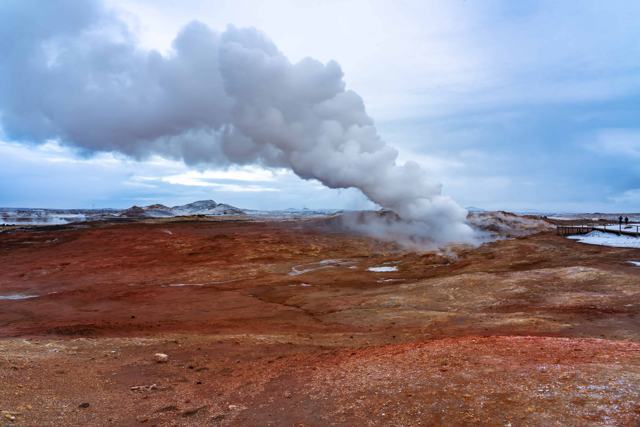
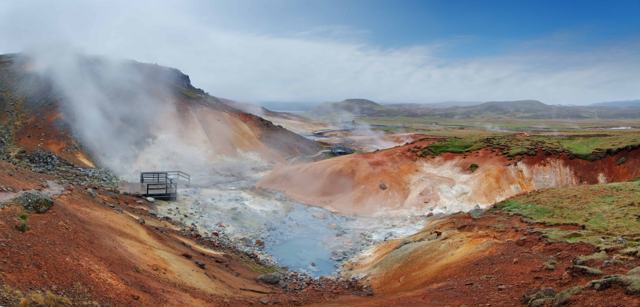
South-east of the lagoon is <a href="/locations/krysuvik-geothermal-area/">Krýsuvík</a>, with steaming, colourful hot spring ground, and the sea cliffs of Krýsuvíkurbjarg, where tens of thousands of seabirds nest in summer. The peninsula is good bird country in general, with cormorants and fulmars along the coast.
<a href="/locations/kleifarvatn-lake/">Kleifarvatn</a> is the largest lake on the peninsula, dark and quiet between bare hills. The smaller lake Djúpavatn is known among anglers, but you need a fishing permit before you cast a line.
On the north side of the peninsula are the towns of Keflavík and Njarðvík, the former base area of Ásbrú and the small village of Hafnir, with the open heath of Miðnesheiði around the airport. On the south-west tip you find <a href="/locations/gunnuhver/">Gunnuhver</a> and the cliffs at Reykjanestá.
Because of the eruptions near Grindavík since 2023, some roads and sights on the peninsula can be closed at short notice. Check umferdin.is and safetravel.is on the day.
The lagoon is popular year-round, so booking your preferred time slot in advance matters more than choosing a particular season.
Changing rooms, showers, lockers, a restaurant, a café and a gift shop are all on site. The in-water swim-up bar and silica mud mask stations are part of the main lagoon experience.
Most visitors stay in Reykjavík or near Keflavík Airport and treat the Blue Lagoon as a day trip or an arrival/departure stop rather than an overnight base, though there are hotels near the lagoon itself for those who prefer to stay close.
Yes, pre-booking a time slot is essential and walk-ins are generally not accepted.
About 21 km, around 15 minutes by car, which is why many visitors go straight there after landing or before flying home.
No, it is fed by geothermal seawater from the neighbouring Svartsengi power plant, though the water and setting are real and the mineral content is not artificial.
Swimwear (or rent it there), a towel if you have one, and be ready to remove jewellery before entering the water.
The water stays at about 37–40°C all year, so it is comfortable in any season, including in snow and frost.
Yes, from the age of 2. Children aged 8 and under must wear arm floats, which are provided free, and each adult can supervise at most two children.
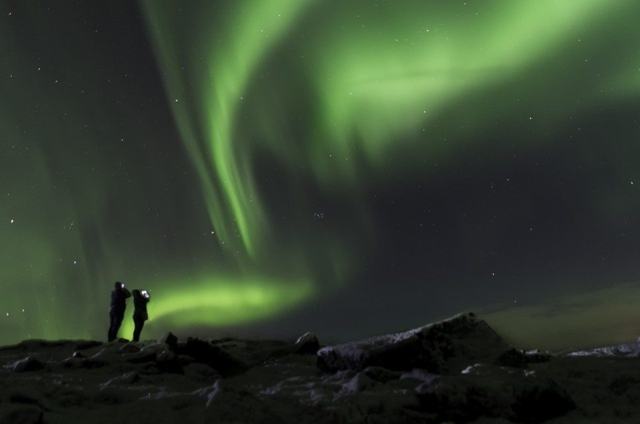
It is open all year. Winter evenings give a chance of Northern Lights from the water, and summer brings long daylight. Early morning and late evening slots are usually the calmest.
Tours and trips that include The Blue Lagoon, booked directly with a local travel agency in Iceland.
 PACKAGE6-Day Iceland Package with HotelFrom 173,085 ISK per person
 PACKAGE7 Days in IcelandFrom 90,960 ISK per person
 PACKAGE6 Days in IcelandFrom 94,960 ISK per person
 PACKAGE5 Days in IcelandFrom 90,960 ISK per person
 DAY TOURGolden Circle & Blue Lagoon Small Group TourFrom 31,900 ISK per person
 DAY TOURBlue Lagoon from ReykjavikFrom 23,999 ISK per person