Pack for wind and rain first, and cold second. Whatever the month, you need a waterproof, windproof jacket and trousers, warm layers of wool or fleece, waterproof walking boots, a hat and gloves, and a swimsuit for the hot pools. This guide covers what to bring for every season, for tours and for photography, with a short checklist at the end.
Iceland's weather: why you pack the same basics all year
Iceland has a cool, wet and windy climate. It is milder than the name suggests, but it is rarely warm. In Reykjavík the average high is about 15°C in July and about 3°C in January, and the average low in midwinter is only about −2°C. The north and inland areas are colder, and the highlands can see snow in any month.
What catches visitors out is the wind and the rain. Reykjavík has rain or snow on 9 to 15 days a month through the year, and a sunny morning can turn into sideways drizzle by lunch. The wind makes any temperature feel colder. That is why the same core items go in every suitcase, summer or winter: a proper waterproof shell, warm layers and good boots.
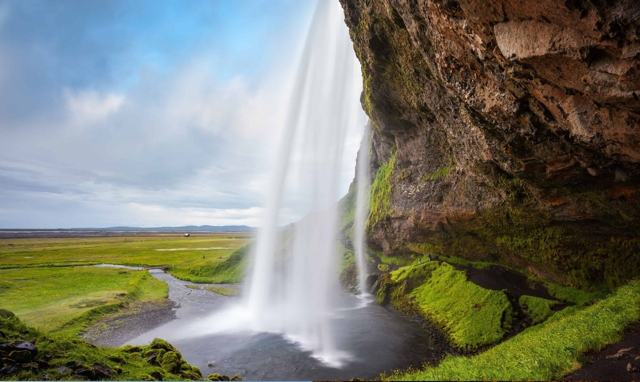
The three-layer system
Icelanders dress in layers, and so should you. You will move between a warm car or bus, a windy viewpoint, a wet waterfall path and a heated café many times a day, and layers let you adjust in seconds.
The base layer sits next to your skin and moves sweat away. Merino wool is best, because it stays warm when damp and does not smell after a long day. Synthetic thermals are a cheaper option. The mid-layer holds in heat: a fleece, a wool jumper or a light down or synthetic jacket. The outer layer is a waterproof and windproof jacket with a hood, and waterproof trousers.
Leave cotton for evenings indoors. Jeans, cotton hoodies and cotton socks soak up rain and sweat, stay wet and make you cold.
Core clothing for every trip
- Waterproof, windproof jacket with a hood. The most important item you will pack. It should be truly waterproof, not just showerproof.
- Waterproof trousers. Often forgotten. You need them at waterfalls, on glaciers, on boats and in any real rain. Over-trousers that pull on over normal trousers are the most flexible.
- Thermal base layers, top and bottom. Lighter in summer, thicker in winter.
- A fleece or wool jumper, plus a light insulated jacket for cold evenings and boat trips.
- Quick-dry walking trousers rather than jeans.
- Warm hat and gloves, even in July. A buff or neck gaiter is more practical in the wind than a long scarf.
- Wool or synthetic socks, several pairs, so you always have a dry pair.
- Comfortable clothes for evenings. Iceland is casual, and you rarely need anything smart.
Footwear
Bring one pair of sturdy, waterproof walking boots with ankle support and a grippy sole, and wear them in before you travel. Paths to waterfalls, lava fields and viewpoints are often wet, muddy or rocky, and trainers soak through quickly.
Add a pair of light shoes for town and the car, and flip-flops or pool sandals for swimming pools and lagoons. Icelanders take their shoes off indoors, so slippers or soft shoes are handy in guesthouses and holiday homes.
Packing for summer (June to August)
Summer is mild rather than warm. Reykjavík averages highs of about 13°C to 15°C, and a sunny, sheltered afternoon may feel warm enough for a T-shirt. Evenings, boat trips, glaciers and the highlands are much colder. Pack the core list above with lighter base layers, and add:

- An eye mask. From late May to late July it never gets properly dark, and hotel curtains vary
- Sunglasses and sun cream for long bright days and glacier glare
- A midge head net if you are visiting Mývatn or other lakes in the north on warm, still days
- A light pair of trousers or leggings and a couple of T-shirts for sunny spells
- Extra layers if you plan to hike in the highlands, where nights can drop close to freezing
Packing for winter (November to March)
Winter days hover around freezing near the coast, with strong winds, sleet, snow and very short days. The shortest day in Reykjavík has just over four hours between sunrise and sunset. Pack warmer versions of everything on the core list: thick wool base layers, an insulated jacket or a warm mid-layer under your shell, insulated waterproof boots, ice cleats, waterproof gloves and a head torch.
Our Iceland winter packing list covers winter clothing, Northern Lights nights and winter driving in full detail.
Packing for spring and autumn
Spring (April and May) and autumn (September and October) are in between, and you can get both seasons in one day. Reykjavík averages about 7°C in April and 11°C in September, with frost, sleet and snow still possible, especially in the north and the mountains. September and October are among the wettest months.
Pack as for summer, but with warmer base layers, a warmer hat and gloves, and a head torch. From late August the nights are dark again, so bring extra layers for standing outside on Northern Lights evenings. For month-by-month detail, see Iceland in April, Iceland in September and Iceland in October, and our daylight hours guide.
Swimwear for pools and hot springs
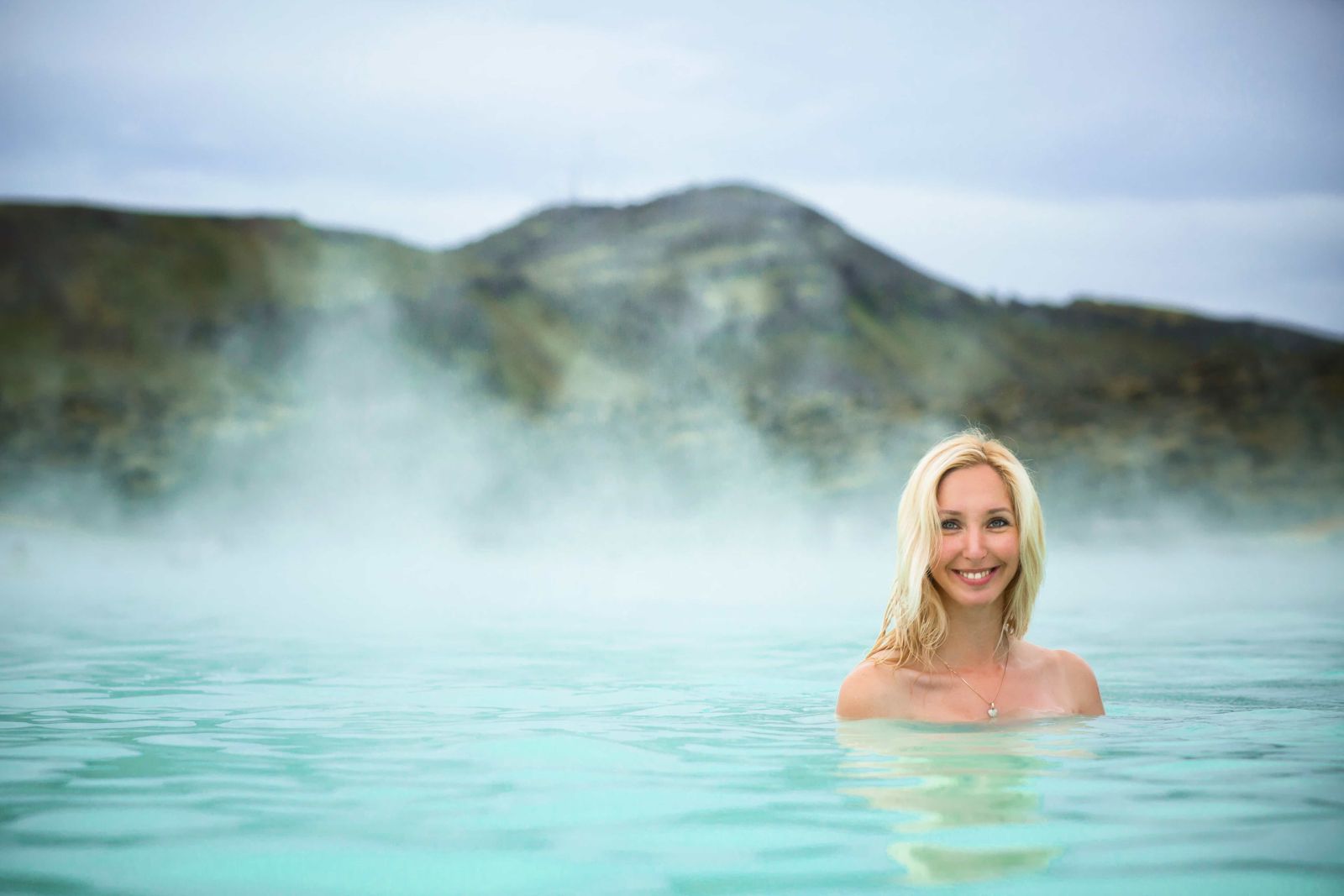
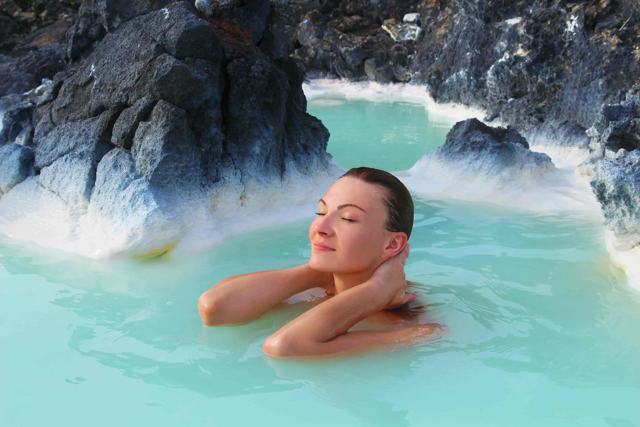
Bathing in geothermal water is part of daily life in Iceland, and you will probably do it more than once. Pack a swimsuit, a quick-dry towel and flip-flops in every season. Almost every town has a heated outdoor public pool, which is one of the cheapest things to do in the country.
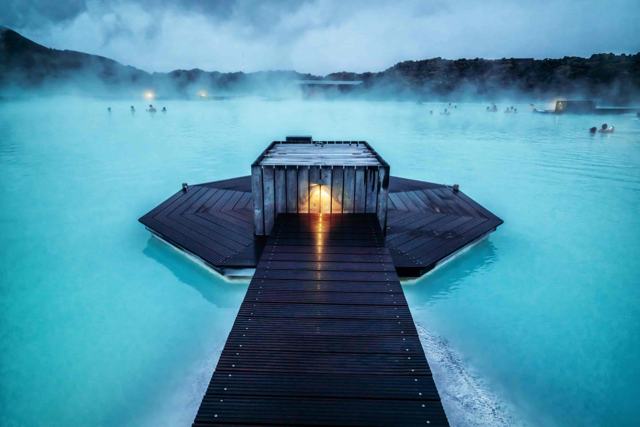
At all public pools and lagoons you must shower without swimwear before you get in. Popular options include the Blue Lagoon, Sky Lagoon and the Secret Lagoon. Compare the two biggest in our Sky Lagoon vs Blue Lagoon guide, or browse hot spring tours.
Day bag essentials
Even on a road trip you will walk a lot, from car parks to waterfalls, beaches and viewpoints. A comfortable daypack of about 20 to 30 litres, with a rain cover or a dry bag inside, holds everything you need for the day.
- Your waterproof jacket and trousers, even if the sky is clear
- An extra warm layer, hat and gloves
- A reusable water bottle. Tap water in Iceland is clean and cold, so there is no need to buy bottled water
- Snacks. Food at petrol stations and sights is expensive, and distances between shops can be long
- Sunglasses, sun cream and lip balm
- A small first aid kit with plasters, blister plasters and painkillers
- A power bank and charging cable
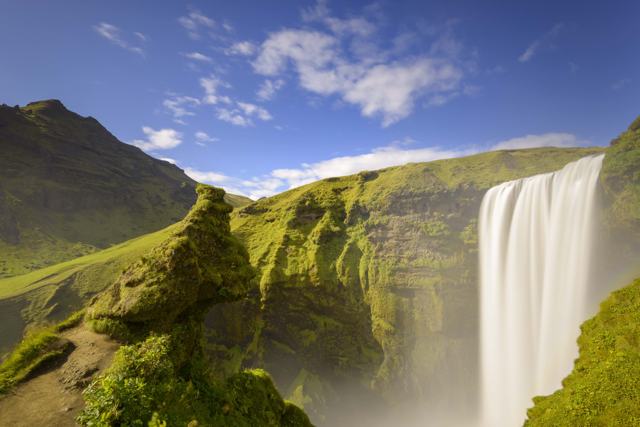
- A waterproof phone pouch for waterfalls such as Seljalandsfoss and Skógafoss
Electronics and travel documents
- Plug adapter for type C or F sockets. Iceland uses two-pin European plugs at 230 V
- Power bank, as cold and long days drain phone batteries
- 12 V car charger or USB cable if you are self-driving
- Phone with offline maps downloaded, as signal can be patchy in remote fjords and the highlands
- Passport, driving licence and the credit card used for your car booking
- Travel insurance details and printed or offline copies of your bookings
Packing for tours and activities
Most tours provide the specialist equipment. What you bring is warm, waterproof clothing and good boots. Always read the kit list in your booking confirmation, as it varies by tour.
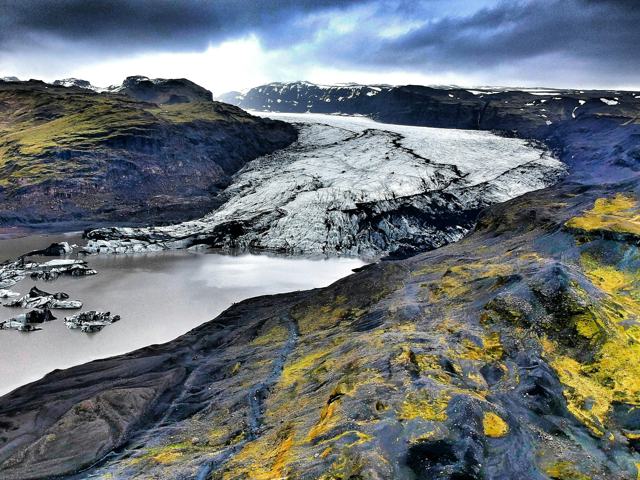
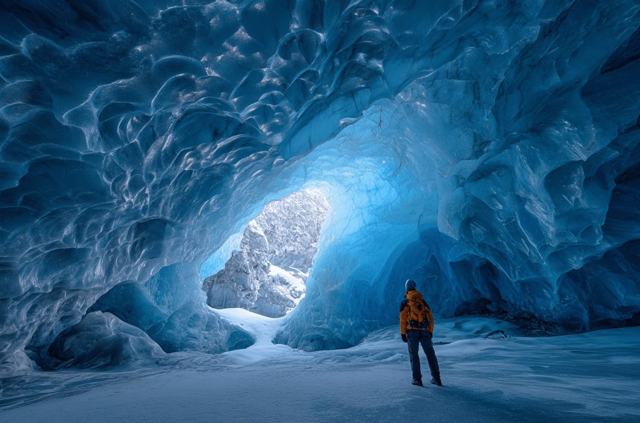
- Glacier walks and ice caves: guides provide crampons and a helmet, so you do not need to bring them. Wear waterproof trousers, warm layers, gloves and sturdy ankle-high boots. See our glacier hiking tours, such as the Sólheimajökull glacier hike, and our top glacier hikes.
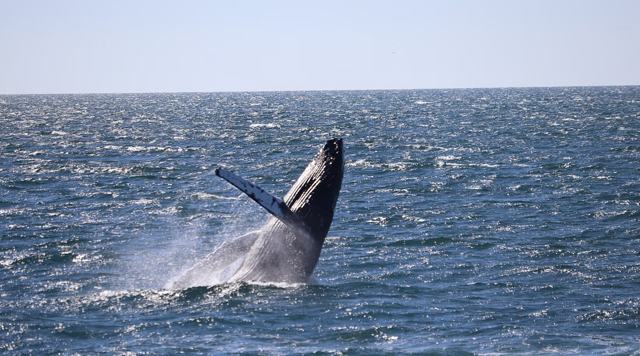
- Whale watching and puffin boats: it is always colder at sea. Bring an extra layer, hat and gloves, and seasickness tablets if you need them. See whale watching tours, including our whale watching tour from Reykjavík.
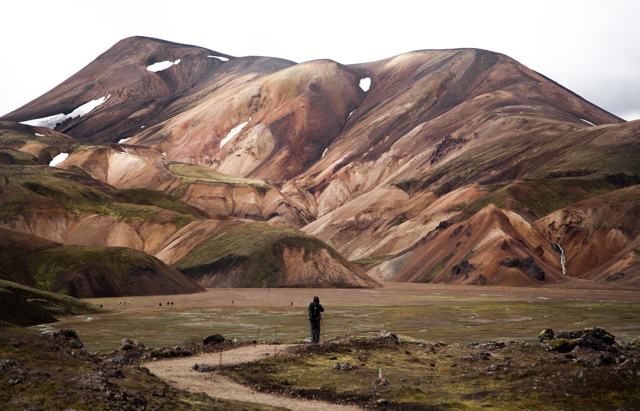
- Hiking: a daypack, water, food, a paper or offline map, a first aid kit and walking poles for steep or long routes. Our guides to hiking in Landmannalaugar and hiking in Þórsmörk have route-specific advice.
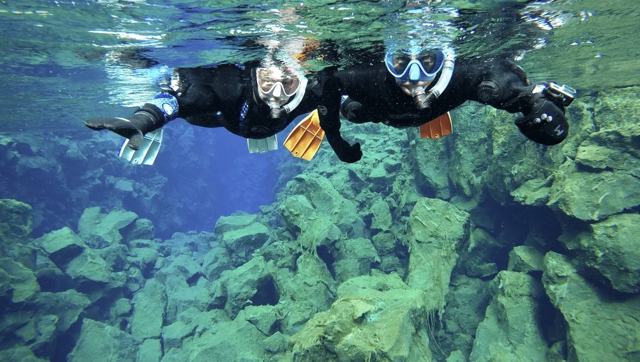
- Snorkelling in Silfra: you wear a dry suit, and the water is cold all year. Bring thermals and wool socks to wear underneath, and a warm hat and dry clothes for afterwards. See our Silfra snorkelling tour from Reykjavík and other snorkelling and diving tours.
- Horse riding: used saddles, bridles, riding gloves and other used riding equipment may not be brought into Iceland, to protect Icelandic horses from disease. Used riding clothes and boots must be washed or dry-cleaned before you travel. Tours provide helmets and tack. See our horse riding tours.
- Camping: tents, sleeping bags and stoves need their own list. See our camping packing list for Iceland.
Camera and photography gear
You do not need expensive gear for good photos in Iceland, and a modern phone does well in daylight. If photography is a big part of your trip, these items make the most difference:
- A wide-angle lens for landscapes, and a telephoto lens if you want puffins, seals or whales
- A sturdy tripod for waterfalls, low winter light and Northern Lights photos
- Spare batteries and memory cards. Keep batteries in an inside pocket in the cold
- A rain cover for the camera and lens cloths, as waterfall spray and drizzle get everywhere
- A polarising filter to cut glare on water and wet rocks, and an ND filter for long exposures
- A waterproof camera bag or a dry bag inside your daypack
Toiletries and health
The wind and cold air are drying, even in summer. Shops sell everything you need, but prices are high, so bring the basics from home. The hot water in many areas is geothermal and may smell slightly of sulphur. It is safe and normal.
- Lip balm and a rich moisturiser
- Sun cream and sunglasses
- Your regular medicines, with a copy of any prescriptions
- Travel-sized toiletries
- Earplugs and an eye mask if you are a light sleeper
What not to pack
- An umbrella. The wind turns it inside out. A good hood works better
- Jeans and cotton clothes for outdoor days
- Lots of shoes. Boots, light shoes and flip-flops are enough
- Crampons and ice axes. Glacier and ice cave tours provide them
- Bottled water. The tap water is excellent
- Too many outfits. You will wear the same practical layers most days
Quick Iceland packing checklist
Use this as a final check before you close your suitcase.
- Waterproof, windproof jacket with a hood
- Waterproof trousers
- Thermal base layers, top and bottom
- Fleece or wool jumper and a light insulated jacket
- Quick-dry walking trousers
- Waterproof walking boots, worn in
- Light shoes and flip-flops
- Warm hat, gloves and a buff
- Wool or synthetic socks
- Swimwear and a quick-dry towel
- Daypack with a rain cover or dry bag
- Reusable water bottle
- Sunglasses, sun cream and lip balm
- Plug adapter, power bank and car charger
- Passport, driving licence, insurance and booking copies
- Summer: eye mask and midge net
- Winter: ice cleats, head torch and extra insulation
Book your tours
Once your bag is packed, the fun part is planning what to do. As a local travel agency in Iceland, we list Golden Circle tours, South Coast tours to Reynisfjara and Skógafoss, glacier hikes and Northern Lights tours, along with multi-day trips and self-drive trips.
If you want a starting point, these suit most trips and most seasons.
Travelling with children? See our kids' packing list for Iceland. First time here? Our beginner's guide to Iceland and how many days in Iceland will help you plan.
- 7 Day Iceland Tour: the whole country in a week, with the driving done for you.
- Golden Circle Private Tour from Reykjavík: Þingvellir, Geysir and Gullfoss at your own pace with your own local guide.
- Solheimajokull Glacier Hike: bring the waterproofs and boots on this list, and the guides supply the rest.
Questions people ask
What should I wear in Iceland?
Layers. A wool or synthetic base layer, a fleece or wool mid-layer, and a waterproof, windproof jacket and trousers, with waterproof walking boots, a hat and gloves. Avoid cotton for outdoor days.
Do I need waterproof trousers in Iceland?
Yes, in every season. Waterfall spray, rain, wind and wet glacier or boat trips will soak normal trousers quickly. Light over-trousers that pull on over your usual trousers are the easiest option.
What should I pack for Iceland in summer?
The same core layers as the rest of the year, but lighter. Add an eye mask for the bright nights, sunglasses, sun cream and a midge net for Mývatn. Reykjavík averages highs of about 13°C to 15°C in summer.
Do I need a swimsuit in Iceland?
Yes. Hot pools, lagoons and public swimming pools are part of daily life, and you will want to use them in every season. Bring a quick-dry towel and flip-flops too.
Do I need to bring crampons to Iceland?
No. Glacier and ice cave tours provide crampons and helmets. In winter, bring simple ice cleats that slip over your boots for icy paths and car parks.