You can fly a drone in Iceland, but you must register as an operator, follow EU-style rules, and stay out of a growing list of protected sites. From 17 May 2026 the Nature Conservation Agency stopped issuing recreational permits at more than 25 protected areas, including Gullfoss, Geysir, Goðafoss, Skógafoss and Dyrhólaey. Outside those areas, drones are still legal under standard rules.
What changed in 2026
Older guides, including the earlier version of this one, describe a set of national park bans and short recreational windows at popular waterfalls. That has now been tightened. Since 17 May 2026, the Nature Conservation Agency (Náttúruverndarstofnun) no longer issues recreational or educational drone permits inside a list of about 25 to 27 protected areas. Permits there are now limited to professional uses such as film, advertising, research and news.
This is not a nationwide ban. Most of Iceland lies outside those reserves, and there you can still fly under the normal rules below. The problem is that many of the best-known sights are inside protected areas, so plan your shots with that in mind. Rules and zones change, so check the official drone map before every flight.
Registration and licences
Iceland follows the EU drone rules through the EEA agreement. In practice this is what you need to do.
- Register as an operator at flydrone.is. It costs about 5,900 ISK and lasts five years. You must register if your drone weighs 250 grams or more, or if it has a camera or other sensor, even when it is lighter.
- Pass the free online A1/A3 test for most drones over 250 grams. The A2 certificate needs an in-person exam and a fee.
- Display your operator number on the drone.
- EU and EEA registrations are valid in Iceland, so you do not register twice.
- Minimum age is 16 for most drones, with limited exceptions for small C0-class drones and supervised flights.
Rules that apply everywhere
These general rules apply on top of any local restrictions.
- Height: 120 metres above the ground. Near a cliff or slope, the nearest ground counts, so the limit is lower than it seems.
- Line of sight: keep the drone in sight at all times. Daylight flights only.
- People and buildings: stay clear of crowds, and keep your distance from people and buildings that you do not control. The safe distance depends on your drone class.
- Sensitive sites: a 150-metre buffer applies around power plants, government buildings, hospitals and prisons.
- Airports: zones around airports are large, usually several kilometres, and there are more temporary zones around eruptions. Check the map. See our guide to volcanoes in Iceland for the current picture.
- Wildlife: land immediately if birds react. Nesting areas have extra limits from May to August.
- Responsibility: you are liable for damage or injury your drone causes, and you must respect privacy. Land owners can also refuse permission.
Where you cannot fly for fun
The lists below reflect articles from mid-2026 and can change, so treat them as a guide and use the official map for the final word.
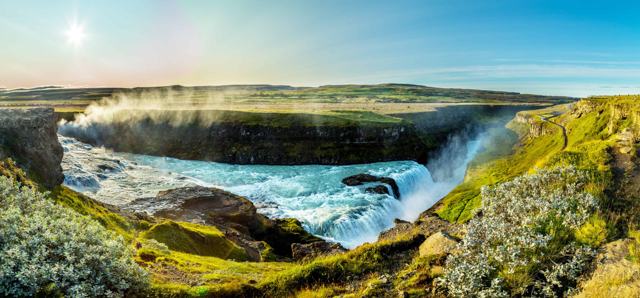
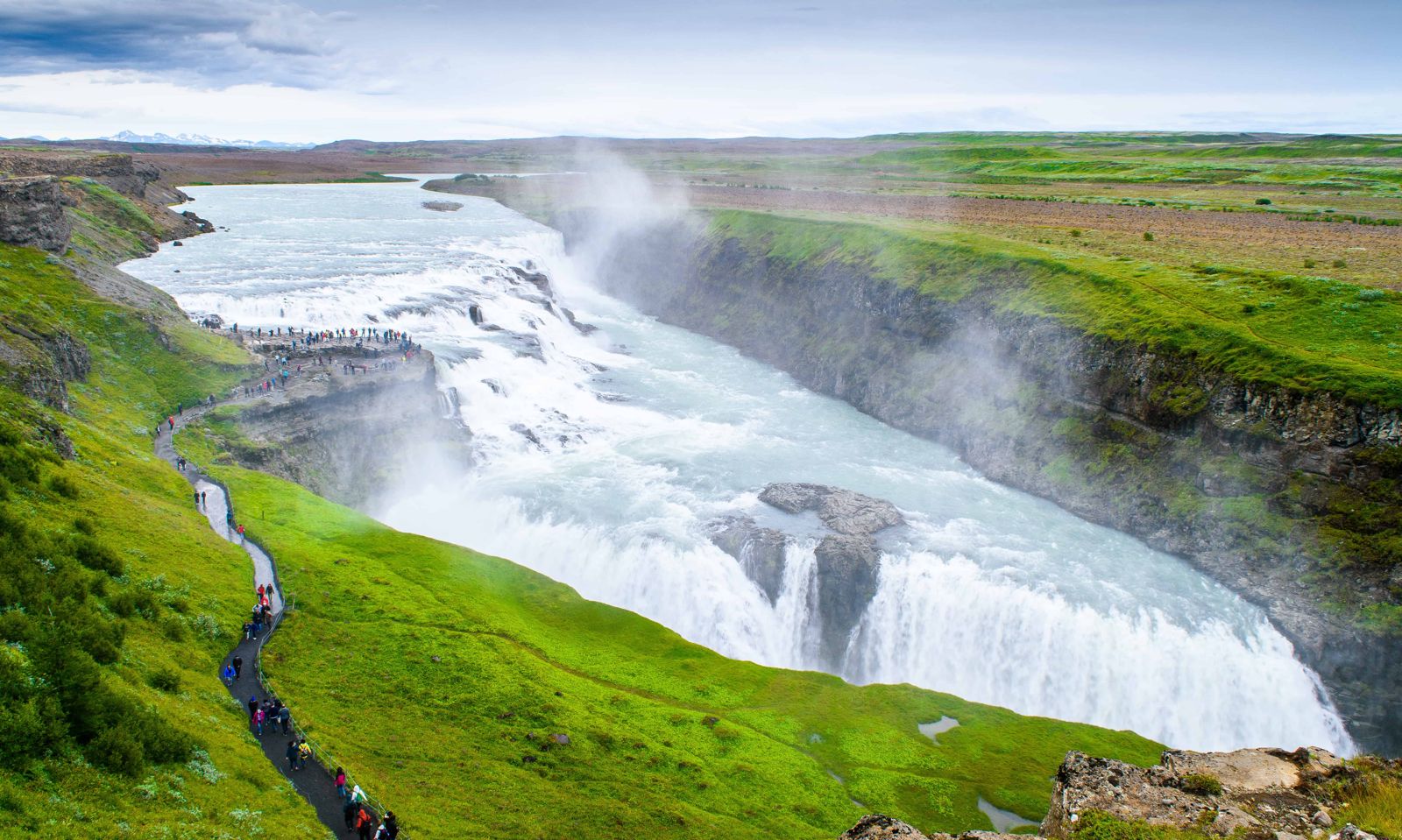
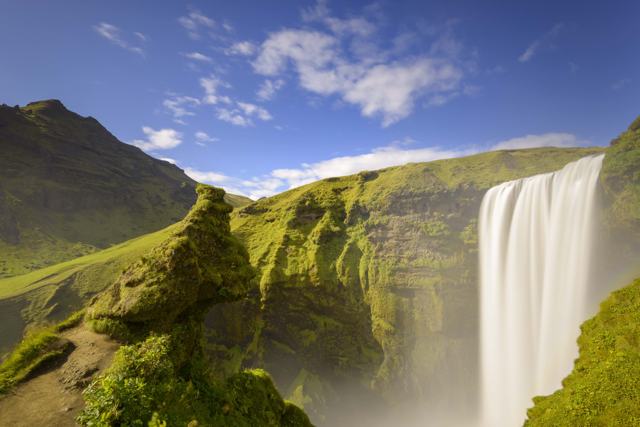
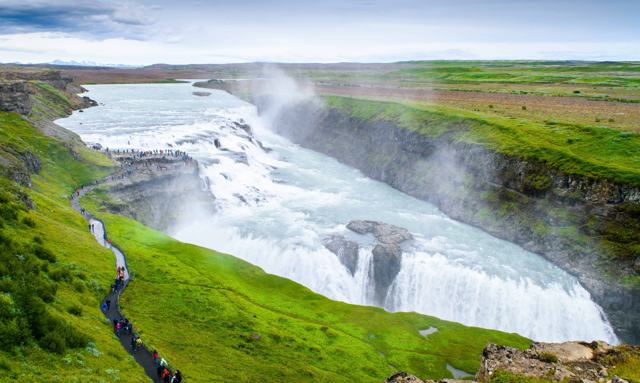
No recreational flying, all year: Gullfoss, Geysir, Goðafoss, Skógafoss, Dyrhólaey, Látrabjarg, Háifoss and the protected Mývatn area. Reynisfjara black sand beach is also off limits.
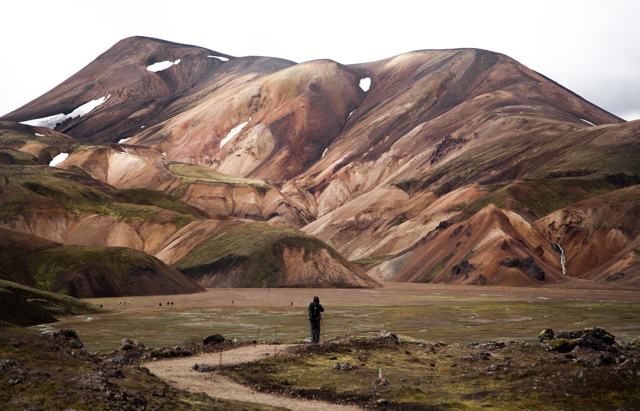
Closed in summer: Snæfellsjökull National Park, Hornstrandir, Þjórsárver and Dynjandi are closed to recreational drones from about 1 May to 15 September. The Fjallabak reserve, including Landmannalaugar, is closed from 15 June to 15 September.
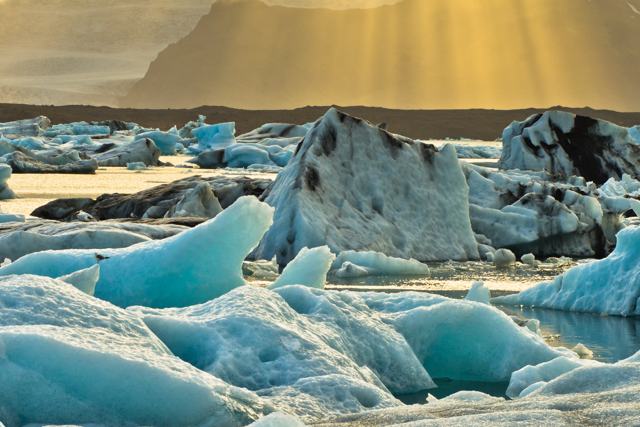
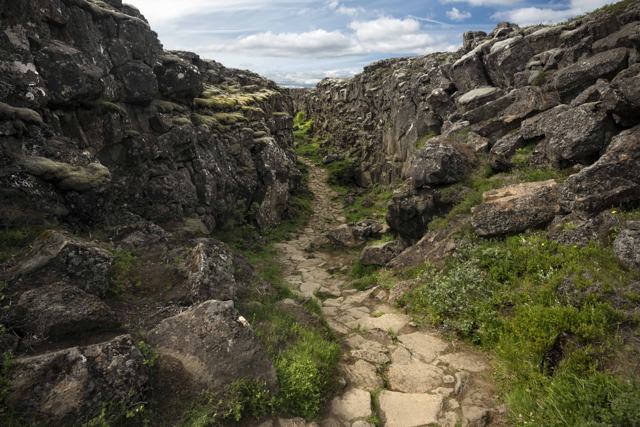
National parks with special rules: in Vatnajökull National Park, drones are banned at Skaftafell except at the Skaftafellsjökull glacier tongue, and in Jökulsárgljúfur (Ásbyrgi, Hljóðaklettar, Hafragilsfoss) except the west side of Dettifoss. Askja is closed. Jökulsárlón and Fellsfjara are closed from 15 April to 15 July, and other times have time-of-day limits. At Þingvellir you can fly only before 09:00 or after 18:00 in the busiest zones.
The park authorities say drones are generally allowed in Vatnajökull National Park only outside the banned areas, when flights are short and away from crowds. Stop at once if wildlife reacts.
Where you can fly
Once you are outside protected areas, the options open up, but you still need to check the map before each flight. These are areas people commonly fly that are outside the lists above. Confirm each one on the official map and with the landowner.
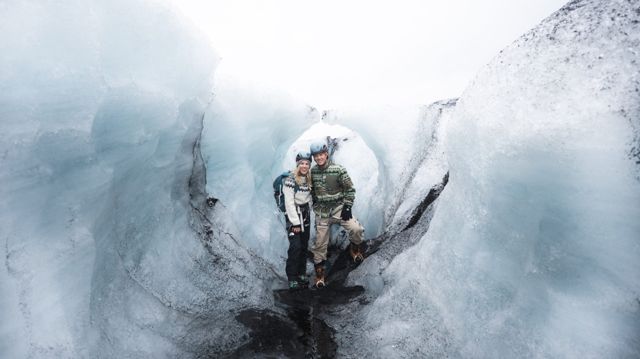
South Coast: Kvernufoss near Skógar, and the Sólheimajökull glacier area, where rules depend on the exact spot. To see the glacier up close on foot, join a private Sólheimajökull glacier hike.
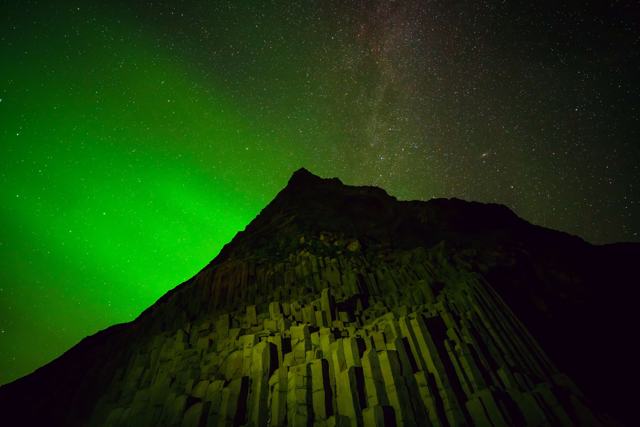
Snæfellsnes: coastal sites outside the national park boundary, such as Kirkjufell and the basalt columns nearby. The national park itself is closed from May to mid-September.
Westfjords: the fjords and the beach at Rauðisandur, outside the seasonal closures. Please check the map.
Highlands and Þórsmörk: partly in reserves and partly outside them, so check the zone for your route.
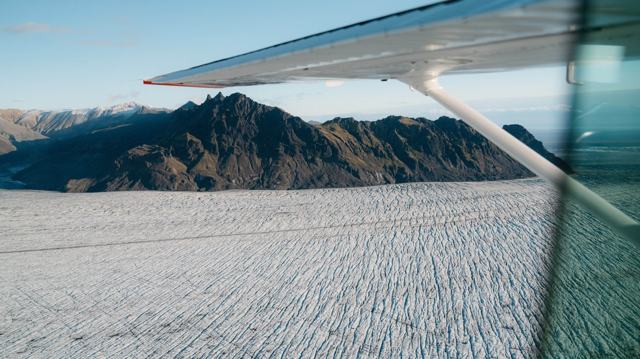
For places where a drone is not allowed, a helicopter or small-plane flight gives the same views from above. See our helicopter and airplane tours, such as the waterfalls and valleys helicopter tour from Reykjavík or the Vatnajökull glacier airplane tour from Skaftafell, or book a photo tour with a guide who knows the current rules.
Flying with a drone
Batteries: lithium batteries under 100 watt-hours are usually allowed. Spare batteries must go in your hand luggage, not in checked bags, and batteries between 100 and 160 watt-hours usually need airline approval and are limited in number. Rules differ by airline, so check yours before you fly.
Bags: small drones such as DJI Mini and Mavic models fit in hand luggage. Use a hard case and a fireproof battery bag.
Insurance: airline compensation for baggage is limited, so check your travel insurance covers the drone and third-party liability.
Picking one up locally: drones are sold in Reykjavík electronics shops, but check that any model you buy is compatible with the registration and labelling rules.

Tips for better footage
Plan shots at home. Look at the sight in 3D on a map, choose the light you want and have a backup location, since wind or bans can end a plan quickly.
Fly in calm, dry weather. Iceland's wind and sudden rain can take a drone down, and cold drains batteries fast, so keep spares warm in a pocket. Use the return-to-home function and set the height before takeoff. Higher is not always better: lower altitude often gives more dramatic scenes.
Keep flights short and quiet, avoid busy hours and never fly over people. Careless flying is what leads to new restrictions, so how you fly affects everyone who follows you.
Tours to book
Where a drone is not allowed, these trips still give you the view from above or a guide who knows the good spots.
- Waterfalls & Valleys Helicopter Tour: waterfalls and valleys seen from the air, on a flight from Reykjavík.
- Vatnajokull Glacier Airplane Tour from Skaftafell: Vatnajökull from the air, in a national park where drones are banned in several areas.
- Northern Lights Photo Tour: a photo tour for night shots, when drones must stay on the ground.
Questions people ask
Can I fly a drone in Iceland?
Yes. Register as an operator at flydrone.is, pass the free online A1/A3 test, keep the drone below 120 metres and in sight, and stay out of restricted zones. Since May 2026, recreational flights are no longer permitted at more than 25 protected sites.
Can I fly a drone at Gullfoss or Skógafoss?
Not for recreation. Since 17 May 2026, both are among the sites where recreational permits are no longer issued. Professional permits are still possible for film and similar uses.
Do I need to register a small drone in Iceland?
Yes, if it has a camera or weighs 250 grams or more. Registration costs about 5,900 ISK and lasts five years. EU and EEA registrations are valid.
Where is the official drone map?
The official drone map is at kort.gis.is/mapview/?app=dronar. It shows airport zones and protected areas and is updated regularly. Check it before every flight.
Can I fly a drone at Jökulsárlón?
Not from 15 April to 15 July, when birds are nesting. At other times, time-of-day limits apply in Vatnajökull National Park, so check the park's drone rules before you go.