The lopapeysa is the Icelandic wool sweater with a patterned ring, or yoke, around the neck. It is knitted from lopi, a lightly processed yarn made from the wool of Icelandic sheep, and it keeps you warm even when it gets damp. A good hand-knitted one is not cheap, but it lasts for decades and is one of the most useful things you can bring home from Iceland.
What is a lopapeysa?
Lopapeysa simply means "lopi sweater" in Icelandic (peysa is sweater). The classic version is a thick, knitted pullover with a round yoke pattern that runs from the neck across the shoulders. Traditional colours are the natural shades of Icelandic sheep: white, grey, black and brown, often with one or two contrast colours in the yoke.
Today you will also find cardigans with zips or buttons, hooded styles, longer and shorter cuts, and bolder colours. The yoke is still the part everyone recognises, and it is what makes a lopapeysa look like a lopapeysa.
A short, honest history
Icelanders have knitted for centuries, but the lopapeysa itself is fairly young. It appeared in the early to mid-20th century, when imported clothes were replacing traditional dress and people were looking for new ways to use the native wool.
The round yoke design is usually traced to a 1930 Norwegian knitting pattern by Annichen Sibbern, which was inspired by the beaded collars of Greenlandic Inuit dress. After Iceland became an independent republic in 1944, the sweater grew into a symbol of national identity. It went through several fashion peaks in the decades after independence and made a strong comeback in the early 2000s.
So no single Icelander invented it. It is better described as a modern tradition that Icelanders made their own, with local wool, local colours and generations of home knitters.
Why Icelandic wool is different
Sheep came to Iceland with the first Norse settlers in the late 9th and early 10th centuries, and the flock has been largely isolated ever since. Over more than a thousand years the breed has adapted to a cold, wet and windy climate.
The fleece has two layers. The outer fibres, called tog, are long, glossy and tough, and they shed rain and snow. The inner fibres, called þel, are short, fine and soft, and they trap warm air close to the body. Lopi yarn uses both together and is only lightly twisted, so it holds a lot of air. That is why a lopapeysa is light for its warmth and still keeps you warm when it is wet.
Most lopi yarn is processed in Iceland, in Mosfellsbær just outside Reykjavík, in types such as Álafosslopi, Léttlopi and Plötulopi. If you knit, a few balls of lopi and a pattern make a good, light souvenir.
Hand-knitted or machine-made?
Real lopapeysur (the plural) are usually knitted by hand, in the round, without side seams. But machine-knitted and imported sweaters in the same style are also sold, sometimes in the same shops, and some are made from other wool altogether.
Read the label before you pay. Look for wording that says the sweater is hand-knitted in Iceland and made from Icelandic wool. "Designed in Iceland" or "Icelandic design" does not mean the same thing. Many hand-knitted sweaters carry a tag with the knitter's name or initials, which is a good sign.
How much does a lopapeysa cost?
Price depends on where you buy, the size and whether it is hand-knitted. At established wool shops in the Reykjavík area, new hand-knitted sweaters cost around €200 or more in 2026. Cardigans with zips and heavier styles are often at the top of the range. Machine-knitted sweaters are cheaper, and second-hand ones can be real bargains if you are patient.
Remember that a hand-knitted sweater takes many hours of work. If one is priced far below the others, check the label carefully. Shops add tax to the price, and visitors can usually claim some of it back on larger purchases when leaving the country; ask for a tax-free form when you pay.
Where to buy one

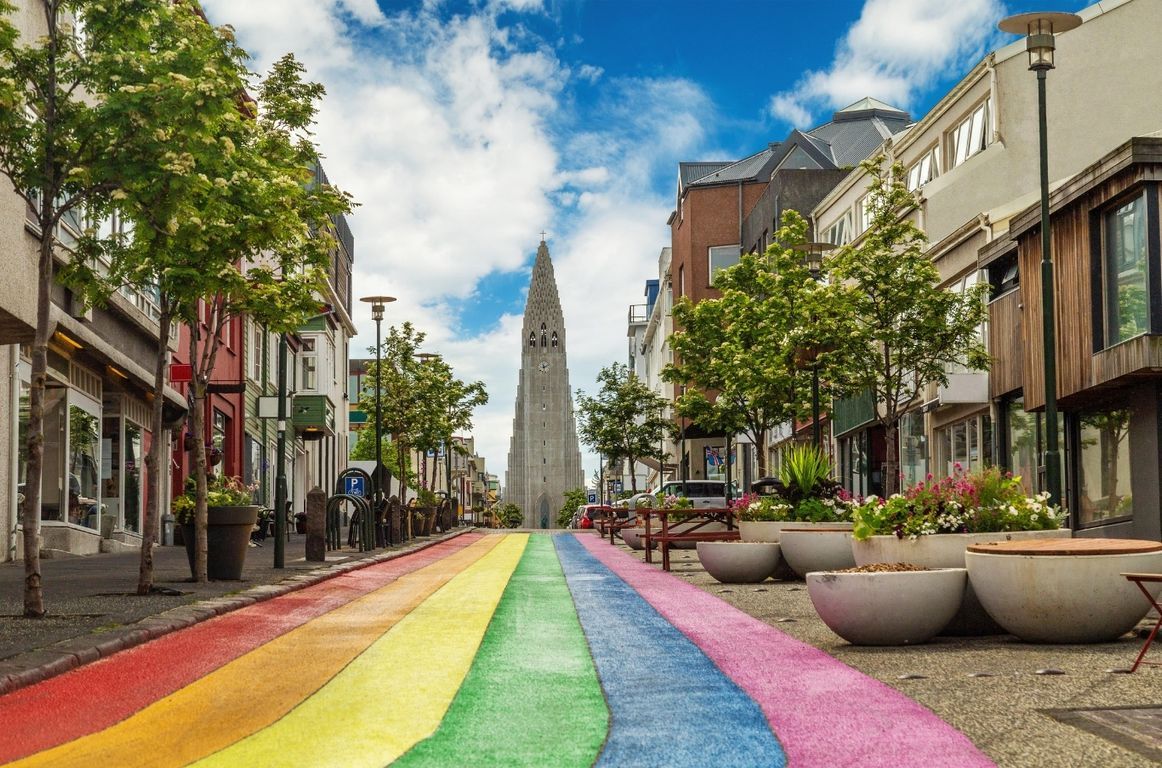
- Reykjavík city centre. Wool shops line Laugavegur and Skólavörðustígur, the street that climbs to Hallgrímskirkja. Here you can compare hand-knitted and machine-made sweaters side by side. A Private Reykjavik Walking Tour is an easy way to get your bearings in this part of town first.
- Knitters' co-operatives. Shops run by associations of hand-knitters sell sweaters made by knitters around the country, with the knitter often named on the tag.
- Mosfellsbær. The Álafoss wool store, a name in Icelandic wool since 1896, sits by the river in Mosfellsbær, about 20 minutes' drive from Reykjavík.
- Flea markets and second-hand shops. Kolaportið flea market by Reykjavík's old harbour and charity shops sometimes have used sweaters at lower prices.
- Small towns and farm shops. Around the country, local craft shops and markets sell sweaters knitted nearby. Keep an eye out on a Ring Road trip such as our 8 Day Tour Around Iceland.


How to wear it
Lopi is warm but scratchy against bare skin for most people. Wear a thin long-sleeved base layer or a shirt underneath. In Iceland people wear a lopapeysa for everything: walks, work, festivals and evenings out.
On a tour it works as a warm mid-layer. It sheds light rain and snow, but in a real downpour or strong wind put a waterproof shell over the top. Our Iceland packing list and winter packing list show how it fits into your layers.
A new sweater can smell of wool or dye. Hang it outside or by an open window for a day before you wear it.
How to wash and care for a lopapeysa
Wash it as seldom as you can. Wool resists dirt and smells well, and airing it outdoors every couple of weeks is often enough. When you do wash it:
- Hand wash in lukewarm water with a mild wool detergent. Hot water and rubbing will shrink and felt it.
- Squeeze the water through gently. Do not wring or twist it.
- Rinse in water of the same temperature, then press out the water or roll it in a towel.
- Lay it flat on a dry towel, shape it to its original size and let it dry away from direct heat. Never hang a wet sweater on a line, as it will stretch.
- Store it folded, not on a hanger, with something to keep moths away.
Interesting facts about the lopapeysa
- Icelandic sheep come in many natural colours, which is why so many sweaters use undyed wool.
- Icelandic children often wear wool from a young age, so many locals barely notice the itch.
- The same wool is used for socks, mittens and hats, which are cheaper and easy to pack if a sweater is over budget.
- Other Nordic countries have their own knitted sweater traditions, but the lopapeysa is recognisable by its thick, unspun lopi yarn and round yoke.
- Every autumn farmers gather the sheep from the mountains in the réttir round-up, where you will see plenty of lopapeysur in action.
More from Icelandic culture
A sweater is one part of Icelandic culture you can take home. For more ideas, see our guide to the best souvenirs from Iceland and our look at traditional Icelandic food. A city tour or one of our Reykjavík tours is an easy way to see Reykjavík and find the best wool shops on the way.
Tours to book
If you would like to see more of the culture behind the sweater, these are good places to start:
- Private Reykjavik Walking Tour: your own guide around the centre, including the streets where the wool shops are.
- Private Reykjavik Walking & Food Tour: the city walk with traditional food along the way.
- 8 Day Tour Around Iceland: the whole Ring Road, with small towns and sheep country between the sights.
Questions people ask
What is a lopapeysa?
A traditional Icelandic sweater knitted from lopi yarn made from the wool of Icelandic sheep. It is recognised by the round patterned yoke around the neck.
How much is an Icelandic wool sweater?
New hand-knitted sweaters in established Reykjavík-area wool shops cost around €200 or more in 2026. Machine-knitted and second-hand sweaters are cheaper.
How can I tell if a lopapeysa is genuine?
Check the label for "hand-knitted in Iceland" and "Icelandic wool". "Designed in Iceland" is not the same. A named knitter on the tag is a good sign.
Is a lopapeysa itchy?
Yes, for most people it is scratchy on bare skin. Wear a thin base layer or shirt underneath and it is comfortable all day.
Can you put a lopapeysa in the washing machine?
It is safest not to. Hand wash in lukewarm water with wool detergent, do not wring it and dry it flat.