Traditional Icelandic food is built on lamb, fish and dairy, preserved by drying, smoking, salting and fermenting to last through long winters. Today you can try it all, from mild favourites like lamb soup, skyr and rye bread to acquired tastes like fermented shark. Here is what each dish is, how locals eat it and where you can find it.
Icelandic cuisine: why the food is the way it is
For most of its history Iceland had very little to work with. Grain barely grew, trees were scarce and most imported goods came through Danish traders at high prices. People lived on what the sea and their sheep could give them.
With no easy way to keep food fresh, Icelanders dried fish in the wind, smoked lamb, stored meat in whey or sour milk, and fermented shark and skate. Nothing was wasted, which is why heads, blood and even ram's testicles ended up on the table. Many of these methods survive today, alongside a modern food scene built on the same local ingredients.
Things changed in the 20th century. A modern fishing industry, and cheap geothermal and hydro power for greenhouses and kitchens, gave Icelandic cooks far more to work with. Icelandic cuisine today still leans on the same local ingredients of fish, lamb and dairy, but the cooking is lighter and fresher than the old winter stores.

Icelandic fish dishes and seafood
Fish has been the everyday staple for centuries. In the 1950s and 60s many families ate it at least once a day, sometimes even at breakfast. Today it is on the table two or three times a week in most homes, and it is still some of the best and freshest food you can eat in Iceland. These are the most popular fish dishes.
- Harðfiskur (dried fish or fish jerky): wind-dried fish, usually cod, haddock or wolffish, torn into strips and eaten as a snack, straight from the bag or with a thin layer of butter. When grain was scarce it took the place of bread at everyday meals. The fish was traditionally hung in open sheds by the shore, where the cold, salty sea wind dried it slowly. Today much of it is dried indoors in a matter of days. You will find bags of it in every supermarket and petrol station.
- Plokkfiskur (fish stew): boiled white fish, usually cod, haddock or halibut, mixed with potatoes, onion and a white sauce of milk and flour. The name means roughly 'plucked fish'. It started as a way to use up leftovers and is classic home cooking, served with buttered rye bread. The potatoes can be mashed smooth or left in lumps, and modern versions add chives, curry, béarnaise sauce or a baked cheese topping.
- Fresh fish of the day: cod, haddock, Arctic char, plaice and wolffish are all common. Fish soup and fish and chips are easy, good-value ways to try it.
- Humar (langoustine): a small, sweet North Atlantic crustacean, leturhumar in Icelandic, often called 'Icelandic lobster'. It is much smaller than an American lobster and was long caught off the south-east coast. The Icelandic fishery was closed in 2022 because the stock was low, with no catch advised through 2025, so the langoustine on menus may be imported. It is served grilled or baked with garlic butter, fried, in soup or even on pizza, and is linked above all with the town of Höfn in the south-east.
- Kæst skata (fermented skate): eaten on 23 December, Þorláksmessa, with melted fat and boiled potatoes. The smell is strong enough that many families cook it outdoors.
Lamb dishes in Iceland
Sheep came with the Viking settlers more than 1,100 years ago, and the breed has stayed isolated ever since. Most lambs graze freely in the mountains all summer, which gives the meat a mild, clean flavour. Lamb is the national meat and turns up in many forms.
For centuries sheep were a livelihood as much as a food: the wool kept people warm and the meat fed them through the winter. Like the Icelandic horse, the sheep are a 'settlement breed' that has not been mixed with others. In summer they eat wild grass, herbs and berries in the hills, and near the shore some graze on seaweed.
- Kjötsúpa (meat soup): lamb on the bone, often the tougher cuts, simmered with root vegetables, potatoes and rice or oats. It is a warm, filling winter dish and a safe choice for cautious eaters.
- Hangikjöt (smoked lamb): the name means 'hung meat'. The lamb is either birkireykt, smoked over birch wood, or taðreykt, smoked the older way over dried sheep dung mixed with hay. The same two methods are used for salmon, trout and sausages. Hangikjöt is the centrepiece of Christmas dinner, served with potatoes in white sauce, green peas, red cabbage and leaf bread.
- Hangikjöt sandwiches: thin slices of smoked lamb on buttered flatkaka are a popular lunch and a good snack for a road trip. Supermarkets sell both the flatbread and the sliced meat.
- Lambakjöt (roast lamb): the Sunday roast of many Icelandic homes, and a standard on restaurant menus.
Icelandic bread: rye bread, flatbread and other baking
Because grain had to be imported, bread was long a luxury for the well-off. The first settlers grew some barley, but with poor results, and the country did not get its first professional bakery until the 19th century. What Iceland did develop were a few distinctive breads that are still everywhere.
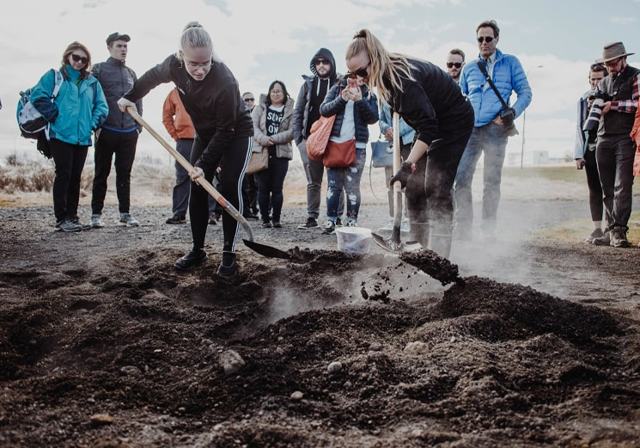
- Rúgbrauð (rye bread): dense, dark and slightly sweet. Traditionally it was baked in pots buried in the hot ground near hot springs. At Laugarvatn, on the Golden Circle, bread is still baked this way, and our rye bread cooking experience lets you see it for yourself. It is eaten with butter, smoked lamb, pickled herring or fish stew. A modern twist is rúgbrauðsís, ice cream with crumbled rye bread, served in a few Reykjavík cafés.
- Flatkaka (flatbread): a soft, round rye flatbread charred on a hot plate, usually topped with butter and hangikjöt.
- Laufabrauð (leaf bread): very thin wafers cut with patterns and fried until crisp. Families make it together before Christmas.
- Kleinur and snúðar: twisted doughnuts and big cinnamon buns, often with chocolate or caramel icing. Every bakery and petrol station has them.
- Pönnukökur: thin Icelandic pancakes, rolled with sugar or filled with jam and whipped cream.
Skyr, the Icelandic yoghurt
Skyr looks and eats like thick yoghurt, but it is technically a fresh sour-milk cheese. It is mentioned in the sagas and has been made in Iceland for centuries, first from sheep's milk and now from skimmed cow's milk. It is high in protein and very low in fat.
The method is simple. Skimmed milk is heated, then a little skyr from an earlier batch is stirred in as the live culture. Once the milk has thickened, it is strained to remove the whey, which leaves the dense, creamy skyr behind. In the old days the sour whey was not wasted either: it was used to preserve meat for the winter. Traces of skyr have been found at medieval farm sites, so skyr in some form has been eaten here for about a thousand years.
Locals eat it at any time of day, for breakfast or as a snack, plain with cream and berries or in flavoured tubs such as vanilla, blueberry, mango, coconut, coffee or even liquorice. You will also find skyr cake (a cheesecake-style dessert) and skyr drinks. Plain skyr from a supermarket is one of the cheapest good breakfasts in Iceland.
The Icelandic hot dog
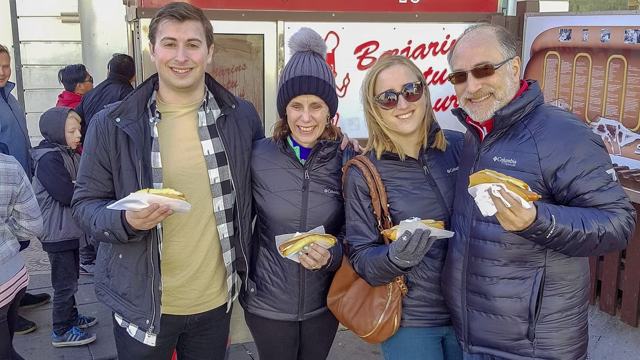
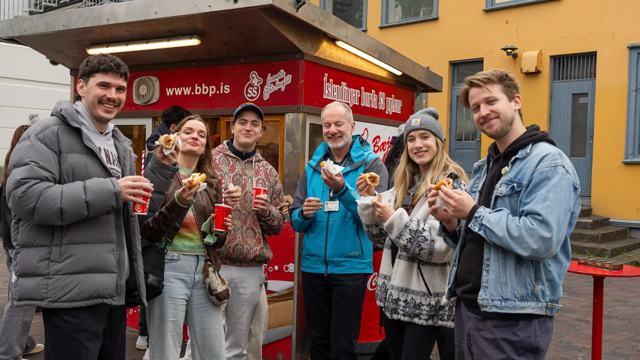
The pylsa is Iceland's favourite fast food. The sausage is made mostly from lamb, with pork and beef, which gives it a softer, slightly different taste from hot dogs elsewhere.
Order it 'eina með öllu' (one with everything) and you get raw onion, crispy fried onion, ketchup, sweet mustard and remoulade. Hot dog stands in Reykjavík and every petrol station in the country sell them, and they are one of the cheapest hot meals you will find.
Þorramatur: fermented shark, sheep's head and other unusual delicacies
Most old Icelandic dishes came from need, not from a wish to cook something fancy. Poor farmers could not afford to waste any part of an animal, so some of the traditional food looks strange to visitors. The best time to see it all together is the midwinter feast.
The old month of Þorri runs from around 20 January to around 20 February. During it, Icelanders hold Þorrablót, a midwinter party with speeches, songs and a buffet of traditional preserved foods called þorramatur. Much of it is soured in whey, which gives it a sharp, tangy taste. If you visit in January or February you will see þorramatur trays in supermarkets and on some restaurant menus. See our guides to Iceland in January and Iceland in February.
Typical þorramatur includes:
- Hákarl (fermented shark): Greenland shark, which is toxic when fresh. The old method was to bury the gutted shark in a gravel pit, press it under stones for weeks or months, and then hang it in an open shed. Today the meat is cut up and fermented in boxes with drainage holes for six to twelve weeks, then hung to dry for several months. It is served in small cubes, often with a shot of brennivín to help it down. The smell of ammonia is stronger than the taste.
- Svið (boiled sheep's head): the head is singed, split and boiled, and served with mashed turnip. It tastes better than it looks. The cheek and tongue are the best parts, and some Icelanders eat the eye as well. Sviðasulta is the same meat pressed into a jellied loaf.
- Slátur: the Icelandic answer to haggis. Blóðmör is blood pudding and lifrarpylsa is liver sausage, both made with lamb, suet, rye flour and oats. They are often eaten with mashed potatoes, turnips and sweet rice pudding.
- Súrsaðir hrútspungar: ram's testicles pressed into blocks, boiled and cured in whey.
- Lundabaggi and súr hvalur: soured lamb loin rolls and pickled whale blubber, now much less common.
- Harðfiskur, hangikjöt, rúgbrauð and rófustappa (mashed turnip) round out the tray.

Controversial ingredients: whale, puffin and horse
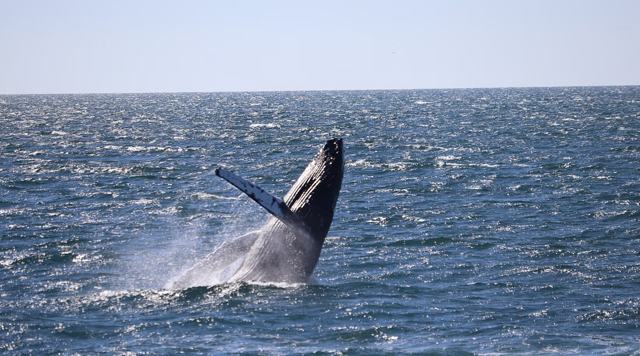
Some things you may see on menus are debated, both abroad and in Iceland. Whale meat is the most controversial. Commercial whaling grew into an industry here in the 19th century and has been restricted and regulated many times since. Two species have been hunted in recent decades. Minke whale was sold to restaurants and shops and eaten largely by tourists, while fin whale meat was mostly exported to Japan. Minke whaling for the home market stopped in 2020, and fin whaling has been on and off in recent years, with no whales caught in 2024 or 2025. In spring 2026 the government announced a bill to ban whaling. Whale is now rare on menus. Many visitors and locals choose not to eat it, and we would rather you went whale watching instead, for example on our whale watching tour from Reykjavík.
Puffin is a traditional seabird dish, usually smoked or pan-fried, and still appears on a few menus. Millions of puffins nest in Iceland each summer, but numbers have fallen in parts of the country after poor breeding seasons, and hunting is now restricted. If you want to see them, our puffin guide explains where and when.
Horse meat has been eaten in Iceland since the 19th century, after being avoided for centuries following the conversion to Christianity around the year 1000. It is sold in supermarkets, usually as salted or smoked meat, but it is rarely a highlight on menus. The Icelandic horse itself is a pure breed and a big part of the national identity: no horses may be brought into the country, and one that leaves can never return.
Traditional sweets: liquorice and ice cream
Icelanders have a serious sweet tooth, and the two favourites are liquorice and ice cream. Liquorice comes in every form: coated in chocolate, salted, rolled with marzipan, dusted with powder or mixed with raisins and almonds. Look for Draumur and Þristur, both chocolate bars with liquorice, the small Opal pastilles, and lakkrísrör, a hollow liquorice straw that children use to drink fizzy drinks. All of them are in any supermarket and make good, cheap souvenirs. See our best souvenirs guide.
Ice cream is eaten all year, even in the middle of winter. Almost every town has an ice cream shop, and many dairy farms make their own. Soft serve is the local favourite, dipped in chocolate or liquorice sauce, rolled in toppings or blended with sweets. If you want the most Icelandic version, ask for liquorice ice cream.
Drinks: brennivín and more
Brennivín is Iceland's traditional spirit, a caraway-flavoured schnapps sometimes nicknamed 'black death'. It is the classic partner for fermented shark. Alcohol is sold only in state-run Vínbúðin shops and in bars and restaurants, and prices are high.
For something softer, try malt og appelsín, a mix of malt drink and orange soda that Icelanders drink at Christmas, or simply the tap water, which is clean, cold and free.
Where to try traditional Icelandic food
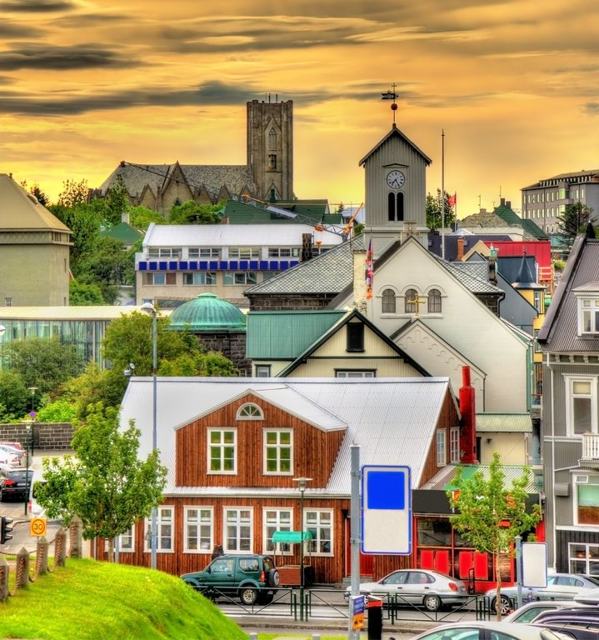
The easiest place is Reykjavík, where restaurants, food halls and bakeries cover everything from lamb soup to fresh fish. A guided food tour is a good way to taste many dishes in one go, with a local explaining what you are eating. Try our Reykjavík food tour, or our private Reykjavík food tour if you want it just for your group.
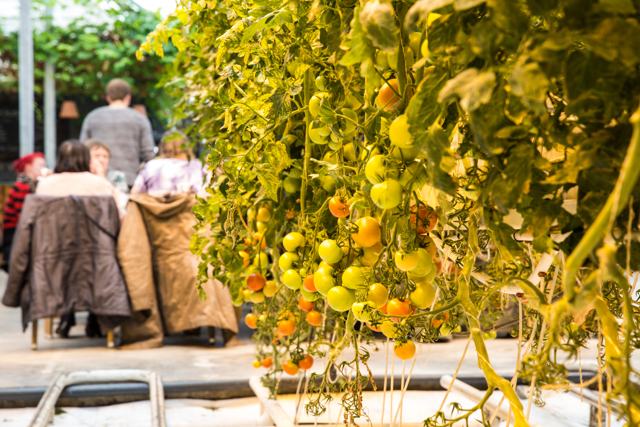
Out in the country, farm visits give you food at the source. Friðheimar on the Golden Circle grows tomatoes in geothermal greenhouses and serves tomato soup among the plants. It is a stop on our Golden Circle, Kerið crater and Friðheimar tomato farm tour. Bjarnarhöfn on the Snæfellsnes peninsula shows how hákarl is made. Around Mývatn, rye bread is baked in the hot ground and served with smoked trout.
Supermarkets are the budget option. Skyr, harðfiskur, flatbread, hangikjöt, rye bread and liquorice are all easy to find, so you can build a very Icelandic picnic for a road trip. Our beginner's guide to Iceland has more money-saving tips.
Tours to book
If you would like to taste Iceland with a local, these are the easiest places to start.
- Private Reykjavik Food Tour: lamb soup, rye bread, skyr, dried fish, fermented shark and more on one walk through central Reykjavík, with a guide just for your group.
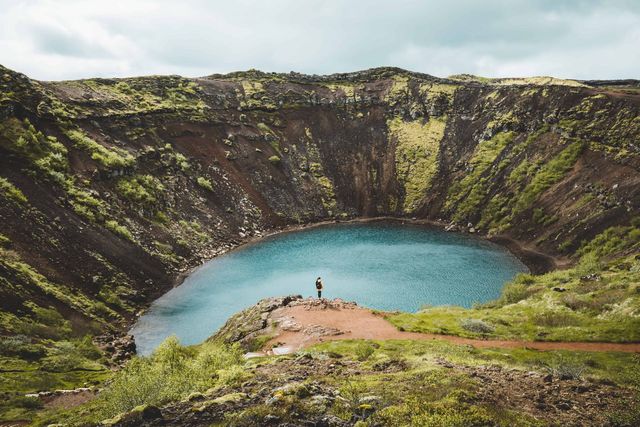
- Golden Circle, Kerið Crater & Friðheimar Tomato Farm: the classic sights with a stop at the greenhouse farm.
- Rye Bread Cooking: see how rúgbrauð is baked in the hot ground on the Golden Circle.
Questions people ask
What is the national dish of Iceland?
There is no official one, but lamb in some form, especially kjötsúpa (lamb soup) and hangikjöt (smoked lamb), is the closest. Many people would also name the Icelandic hot dog or fermented shark.
Do Icelanders really eat fermented shark?
Yes, but mostly during Þorri, the midwinter month from around 20 January to around 20 February, and usually just a few small cubes with a shot of brennivín. It is not everyday food.
Is skyr yoghurt?
Not quite. It is technically a fresh sour-milk cheese, but it is eaten like thick, mild yoghurt, often with berries or cream.
Is whale meat still served in Iceland?
Rarely. Minke whaling for the home market stopped in 2020 and no fin whales were caught in 2024 or 2025, so few restaurants offer it now. Whale watching is the better way to meet whales.
Where can I try Icelandic food on a budget?
Hot dogs, lamb soup and fish soup are good-value meals. Supermarkets sell skyr, dried fish, flatbread, smoked lamb and rye bread for picnics.
What is traditional food in Iceland made from?
Mostly lamb, fish and dairy. Grain and vegetables were scarce for centuries, so Icelanders dried, smoked, salted and fermented what they had. That is where dishes like harðfiskur, hangikjöt, skyr and fermented shark come from.
What sweets are popular in Iceland?
Liquorice, often combined with chocolate, and ice cream. Soft serve with toppings is eaten all year round, and liquorice ice cream is a local favourite.