January is deep winter in Iceland. Reykjavík hovers around freezing, the sun is up for only four to seven hours, and the long nights give you some of the best chances of the year to see the Northern Lights. It is also the heart of ice cave season and one of the quietest months, but storms can close roads, so leave room in your plans.
Weather in January
January is one of the coldest months, but it is milder than many visitors expect. In Reykjavík the average high is about 3°C and the average low about −2°C, so most days sit close to freezing. North Iceland and inland areas are colder, and the south coast is often a little milder and wetter.
The wind is the real challenge. Winter storms bring strong gusts, snow, sleet and rain, sometimes all in one day, and Reykjavík sees measurable rain or snow on about half the days of the month. A calm, clear day with snow on the mountains is lovely, but it can change within hours. Pack for wind and wet, not just cold. Our winter packing list covers the details.
Daylight in January
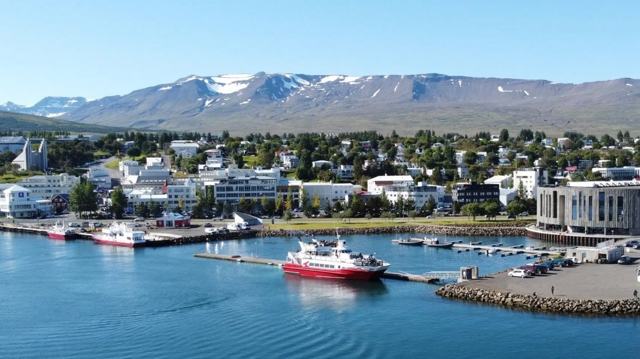
Days are short but grow quickly. In early January the sun rises in Reykjavík at about 11:20 and sets at about 15:45, giving just over four hours of daylight. By the end of the month sunrise is around 10:15 and sunset around 16:45, so you have about six and a half hours, plus long twilight at both ends. The north, around Akureyri, has less daylight than the capital.
Plan your driving and sightseeing around the light. Leave early so you arrive at your first stop as it gets light, and avoid long drives on unfamiliar roads in the dark. The low sun gives soft pink and orange light for hours, which photographers love. See our daylight hours guide for every month.
Northern Lights in January
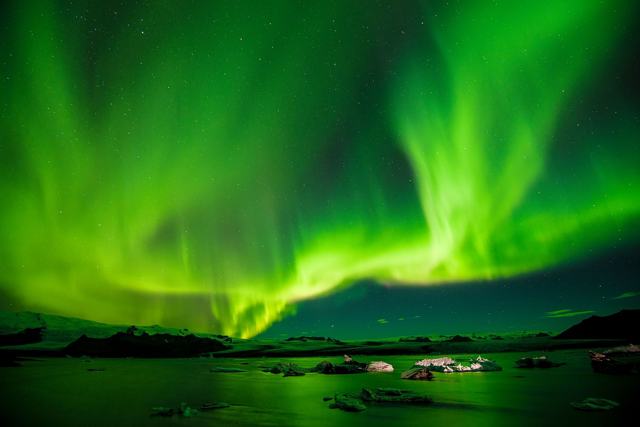
With up to 19 hours of darkness, January gives you plenty of time to look for the aurora. The limiting factor is cloud, not darkness, so the more nights you have, the better your chances. Check the aurora and cloud cover forecasts from the Icelandic Met Office each afternoon and head for the areas with clear skies.
You can sometimes see the lights from Reykjavík, especially from darker spots such as Grótta, but they are much clearer away from city lights. Þingvellir is a popular dark-sky spot within an hour of the city. A guided Northern Lights tour saves you driving on icy roads at night, and the guides follow the forecasts to find gaps in the cloud. Many tours offer a free second try if you see nothing. If you would like a guide just for your group, see our Northern Lights private tour from Reykjavík. Read our Northern Lights guide and our tips for seeing them in Reykjavík.
Ice caves and glaciers
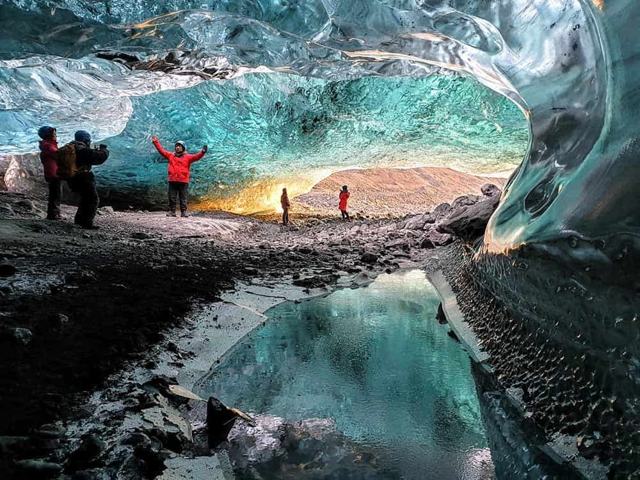
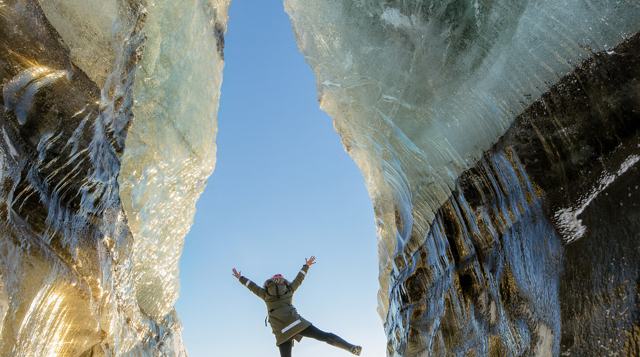
January is right in the middle of the natural ice cave season, which usually runs from about November to March, depending on the weather. Most trips start near Jökulsárlón or Skaftafell and visit caves in Vatnajökull. The caves change every year as the glacier moves, so no two seasons look the same. You must go with a certified glacier guide, and our Vatnajökull ice cave tour is the simplest way to do that.
If you are short on time, the ice cave under Mýrdalsjökull near Vík can be reached on a day trip from Reykjavík, for example on our Katla ice cave private tour. Read our guide to the Katla ice cave. You can also walk on the glacier with crampons and a guide at Sólheimajökull or Skaftafell.
See our ice cave tours, Vatnajökull ice cave tours and glacier hiking tours.
Best things to do in January
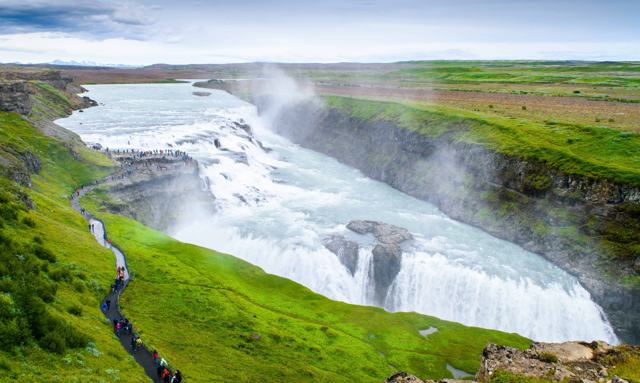
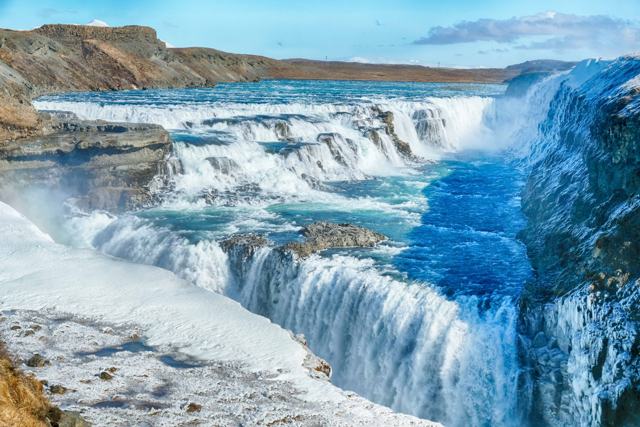
- Drive or take a tour around the Golden Circle: Þingvellir, Geysir and Gullfoss, which is often partly frozen. It fits easily into a short winter day.
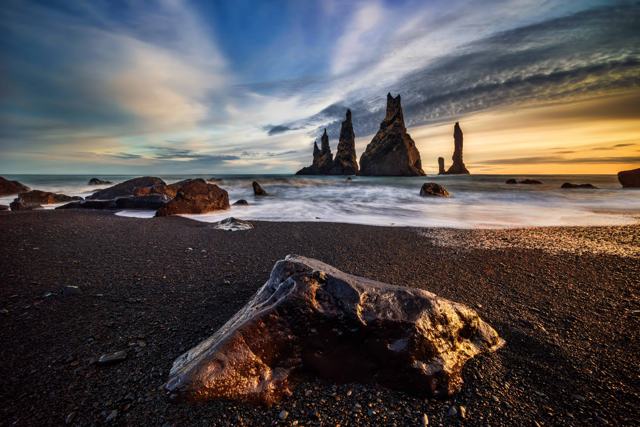
- Follow the South Coast to Seljalandsfoss, Skógafoss and the black sand at Reynisfjara. Stay well back from the water at Reynisfjara, as the waves are dangerous, especially in winter.
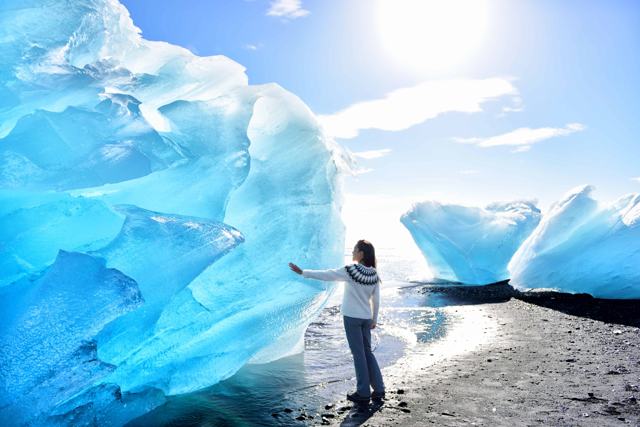
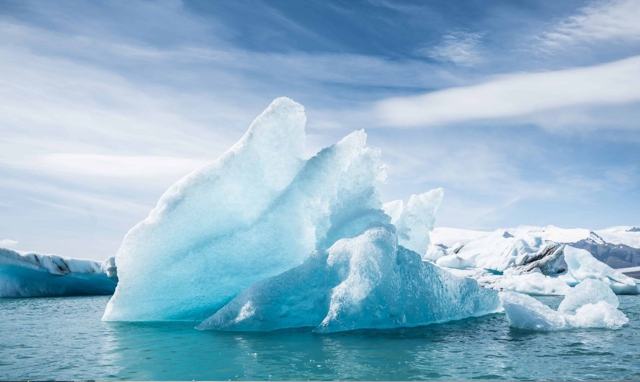
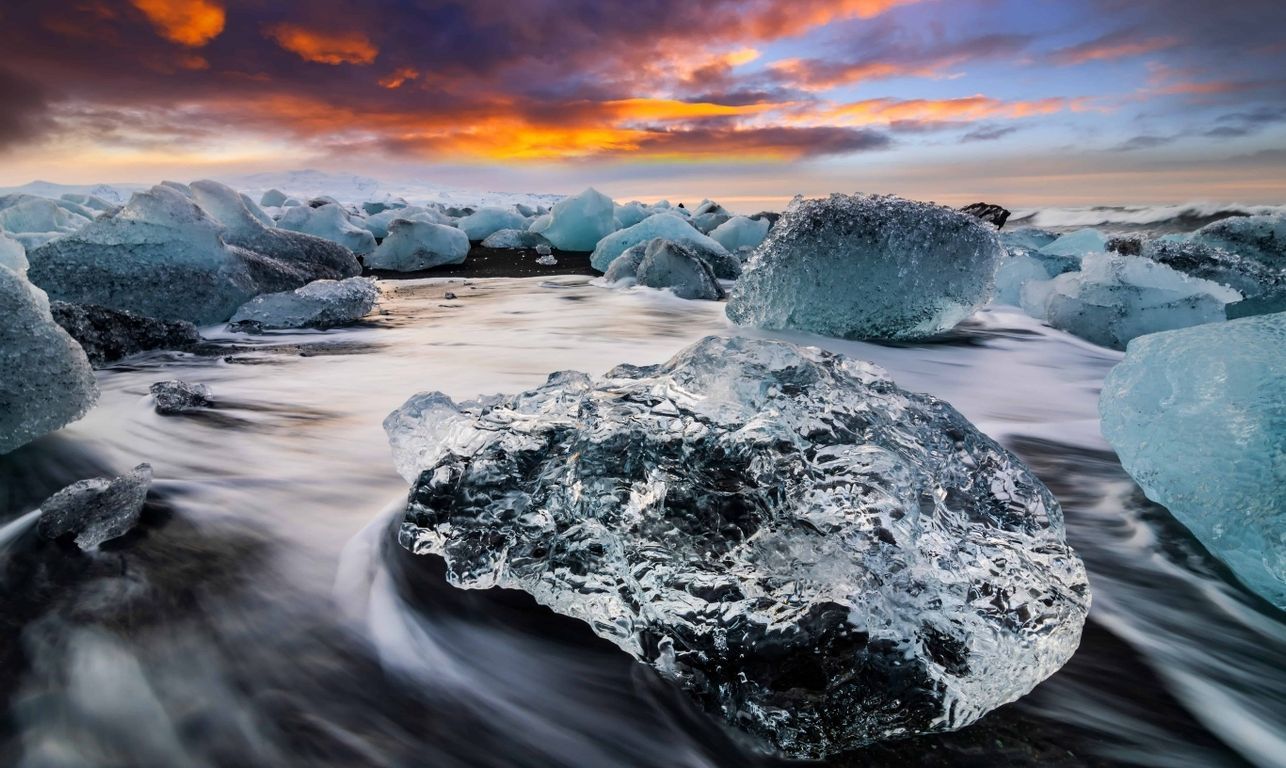
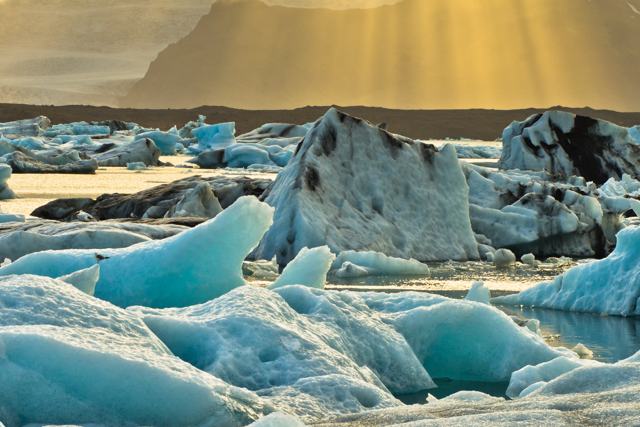
- See icebergs at Jökulsárlón and ice on the black sand at Diamond Beach. Read about the glacier lagoons.
- Ride a snowmobile on Langjökull or Mýrdalsjökull. See our snowmobile tours.
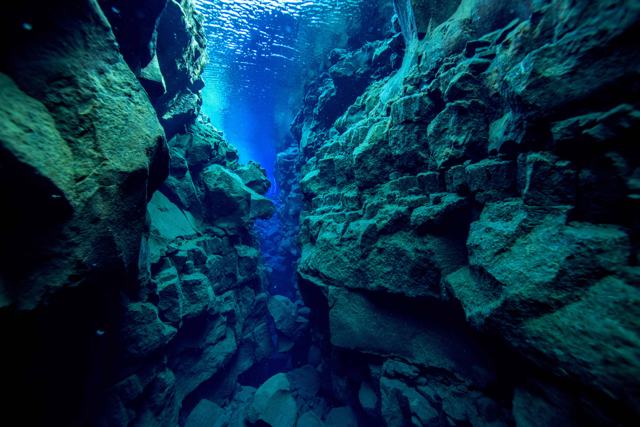
- Snorkel or dive in Silfra in Þingvellir. You wear a dry suit, and the clear water between the tectonic plates does not freeze. See our snorkelling and diving tours.
- Soak in a warm pool while snow falls. Options include the Blue Lagoon, Sky Lagoon, the Secret Lagoon and the nature baths at Mývatn. Compare the two biggest in our Sky Lagoon vs Blue Lagoon guide.
- Go local and visit a town swimming pool. Every town has one, they are cheap, and the hot tubs are where Icelanders meet.
Festivals and events in January
If you arrive before New Year, you will see Reykjavík's famous fireworks on 31 December. See our New Year's Eve guide. Christmas in Iceland ends on 6 January, Þrettándinn, with bonfires, fireworks and elf songs in many towns.
The old Icelandic month of Þorri starts on Bóndadagur, the Friday between 19 and 25 January, which is 22 January in 2027. It begins the season of Þorrablót, midwinter feasts where Icelanders eat traditional foods such as fermented shark, sour ram's testicles, singed sheep's head and dried fish. Many Reykjavík restaurants serve a Þorri plate during this time. Our guide to traditional Icelandic food explains what is on it.
Dark Music Days, a festival of new and contemporary music, is held in Reykjavík in late January, mostly at Harpa. The Reykjavík International Games, a multi-sport event, usually takes place in the second half of January. Check each event's dates before you plan around it.
Driving in January
You can self-drive in January, but it needs care. Rental cars come with winter tyres, and a 4×4 is a sensible choice outside Reykjavík. Main roads such as the Ring Road are cleared regularly, but ice, blowing snow and strong winds are common, and roads and mountain passes can close at short notice. The highland roads, including those to Landmannalaugar and Þórsmörk, are closed all winter.
Check the road conditions on road.is and the weather forecast from the Icelandic Met Office every morning, and read the alerts on safetravel.is. Leave a travel plan with someone and call 112 in an emergency. Winds are often the biggest danger, so check wind speed as well as snow. If you would rather not drive, day tours from Reykjavík and winter Ring Road tours let a local driver handle the roads. Our 6-day winter Ring Road tour goes all the way around the country.
If a storm cancels your plans, read our list of alternatives when tours are cancelled.
Pros and cons of visiting in January
Good: long dark nights for the Northern Lights, ice caves, snowy landscapes, frozen waterfalls, fewer visitors than summer, and often lower prices for rooms and cars after the New Year holidays.
Less good: short days, storms that can close roads or cancel tours, and no access to the highlands. Some rural guesthouses, cafés and museums close or shorten their hours in winter, so check ahead in the countryside.
If you want a little more daylight with similar winter activities, February is a good alternative. For the festive season, see Iceland in December.
What to pack for January
- Waterproof, windproof jacket and waterproof trousers
- Thermal base layers in wool or synthetic fabric, not cotton
- Warm mid-layers: a fleece or a wool jumper and an insulated jacket
- Warm hat, buff or scarf, and windproof gloves or mittens
- Waterproof winter boots with a good grip, and wool socks
- Ice cleats or microspikes for icy paths and car parks
- Swimwear and a quick-dry towel for pools and lagoons
- Head torch, phone power bank and a tripod for aurora photos
- Lip balm and a rich moisturiser for the dry, cold air
Tours to book
If you would rather leave the winter driving and the forecasts to someone else, these fit a January trip well.
- 6 Day Iceland Ring Road Tour (winter): the whole island in winter, with no icy roads to drive yourself.
- Vatnajökull Ice Cave: January is the heart of the natural ice cave season.
- Northern Lights Private Tour from Reykjavík: a private aurora hunt on the long January nights.
Questions people ask
How cold is Iceland in January?
Around freezing in Reykjavík, with an average high of about 3°C and an average low of about −2°C. The north and inland areas are colder, and the wind makes it feel much colder.
How many hours of daylight are there in Iceland in January?
In Reykjavík about four hours at the start of January, rising to about six and a half hours by the end of the month. The north has less.
Is January a good month to see the Northern Lights?
Yes. The nights are very long, so you have many hours of darkness. Clear skies are the main factor, so allow several nights and follow the cloud forecast.
Can you drive in Iceland in January?
Yes, on main roads with a winter-ready car and careful planning. Check road.is and the weather every day, and expect closures during storms. Highland roads are closed.
Are ice caves open in January?
Yes. January is in the middle of the natural ice cave season in Vatnajökull, which usually runs from about November to March. Visits are only allowed with a certified guide.