December is the darkest and most festive month in Iceland. Reykjavík hovers around freezing, the sun is up for only four to five hours, and the long nights give you plenty of time to look for the Northern Lights. Add ice caves, snowy waterfalls, Christmas markets, thirteen Yule Lads and the New Year's Eve fireworks, and it is a special time to visit, as long as you plan around short days and changeable weather.
Weather in December
December is cold, but milder than many people expect. In Reykjavík the average high is about 3°C and the average low about −2°C, so most days sit close to freezing. North Iceland, the highlands and inland areas are colder and get more snow. The south coast is often a little milder and wetter.
Wind is the real challenge. Winter storms bring strong gusts, snow, sleet and rain, sometimes all in one day. Reykjavík gets rain or snow on about half the days of the month, and snow falls on around 12 or 13 days in an average December. Calm, clear days with snow on the mountains do happen, but the weather can change within hours. Pack for wind and wet, not only for cold.
Daylight in December
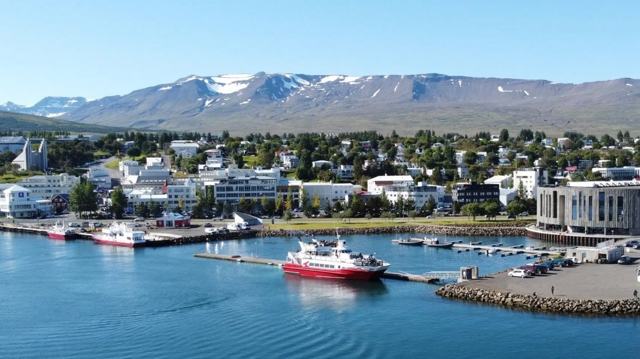
December has the shortest days of the year. In Reykjavík the day falls from about five hours at the start of the month to just over four at the winter solstice, which is on 21 December in 2026 and 22 December in 2027. In mid-December the sun rises at about 11:15 and sets at about 15:30. The north, around Akureyri, has even less daylight, and in some deep fjords the mountains block the sun completely for weeks.
It is not dark all day, though. The sun stays low in the south, and long twilight at both ends gives you close to seven hours of usable light around the solstice. The low sun paints the sky pink and orange for hours, which photographers love. Reykjavík only gets around 13 hours of sunshine in the whole month on average, so make the most of any clear day.
Read more in our winter solstice guide and our daylight hours guide.
Northern Lights in December
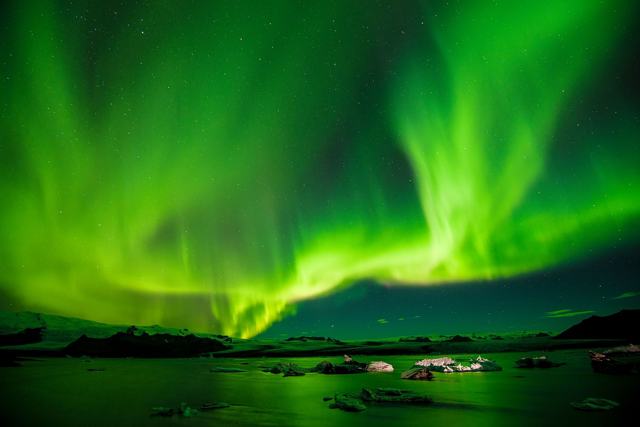
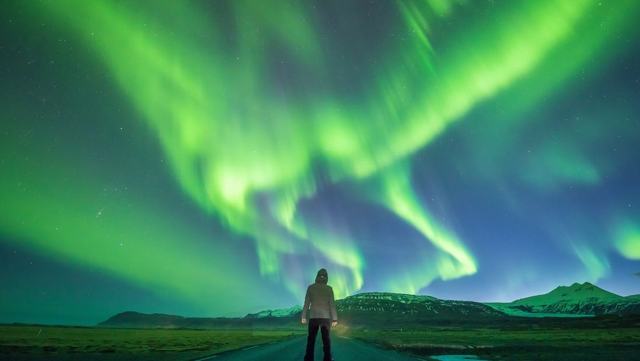
With the longest nights of the year, December gives you more hours of darkness to look for the aurora than any other month. The best time is usually between about 9 pm and 2 am, but any dark hour can work. You still need clear or broken cloud and some solar activity, and cloud is the main thing that stops people seeing them. The more nights you have, the better your chances.
In 2026 the moon is full on 24 December, which makes faint displays harder to see around Christmas itself. The darkest skies are in the first half of the month, with the new moon on 9 December, and again around New Year. Our weekly Northern Lights forecast has the outlook for your week.
Check the aurora and cloud forecasts from the Icelandic Met Office (vedur.is) each afternoon. You can sometimes see the lights from Reykjavík, but they are much clearer away from city lights. Þingvellir is a popular dark spot within an hour of the city.
A guided Northern Lights tour saves you driving on icy roads at night, and the guides follow the forecasts to find gaps in the cloud. Many tours offer a free second try if you see nothing. For a quieter night, our Northern Lights Private Tour from Reykjavík gives you your own guide. Read our Northern Lights guide and our tips for seeing them in Reykjavík.
Christmas in Iceland
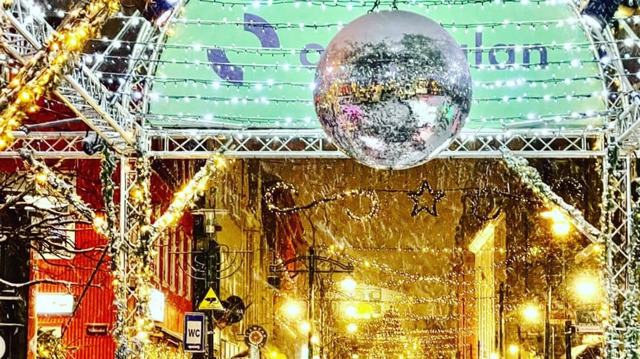
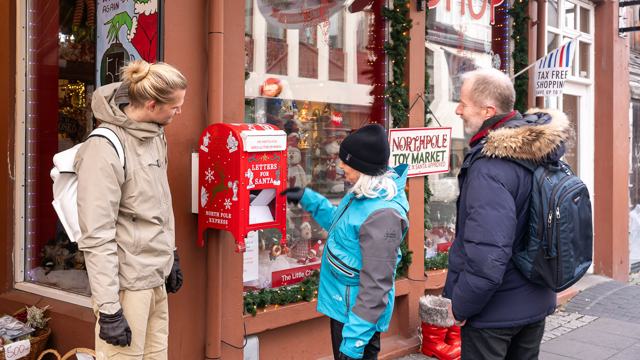
Icelanders take Christmas seriously, and the whole of December feels festive. Streets and houses are covered in lights, which makes a big difference in the dark, and there are concerts, markets and Christmas buffets across the capital area. Our Reykjavík Christmas Walking Tour, which runs only in December, takes you past the lights, the ice rink and the Christmas stalls with a local guide, and the Reykjavík Christmas Food Tour lets you taste hangikjöt, laufabrauð and jólaöl.
Instead of one Santa Claus, Iceland has thirteen Yule Lads. They come down from the mountains one by one over the thirteen nights before Christmas, starting on 12 December, and each leaves a small gift in a shoe that children put on the windowsill. Their mother is the troll Grýla, and the family keeps the Yule Cat, which is said to eat people who did not get new clothes before Christmas. Our guide to elves and trolls in Iceland has more folklore.
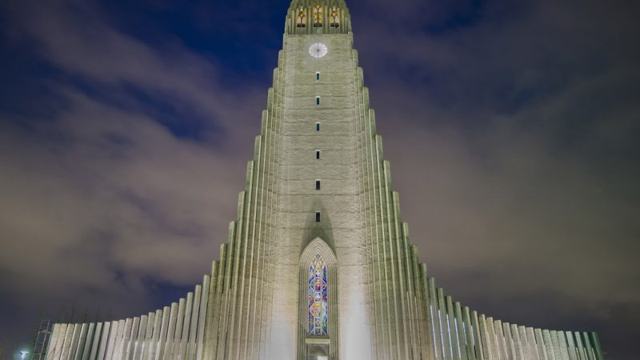
- Christmas Village in Hafnarfjörður: the town's Christmas market, Jólaþorpið, fills Thorsplan square with about twenty small wooden huts selling Christmas food, crafts and gifts. In 2026 it opens on Friday 13 November and runs through Advent on Fridays (17:00–20:00), Saturdays (13:00–20:00) and Sundays (13:00–18:00), with longer hours on 23 December.
- Christmas at Árbær Open Air Museum: the old turf and timber houses in Reykjavík host a Christmas programme with Yule Lads, a church service and dancing round the tree. In 2026 it runs on Sundays 13 and 20 December from 13:00 to 16:00.
- Reykjavík city centre: the Christmas tree on Austurvöllur square is lit at the start of Advent, and Laugavegur and the streets around it are lit up and busy with shoppers, especially in the evenings. See our Laugavegur guide.
- Concerts: choirs and orchestras perform Christmas concerts in churches, at Hallgrímskirkja and at Harpa through December. Check what is on for your dates.
- Christmas food: smoked lamb (hangikjöt), glazed ham, ptarmigan and thin, cut-patterned laufabrauð. On 23 December, Þorláksmessa, many families eat fermented skate. See our guide to traditional Icelandic food.
Opening hours over Christmas and New Year
Most of December is business as usual. Tours run, and shops often have longer hours in the run-up to Christmas. It changes from the afternoon of 24 December. Most shops close early on Christmas Eve, and many restaurants, attractions and tours are closed that evening and on 25 December. Many places also have shorter hours on 26 December and on New Year's Eve, and some stay closed on 1 January.
Holiday hours we could confirm for 2026:
If you are here over the holidays, book Christmas and New Year's Eve dinners, rooms and tours early. Our Christmas in Iceland guide lists which tours run on 24, 25 and 26 December. A multi-day winter tour is an easy option, as transport and much of the planning are arranged for you. See our winter Ring Road tours, including the 8 Day Iceland Northern Lights Tour Package.
- Reykjavík's swimming pools: 06:30–18:00 on 23 December, 08:00–13:00 on 24 December, closed on 25 December and 11:00–17:00 on 26 December.
- The Blue Lagoon: 08:00–16:00 on Christmas Eve and 08:00–18:00 on New Year's Eve, and its normal winter hours, 08:00–22:00, on other days. It says it is open every day of the year.
- Our private tours do not run from 24 to 26 December, so book them for 23 December or from 27 December. Several group tours, including the Golden Circle Bus Tour, were bookable on Christmas Day when we checked in late October.
- Buses: on 24 and 31 December 2025, Reykjavík's Strætó buses ran a Saturday timetable with the last trips around 15:00, and on 25 and 26 December a Sunday timetable. The 2026 holiday timetable is usually published in December.
New Year's Eve
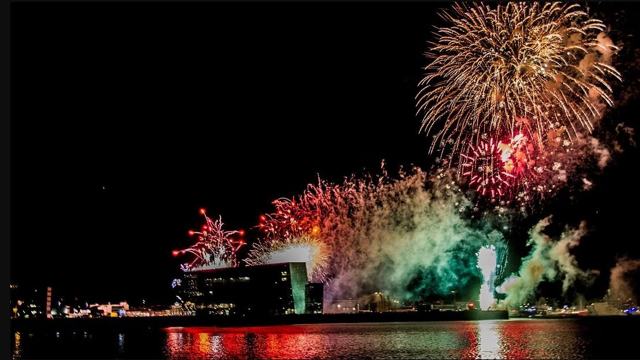
New Year's Eve is the biggest night of the year in Iceland. Families eat together, gather at neighbourhood bonfires in the evening, go home for the year-end comedy show on TV at 22:30, then fill the streets for a huge, unofficial fireworks display at midnight. Most fireworks are sold by the volunteer search and rescue teams, so buying them supports the people who help travellers in trouble.
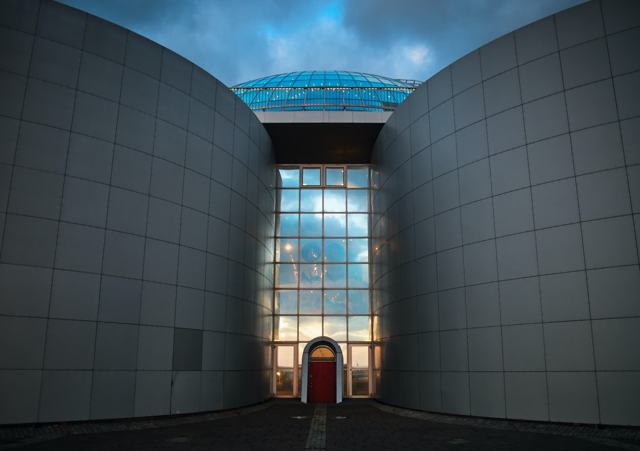
Popular places to watch in Reykjavík include Hallgrímskirkja, Perlan and the seafront, or you can see the display from the water on our New Year’s Eve Firework Cruise. Our New Year's Eve guide has bonfire locations, times and tips. Christmas ends on 6 January with more bonfires and fireworks; see Iceland in January.
Ice caves, glaciers and winter activities
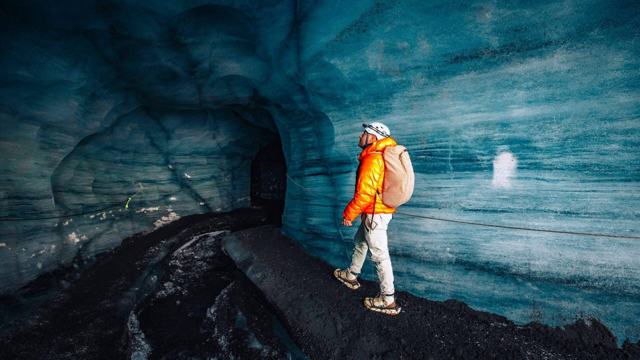
December is in the natural ice cave season in Vatnajökull, which usually runs from about November to March, depending on the weather. Most trips start near Jökulsárlón or Skaftafell. The caves change every year as the glacier moves, and you must go with a certified glacier guide. Our 2 Day South Coast Tour from Reykjavík includes a natural ice cave in winter, with Jökulsárlón and the Diamond Beach. If you only have time for a day trip from Reykjavík, the ice cave under Mýrdalsjökull near Vík is an option; see our Katla ice cave guide.
Other winter activities work well in December:
- Glacier walks on Sólheimajökull or at Skaftafell, with crampons, an ice axe and a guide. See our glacier hiking tours.
- Snowmobiling on Langjökull or Mýrdalsjökull. Tours on Langjökull combine well with the Golden Circle. See our snowmobile tours.
- Dog sledding near Reykjavík or in North Iceland. Near the capital, snow is never guaranteed, so tours may switch to wheeled carts; the north has more reliable snow. See our dog sledding guide and dog sledding tours.
- Snorkelling in Silfra in Þingvellir, in a dry suit, between two tectonic plates. See snorkelling and diving tours.
Best things to do in December
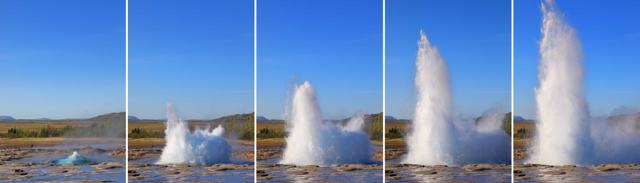
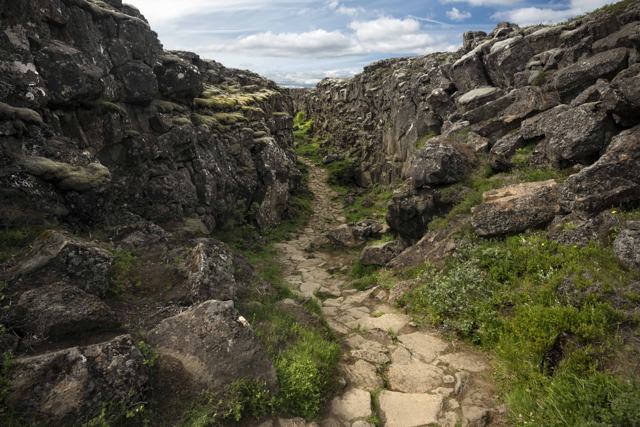
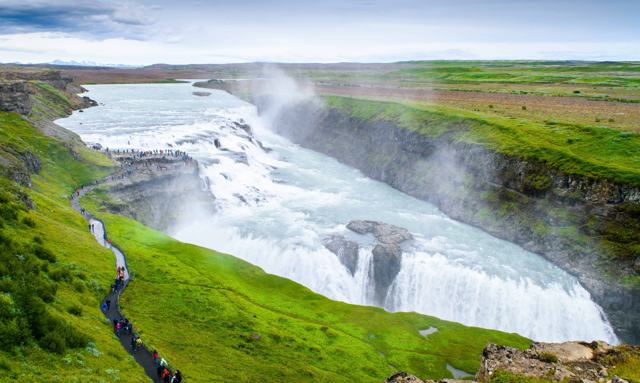
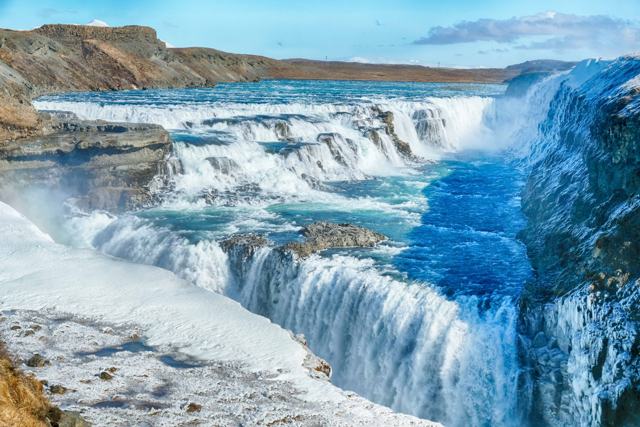
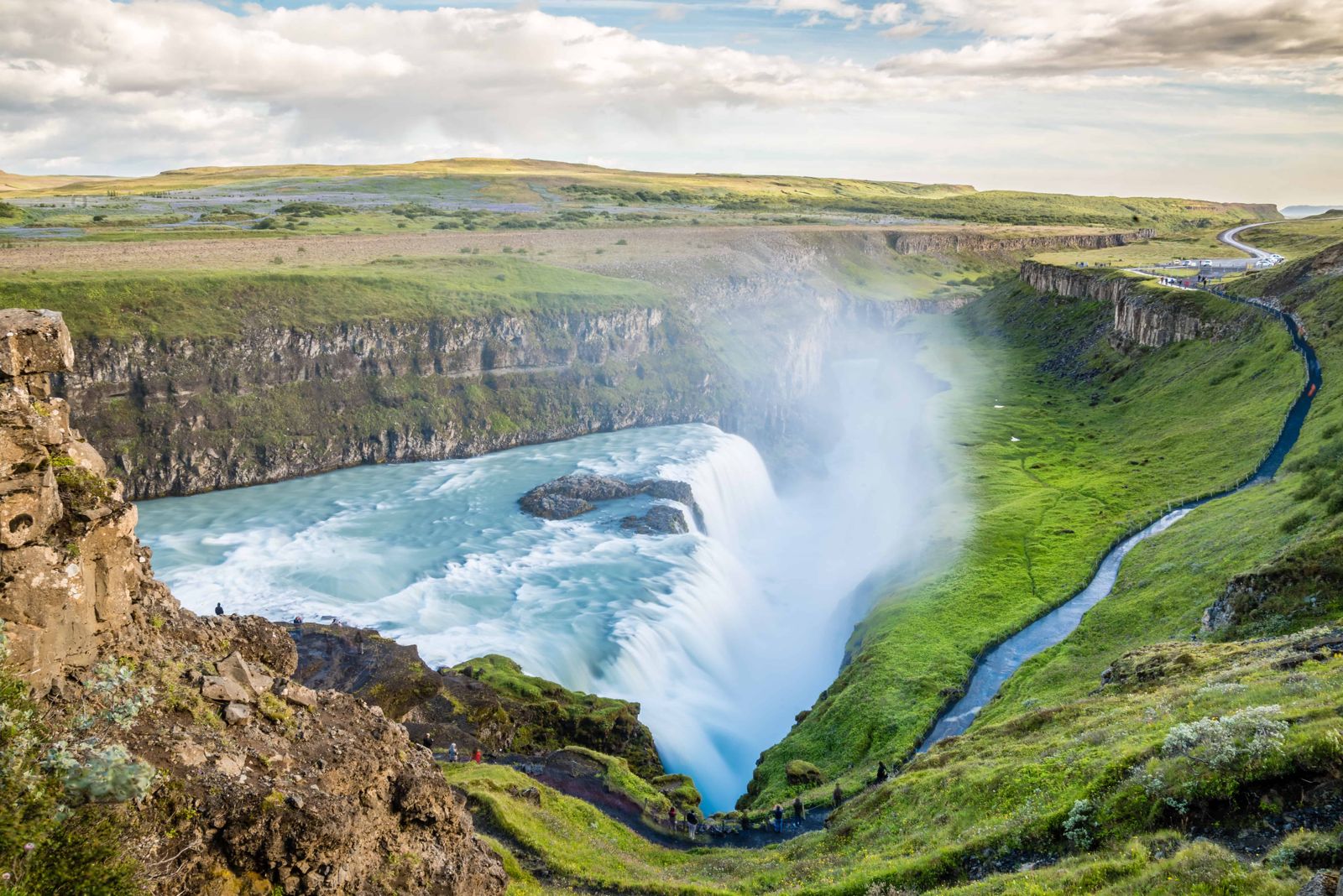
- Drive or take a tour around the Golden Circle: Þingvellir, the Geysir area, where Strokkur erupts every few minutes, and Gullfoss, often partly frozen. It fits well into a short winter day.
- Follow the South Coast to Seljalandsfoss, Skógafoss and the black sand at Reynisfjara. The path behind Seljalandsfoss is often icy or closed in winter, and the waves at Reynisfjara are dangerous, so stay well back from the water.
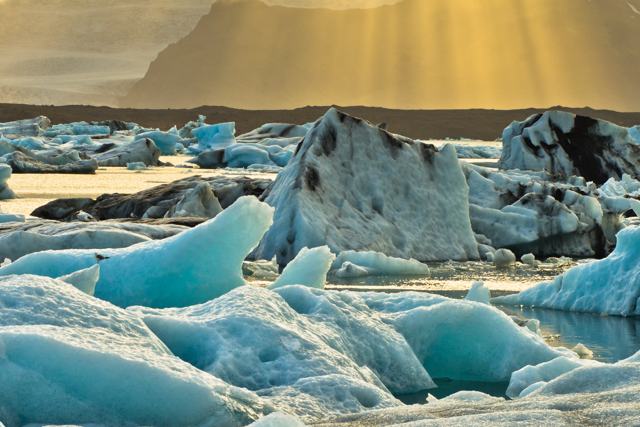
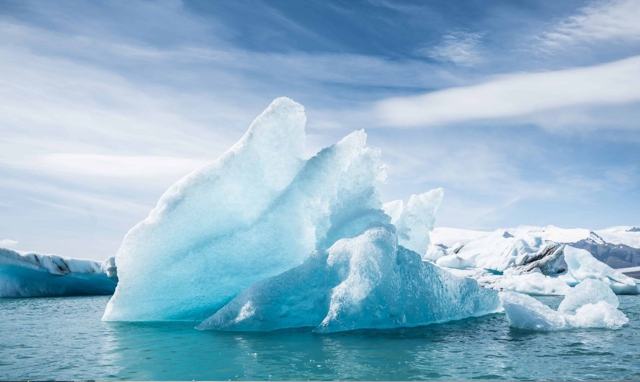
- See icebergs at Jökulsárlón and on the Diamond Beach, ideally on a two- or three-day trip so you are not driving for hours in the dark. See our glacier lagoon tours.
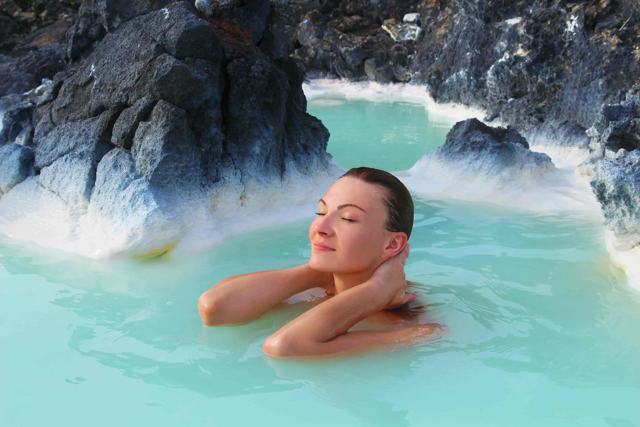
- Soak in warm water under a dark sky. Options include the Blue Lagoon, Sky Lagoon, the Secret Lagoon and the nature baths at Mývatn. Compare the two biggest in our Sky Lagoon vs Blue Lagoon guide, or browse our hot spring tours.
- Visit a local swimming pool. Every town has one, they are cheap, and the hot tubs are where Icelanders meet in winter.
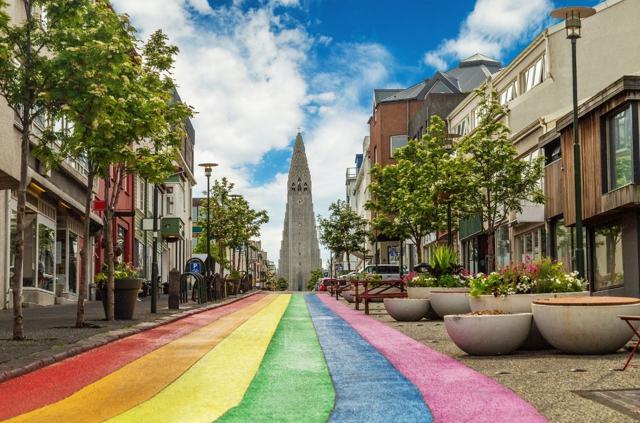
- Explore Reykjavík on the short days: Hallgrímskirkja, Harpa, the Sun Voyager and the city's museums, then walk the lit-up streets in the evening. Our Reykjavík guide has more ideas.
Driving in December
You can self-drive in December, but it needs care. Rental cars come with winter tyres, and a 4×4 is a sensible choice outside Reykjavík. The Ring Road and other main roads are cleared, but ice, blowing snow and strong winds are common, and roads and mountain passes can close at short notice. Highland roads are closed all winter.
Check road conditions on umferdin.is, the forecast and warnings on vedur.is, and the alerts on safetravel.is every morning. Drive the longest stretches in daylight, and keep distances short, since many rural roads have no lighting. If you would rather not drive, day tours from Reykjavík let a local driver handle the roads. If a storm cancels your plans, read our list of alternatives when tours are cancelled.
Read our guide to driving in Iceland in winter and our weekly road conditions update. Studded tyres may be used from 1 November to mid-April.

Crowds and prices
Early and mid-December are among the quieter times of year, and prices for rooms and cars are often lower than in summer. It gets busier from around 20 December, and the Christmas and New Year period is popular, so rooms, cars and tours can sell out and cost more. Book early if you are coming for the holidays.
If you want more daylight with the same winter activities, February and March are good alternatives. For late autumn, see Iceland in November.
Pros and cons of visiting in December
Good: the longest nights for the Northern Lights, ice caves, snowy landscapes and frozen waterfalls, a festive Christmas atmosphere, the New Year's Eve fireworks, and fewer visitors in the first weeks of the month.
Less good: very short days, storms that can close roads or cancel tours, no access to the highlands, and holiday closures and higher prices over Christmas and New Year. Some rural guesthouses, cafés and museums close or shorten their hours in winter, so check ahead in the countryside.
What to pack for December
You will spend a lot of time outside in the dark and the wind, so warm, waterproof layers matter most. Our winter packing list has the full details.
- Waterproof, windproof jacket and waterproof trousers
- Thermal base layers in wool or synthetic fabric, not cotton
- A fleece or wool jumper, such as a lopapeysa, and an insulated jacket
- Warm hat, scarf or neck warmer, and windproof gloves or mittens
- Waterproof winter boots with good grip, and wool socks
- Ice cleats or microspikes for icy paths and car parks
- Swimwear and a quick-dry towel for pools and lagoons
- Head torch, phone power bank and a tripod for aurora photos
- Something smart for a Christmas or New Year's Eve dinner, if you have one booked
Tours to book
These make the most of December’s long nights and short days.
- 8 Day Iceland Northern Lights Tour Package: a guided small-group trip around the Ring Road from September to April, with a natural ice cave and many nights to look for the aurora.
- 2 Day South Coast Tour: the South Coast, Jökulsárlón and a winter ice cave without driving long hours in the dark.
- Northern Lights Private Tour from Reykjavík: your own guide to follow the cloud forecast on the longest nights of the year.
Questions people ask
How cold is Iceland in December?
Around freezing in Reykjavík, with an average high of about 3°C and an average low of about −2°C. The north and inland areas are colder, and the wind makes it feel much colder.
How many hours of daylight does Iceland have in December?
In Reykjavík about five hours at the start of December, falling to just over four at the winter solstice on 21 or 22 December. Twilight adds a few more hours of usable light. The north has less.
Is December a good time to see the Northern Lights?
Yes. December has the longest nights of the year, so you have many hours of darkness. Clear skies are the main factor, so allow several nights and follow the cloud forecast.
Is everything closed in Iceland at Christmas?
No, but many places close or shorten their hours from the afternoon of 24 December, on 25 December and on New Year's Eve and Day. Reykjavík's pools are closed on 25 December and our private tours do not run from 24 to 26 December, but several group tours do. Book ahead and check holiday hours.
Can you drive in Iceland in December?
Yes, on main roads with a winter-ready car and careful planning. Check road.is and the weather every day, drive in daylight and expect closures during storms. Highland roads are closed.