March is one of the best-balanced months to visit Iceland. You still get snow, ice caves and dark nights for the Northern Lights, but the days are much longer than in midwinter, growing from about 10 to over 13 hours in Reykjavík. Expect temperatures around freezing, changeable weather and fewer visitors than in summer.
| Temperature in Reykjavík | High about 4°C, low about −1°C |
|---|---|
| Daylight in Reykjavík (sunrise / sunset / daylight) | 1 Mar: 08:37 / 18:44 / 10 h 7 min 15 Mar: 07:48 / 19:26 / 11 h 38 min 31 Mar: 06:51 / 20:14 / 13 h 23 min |
| Northern Lights | Yes, all month |
| Ice caves | Natural ice caves open |
| Best for | The best mix of daylight, snow and Northern Lights |
Daylight times are for Reykjavík and are approximate.
Weather in March
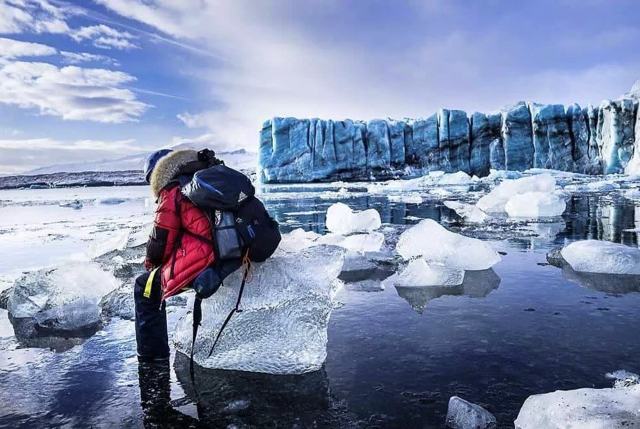
March is still winter in Iceland. In Reykjavík the long-term average high is about 4°C and the average low about −1°C, so most days hover around freezing. That is milder than the latitude suggests, because the Gulf Stream brings relatively warm water up to Iceland's south and west coasts. North Iceland and inland areas are colder. Rain in the south often turns to snow as you go north, and snow is common in the mountains and the north well into April.
Reykjavík gets about 80 mm of rain or snow in March, spread over roughly 14 days. Storms still pass through, and the wind is often what makes a day hard, not the cold. On the other hand, March has noticeably more sunshine than the dark months, and a clear, calm day with fresh snow is about as good as Iceland gets.
Pack layers and waterproof footwear so you can cope with rain, sleet and snow on the same day, and check the forecast on vedur.is before you set out.
Daylight in March
Daylight grows fast in March, by about six to seven minutes a day. On 1 March the sun rises in Reykjavík at about 8:37 and sets at about 18:44, giving 10 hours of daylight. By 31 March sunrise is at about 6:51 and sunset at about 20:14, so you get over 13 hours, plus twilight at both ends. Day and night are about equal at the spring equinox around 20 March.
That gives you proper sightseeing days and enough dark hours for aurora hunting in the evening. For every month of the year, see our daylight hours guide.
Northern Lights in March
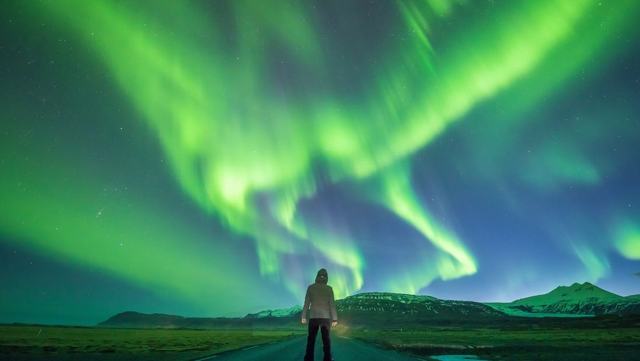
March is a good month for the Northern Lights. The nights are still long and dark, and the evenings are milder than in January, which makes waiting outside easier. The weeks around the equinox are often said to bring more active displays, but the thing that matters most is a clear sky, so check the cloud and aurora forecasts from the Icelandic Met Office each afternoon.
As the month goes on it gets dark later, so aurora tours leave later in the evening. By mid-April the season is almost over, so March is the last full month to plan a trip around the lights. Read our Northern Lights guide and tips for seeing them in Reykjavík, or see our Northern Lights tours. If the lights are the main reason for your trip, our 8-day Northern Lights tour package gives you many evenings to try.
Ice caves and glaciers
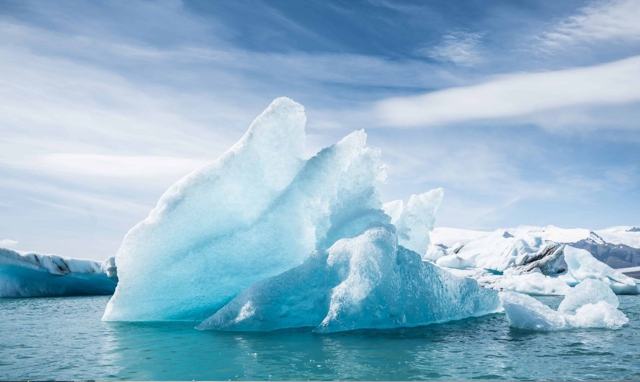
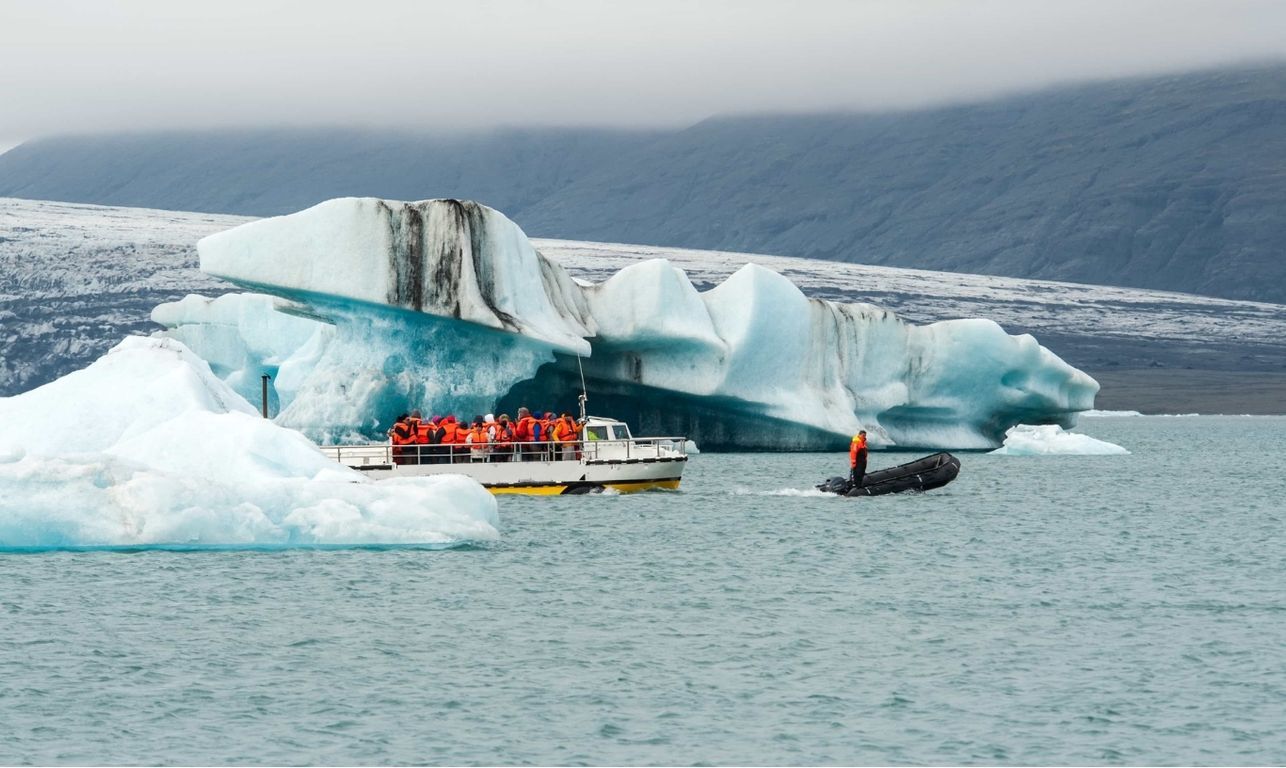
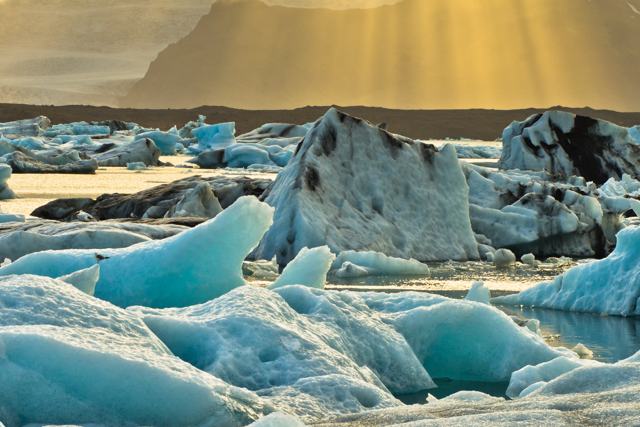
The natural ice caves in Vatnajökull are open from about November and usually through March, depending on the weather. Meltwater carves these caves inside the glacier each year, and the dense ice glows blue. March is the last reliable month to see one, and a warm spell can end the season early, so book with some flexibility. Trips start near Jökulsárlón and Skaftafell in South-East Iceland. Never enter an ice cave without a glacier guide. Our private Vatnajökull ice cave tour is an option if you want a guide just for your group.
The ice cave under Mýrdalsjökull, near the Katla volcano, is visited all year and can be done as a day trip from Reykjavík. Read our guide to the Katla ice cave year-round.
Glacier walks run in March on Sólheimajökull and in Skaftafell, which is part of Vatnajökull, Europe's largest glacier by volume. The guide gives you crampons, an ice axe and a helmet and leads you among crevasses and ice ridges. It is something few countries can offer so close to the main road. See our ice cave tours and glacier hiking tours, or compare options in our top glacier hiking tours.
Driving and road trips in March
Self-driving is possible in March, but it is still winter driving. Rental cars have winter tyres, and a 4×4 is a sensible choice outside the capital area. Thaw and refreeze cycles make black ice common, especially in the mornings and on bridges, and blowing snow or strong wind can close roads and mountain passes at short notice. The highland F-roads stay closed until summer.
Good March road trips include the Golden Circle, the South Coast as far as Jökulsárlón, and the Snæfellsnes peninsula. Our 5-day winter package covers the Golden Circle, the South Coast and Snæfellsnes. The full Ring Road is doable with more daylight than in winter, but allow spare days for weather, as the north and east can be snowy.
Check road.is and the Met Office forecast every morning, and read the alerts on safetravel.is. If you would rather not drive on ice, a winter Ring Road tour or day tours from Reykjavík let a local driver handle the roads. If a storm cancels your plans, see our list of alternatives when tours are cancelled.
Best things to do in March
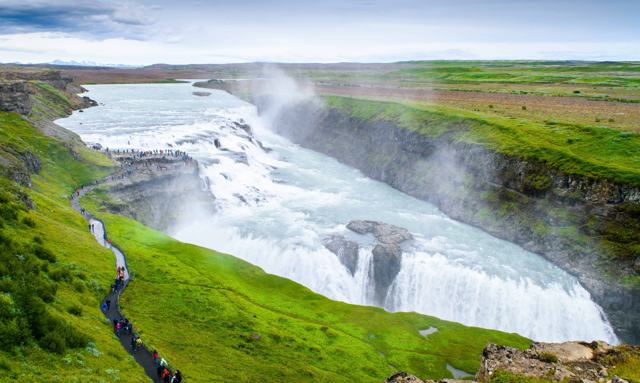
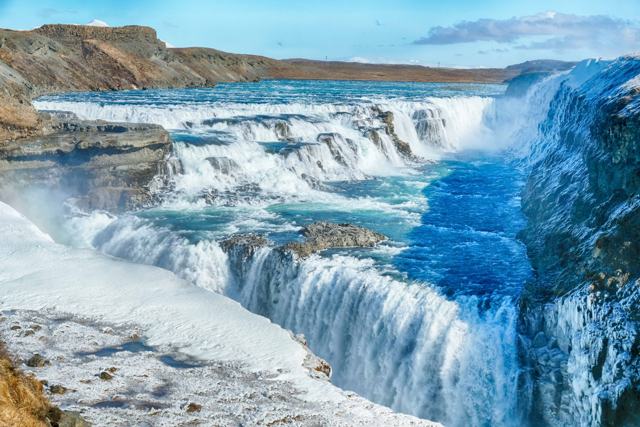
- Drive or take a tour around the Golden Circle, Iceland's most popular day route. Þingvellir is a UNESCO World Heritage Site in a rift valley. At Geysir the old Great Geysir is quiet now, but Strokkur erupts every five to ten minutes among hot springs, steam vents and mud pots. Gullfoss is often half-frozen in March, with ice on the rocks and snow all around.
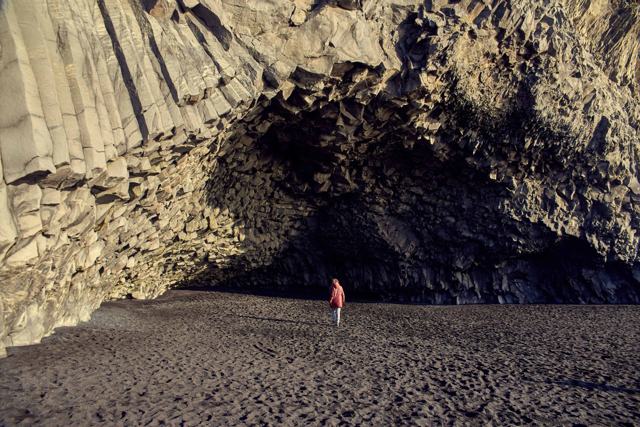
- Follow the South Coast past Seljalandsfoss and Skógafoss to the black sand beach at Reynisfjara. The sand is volcanic rock ground down by the sea, and the beach has basalt columns, a cave and sea stacks offshore. Stay well back from the water, as the waves are dangerous.
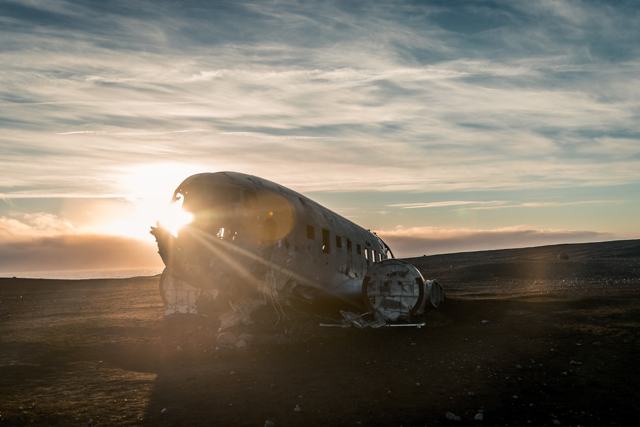
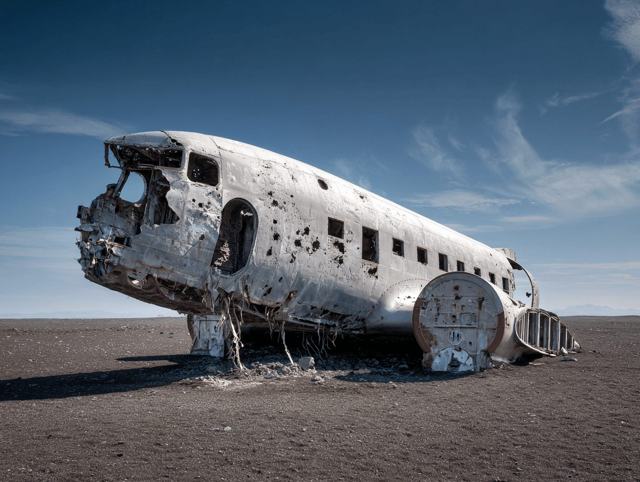
- Walk to the Sólheimasandur plane wreck, a US Navy DC-3 that crash-landed on the sands in 1973 after its engines failed in severe icing. All seven crew survived, and the empty shell has sat on the black sand ever since. It is about 4 km each way from the car park by the Ring Road, where there may be a parking fee. The ground is flat and exposed, and there is no shelter, so only go in decent weather and dress for the wind. Our South Coast and Sólheimasandur plane wreck private tour combines it with the rest of the South Coast.
- Ride a snowmobile on Langjökull or Mýrdalsjökull. Many guides call March the best snowmobile month: the winter snow is still deep, and the sun is higher and the days longer. See our snowmobile tours.
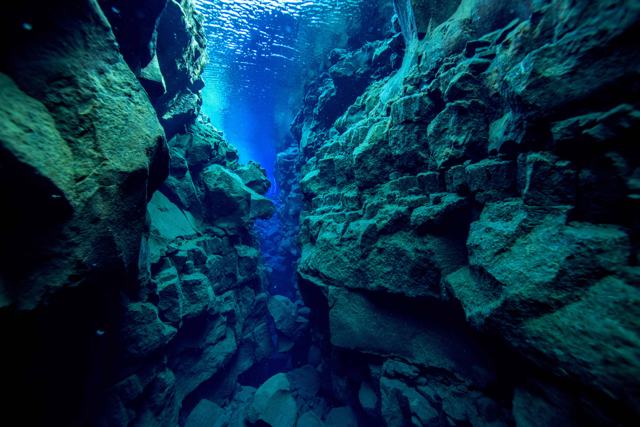
- Snorkel or dive in Silfra, a fissure in Þingvellir between two tectonic plates. It is filled with spring water that has filtered through lava for decades and is among the clearest water you can swim in. You wear a dry suit, and trained guides check your gear and stay with you in the water. See our snorkelling and diving tours.
- Go horse riding. The Icelandic horse has been bred here in isolation for over 1,000 years. It is small, friendly and sure-footed, and it has a smooth extra gait, the tölt. In March the horses still have their thick winter coats. You can take a riding tour or visit a farm to meet them. Read about the Icelandic horse or see our horse riding tours.
- Go whale watching. Tours run from Reykjavík's Old Harbour all winter, right from the city centre, and the north, around Húsavík and Eyjafjörður, is known for humpback whales. Dolphins and harbour porpoises are often seen as well. See our whale watching tours.
- Soak in a geothermal pool after a cold day out. The Blue Lagoon sits in a lava field on the Reykjanes peninsula, and its warm, mineral-rich water is milky blue with silica. You can simply bathe and try the silica mud mask, or book spa treatments, and the shop sells skincare made from the lagoon's minerals. Eruptions nearby have closed the lagoon at short notice in recent years, so check that it is open before you go. Sky Lagoon and the local town pools are good alternatives. Compare the two lagoons in our Sky Lagoon vs Blue Lagoon guide.
- Spend a day in Reykjavík. The centre is small and colourful and easy to walk. Stroll the main shopping street, Laugavegur, and Hverfisgata, which runs parallel to it, go up the tower of Hallgrímskirkja and try the food scene. See our Reykjavík tours.
Skiing in North Iceland
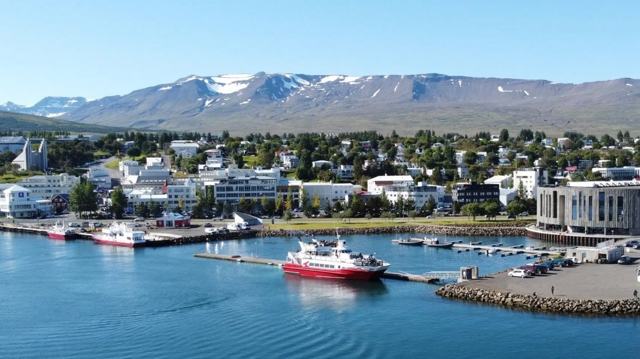
March is one of the best months for skiing in Iceland, with good snow and longer days. The main ski area is Hlíðarfjall above Akureyri, which usually runs from about December to the end of April and has ski hire on site. There are smaller local ski areas at Dalvík, Siglufjörður and Sauðárkrókur.
Opening depends on snow and wind, so check the ski area's own page on the day. Akureyri also makes a good base for whale watching and a trip to Mývatn. See our North Iceland tours.
Holidays and events in March
Beer Day (Bjórdagurinn) on 1 March marks the day in 1989 when beer became legal again after a ban of 74 years. Bars and pubs around the country mark it with offers and a lively evening, and visitors are welcome to join in.
Food & Fun is Reykjavík's restaurant festival. It started in the early 2000s to bring visitors to Iceland in winter. Guest chefs from abroad team up with the city's best restaurants and cook special set menus from Icelandic ingredients, mainly fresh fish and lamb. It falls around the turn of February and March; in 2026 it ran from 25 February to 1 March. Our guide to traditional Icelandic food covers what else to try.
Easter falls in March in 2027, with Easter Sunday on 28 March. Maundy Thursday, Good Friday, Easter Sunday and Easter Monday are public holidays, so many shops and services close or keep short hours, and Icelanders travel too. Read our guide to Easter in Iceland.
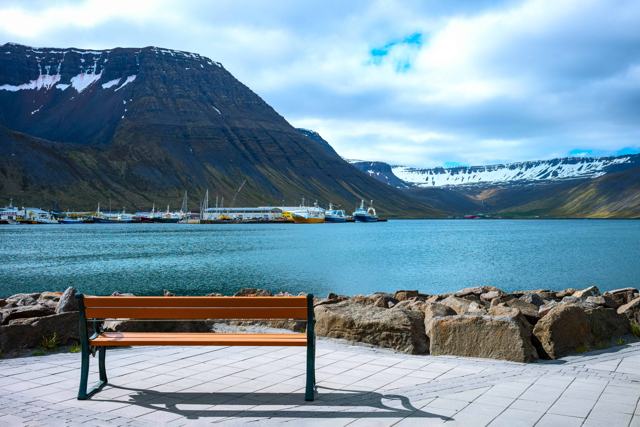
Aldrei fór ég suður is a free music festival in Ísafjörður in the Westfjords, held every Easter weekend. In 2027 that should mean 26–27 March, the Friday and Saturday before Easter Sunday, but check the programme nearer the time. See our music festivals guide.
DesignMarch, Reykjavík's design festival, used to be held in March but has moved; in 2026 it took place in May.
Pros and cons of visiting Iceland in March
March is low season, so the main sights are quieter, queues are short and travel costs are often lower than in summer. You get winter scenery and winter activities, with days long enough to fit a lot in. The trade-off is the weather. As it warms and cools around freezing, patches of ice form on the roads, which is hard on drivers who are not used to it.
- Good: Northern Lights and long enough days, the last weeks of ice cave season, snowy scenery, skiing in the north, and fewer visitors and often lower prices than in summer.
- Less good: icy roads, storms that can cancel tours or close roads, no highland access, and ice cave trips that can end early in a mild spell. Book ahead around Easter.
- If you want more daylight and the first signs of spring, see Iceland in April. For deeper winter, see Iceland in February. First trip? Start with our beginner's guide to Iceland.
What to pack for Iceland in March
The weather stays unpredictable in March, so bring clothes that keep you both warm and dry, and dress in layers you can add or take off through the day. Our winter packing list has the full list; these are the essentials.
- Waterproof, windproof insulated jacket and waterproof trousers
- Thermal base layers in wool or synthetic fabric, not cotton
- A warm fleece or wool jumper, and insulated or lined trousers
- Hat, gloves and a scarf or buff
- Waterproof winter boots with good grip, and wool socks
- Ice cleats or microspikes for icy paths and car parks
- Swimwear and a quick-dry towel. Hot pools are the best way to warm up, so you will use them
- Sunglasses and sun cream for snow glare, and a head torch for aurora nights
- Moisturiser and lip balm, as cold wind and hot pools dry out your skin
- Camera, phone, chargers and a power bank
- Prescription medicine, plus a little extra in case weather delays your trip home
Tours to book
March is the last month to combine ice caves and the Northern Lights, and these make the most of it.
See all Iceland winter tours for ice caves, Northern Lights tours and winter trips.
- 8 Day Iceland Northern Lights Tour Package: plenty of dark evenings to wait for a clear sky.
- 5 Day Iceland Package: the Golden Circle, South Coast and Snæfellsnes in winter.
- Vatnajokull Ice Cave (private): one of the last chances of the season for a blue ice cave.
Questions people ask
What is the weather like in Iceland in March?
Cold and changeable. Reykjavík averages a high of about 4°C and a low of about −1°C, with rain, sleet or snow on around half the days. The north is colder and snowier.
Can you see the Northern Lights in Iceland in March?
Yes. March still has long, dark nights, so it is a good aurora month. You need a clear sky and some solar activity, and the best viewing is away from town lights.
Are ice caves open in March?
Usually, yes. The natural ice caves in Vatnajökull normally run from November through March, depending on the weather. The Katla ice cave near Vík is visited all year.
How many hours of daylight does Iceland have in March?
In Reykjavík, about 10 hours on 1 March, rising to just over 13 hours by 31 March. Day and night are equal around the equinox on 20 March.
Is March a good time to visit Iceland?
Yes, if you want winter scenery, Northern Lights and ice caves with more daylight than in midwinter. Be ready for icy roads and weather delays.
What are the best things to do in Iceland in March?
The Golden Circle, the South Coast and Reynisfjara, a Vatnajökull ice cave, a glacier walk, snowmobiling, Northern Lights tours, whale watching, skiing in Akureyri, snorkelling in Silfra and a soak in a geothermal lagoon.