The Icelandic horse is a small, tough and friendly breed that has lived in Iceland, with no other horses brought in, for more than 1,000 years. It is famous for its extra gaits, especially the smooth tölt, and you will see herds grazing beside almost every road. This guide covers its history, gaits and colours, how to behave around horses you meet, and how to go riding yourself.
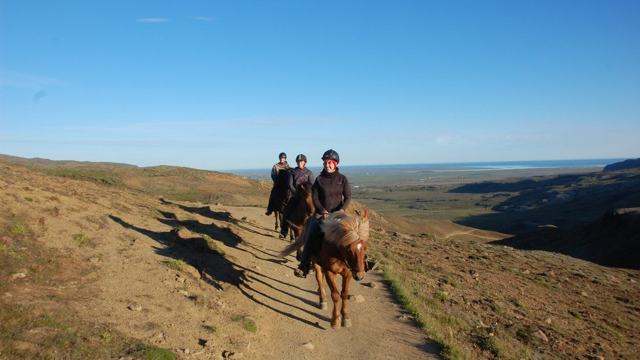
A breed with more than 1,000 years of history
The ancestors of today's Icelandic horses came with the Norse settlers between about 860 and 935. Small, sure-footed horses made sense on a crowded boat and on rough, roadless land. Read more about that period in our guide to Vikings in Iceland.
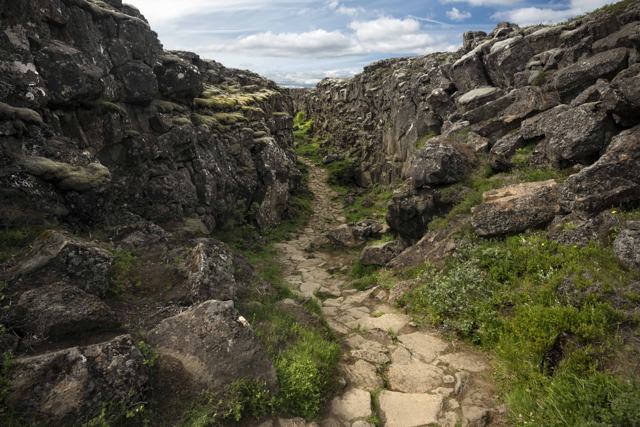
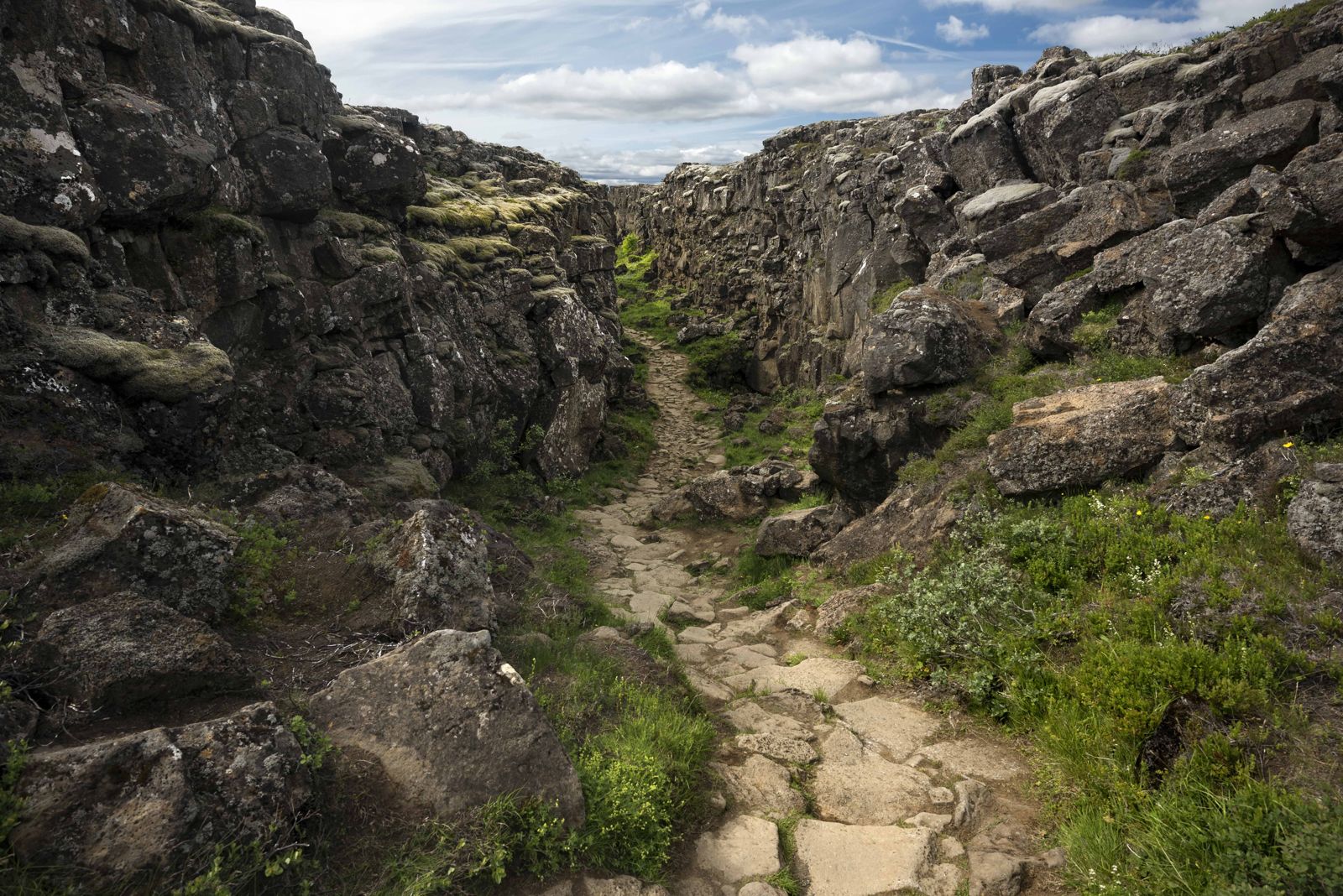
In 982 the Alþingi, the old parliament that met at Þingvellir, passed a law banning the import of horses. The breed has been bred pure in Iceland ever since. Horses did almost everything here until the 20th century: they carried people, post and goods across rivers, lava and mountain passes.
A thousand years of Icelandic weather and terrain have shaped the breed. The horses cross rivers, lava and scree without fuss, climb steep slopes easily, and grow a thick double coat for winter that lets most of them live outdoors all year.
The oldest named horse in Icelandic writing is Skálm, mentioned in the 12th-century Book of Settlements. Stallion fights were also a popular sport in the early centuries, and they appear in several sagas.
Horses in myth and folklore
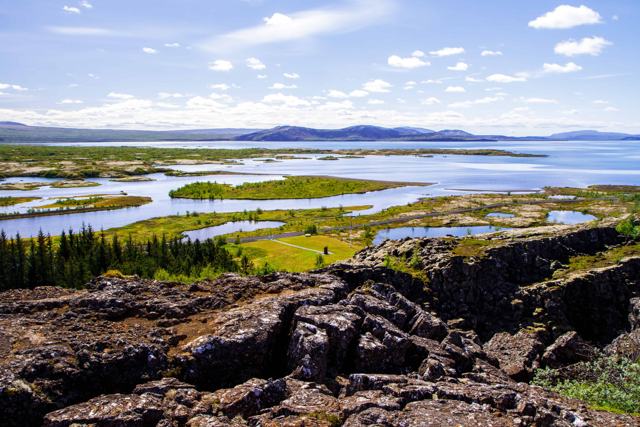
The settlers brought their beliefs with them as well as their horses, and in both the horse was a prized possession. Many pagan graves found in Iceland hold a horse buried beside its owner, ready for the journey to the next world. The old laws were hard on anyone who rode or took another man's horse without leave, and in the worst cases the punishment could be outlawry, which meant anyone could kill the offender.
In the old poems, the god Odin rides Sleipnir, a grey horse with eight legs. The story of his birth is one of the stranger ones. A giant offered to build a wall around Asgard, the home of the gods, in return for a prize the gods did not want to pay. He worked with his stallion Svaðilfari, who hauled the stone so fast that the wall was nearly finished on time. To stop them, the trickster Loki changed himself into a mare and lured the stallion away. The wall was never finished, and some months later Loki gave birth to Sleipnir.
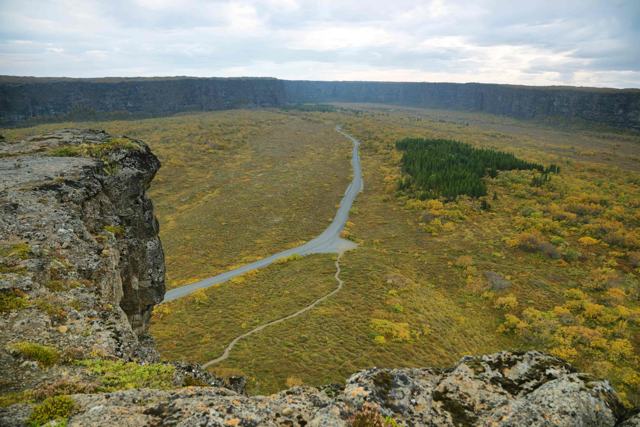
A well-known Icelandic legend says the horseshoe-shaped canyon of Ásbyrgi in North Iceland is the hoofprint Sleipnir left when one of his feet touched the ground as Odin rode across the sky.
For more Icelandic folklore, see our guide to elves and trolls in Iceland.
The five gaits: how the Icelandic horse moves
A gait is the way a horse moves its legs. Most horse breeds have three natural gaits: walk, trot and canter. Icelandic horses also have the tölt, and many have a fifth gait called flying pace. Icelanders divide them into four-gaited horses (fjórgangur) and five-gaited horses (fimmgangur). None of the gaits is taught from nothing; the horses are born with them, and you can see foals tölting in the field.
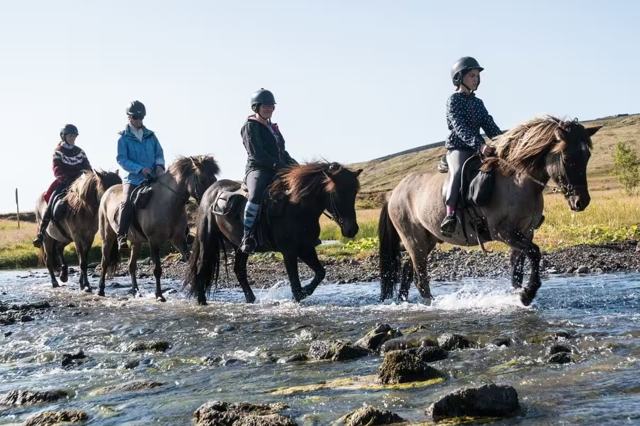
Most riding tours for visitors use the walk and the tölt. If you get the chance to tölt, you will feel why riders love this breed.
- Fet (walk): a calm, even four-beat gait, used at the start and end of every ride. In competitions a relaxed, ground-covering walk earns good marks.
- Brokk (trot): a two-beat gait where the legs move in diagonal pairs. Horses use it on rough ground, uphill and to rest between faster stretches, and it is used a lot in training. It is bumpy for beginners. Rising and sitting in time with the steps makes it easier.
- Tölt: the breed's signature gait and the reason many people ride Icelandic horses. A smooth four-beat lateral gait where one foot is always on the ground, so the rider barely moves in the saddle, even at speed. Riders like to show it off by carrying a full glass without spilling a drop. It can be ridden slowly or quite fast, and five-gaited horses often have an especially soft tölt.
- Stökk (canter and gallop): the familiar three-beat gait. In Iceland canter and gallop count as one gait, ridden slow or fast. It is tiring for the horse, so it is used in short stretches.
- Skeið (flying pace): a fast two-beat lateral gait where both legs on one side move together, with a moment when all four feet are off the ground. It is used in racing over short distances and can reach about 48 km/h. Not every horse has it, and riding it well is seen as the peak of Icelandic horsemanship.
Physical appearance: size, colours and character
Icelandic horses are small, usually around 132–142 cm at the shoulder and about 330–380 kg. They look like ponies, but Icelanders always call them horses, and they easily carry adult riders. They are stocky and strong, with a fairly large head, a broad forehead, a straight profile and short, sturdy legs, with thick manes and a heavy winter coat that they shed in spring. The same horse can look very different in summer and winter.
The breed comes in a huge range of colours. The Icelandic language has over 100 names for colours and patterns, from chestnut, bay and black to dun, palomino, silver dapple and skewbald. Chestnut and brown are the ones you will see most often. The rarest is litföróttur, which means something like 'colour that travels': the coat changes shade through the seasons, and the head and legs can be a different colour from the body. Some horses, mostly pied ones, have blue or partly blue eyes, called glass eyes.
They are known for being calm, curious and good-natured, which makes them good horses for beginners. They are also long-lived and are often ridden well into their twenties. One mare in Denmark is recorded as reaching 56.
How many Icelandic horses are there, and how are they named?
Figures vary by source and year. Estimates for Iceland range from about 80,000 to over 90,000 horses, in a country of fewer than 400,000 people. Across the world more than 300,000 Icelandic horses have been registered in the WorldFengur studbook, and the largest numbers outside Iceland are in Germany, Denmark and Sweden.
Iceland exports riding horses every year, and the breed has fan clubs and competitions in more than 20 countries.
Every registered horse has an Icelandic name. A naming committee checks new names for the WorldFengur studbook: a name must have a tradition in Icelandic or fit Icelandic grammar and spelling, and it must match the sex of the horse. Many names describe colour, character or nature, such as Blesi for a horse with a blaze or Stormur for a storm.
Why a horse can never come back to Iceland
No horse or other equine may be imported into Iceland, and a horse that leaves the country can never return, not even for a competition. The reason is disease. Iceland has very few horse diseases, so the horses here are not vaccinated and have little resistance to infections from abroad. That is a real sacrifice for riders: when Iceland sends its team to the World Championships abroad, the horses stay behind afterwards and are sold. It also means that every Icelandic horse you see abroad, or its ancestors, left Iceland for good.
This affects visitors too. Under the rules of the Icelandic Food and Veterinary Authority (MAST), you may not bring used riding gear such as saddles, bridles, saddle pads, whips or used riding gloves into Iceland. Used riding clothes and boots must be machine washed or dry cleaned before you arrive. Anything that cannot be washed, including helmets, must be cleaned, sprayed with disinfectant and left for at least five days before it goes near an Icelandic horse. Riding tours normally lend you a helmet, so most visitors simply leave their own gear at home.
How to interact with Icelandic horses you meet
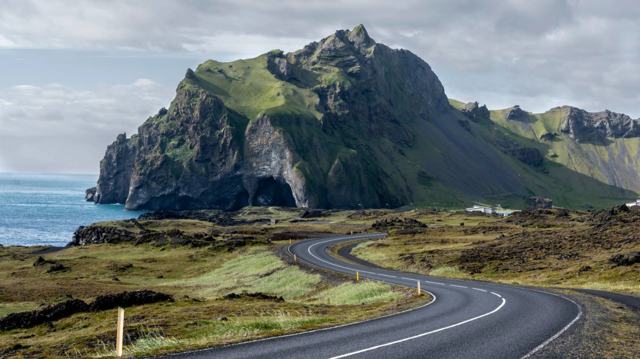
Horses in fields along the Ring Road are hard to resist, but they all belong to someone. A few simple rules keep you, the horses and the farmers happy.
- Never stop on the road or on a narrow verge to look at horses. Only pull over where there is a proper parking area with good visibility, away from blind bends and icy patches, and do not block farm gates or drive onto private land. These roads are how local people get to work.
- Do not feed the horses. They are kept on a planned diet, and bread, sweets and even grass or apples can make them ill. Hand-feeding also teaches them to nip.
- Think twice before you pet them. They are friendly, but they may bite or kick, especially when several crowd round, and horses that learn to push at people become harder for the next rider to handle.
- Never climb fences or enter a field without the owner's permission.
- Never try to ride a horse you have not booked. It puts both you and the horse in danger. Nearly all horses are on private land, so book a ride with a farm instead.

Going horse riding in Iceland
Riding an Icelandic horse is one of the best ways to see the countryside. There are riding farms close to Reykjavík, across the south from Hveragerði to Vík, on the Snæfellsnes peninsula in the west, and in North and East Iceland. Most offer rides all year, although winter rides are shorter and depend on the weather.
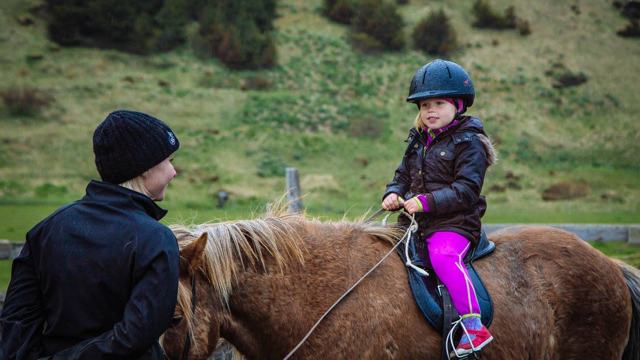
Short rides of one or two hours suit complete beginners, such as our Reykjavík horseback riding tour near the city. The guides match you with a calm horse, and you mostly walk with some tölt. Experienced riders can book longer day rides, and in summer there are multi-day trips across the highlands. Many farms also combine a ride with the Golden Circle, a lava cave or a hot spring, for example our Golden Circle and horse riding tour or Reykjadalur horse riding and hot spring bathing.
Rules on minimum age and maximum rider weight differ from farm to farm, so check the details of each tour before you book. Dress warmly in layers with a waterproof outer layer. Our Iceland packing list has more ideas.
Browse our horseback riding tours in Iceland, or see our family-friendly tours if you are travelling with children, such as black beach family horseback riding in Vík.
Horse events: round-ups and Landsmót
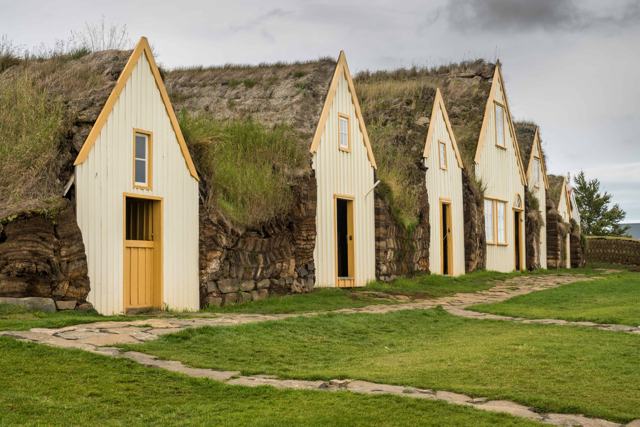
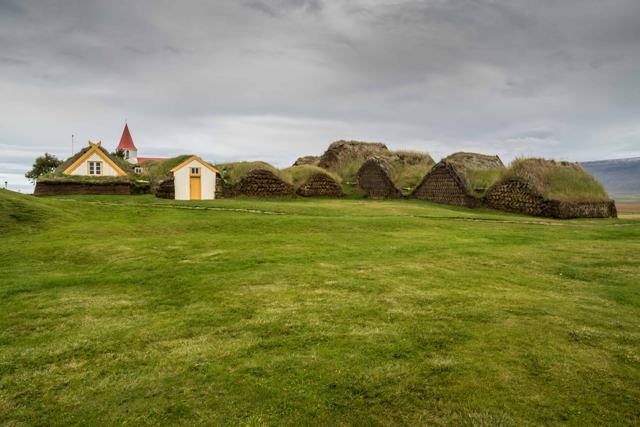
In autumn, farmers gather sheep and, in some places, horses down from their summer pastures. The best-known horse round-up is Laufskálarétt in Skagafjörður, North Iceland, in late September. More than 1,000 riders took part in 2026. Skagafjörður is the heart of Icelandic horse country, and the Glaumbær turf houses are nearby. See our guide to réttir, the autumn round-up and Iceland in September.
Landsmót is Iceland's national horse show and competition, a week of top horses, racing and breeding shows. The 2026 event was held at Hólar in Hjaltadal, Skagafjörður, from 5 to 11 July. Dates and a venue for the next Landsmót had not been announced at the time of writing.
Every year on 1 May, riders in Iceland and abroad mark the International Day of the Icelandic Horse with rides, open stables and events.
Tours to book
If you would like to meet the horses in the saddle, these rides are a good place to start.
- Reykjavik Horseback Riding: a ride near the city, easy to fit into a first or last day.
- Golden Circle & Horse Riding Tour: a ride and Iceland's best-known sightseeing route in one day.
- Black Beach Family Horseback Riding in Vík: a family ride on the South Coast.
Questions people ask
Is the Icelandic horse a pony?
It is pony-sized, usually around 132–142 cm at the shoulder, but it is always called a horse. It is strong enough to carry adults easily.
What is special about the Icelandic horse?
Its gaits. As well as walk, trot and canter, it has the smooth tölt, and many horses also have the fast flying pace. It is also one of the purest breeds in the world, bred without imports for over 1,000 years.
Why can't Icelandic horses return to Iceland?
To protect the horses in Iceland from disease. They are not vaccinated, so no horse may be imported, even one that was born in Iceland.
Can I bring my own riding gear to Iceland?
Not used saddles, bridles or riding gloves. Used riding clothes and boots must be washed or dry cleaned before you arrive, and helmets must be cleaned and disinfected. Most tours lend you a helmet.
Can beginners go horse riding in Iceland?
Yes. Short rides of one or two hours are made for beginners, with calm horses and guides. Check each tour's age and weight limits before you book.
How many gaits does the Icelandic horse have?
Five: walk (fet), trot (brokk), tölt, canter or gallop (stökk) and flying pace (skeið). All Icelandic horses have the first four; five-gaited horses also have flying pace.
Can I pet or feed Icelandic horses by the road?
Please do not feed them, and only stop where there is a safe parking area. The horses belong to farmers, feeding can make them ill, and they may bite or kick.