February is a good winter month for Iceland. It is still cold and dark enough for the Northern Lights and the natural ice caves, but the days grow fast, from about 7 hours of daylight at the start of the month to about 10 by the end. Expect temperatures around freezing, strong winds and snow, fewer visitors than in summer, and a lively calendar of winter festivals in Reykjavík.
New to Iceland? Read our guide for your first time in Iceland.
| Temperature in Reykjavík | High about 3°C, low about −2°C |
|---|---|
| Daylight in Reykjavík (sunrise / sunset / daylight) | 1 Feb: 10:10 / 17:12 / 7 h 3 min 15 Feb: 09:25 / 17:59 / 8 h 34 min 28 Feb: 08:41 / 18:41 / 10 h 0 min |
| Northern Lights | Yes, all month |
| Ice caves | Natural ice caves open |
| Best for | Longer days and still plenty of darkness for the aurora |
Daylight times are for Reykjavík and are approximate.
Weather in February
February in Reykjavík averages a high of about 3°C and a low of about −2°C, so most days hover around freezing. North Iceland and inland areas are colder, and the south coast is often milder but wetter.
It is a wet and windy month. Reykjavík sees rain or snow on about half the days, and snow falls on around 12 days in an average February. Storms can bring gales, blowing snow and sleet, but there are also calm, clear spells with bright snow and cold, starry nights. The wind is what makes it feel cold, so pack for wind and wet, not only for low temperatures.
Check the forecast from the Icelandic Met Office (vedur.is) every day, and keep your plans flexible. Our winter packing list covers clothing in detail.
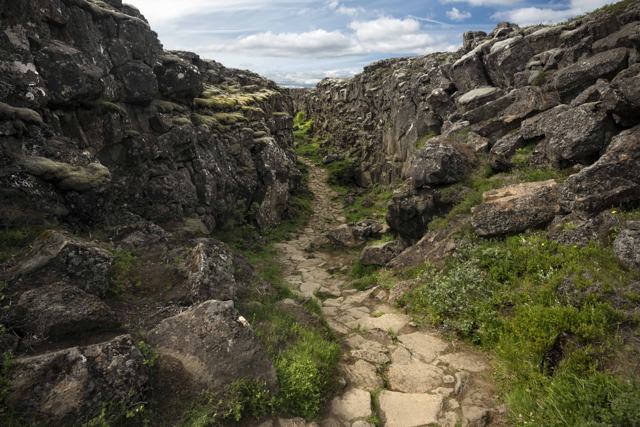
Daylight in February
February is when you really notice the light coming back. In Reykjavík the day grows from about 7 hours on 1 February to about 10 hours by the end of the month. In mid-February the sun rises at about 9:25 and sets at about 17:59, and long twilight adds usable light at both ends of the day.
That gives you enough time for a full day trip, such as the Golden Circle or the South Coast to Vík, while still leaving long, dark evenings for aurora hunting. The north, around Akureyri, has a little less daylight than the capital. See our daylight hours guide for every month.
Northern Lights in February
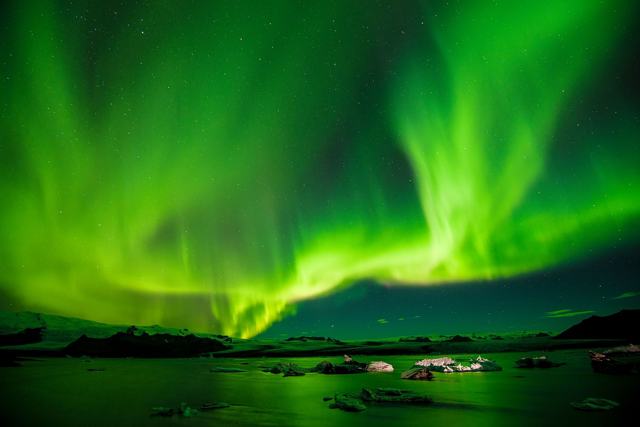
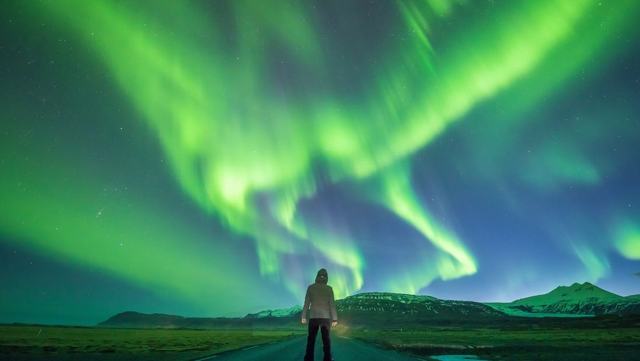
February is one of the best months for the Northern Lights. Nights are still long, and you have more daylight for sightseeing than in December or January. As always, the limiting factor is cloud, not darkness. The more nights you have in Iceland, the better your chances.
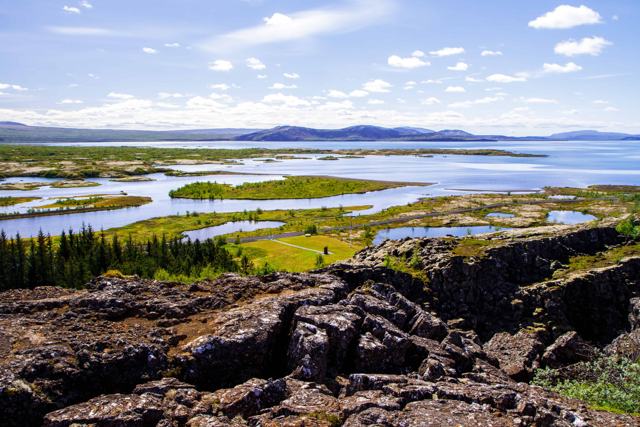
Each afternoon, check the aurora and cloud cover forecasts on vedur.is and look for areas with clear skies. You can sometimes see the lights from Reykjavík, but they are much clearer away from city lights. Þingvellir is a popular dark spot within an hour of the city. Further afield, Snæfellsnes, the South Coast and North Iceland all have wide, dark skies.
A guided Northern Lights tour saves you driving on icy roads at night, and the guides follow the forecasts to find gaps in the cloud. Many tours offer a free second try if you see nothing, and our Northern Lights Private Tour from Reykjavík gives you your own guide. For photography, bring a tripod, a camera with manual settings and spare batteries, as the cold drains them fast. Read our Northern Lights guide for more.
A few practical points. The Kp index on the forecast tells you how active the aurora is, but cloud cover matters more, so look at both. You may stand outside for an hour or two, so wear more layers than you think you need. For photos, use a tripod, a wide-angle lens and a long exposure. Some evening tours combine the aurora hunt with a soak in a hot pool, which is a warm way to wait.
These are the best places to look for the Northern Lights in February:
- Þingvellir National Park: a short drive from Reykjavík, with wide open skies and very little light pollution.
- Snæfellsnes Peninsula: often called Iceland in miniature. Kirkjufell is the classic foreground for aurora photos.
- South Coast: dark beaches and waterfalls such as Seljalandsfoss and Skógafoss make good settings when the sky is clear.
- North Iceland: the area around Akureyri and Húsavík is quieter and often has colder, clearer weather than the south.
Ice caves and glaciers
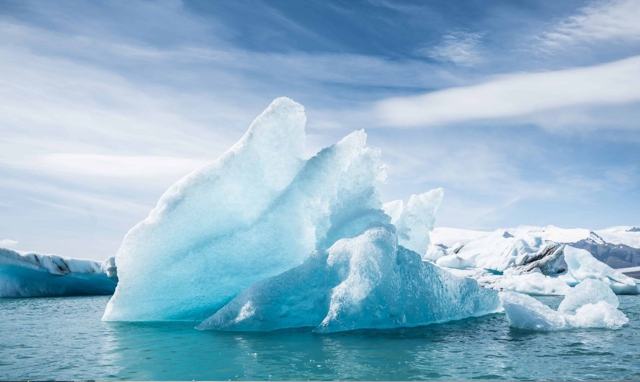
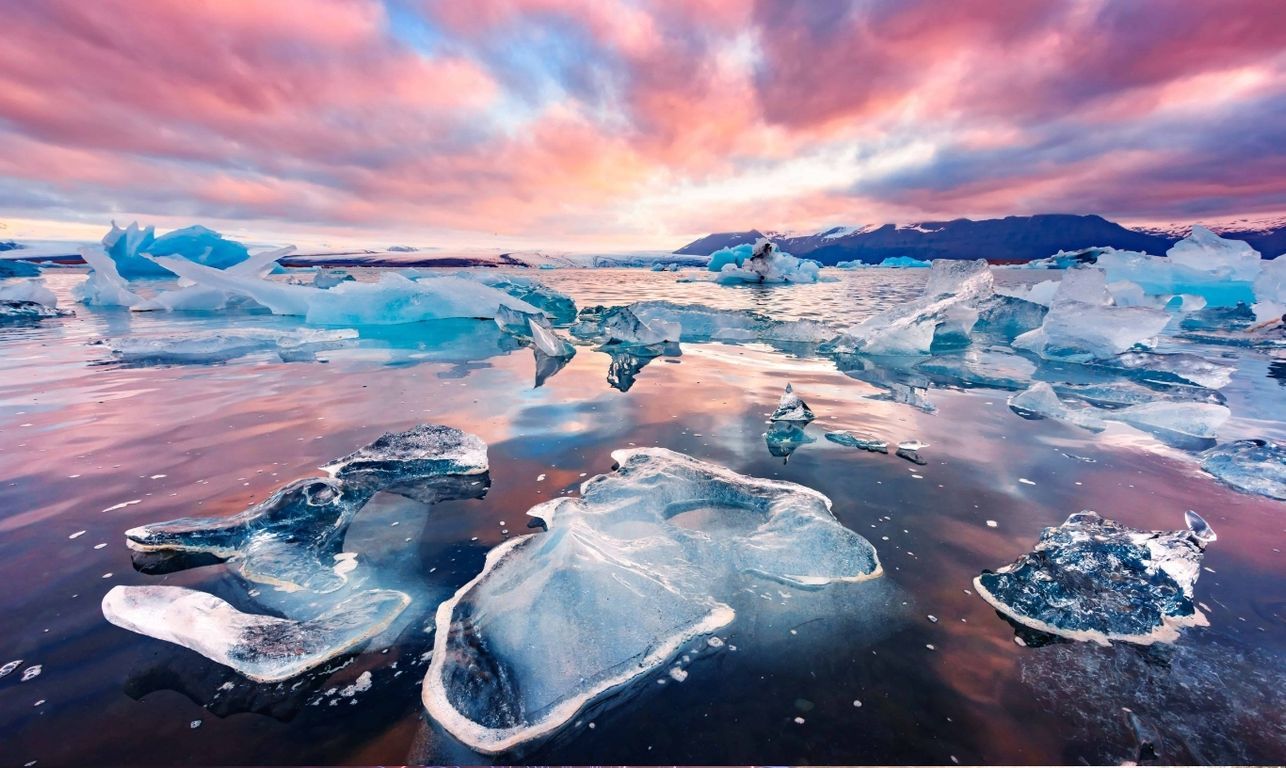
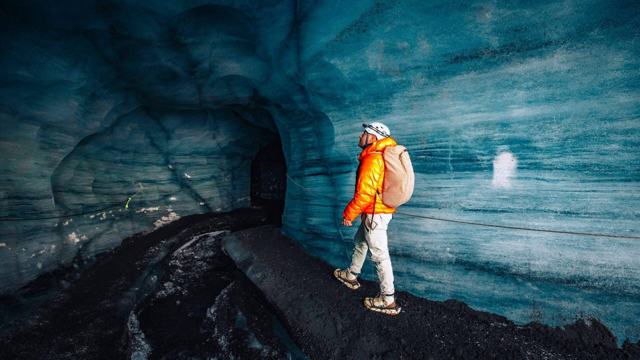
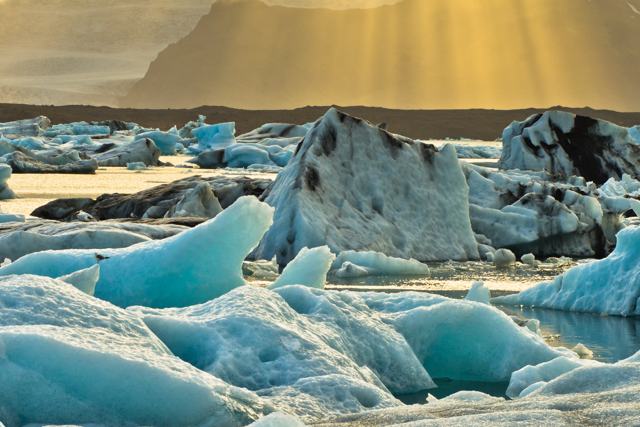
February is in the middle of the natural ice cave season in Vatnajökull, which runs from about November to March, depending on the weather. The caves form and change every year as the glacier moves, so each season looks different. Most trips start near Jökulsárlón or Skaftafell, and our 2 Day South Coast Tour from Reykjavík includes a natural ice cave in winter. Never enter an ice cave without a certified glacier guide. Guides provide a helmet and crampons, and they will cancel or change the cave if rain or warm weather makes it unsafe.
What to expect on an ice cave tour: you meet your guide near the glacier and ride in a super jeep to the edge of the ice. The guide hands out helmets and crampons and leads you in. The best-known caves are the blue ice caves of Vatnajökull, where the ice glows in shades of blue. In the caves near Katla, layers of black volcanic ash run through the ice. Meltwater carves the caves, so their shape, size and colour change from one winter to the next.
If you only have time for a day trip from Reykjavík, the ice cave under Mýrdalsjökull near Vík is an option. Read our guide to the Katla ice cave. The man-made ice tunnel in Langjökull is open all year and can be combined with a snowmobile ride, as on our Into the Glacier & Snowmobile from Reykjavík tour.
Glacier walks run all winter at Sólheimajökull on the South Coast and at Skaftafell, on an outlet of Vatnajökull, the largest glacier in Europe by volume. Tours include crampons, an ice axe and a helmet. The guide leads you past crevasses, ridges and ice formations and explains how the glacier moves and how fast it is retreating. A normal level of fitness is enough, and beginners are welcome.
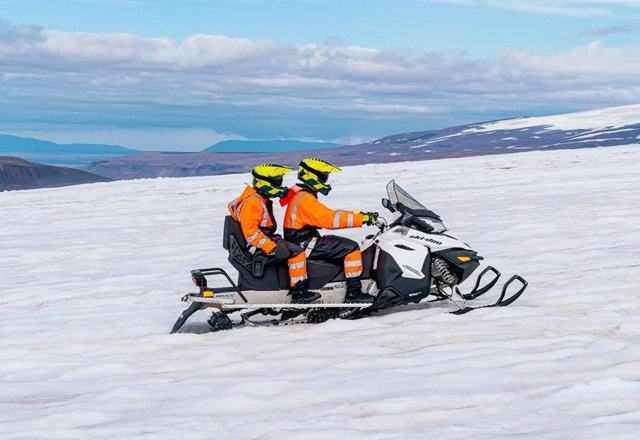
Snowmobile tours run on Langjökull and Mýrdalsjökull. You get overalls, a helmet and gloves, a short lesson, and stops at viewpoints over the ice and the mountains around it. You need a valid driving licence to drive; passengers do not.
See our ice cave tours, glacier hiking tours and snowmobile tours. Our glacier hiking guide compares the options.
Frozen waterfalls in February
Iceland's waterfalls keep flowing in winter, but ice builds up around them and the spray freezes on the rocks and paths. February is a good month to see them like this.
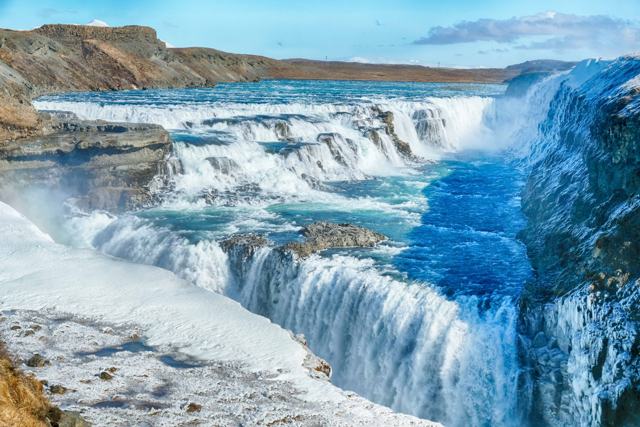
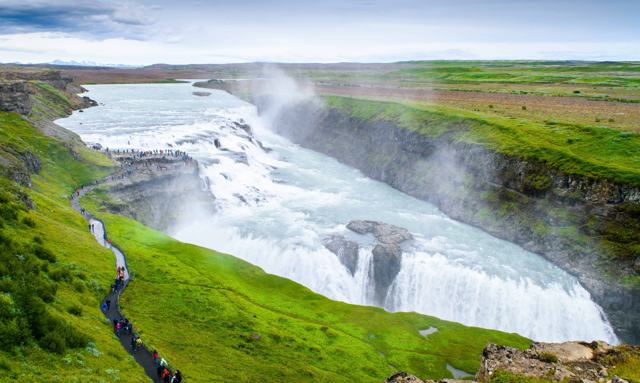
- Gullfoss: the Golden Circle's two-step waterfall, usually framed by thick ice on the canyon walls.
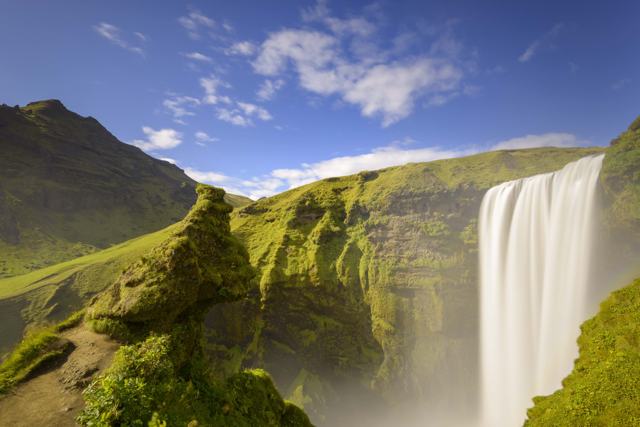
- Skógafoss: a 60-metre curtain of water on the South Coast, with icicles on the cliffs beside it.
- Seljalandsfoss: the path behind the falls is usually closed because of ice, but the view from the front is worth the stop.
- Goðafoss: the waterfall of the gods in North Iceland, often half frozen and ringed with snow.
Hot springs and pools in winter
Sitting in hot water while the air is below freezing is one of the best parts of a February trip. It is also how Icelanders get through the winter.
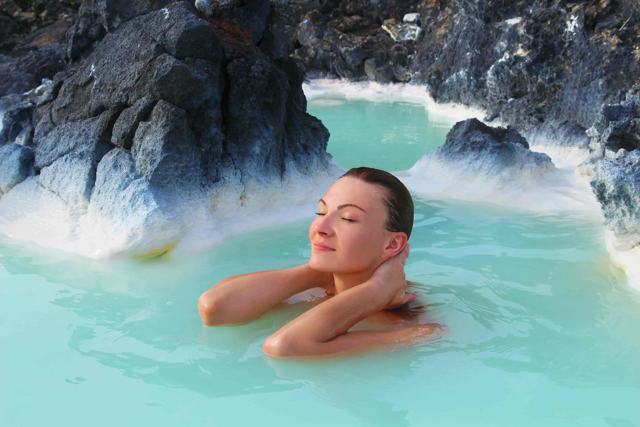
The Blue Lagoon on the Reykjanes peninsula is the best known, with milky blue water rich in silica. The Secret Lagoon at Flúðir, near the Golden Circle, is quieter and more rustic. Both should be booked ahead. The Blue Lagoon has closed at short notice during volcanic eruptions nearby, so check its website before you go.
Reykjadalur is a warm river you can bathe in, reached by a hike of about 3.5 kilometres each way from Hveragerði. In February the trail is often icy and exposed to wind, so only go in settled weather, with ice cleats and enough daylight for the walk back, or go with a guide.
Every town in Iceland has a public pool with hot tubs, and many have a sauna or steam bath. They are cheap, warm and open in the evening, and they are the easiest place to meet locals. Wash without your swimsuit before you get in. It is the rule everywhere.
Best things to do in February
- Drive or take a tour of the Golden Circle: Þingvellir, Geysir, where Strokkur erupts every few minutes, and Gullfoss, often partly frozen in February.
- Follow the South Coast to Seljalandsfoss, Skógafoss and the black sand beach at Reynisfjara. The path behind Seljalandsfoss is often closed or icy in winter, and the waves at Reynisfjara are dangerous, so keep well back from the water.
- Go further east to Jökulsárlón and the Diamond Beach, ideally on a two- or three-day trip so you are not driving long hours in the dark.
- Soak in a geothermal pool while snow falls. Options include the Blue Lagoon, Sky Lagoon, the Secret Lagoon and the nature baths at Mývatn. Compare the two biggest in our Sky Lagoon vs Blue Lagoon guide.
- Visit a local public swimming pool. Every town has one, they are cheap, and they are where Icelanders meet in winter.
- See North Iceland in its snow: Goðafoss, Mývatn and Akureyri. Flying from Reykjavík to Akureyri saves a long winter drive. See our North Iceland tours.
- Explore Reykjavík on the short days: Hallgrímskirkja, Harpa, the Sun Voyager and the city's museums. A food tour is a good way to try lamb soup, fish and other local dishes.
Reykjavík in February
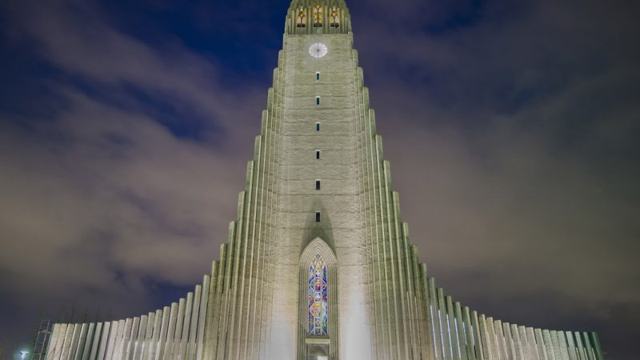
Reykjavík is small and easy to walk around, even in the cold. Start at Hallgrímskirkja for the view from the tower, then walk down to the harbour, Harpa and the Sun Voyager sculpture, which looks across the bay to Mount Esja.
On a stormy day, head indoors. The National Museum of Iceland and the Settlement Exhibition cover the country's history from the first settlers onwards. There are also art galleries, Icelandic design shops and live music most evenings.
February is a good month for Icelandic comfort food: lamb soup, fresh fish and rye bread. A guided city walk or a food tour is an easy way to fit a lot into a short day.
Festivals and events in February
Winter Lights Festival. Reykjavík's Winter Lights Festival (Vetrarhátíð) celebrates the returning light with light art, events and late openings across the capital area. In 2026 it ran from 5 to 8 February, and the 2027 festival runs from 4 to 7 February. It includes Museum Night, when museums stay open in the evening, and Pool Night, when many capital area pools offer free evening swimming. All events are free.
Bolludagur, Sprengidagur and Öskudagur. These three days fall just before Lent, so the dates move with Easter. In 2027 they are 8, 9 and 10 February. On Bolludagur (Bun Day) bakeries sell cream buns topped with chocolate. On Sprengidagur (Bursting Day) people eat salted lamb with split pea soup. On Öskudagur (Ash Wednesday) children dress up and sing in shops for sweets.
Þorri. The old Icelandic month of Þorri begins in late January and runs until late February. It is the season of Þorrablót, midwinter feasts with traditional foods such as fermented shark, sour ram's testicles, singed sheep's head and dried fish. Many restaurants serve a Þorri plate. Þorri ends with Konudagur, Women's Day, in late February, when people give flowers to the women in their lives. Our guide to traditional Icelandic food explains what is on the plate.
Dark Music Days and the Reykjavík International Games. Two events straddle the turn of the month, from late January into early February. Dark Music Days (Myrkir músíkdagar) is a festival of contemporary and experimental music, with concerts at Harpa and other venues. The Reykjavík International Games bring Icelandic and foreign athletes together for a range of sports, from swimming and gymnastics to fencing and weightlifting, and visitors can buy tickets to watch. Dates change each year, so check the event websites.
Driving in February
You can self-drive in February, but it takes care and flexibility. Rental cars have winter tyres, and a 4×4 is a sensible choice outside Reykjavík. The Ring Road and main routes are cleared regularly, but ice, blowing snow and strong winds are common, and roads and mountain passes can close at short notice. The highland roads, including those to Landmannalaugar and Þórsmörk, are closed all winter.
Check road conditions on road.is and the weather on vedur.is every morning, and read the alerts on safetravel.is. Pay attention to wind speed as well as snow. Keep driving days short, avoid long drives in the dark, and leave a spare day in your plan in case a storm closes the road. In an emergency, call 112.
If you would rather not drive on winter roads, day tours from Reykjavík, winter Ring Road tours such as the 8 Day Iceland Northern Lights Tour Package, and 2- and 3-day tours let a local driver handle the conditions. If the weather cancels your plans, see our list of alternatives when tours are cancelled.
Crowds, prices and booking
February is low season, and it is usually quieter and cheaper than summer. It is still popular with aurora and ice cave travellers, though, and the school winter holidays in parts of Europe bring extra visitors in mid-February. Ice cave tours, glacier walks and hotels near Jökulsárlón can fill up, so book them ahead.
Some rural guesthouses, cafés and museums close or shorten their hours in winter, so check ahead if you are travelling outside the main towns.
Why visit Iceland in February? Pros and cons
Good: long nights for the Northern Lights, natural ice caves, snowy landscapes and frozen waterfalls, more daylight than in midwinter, winter festivals in Reykjavík, and fewer visitors than in summer.
Less good: cold, windy and often stormy weather, roads that can close, tours that may be cancelled at short notice, and no access to the highlands.
If you want the darkest nights, look at Iceland in January. For longer days with the aurora still in season, see Iceland in March.
Tips for visiting Iceland in February
- Dress for wind and wet. Thermal layers, a waterproof shell, hat and gloves, and insulated boots with ice cleats.
- Rent a 4×4 if you drive. Rural roads can be snowy or icy. Check road.is and vedur.is before you set off each day.
- Plan around the daylight. Do your sightseeing between sunrise and sunset, and keep the evenings for the Northern Lights or a hot pool.
- Book the key activities early. Ice caves, glacier walks and Northern Lights tours have limited places and fill up.
- Stay flexible. Weather changes fast. Leave room in your plan to swap days around, and allow extra time for every drive.
- Ask a local. If you want help fitting a trip to the February daylight, we are a local travel agency in Iceland and are happy to plan it with you.
What to pack for Iceland in February
Layers are the key. Bring a warm base layer, an insulating middle layer and a windproof, waterproof outer layer, so you can adjust as the weather changes.
- Thermal base layers, tops and bottoms, in wool or synthetic
- Fleece or wool jumper, and a down or insulated jacket for extra warmth
- Fleece-lined or thermal trousers
- Waterproof, windproof jacket and trousers
- Warm hat that covers your ears, waterproof gloves or mittens, and a scarf or neck gaiter
- Insulated waterproof boots with a good grip, and comfortable shoes for indoors
- Ice cleats or microspikes for icy paths and car parks
- Wool socks, several pairs
- Swimwear and a quick-dry towel for pools and lagoons
- Sunglasses for low sun and snow glare
- Small daypack for snacks and spare layers
- Reusable water bottle (the tap water is clean and safe to drink) and a flask for hot drinks
- Head torch for dark mornings and aurora nights
- Camera, tripod, spare batteries and memory cards. Cold drains batteries fast
- Power bank, and a phone with offline maps
- Plug adapter for type C or F sockets (230 V)
Tours to book
February is in the middle of the aurora and ice cave season, and these trips make the most of it.
See all Iceland winter tours for ice caves, Northern Lights tours and winter trips.
- 8 Day Iceland Northern Lights Tour Package: a guided small-group Ring Road trip with a natural ice cave and a week of nights to look for the lights.
- 2 Day South Coast Tour: the South Coast, Jökulsárlón and a winter ice cave, with a night on the way so you are not driving in the dark.
- Into the Glacier & Snowmobile from Reykjavík: the ice tunnel in Langjökull and a snowmobile ride in one day from the city.
Questions people ask
What is the weather like in Iceland in February?
Cold, windy and changeable. Reykjavík averages a high of about 3°C and a low of about −2°C, with rain or snow on about half the days. The north and inland areas are colder.
How many hours of daylight are there in February?
In Reykjavík the day grows from about 7 hours at the start of February to about 10 hours at the end, with long twilight on both sides.
Can you see the Northern Lights in Iceland in February?
Yes. February is one of the best months, with long dark nights and more daylight for sightseeing than midwinter. Clear skies are the main thing you need.
Are the ice caves open in February?
Yes. The natural ice caves in Vatnajökull are usually open from about November to March, depending on the weather. You must go with a certified glacier guide.
Is February a good time to visit Iceland?
Yes, if you want winter scenery, the Northern Lights and ice caves with a bit more daylight than in December or January. Allow for storms and keep your plans flexible.