October is a good month for Iceland if you want the Northern Lights, quieter sights and lower prices. Reykjavík averages a high of about 8°C and a low of about 3°C, days shrink from around 11 hours to 8, and the long dark nights give real aurora chances. The trade-off is wet, windy and changeable weather, and the highlands are closed for the winter.
Weather in October
October in Reykjavík averages a high of about 8°C and a low of about 3°C. Records for the month range from about −11°C to 17°C, so you can get a crisp frosty morning or a mild, grey day. The north, the east and inland areas are colder, and snow is common on the mountains and sometimes reaches the lowlands later in the month.
It is a wet month. Reykjavík gets around 80 mm of rain in an average October, with rain on about 13 days, and autumn storms bring strong winds. Sunshine is limited, at around 90 hours for the whole month. Build a spare day into your plans and check the forecast on vedur.is every morning.
Daylight in October
Days shorten fast in October. At the start of the month Reykjavík has about 11 hours and 25 minutes between sunrise and sunset, and by the end it has about 8 hours. In the middle of the month the sun rises around 8:15 am and sets around 6:10 pm.
That is still enough light for a full day of sightseeing, but plan long drives so you are not on unfamiliar roads late in the evening. Twilight lasts a while at this latitude, so you get some usable light before sunrise and after sunset. See our daylight hours guide for the whole year.
Northern Lights in October
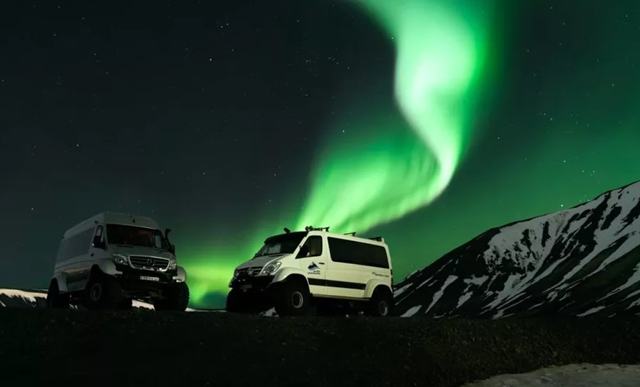
October is a good month for the Northern Lights. The nights are long and fully dark, and the weather is often not yet as stormy as in deep winter. You need three things: a clear sky, dark surroundings away from town lights, and some solar activity.
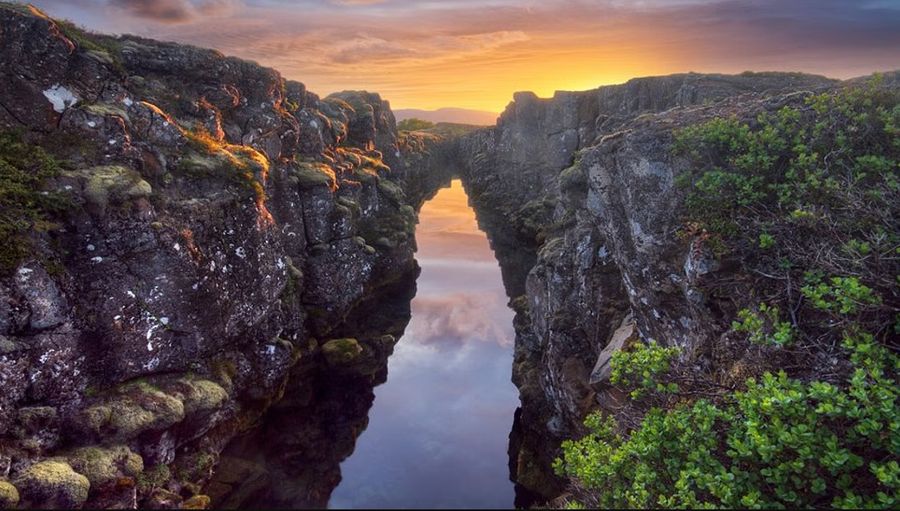
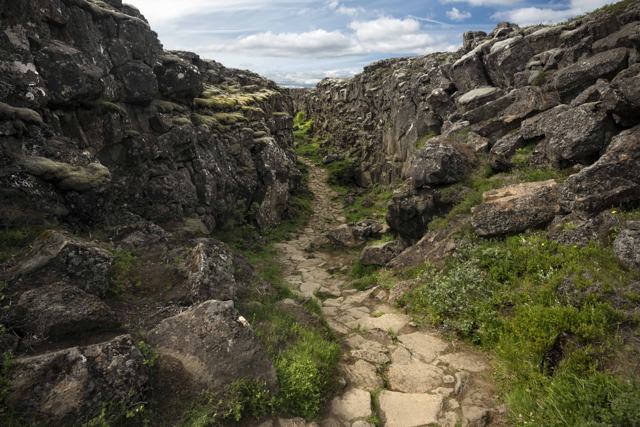
Cloud is the main problem in October, so do not rely on one night. Give yourself several evenings, check the cloud cover and aurora forecasts on vedur.is, and be ready to drive to where the sky is clearest. Þingvellir, the South Coast and the countryside outside any town are all good. A guided Northern Lights tour takes care of the forecast and the night driving for you. Our Northern Lights super jeep tour is one way to do it.
You can also see the lights from Reykjavík on strong nights, from dark spots such as Grótta. Read our Northern Lights guide and our guide to the Northern Lights in Reykjavík.
Autumn colours and fewer crowds
Early October still has autumn colour. The low birch, willow and blueberry shrubs turn red, orange and gold, especially in Þingvellir and in the woods of East and North Iceland. By the end of the month most leaves are gone, and snow on the peaks takes over.
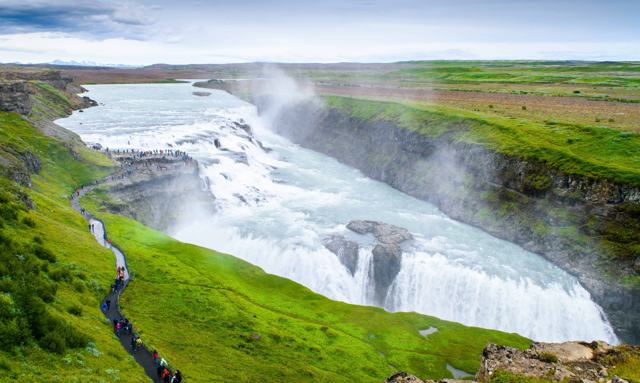
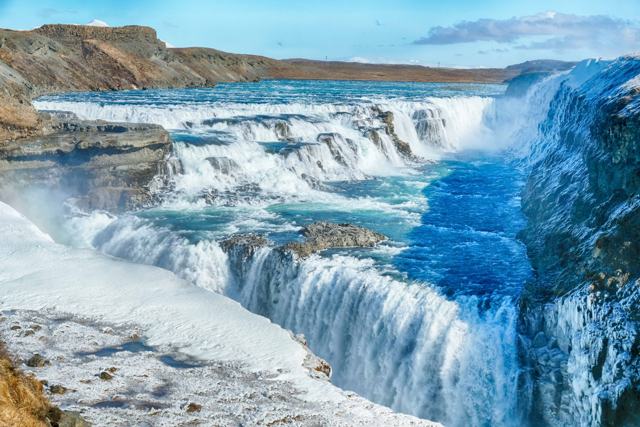
October is shoulder season, so the big sights are much quieter than in summer. You can often have Gullfoss or Seljalandsfoss almost to yourself early in the morning. Many hotels, cars and tours also cost less than in the summer peak, though prices depend on the dates you choose.
What's open, and what closes
Almost all of lowland Iceland is open in October. The Ring Road, the Golden Circle, the South Coast, Snæfellsnes, the north and the Westfjords can all be visited, and most hotels, restaurants and day tours run as normal.
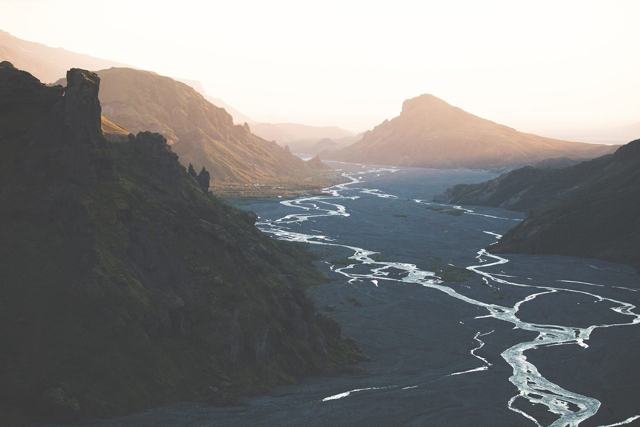
The highlands are the exception. Most F-roads close by early October, and the interior stays closed until the following summer. Scheduled tours to Landmannalaugar usually stop around mid-September. If you want to see the interior in October, a super jeep tour, such as our Þórsmörk super jeep tour from Hella, is the realistic way, and even those depend on snow and river levels.
In the countryside, some small cafés, museums and guesthouses shorten their hours or close for the winter. Check opening times before you rely on them, especially in the east and the Westfjords.
Best things to do in Iceland in October
- Drive or tour the Golden Circle: Þingvellir, Geysir and Gullfoss. It is an easy day with short daylight.
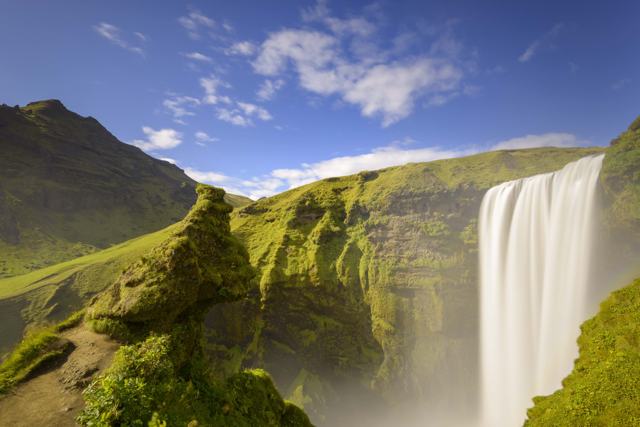
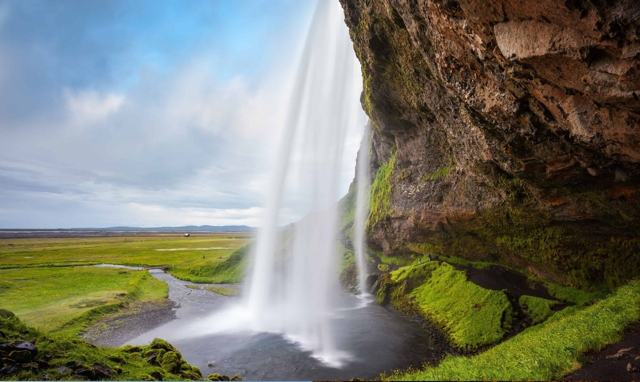
- Follow the South Coast to Seljalandsfoss, Skógafoss and the black sand at Reynisfjara. Autumn rain makes the waterfalls fuller. Stay well back from the waves at Reynisfjara, as sneaker waves are a real danger.
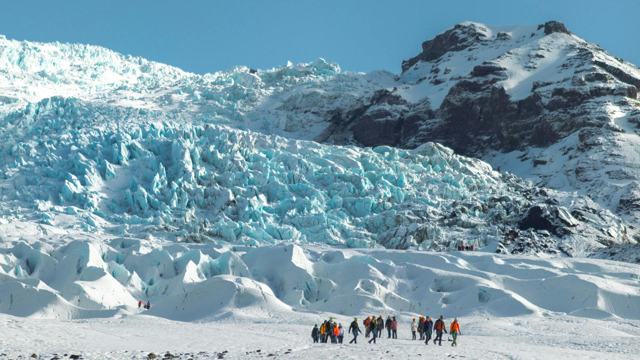
- Take a glacier hike on Sólheimajökull or in Skaftafell. Guides provide crampons and helmets. See our glacier hiking guide.
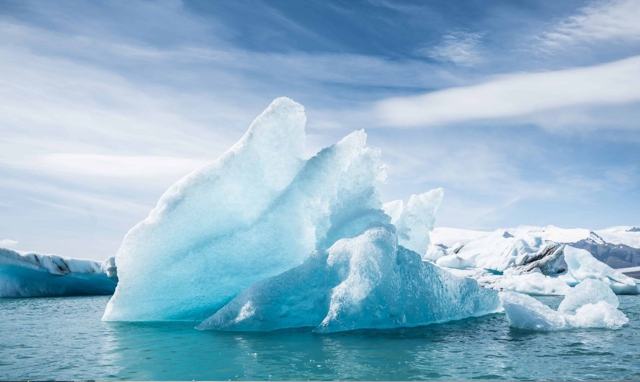
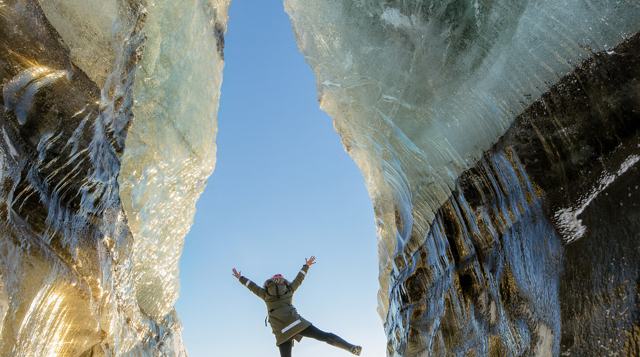
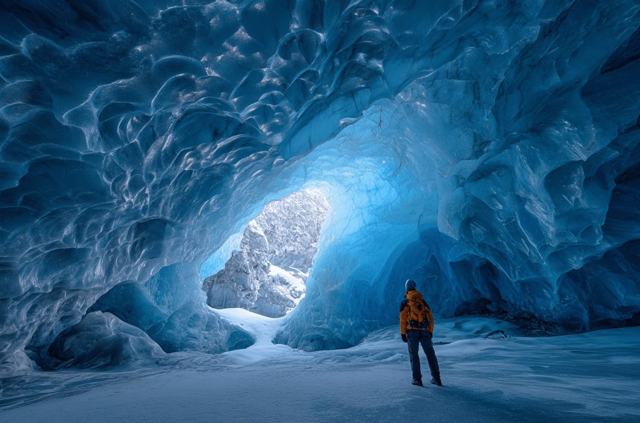
- Visit an ice cave. The Katla ice cave near Vík can be visited all year, for example on our Katla ice cave private tour; read our guide to the Katla ice cave. The natural ice caves in Vatnajökull usually open from about November, depending on the weather. See our ice cave tours.
- Go whale watching from Reykjavík or in the north around Húsavík and Eyjafjörður. Sea conditions cancel more trips than in summer, so keep a spare day. See our whale watching tours.
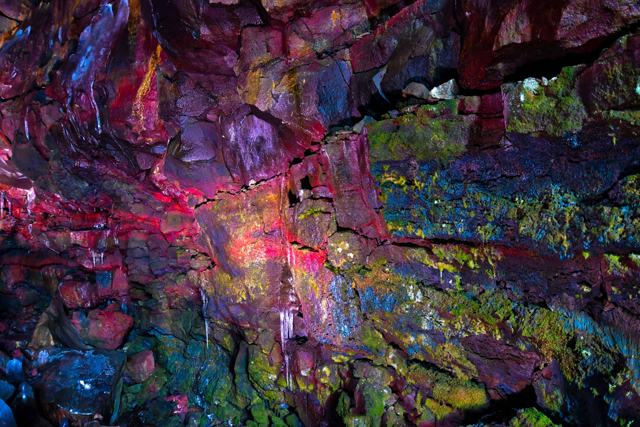
- Walk through a lava tube. Caves such as Raufarhólshellir near Reykjavík are open all year and do not depend on the weather. Our Raufarhólshellir lava tunnel tour is a good choice for a rainy day. See our lava cave tours.
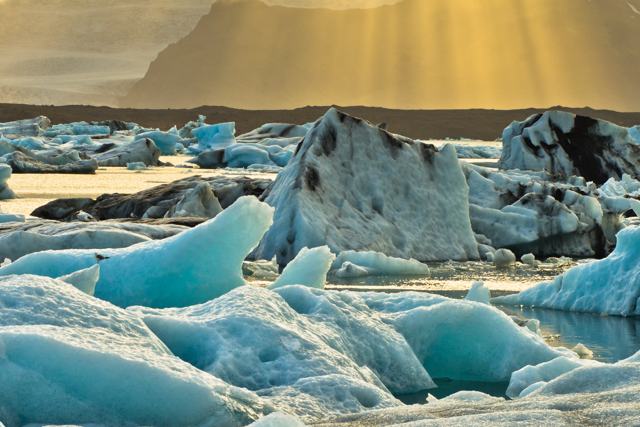
- Head to Jökulsárlón and Diamond Beach on a longer South Coast trip. It is a long drive, so an overnight stop or a 2-day tour works better than a day trip in October light. Our 2-day South Iceland tour covers the South Coast and the glacier lagoon area.
Hot springs and lagoons
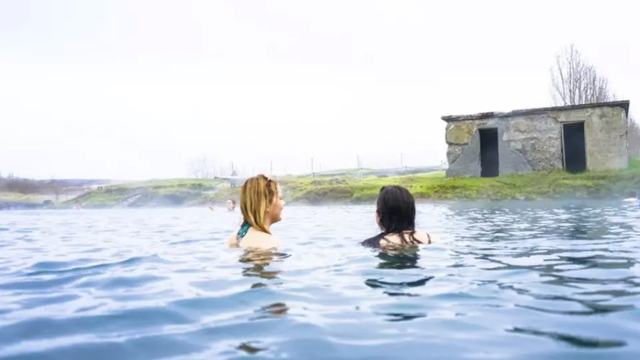
Cold, dark evenings are the best time for a warm soak, and if the sky clears you may see the Northern Lights from the water. The Secret Lagoon in Flúðir fits well into a Golden Circle day. Sky Lagoon is on the coast just outside central Reykjavík, and Hvammsvík is in Hvalfjörður, about an hour's drive north of the city. See our hot spring tours and our comparison of Sky Lagoon and Blue Lagoon.
The Blue Lagoon is on the Reykjanes peninsula, where there have been repeated volcanic eruptions in recent years. It has had to close at times, so check that it is open before you book.
For a wilder option, the walk up to the hot river at Reykjadalur takes about an hour each way. The path gets muddy and slippery in autumn, so wear proper boots and start early enough to be back before dark.
Events in October
The Reykjavík International Film Festival (RIFF) runs from late September into early October. In 2026 it takes place from 24 September to 4 October, with Icelandic, Nordic and international films, and in past years some unusual venues such as a swimming pool cinema.
On 9 October, John Lennon's birthday, the Imagine Peace Tower on Viðey is switched on. Its column of light shines over Reykjavík every night until 8 December and can be seen from the city shore.
Réttir, the autumn sheep round-ups, continue in some areas until around mid-October. Read our guide to réttir. Halloween is not a traditional Icelandic holiday, but you will find themed nights in Reykjavík bars at the end of the month.
Iceland Airwaves, the big music festival, is just after October, from 4 to 8 November in 2026. If your trip runs into early November, see our music festivals guide.
Driving in Iceland in October
Self-driving is very doable in October, but treat it as the start of winter driving. The main roads are paved and open, but frost, ice and the first snow can appear, especially early in the morning, at night and on mountain passes in the north, east and Westfjords. Rent a car with winter tyres, and a 4×4 is worth it if you are heading north or east late in the month.
Check road conditions on road.is (or phone 1777) and weather warnings on vedur.is before you set off each day, and register your plans on safetravel.is if you are going somewhere remote. Keep driving in the dark to a minimum on roads you do not know, and watch out for sheep on the road.
If you would rather not drive, a guided day tour or a tour package leaves the roads and the weather calls to someone who knows them. Our 7-day Iceland tour goes all the way around the country. See also our self-drive trips.
What to pack for October
Pack for cold, wet and windy weather, with layers you can add or remove. Our Iceland packing list has the full list.
- Waterproof and windproof jacket with a hood
- Waterproof trousers
- Thermal base layers and a wool or fleece mid-layer
- Waterproof walking boots with good grip
- Warm hat, gloves and a scarf or buff
- Swimwear and a quick-dry towel for hot springs
- A head torch for dark mornings and aurora nights
- Camera with a tripod if you want Northern Lights photos
Tours to book
October is a good month to let someone else do the driving and the forecast watching. These suit it well.
- 7 Day Iceland Tour: the whole Ring Road while the lowland roads are still open, with dark evenings for aurora hunting.
- 2 Day South Iceland Tour: the South Coast and the glacier lagoon area without a long drive in short daylight.
- Northern Lights Super Jeep: a guided aurora hunt on the long, dark October nights.
Is October a good time to visit Iceland?
October suits travellers who want the Northern Lights, quieter sights and a better price, and who don't mind rain, wind and shorter days. It does not suit a trip built around the highlands, puffins or long summer hikes.
If you want more daylight and autumn colour, look at Iceland in September. If you want the start of ice cave season, look at Iceland in November.
Questions people ask
What is the weather like in Iceland in October?
Cool, wet and windy. Reykjavík averages a high of about 8°C and a low of about 3°C, with rain on about 13 days. Snow is possible on the mountains and in the north.
Can you see the Northern Lights in Iceland in October?
Yes. The nights are long and dark, so October is a good month. You need a clear sky and some solar activity, so plan several evenings and check the forecast.
How many hours of daylight does Iceland have in October?
In Reykjavík, about 11 and a half hours at the start of October, falling to about 8 hours by the end of the month.
Are the highland roads open in October?
Mostly not. Most F-roads close by early October and stay closed until summer. A super jeep tour is the realistic way to see the interior.
Can you visit ice caves in October?
The Katla ice cave near Vík is open all year. The natural ice caves in Vatnajökull usually open from about November, depending on the weather.