You can hike Hornstrandir on your own, but you need a boat booking, a tent or a guesthouse bed, and confidence in bad weather. Ferries run from early June to the end of August, with the best walking weather from mid-July to August. Book your boat first, since everything else depends on it.
What Hornstrandir is
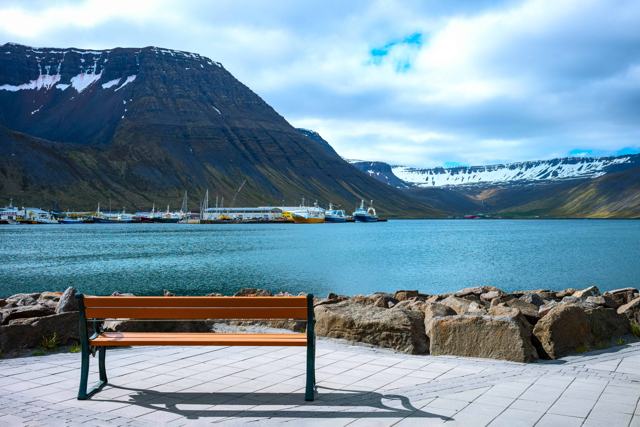
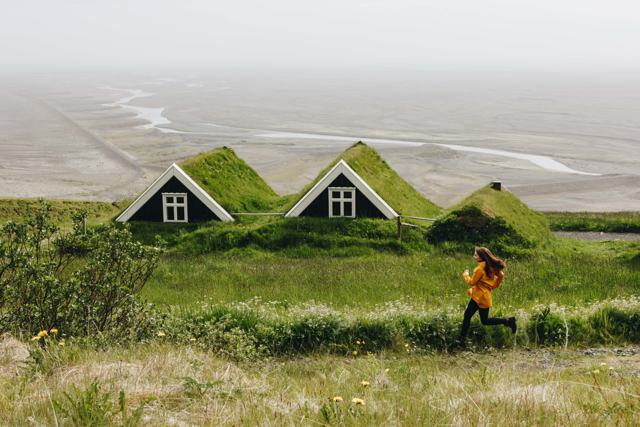
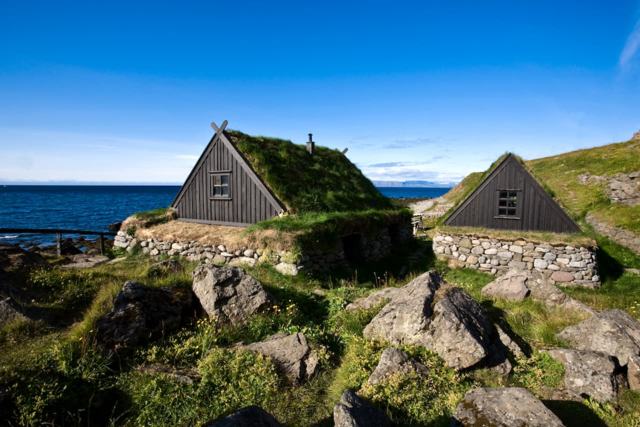
Hornstrandir Nature Reserve fills the north-western tip of the Westfjords. It has no roads, no shops and no permanent residents. People farmed and fished here until the 1950s, when isolation and hard winters emptied the last farms. Today the old houses are used as summer cabins, and a few are guesthouses.
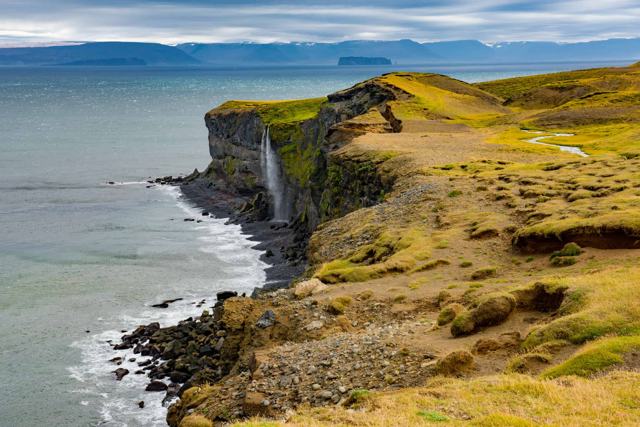
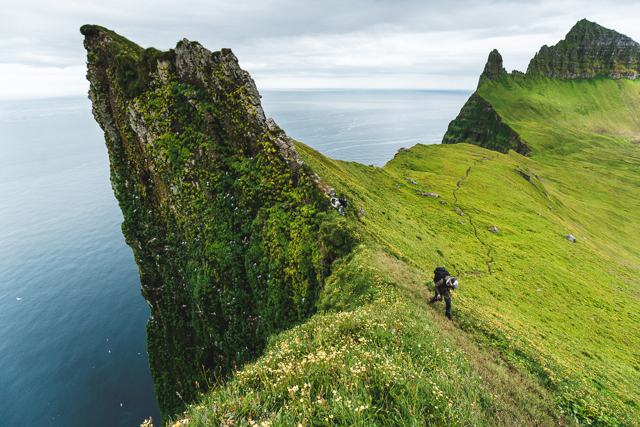
You come for steep sea cliffs, empty fjords, grassy passes and Arctic foxes that are used to walkers. Hornbjarg and Hælavíkurbjarg are among the largest bird cliffs in the country, with kittiwakes, guillemots, razorbills and puffins. Read our overview of the Hornstrandir Nature Reserve for the wider picture.
When to go
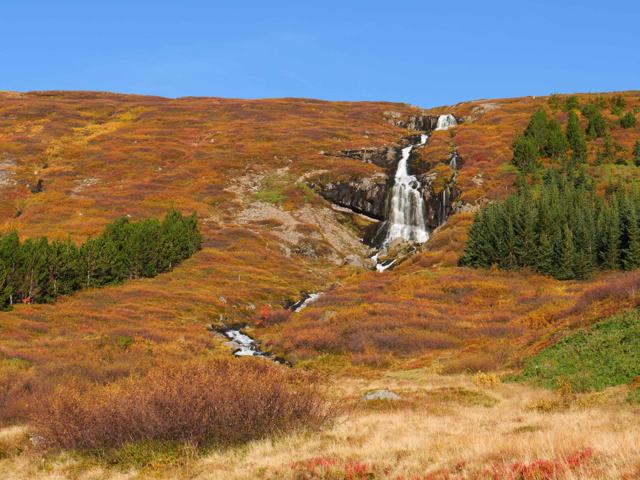
The hiking season runs from early June to early September, matching the ferry season. Snow can linger on the passes in June, so mid-July to August is the safest window and the best time for camping. Outside the season there are no boats, the paths are snowbound and avalanche risk is high, so do not go.
Daylight is not a problem from June to August, but weather is. Wind, fog and rain can arrive in an hour, and on a bad day wind can reach hurricane force. Allow a spare day at the end of your trip in case the boat cannot sail.
Getting there
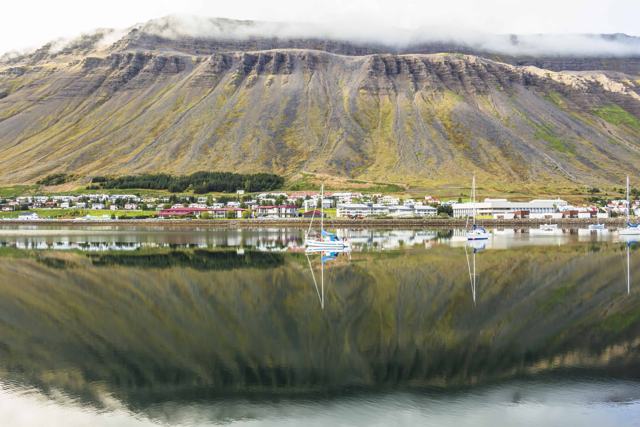
To Ísafjörður: the main gateway is Ísafjörður, a domestic flight of around 40 minutes from Reykjavík, or a long drive of about six hours or more. Bolungarvík, a short drive north, is the departure point for some boats.
Ferries into the reserve: three boat companies run scheduled services from Ísafjörður and Bolungarvík, from around 1 June to the end of August. In 2026, one-way fares to the most-used drop-offs were about 13,900 to 14,900 ISK to Hesteyri and Veiðileysufjörður, with Hornvík around 16,900 to 19,300 ISK and other stops from about 12,000 ISK. Fares are per direction, and you can often go out with one company and return with another. Children under 4 travel free and ages 4 to 12 pay half. Extra baggage over one backpack costs more.
Book in advance, since a boat may not sail if too few people book. Some stops run only on certain days or on request, so plan your route around the timetable.
Where to sleep
There are 14 designated campsites in the reserve, and six have emergency shelters. Most have running water and dry toilets, and Hornvík has a ranger's cabin and flush toilets. You must camp at a campsite where there is one nearby. Wild camping is not allowed. No campfires.
Three guesthouses offer sleeping-bag beds: the Doctor's House in Hesteyri, the Hornbjargsviti lighthouse and Kvíar Lodge. They fill early, so book well ahead if you prefer not to camp.
Routes for independent hikers
These are the most popular options. Distances and times are approximate and depend on your pace and the weather.
Day hike from Hesteyri: Hesteyri is the easiest place to start. There is a walk over the pass to Aðalvík, about 11 kilometres and 4 to 6 hours one way, past old farms and a ruined church, ending at Látrar with black sand beaches. Check the boat schedule so you can be picked up at the other end. In summer, the Doctor's House in Hesteyri serves refreshments.
Veiðileysufjörður to Hornvík: about 11 kilometres, 4 to 5 hours, a moderate climb over the Hafnarskarð pass with big views. It is a good way into the northern part of the reserve.
Hornvík to Hornbjarg and back: about 16 kilometres, 6 to 7 hours, the most popular walk in the reserve, with a route along cliffs rising roughly 500 metres from the sea. Leave heavy packs at camp. Keep well back from the edge, especially in wind or rain.
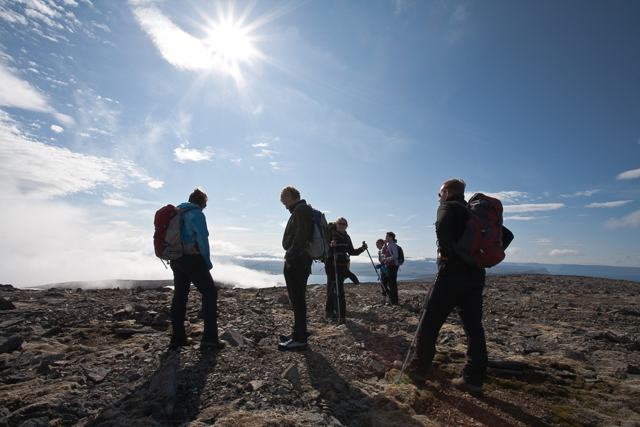
Four-day traverse: Hesteyri, Hlöðuvík, Hornvík and back to a pick-up point at Veiðileysufjörður, with Hornbjarg as a day walk from camp. This is a demanding route for experienced walkers, with steep sections and river crossings.
Five-day expedition: Veiðileysufjörður to Hornvík, then Hlöðuvík, Fljótavík or Aðalvík. It needs good fitness, navigation and multi-day food, and a plan for boat pick-up at the end.
River crossings and terrain
Expect to wade streams and a few larger rivers. The Hafnarós river near Hornvík is on average knee-deep and has a marked crossing, but it varies with rain and the tide, so check tide times if you can. Bring sandals or water shoes for crossings, and unclip your pack's waist belt before you enter the water.
Paths are a mix of cairns, old stone paving, mud and steep gravel. Fog can make navigation hard. Paths are not signposted like in the Alps.
What to pack
You will carry everything for days, so pack for wet, windy weather rather than for warmth alone.
- Waterproof jacket and trousers, wool or synthetic base layers, warm hat and gloves. Avoid cotton.
- High-ankle waterproof boots, plus sandals for crossings.
- A strong, wind-proof tent that you have pitched before. Bring spare pegs.
- Paper map and compass, plus GPS or a phone with offline maps and a power bank.
- First aid kit, headtorch, whistle, knife and repair tape.
- All your food (dehydrated meals, oats, nuts, bars) and a stove. There are no shops. Take out all rubbish.
- A water bottle. Most streams are clean, but take water from moving sources.

Safety, rules and wildlife
Register your route at safetravel.is before you set out, and check the forecast at vedur.is each morning. If you run into trouble, call 112. Mobile coverage is patchy, so download the 112 Iceland app, which can send a text with your GPS position when calls fail. Carry a personal locator beacon if you go far from the boat stops.
- Camp only at designated sites, and light no fires.
- Stay on paths, and do not build new cairns, which can confuse navigation.
- Keep at least 40 metres from foxes and nesting birds, and never feed foxes.
- No drones. Hornstrandir is closed to recreational drones in summer, and they disturb birds.
- Turn back in high wind, heavy rain or thick fog, and stay away from the cliff edges. Anyone with vertigo should reconsider Hornbjarg.
Guided trips and other options
If a self-guided trek feels like too much, a guided day or multi-day trip takes care of boats, food and route finding. Our Hornstrandir Hike and Hornvík Hiking Tour are guided days from Ísafjörður with the boat included. Browse our Westfjords tours and hiking tours. Other big Icelandic hikes to compare include Þórsmörk and Landmannalaugar.
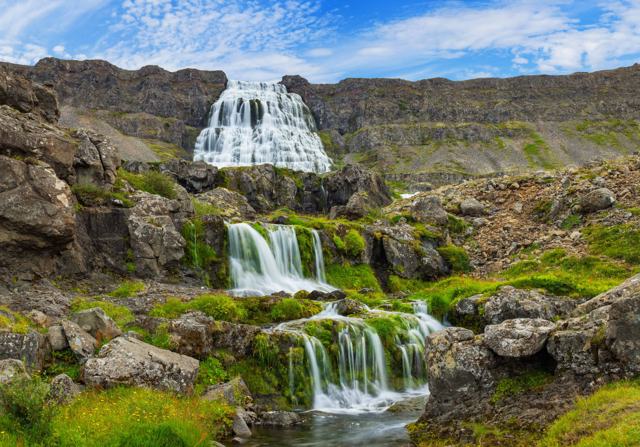
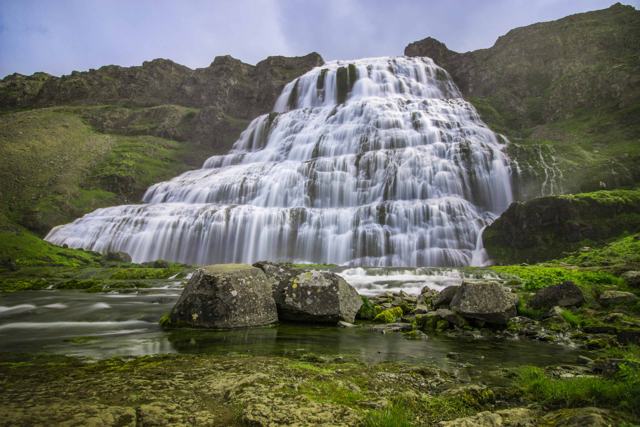
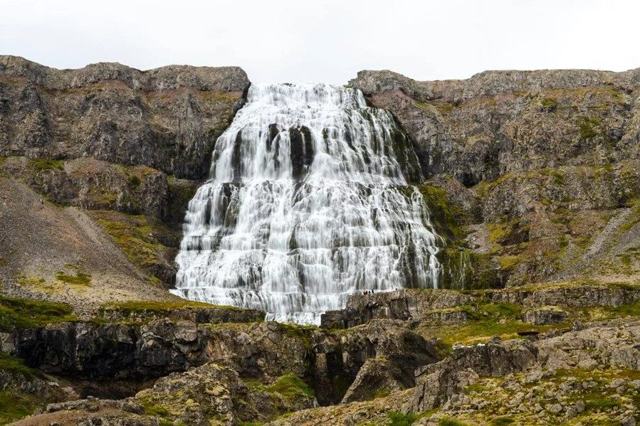
We are a local travel agency in Iceland, so we can plan the Ísafjörður flights or drive, a night before and after the hike, and a boat booking that works with your route. On the way, see Dynjandi, on its own or on a private Dynjandi tour from Ísafjörður, and Látrabjarg. For overnight kit, see our camping packing list.
- Hornstrandir Hike: a guided small-group day in the reserve, with the boat from Ísafjörður and dinner included.
- Hornvík Hiking Tour: a guided day hike at Hornvík, with the ferry to and from the reserve.
- 3 Day Westfjords Tour from Reykjavik: a multi-day trip for seeing more of the Westfjords without the long drive.
- Isafjordur Private Tour: a private day around Ísafjörður before or after the boat.
Questions people ask
When can you hike Hornstrandir?
Ferries run from early June to the end of August, and the best walking is mid-July to August. Outside that window there are no boats and the paths are under snow.
How do you get to Hornstrandir?
By boat only, from Ísafjörður or Bolungarvík. Fly or drive to Ísafjörður first. In 2026, one-way fares were roughly 12,000 to 19,000 ISK depending on the drop-off.
Can you wild camp in Hornstrandir?
No. You must use one of the 14 designated campsites where one is nearby. Campfires are not allowed.
Do I need a permit to hike Hornstrandir?
We did not find a permit requirement for hikers, but you should register your route on safetravel.is and tell your ferry company about any changes.
What is the best day hike in Hornstrandir?
The Hornvík to Hornbjarg round trip, about 16 kilometres and 6 to 7 hours, is the most popular. For an easier start, walk from Hesteyri to Aðalvík.