The most common Iceland itinerary mistake is trying to see too much in too few days. Close behind are planning for the wrong season, booking late, underestimating the roads and leaving no spare time for the weather. As a local travel agency in Iceland, we see the same errors every year, so here is how to avoid them.


1. Trying to see too much in too little time
On a map Iceland looks small. In reality the Ring Road, Route 1, is about 1,300 kilometres long. Jökulsárlón and Akureyri are each about 380 kilometres from Reykjavík. Add weather, single-lane bridges, sheep on the road and frequent photo stops, and a drive always takes longer than the sat nav says.
The classic error is driving the whole Ring Road in five or six days. You spend most of each day in the car and rush past the places you came to see. It is better to pick one or two regions and enjoy them properly.
- 3 to 5 days: Reykjavík, the Golden Circle and the South Coast as far as Vík, as on our 3-day Golden Circle and South Coast tour.
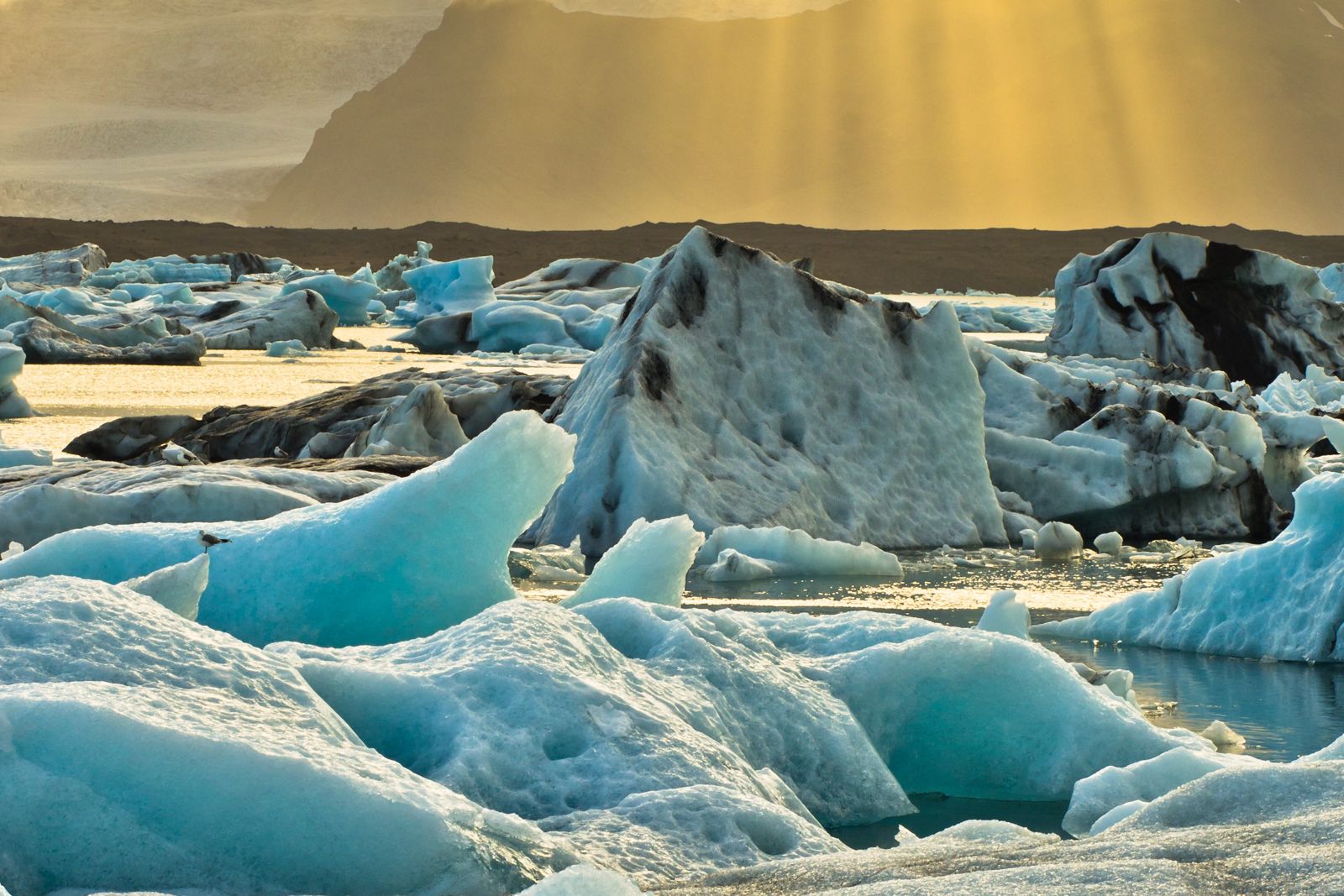
- 6 to 8 days: add Jökulsárlón with a night or two in the south-east, or the Snæfellsnes Peninsula.
- 8 to 10 days or more: the full Ring Road, for example on our 8-day tour around Iceland. With 10 to 14 days you can add detours such as Snæfellsnes, the Westfjords or the East Fjords without rushing.

2. Ignoring the season
Iceland is a different country in June and in December. Many disappointed travellers planned a Northern Lights trip in July or a highland hike in February.
Always check what is possible in the month you travel. Our month guides, such as Iceland in September and Iceland in January, cover weather, roads and tours month by month.
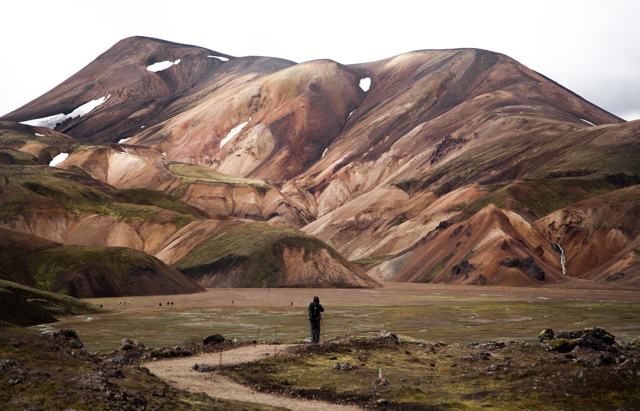
- Summer (June to August): long bright nights, the best hiking and puffins on the cliffs. The highland F-roads to places like Landmannalaugar usually open from late June or early July and close again in the autumn, depending on snow. There are no Northern Lights, because the sky never gets dark.
- Winter (November to March): the best dark skies for the aurora, snowy landscapes and natural ice caves. Days are short, some roads close and all highland roads are shut.
- Shoulder seasons (April to May, September to October): fewer visitors and lower prices. The Northern Lights season runs from about September to April, so autumn and early spring give you a chance of aurora with reasonable daylight.
3. Planning summer-length days in winter
In June Reykjavík has around 21 hours between sunrise and sunset. In December it has only 4 to 5 hours, with a few more hours of usable twilight. A route that is easy in summer can mean hours of driving in the dark on icy roads in winter.
In winter, plan fewer stops, shorter drives and aim to be at the places you most want to see in the middle of the day. A day trip from Reykjavík to Jökulsárlón and back is possible in summer but very long in winter, so stay a night in the south instead. Our 2-day South Iceland tour does exactly that. Our daylight hours guide gives sunrise and sunset for every month.
4. Staying in Reykjavík for the whole trip
Many travellers book one hotel in Reykjavík and plan day trips everywhere. That works for the Golden Circle and the western South Coast, but a return trip to Jökulsárlón, Mývatn or Snæfellsnes from the capital means long hours on the same road twice.
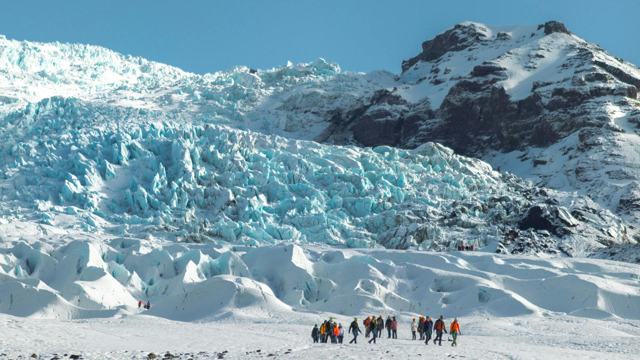
Move your base as you go. One or two nights near Vík or in the south-east lets you see the South Coast and the glacier lagoon without rushing, and puts you close to glacier walks and, in winter, ice cave tours. A hotel change every two or three nights is a good rhythm. If you prefer a guide, our 2-day South Coast private tour includes a night on the way.
5. Booking too late
Rooms, rental cars and popular tours sell out months ahead, especially from June to August and around Christmas and New Year. Accommodation in the countryside is limited, and on parts of the South Coast and in the south-east there are only a few hotels between towns.
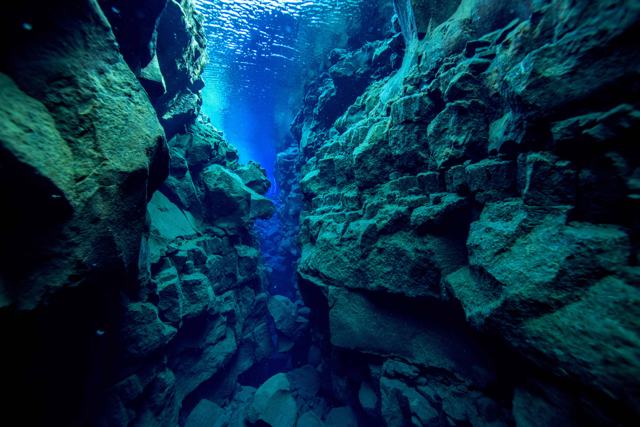
Book the things that are hard to replace first: accommodation outside Reykjavík, your car or tour, and limited-capacity activities such as ice caves, glacier hikes and snorkelling at Silfra. For summer, three to six months ahead is sensible. Choose free cancellation where you can, so you keep some flexibility.
6. Underestimating the roads
The Ring Road is paved all the way round, but many side roads are gravel. There are still about 25 single-lane bridges on the Ring Road, strong crosswinds are common, and in winter ice and blowing snow can close mountain passes at short notice. The speed limit is 90 km/h on paved roads, 80 km/h on gravel and usually 50 km/h in towns.
Mountain roads marked with an F are for 4×4 vehicles only and are open only in summer. Many have unbridged rivers, and rental insurance usually does not cover river damage. If the highlands are on your list, rent a proper 4×4 and check your rental terms, or join a highland tour or super jeep tour instead.
- Check road conditions on road.is (umferdin.is) or by phoning 1777 before every drive.
- Check the weather and wind warnings on vedur.is, and alerts on safetravel.is.
- Never stop on the road for a photo. Use pull-outs and parking areas.
- Never drive off road. It is illegal and damages the moss for decades.
- Fill up before long empty stretches, especially in the east and the Westfjords.

7. Overloading the arrival and departure days
Many flights from North America land early in the morning, and hotel rooms are rarely ready before the afternoon. Planning a long drive straight after an overnight flight is tiring and not very safe. Keep the first day light, with Reykjavík, a lagoon or a short drive. See our guide to arriving early in Iceland.
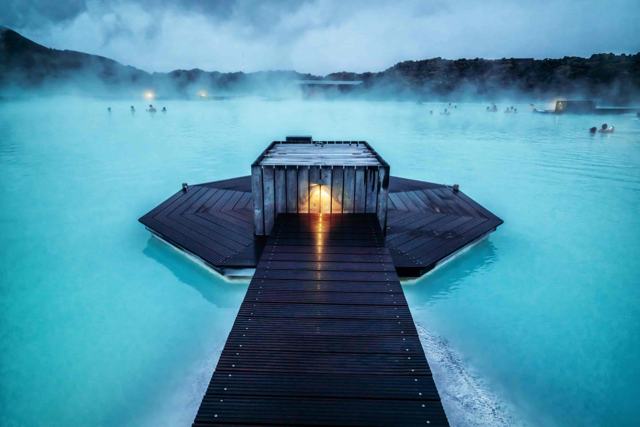
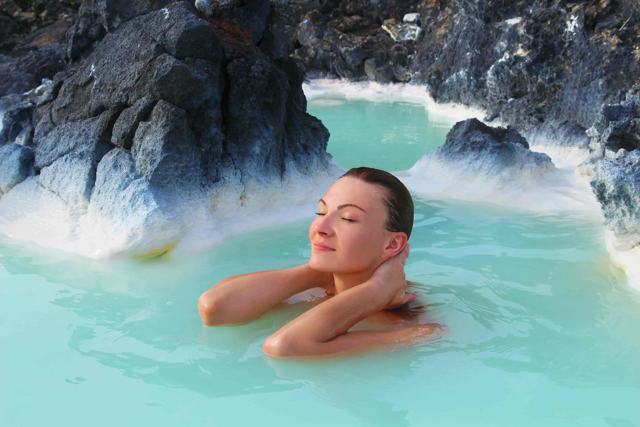
On the last day, do not plan to drive back from the far south-east in the morning to catch an afternoon flight. Spend the last night within easy reach of Keflavík Airport. Many people visit the Blue Lagoon on the way to the airport, but you must book ahead, and volcanic activity on the Reykjanes Peninsula has closed it for short periods. Check safetravel.is before you go and have a backup such as a lagoon in Reykjavík. Our Sky Lagoon vs Blue Lagoon guide compares the two.
8. Leaving no room for the weather
Iceland's weather decides a lot. Storms can close roads, boat trips and glacier tours are cancelled in high wind, and a clear night can suddenly be perfect for the Northern Lights. An itinerary with every hour booked has nowhere to go when that happens.
Build in slack. Leave at least one flexible day on a trip of a week or more, and put weather-sensitive tours such as whale watching, glacier walks and ice caves early in the trip, so there is time to rebook. If a tour is cancelled, our guide to alternatives when your Iceland tours get cancelled has ideas.
9. Ignoring safety at nature sights
Most accidents in Iceland come from weather, roads and the sea. A few simple habits keep your trip on track.
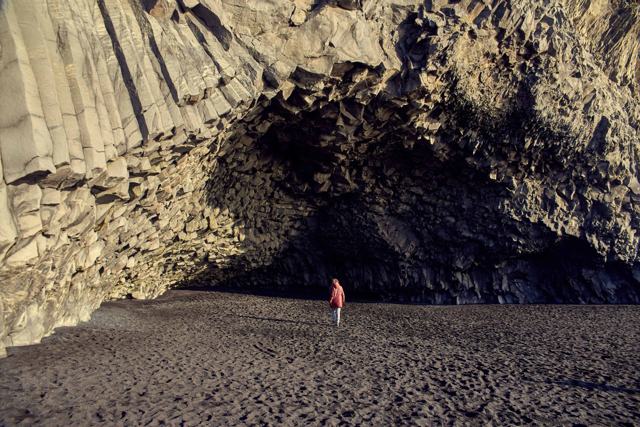
- Stay well back from the waves at Reynisfjara and other black sand beaches. Sneaker waves can reach far up the beach without warning.
- Keep to marked paths, especially in geothermal areas.
- Never walk on a glacier or into an ice cave without a guide. Book a glacier hiking tour instead.
- Leave a travel plan on safetravel.is if you are hiking, and remember that the emergency number is 112.
10. Forgetting the extra costs
Iceland is expensive, and some costs catch people out. Since 1 January 2026 there is a per-kilometre road fee on all cars, which rental companies pass on as a daily or per-kilometre charge, so check the terms when you book. Many popular sights now charge for parking, usually paid by app or at a machine. Fuel, meals on the road and lagoon tickets add up quickly on a long trip.
Compare the full cost of a self-drive trip, with car, fuel, fees and hotels, against a guided tour or package. Sometimes the difference is smaller than you think, and a package includes the planning. Our 5-day South Coast and Glacier Lagoon self-drive comes with the car, hotels and a day-by-day plan.
How to plan a relaxed, realistic Iceland trip
Choose your season first, then decide how many days you have and which regions fit. Plan short driving days, move your base as you go, book the hard-to-replace things early and keep one day free. That simple plan avoids almost every mistake on this list.
If you would rather have locals do the planning, we can help. Our self-drive trips come with a realistic route, car and accommodation booked for you. Our multi-day trips and Ring Road tours take you round the country with a driver-guide, and our travel packages and itineraries combine tours, transfers and hotels. First time in Iceland? Start with our beginner's guide to Iceland and Iceland packing list.
These trips are built to avoid the mistakes above.
- 8 Day Tour Around Iceland : Icelandic Highlights: the full Ring Road at a realistic pace, with the driving done for you.
- South Coast & Glacier Lagoon in 5 Days: one region done properly, with car, hotels and a day-by-day plan.
- 2 Day South Coast Private Tour: a night on the South Coast instead of a long return drive in one day.
Questions people ask
What is the biggest mistake when planning an Iceland itinerary?
Trying to see too much in too little time. The Ring Road is about 1,300 kilometres long, and driving it in under a week leaves little time to stop. Focus on one or two regions, or allow at least 8 to 10 days for the full loop.
How many days do you need to drive the Ring Road?
At least 8 to 10 days, and 10 to 14 days if you want detours such as Snæfellsnes or the Westfjords. In winter, allow more time because of short days and road closures.
Can I see the Northern Lights and the highlands on the same trip?
Not really. The highland roads are open only in summer, when the sky is too bright for the aurora. The Northern Lights season runs from about September to April. Early September is the closest you can get to both.
Is it better to stay in Reykjavík or move around?
For the Golden Circle and the western South Coast, Reykjavík works well as a base. For Jökulsárlón, the north or Snæfellsnes, it is better to stay a night or two in the area rather than drive there and back in a day.
How far ahead should I book an Iceland trip?
For summer and the Christmas and New Year period, three to six months ahead is sensible for accommodation, cars and popular tours. Choose free cancellation where possible.