Fishing in Iceland is easy to try and easy to get wrong. Lakes are covered by one inexpensive fishing card, rivers are booked one by one and range from budget to very expensive, and sea angling needs no licence. Whatever you choose, any tackle you bring must be disinfected before use.
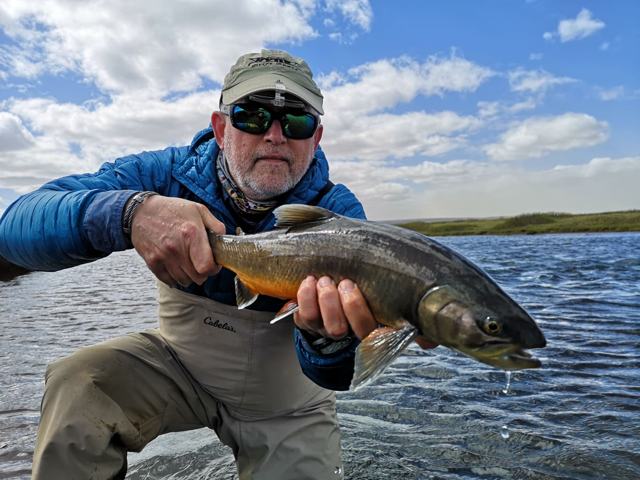
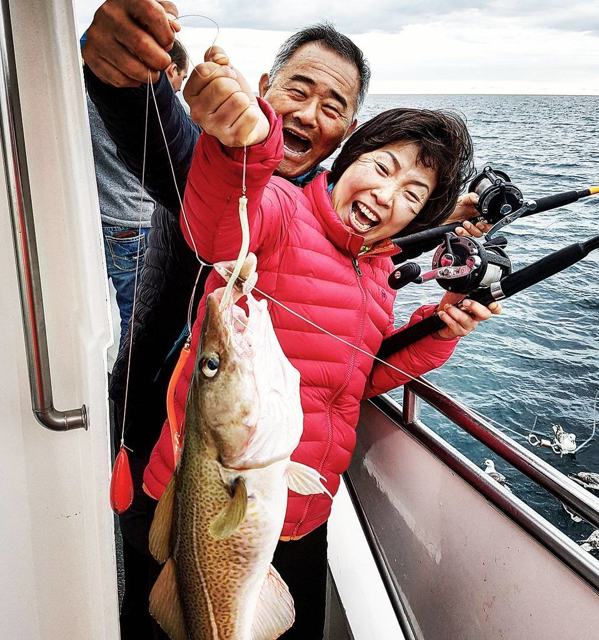
Fishing options at a glance
There are three main ways to fish here, and they suit different budgets and skill levels.
- Lakes: buy the Veiðikortið fishing card and fish for brown trout and Arctic char at dozens of lakes. Best value for self-drivers.
- Rivers: Atlantic salmon, sea trout and char. Permits are sold per river and per day, and the best beats book months ahead.
- Sea: no permit needed. Join a boat trip for cod, haddock and pollock, or fish from a harbour wall.
The Icelandic fishing card (Veiðikortið)
The Veiðikortið is a one-year card that lets you fish in around 36 to 37 lakes across the country (the number varies slightly by year and by shop). It is valid for the calendar year only, and it covers lakes, not rivers. The 2026 card is sold at 9,900 ISK, and some retailers list a discounted price, so compare before buying. It arrives as a QR code by email that you can save to Apple or Google Wallet.
Most lakes open in April or May and close in September, though a few are open longer. Each lake has its own rules for opening dates, methods and limits, listed on the card website and in the brochure. Some lakes sit near the Golden Circle and Reykjavík, including Elliðavatn and Þingvallavatn, so you can fish on a day trip.
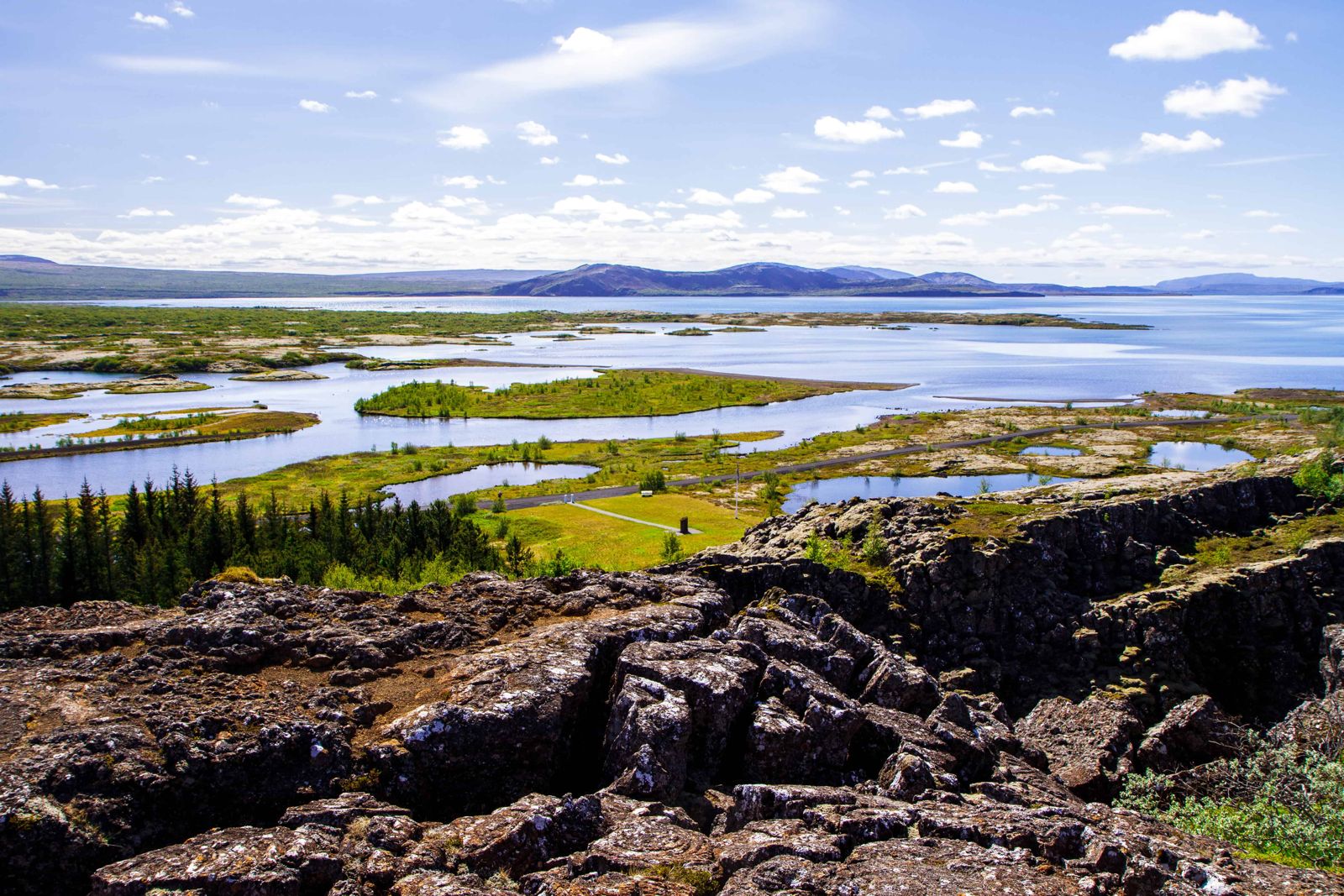
Þingvallavatn has a separate permit for the national park's northern shore: 2,500 ISK per rod per day, season 20 April to 15 September. Only fly rods are allowed until 31 May, and brown trout must be released in that period. All catches must be logged in the national catch log. Fishing is from the shore only. If you plan to fish there, check which stretch of shore your permit covers before you go. See our Þingvellir guide for the park itself.
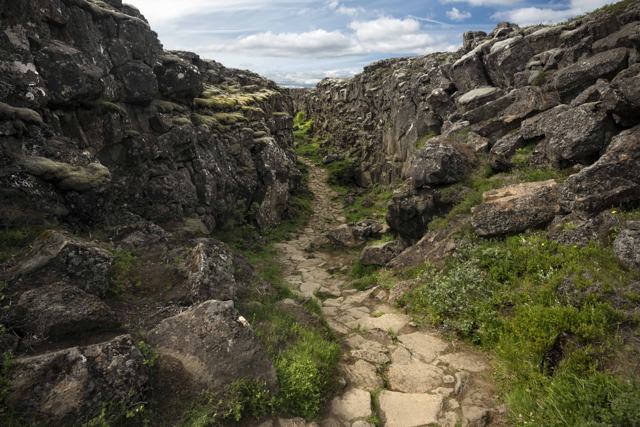
Salmon and river fishing
The Atlantic salmon season runs from June to September, with the peak in July and August. Exact opening dates vary by river. Permits are sold by each river's fishing association, and there is no national booking system.
Expect a wide price range per rod per day. Roughly, city-accessible rivers cost 10,000 to 25,000 ISK, smaller rivers 15,000 to 40,000 ISK, medium rivers 20,000 to 60,000 ISK, and premium private rivers 50,000 to 150,000 ISK or more, often with lodging and guides included. Rules on methods and catch-and-release vary by river, and fly fishing is standard on most of them.
Well-known salmon rivers include Laxá í Aðaldal in the north, and the Rangá rivers, Norðurá and Miðfjarðará. For a first trip, a guided day on a mid-priced river is usually better value than an unguided trip on a premium beat. If you want help matching a river to your budget, ask us. We are a local travel agency and can arrange guided days.
Brown trout, Arctic char and sea trout
Brown trout and Arctic char are the main lake fish. Brown trout season generally runs from April or May to September, and Arctic char are fished from spring to autumn. Lake Mývatn in the north is a well-known char and trout lake, and Þingvallavatn is famous for large brown trout. The national park advises against eating brown trout over 60 centimetres because they may contain higher mercury, so release big fish to protect the stock.
Sea trout are caught in rivers near the coast later in the summer, with the peak from late July into autumn.

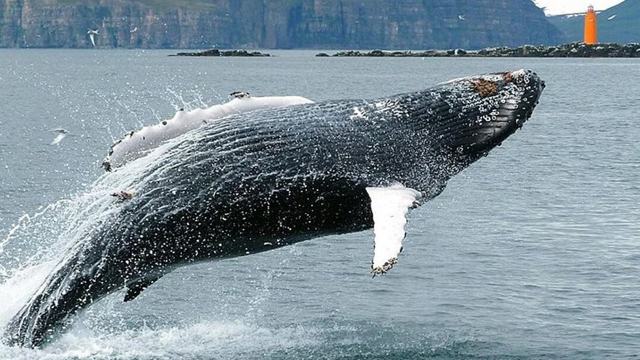

Sea angling and fishing tours
Sea angling needs no permit. From Reykjavík's Old Harbour, boat trips go out into Faxaflói Bay for cod, haddock and pollock, usually lasting three to four hours, and many finish with your catch cooked on board or ashore. Trips run all year with more departures from May to September. Book a fishing tour from Reykjavík, or an evening sunset fishing trip.
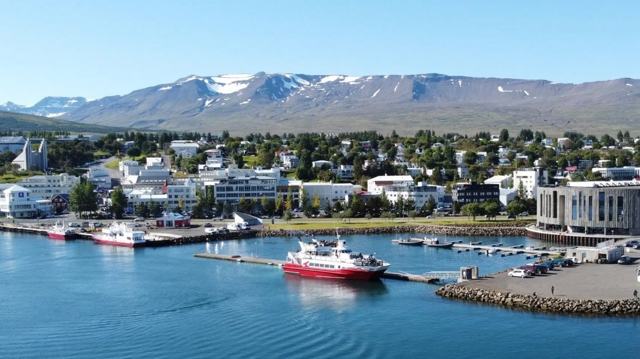
In the north, sea angling leaves from Dalvík, Hauganes, Húsavík and Sauðárkrókur, and combined whale watching and fishing trips are common, such as our Whale Watching & Sea Angling tour from Hauganes. Freshwater guided days last six to nine hours. In winter, guided ice fishing on frozen lakes in North Iceland runs from about November to March; see our ice fishing tour from Akureyri. Browse our fishing tours or pair a trip with whale watching.
Rules you must follow
Rules are set by each lake, river and landowner, so read the ones that come with your permit. These apply almost everywhere.
- Disinfect used tackle before you fish. Rods, reels, lures, waders and nets used abroad must be disinfected. Do it before arrival with a vet's certificate, or at Keflavík Airport or the Seyðisfjörður ferry port. New, unused gear is exempt. Approved disinfectants include Virkon-S at 1 per cent and 70 to 85 per cent alcohol, with about 10 minutes of contact time.
- No fresh bait from abroad. Worms, larvae, shrimp, minnows and fish eggs cannot be imported. Cooked bait is allowed.
- Log your catch where the permit asks for it, including released fish.
- Respect catch limits and release rules on your river or lake. Tagged fish must be released and reported.
- Stay within your beat and leave gates as you found them. Much of the land is private.
When to go
May to September is the main window for lakes and rivers. Late May to early June has long daylight but cold water, July to August is the salmon peak, and September has quieter rivers and good char fishing. For weather, daylight and what else is on, see our guides to Iceland in July, Iceland in August and Iceland in September.
Bring waders, wading shoes, a waterproof jacket and warm layers. Weather changes fast, even in July. If you are not sure where to start, a guided day or a boat trip is the best introduction.
Tours to book
For a first try, a boat trip is the simplest way in, with tackle and permits sorted.
- Fishing Tour from Reykjavik: sea angling from the capital, with no licence needed.
- Whale Watching & Sea Angle: fishing and whale watching in one trip in North Iceland.
- Ice Fishing Tour from Akureyri: guided fishing on a frozen lake in the northern winter.
Questions people ask
Do I need a licence to fish in Iceland?
For lakes, buy the Veiðikortið card, which covers around 36 to 37 lakes. Rivers need a separate day permit for each river. Sea angling from a boat or harbour needs no permit.
How much does the Icelandic fishing card cost?
The 2026 Veiðikortið is listed at 9,900 ISK, valid for the calendar year and for lakes only. Some shops list a lower price, so check before you buy.
When is the salmon season in Iceland?
June to September, peaking in July and August. Opening dates differ from river to river.
Can I bring my own fishing gear to Iceland?
Yes, but used gear must be disinfected before you fish, either before arrival with a vet's certificate or at Keflavík Airport or the Seyðisfjörður ferry port. New gear is exempt, and fresh bait cannot be imported.
Can I fish in Þingvallavatn?
Yes. The national park's northern shore needs a day permit at 2,500 ISK per rod, sold online or at the Leirar service centre. Season is 20 April to 15 September, fly only until 31 May.