Iceland Travel GuideLOCAL TRAVEL AGENCY IN ICELAND
My trip
Talk to a local
Iceland Travel GuideLOCAL TRAVEL AGENCY IN ICELAND
My trip
Talk to a local
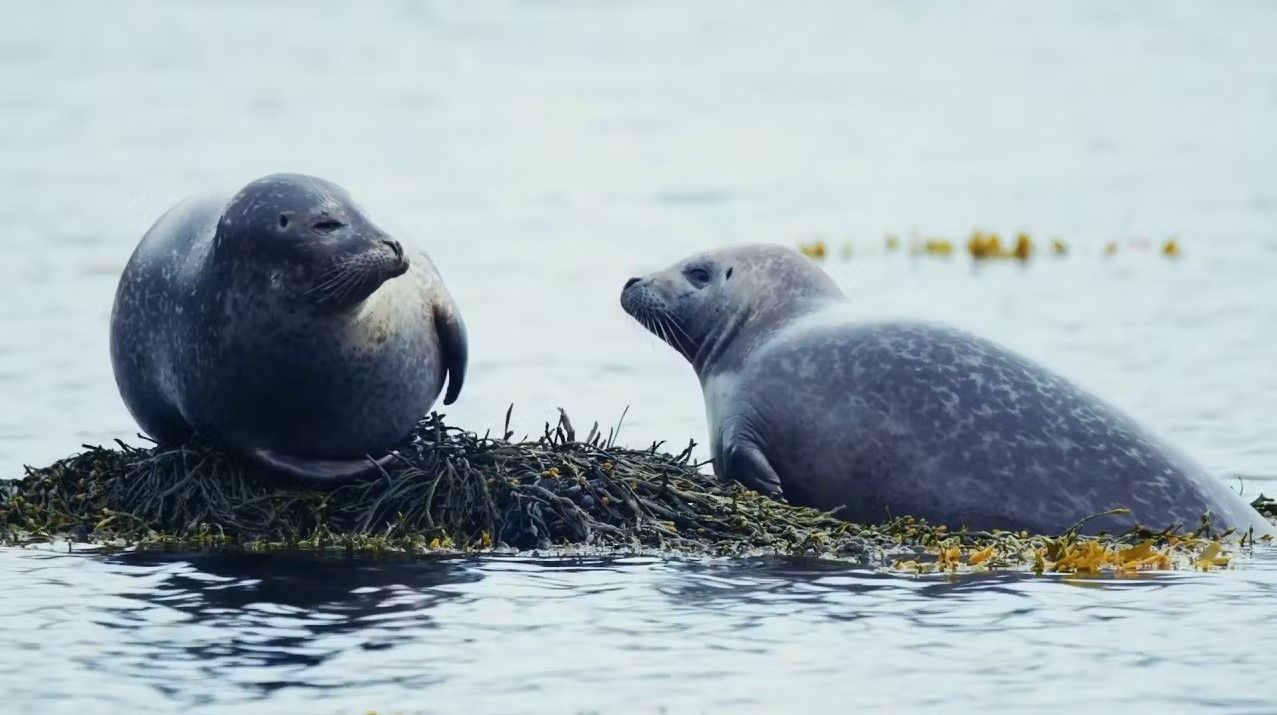
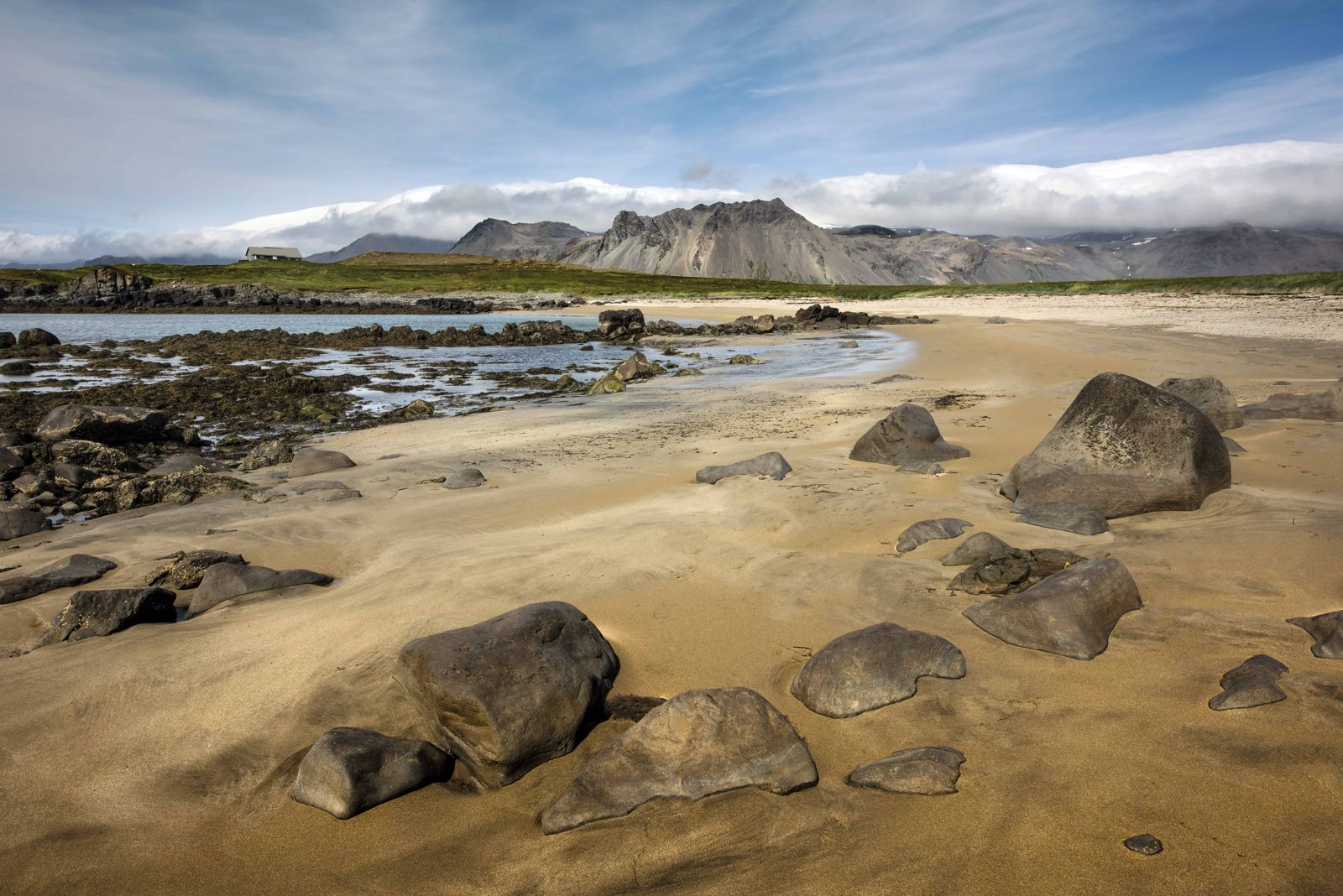
Ytri Tunga beach is a small golden-sand beach on the south side of the Snæfellsnes Peninsula, known for its seal colony: wild harbour and grey seals rest on the rocks just offshore. It is about 160 km (a little over 2 hours) from Reykjavík on Routes 1 and 54. The beach is open all year, there is a parking fee, and most people stay 30–60 minutes.
Ytri Tunga is part of a large farm of the same name on the south coast of Snæfellsnes. Unlike most Icelandic beaches, which are black volcanic sand, it has a stretch of pale golden sand that lights up when the sun is out. It is a calm, quiet place, and among locals it is best known for one thing: seal watching.
Harbour seals haul out on the skerries just offshore, and grey seals turn up less often. They are wild animals coming and going on their own schedule, not part of any managed attraction, so a sighting is likely but never guaranteed. You can find a few seals on the rocks or in the water all through the year, but summer is the best season.
The beach sits low against the sea, backed by farmland, with wide views west towards the Snæfellsjökull glacier and south across Faxaflói bay on a clear day. It is an unhurried stop compared with the busier sights further along the peninsula, and a good option if you want a short walk and a chance of wildlife without a long hike.
Bring a camera. Apart from the seals there are seabirds along the shore, among them eiders, oystercatchers and Arctic terns, and the light on the sand and seaweed-covered rocks is worth a few photos even on a day when the seals stay away.
For many hundreds of years seals and people in Iceland have lived side by side. Seals were central to survival on the coast: the meat was food, the blubber gave oil for lamps, and the waterproof hides were made into shoes and clothing.
Seals also swim through Icelandic folklore as selkies, mysterious and beautiful beings that can take off their seal skin and walk on land as humans. In the best-known tale a man hides a seal-woman's skin and marries her; years later she finds it and returns to the sea. In some Nordic countries selkies are shown as dangerous. In Iceland the stories are gentler and sadder.
The relationship has not always been friendly. Seals damage nets and gear when they go after the fish in them, and for a long time they were culled because of their effect on fisheries. Harbour seal numbers in Iceland fell by around 70 per cent between 1980 and 2020, and the species is now listed as endangered on Iceland's Red List.
Today most Icelanders see seals as part of their culture and of the life of the coast, and places like Ytri Tunga show that visitors value them alive. That is also why the distance rules below matter.
One more thing people ask about: Iceland has no walruses any more. A single animal is occasionally spotted, most often in the Westfjords, but there is no colony.
The turn-off is easy to miss, so slow down once you have passed the Route 56 junction. An ordinary car is fine in summer. In winter Route 54 can be icy and windy, so check umferdin.is before you set off.
Ytri Tunga is one of the most reliable places in Iceland to watch seals from land, along with the Vatnsnes peninsula in the north and the Jökulsárlón glacier lagoon in the south-east.
Keep at least 50 metres from the seals, and 100 metres if there are pups. Keep your voice low, move slowly, never stand between a seal and the sea, and do not use flash or drones. If a seal lifts its head, shuffles or slides into the water, you are too close.
No facilities at the beach itself: no toilets, shop or shelter, only the car park and information sign. Borgarnes, about an hour away, has fuel, food and shops, and there are guesthouses with restaurants along the south coast of the peninsula in season.
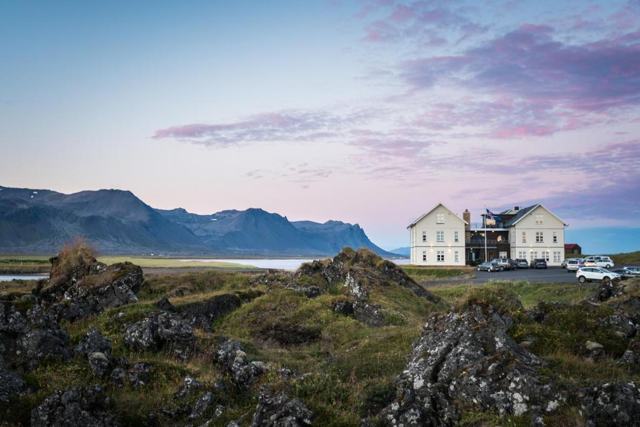
The closest places to stay are the country hotels and guesthouses along the south coast of Snæfellsnes, between Ytri Tunga, Búðir and Arnarstapi. Grundarfjörður, Ólafsvík and Stykkishólmur on the north side have more choice and are within about an hour's drive.
No. They are wild animals, so sightings are likely, especially in summer at low tide, but never certain.
The beach has no entrance fee, but a parking fee of about 1,000 ISK per car is charged at the car park.
About 160 km, a little over 2 hours by car on Routes 1 and 54.
Between May and August, around low tide, when they haul out on the rocks offshore.
Mostly harbour seals, with some grey seals. Hooded and ringed seals are rare visitors.
No. Stay at least 50 metres away, and 100 metres from pups. They are easily disturbed and will leave the rocks if approached.
Most beaches in Iceland are black volcanic sand. Ytri Tunga is one of the few with pale, golden sand, which is why it stands out.
No. There are no facilities at the beach, so stop in Borgarnes or along Route 54 on the way.
Tours and trips that include Ytri Tunga, booked directly with a local travel agency in Iceland.
 PRIVATESnæfellsnes Private TourFrom 150,000 ISK per group
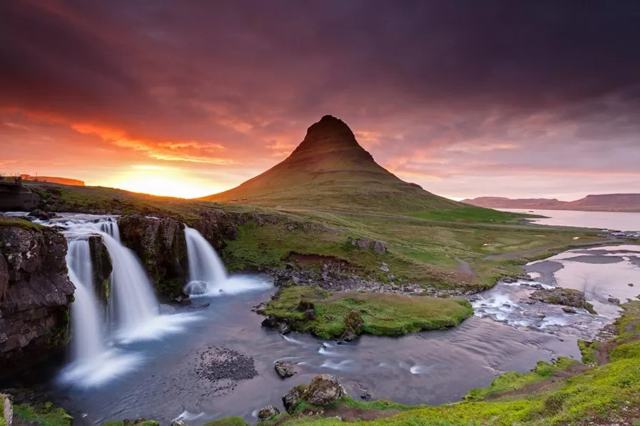 DAY TOURSnæfellsnes Peninsula Small Group TourFrom 17,074 ISK per person
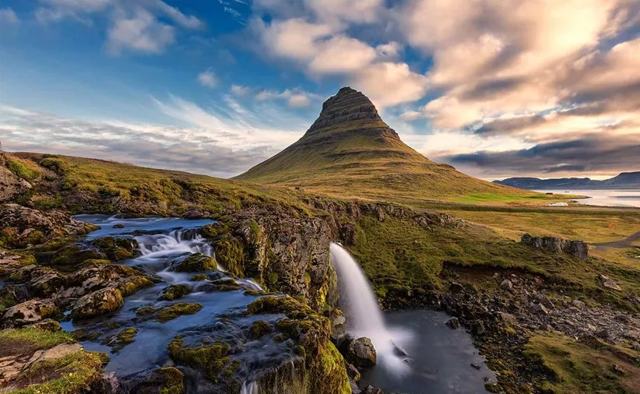 MULTI-DAY2 Day Snæfellsnes Peninsula TourFrom 69,990 ISK per person
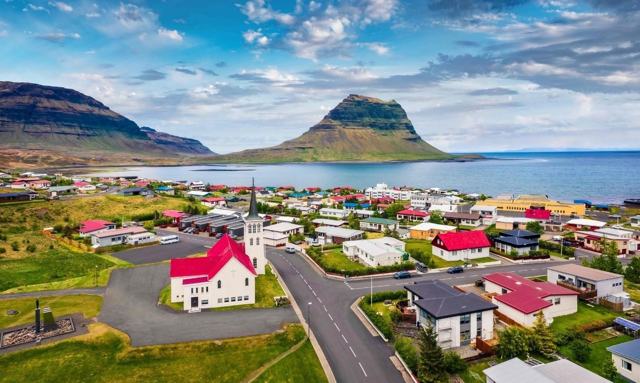 SHORE EXCURSIONSnæfellsnes PeninsulaFrom 150,000 ISK per group
 DAY TOURSnæfellsnes Peninsula Tour in SpanishFrom 18,900 ISK per person