Finding a job in Iceland is easiest if you are a citizen of an EEA or EFTA country, because you can work here without a permit. Most other nationals need a job offer and a work-based residence permit before they start, although young people from a few countries can use a working holiday permit. The best places to look are Icelandic job sites, recruitment agencies and direct contact with employers.

Why should you work in Iceland?
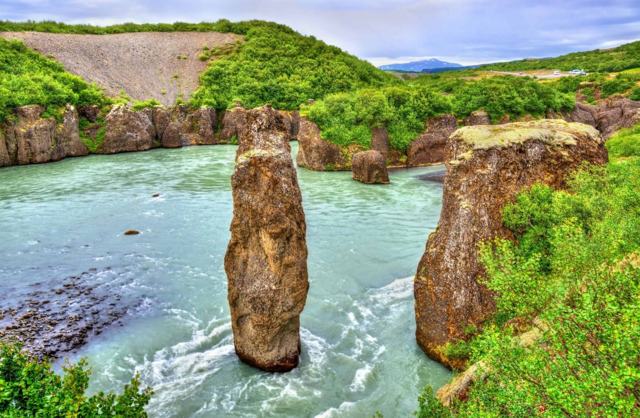
Iceland is small, safe and close to nature. It is not the most obvious place to look for work: the population is small, the weather is rough and there are few big towns. But it has some real advantages that people do not expect.
Working life is fairly informal, and a normal office week is 37.5 hours. Paid holiday, sick leave and pension contributions are set by law and collective agreements, so the basics are well protected.
Read why Iceland is often called the safest country in the world, and see what Reykjavík is like as a place to live.
- A simpler pace: even Reykjavík has little traffic and short commutes by big-city standards, and you are never far from open country.
- Friendly, direct people: Icelanders are welcoming, and almost everyone speaks English, which helps while you settle in.
- Work-life balance: Icelandic society is family-oriented, and employers generally respect time off and family commitments.
- Equality at work: Iceland has led international gender equality rankings for years. Since 2018 larger employers have had to prove through equal pay certification that they pay women and men the same for the same work.
- Parental leave: parents share 12 months of paid leave, six months each, of which six weeks can be transferred to the other parent.
- Flat hierarchies: most workplaces have few layers. People use first names with everyone, including the boss, and you are expected to share ideas and give your opinion.
- A small market: companies are small, so your work is noticed and roles are often broader than the job title suggests.
Know your eligibility: who can work in Iceland
To work in Iceland you must either have the right to work here as a citizen of an EEA or EFTA country, or hold a work permit. Your citizenship decides how easy it is. There are three main routes.
One common mix-up: the Schengen area is about travel without border checks. It does not give anyone the right to work. What matters for work is EEA or EFTA citizenship, or a permit.
- EEA and EFTA citizens (EU countries plus Norway, Liechtenstein and Switzerland) do not need a work permit. If you stay longer than three months, you must register with Registers Iceland (Þjóðskrá). Registration gives you a legal address and an Icelandic ID number, the kennitala, which you need for a bank account, tax and most services. Processing can take up to ten working days once all documents are in.
- Working holiday permit: Iceland has working holiday or youth mobility agreements with Andorra, Canada, Chile, Japan and the United Kingdom. Citizens of these countries can apply while visiting Iceland. The application fee is 40,000 ISK, except for Japanese citizens, who pay nothing. You must be at least 18, and under most of the agreements no older than 30, when you apply, and you cannot have held an Icelandic working holiday permit before. The length of stay depends on each agreement, so check it with the Directorate of Immigration.
- Everyone else needs a job offer first. The employer applies for a work permit, and you apply for a residence permit based on work.
Work permits for non-EEA citizens
The Directorate of Immigration issues four kinds of residence permits based on work:
- Expert knowledge: for jobs that need a university degree or industrial, artistic or technical training. Seven years of relevant experience can count in place of a degree. The employer must show it could not find a suitable person in Iceland or the EEA, and the pay must match what comparable experts earn.
- Shortage of labour: for jobs where workers cannot be found in Iceland or the EEA and EFTA countries.
- Athletes: for players employed by sports clubs within the National Olympic and Sports Association of Iceland.
- Specialised employees: for people working under service or collaboration agreements, for example in education, research or science.
What you need for a residence permit
The general requirements for a work-based residence permit include:
- Being 18 or older, with a valid passport
- Proof you can support yourself. The minimum is 259,951 ISK a month (from May 2026; it is raised from time to time), shown through bank accounts
- Health insurance with at least 2,000,000 ISK cover for at least the first three months
- A clean criminal record check
- A signed employment contract and a work permit linked to your employer
The largest employment sectors
Iceland's economy rests on a few large industries: tourism, fishing and aluminium. Business services, finance, law, media, creative work and energy also employ many people. Knowing the main sectors helps you target your search, and you can apply in any of them if your education and experience fit.
- Tourism: hotels, restaurants, car rental, guiding, activity tours, trip planning and shops. It is the largest source of seasonal jobs, with the most hiring for the summer season, and it keeps going through the winter with Northern Lights and glacier tours. Guiding on glaciers or in the highlands usually needs specific training and experience.
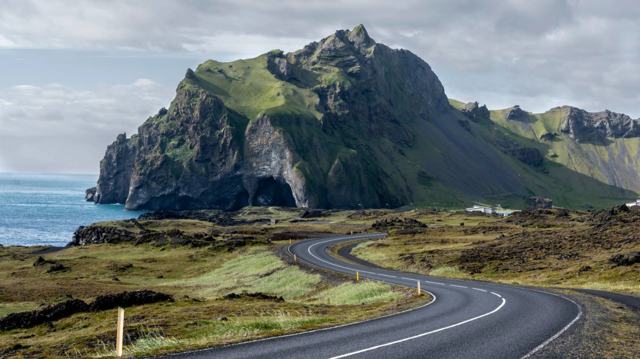
- Fishing and fish processing: Iceland has always lived from the sea, and its fisheries are known for being managed sustainably. The sector is still central to the economy, with work on boats and in processing plants in harbour towns such as the Westman Islands and around the coast.
- Aluminium and energy: smelting aluminium takes a great deal of electricity, and Iceland's cheap hydro and geothermal power is the reason the industry is here. There are three smelters, at Straumsvík, Grundartangi and Reyðarfjörður, producing mainly for export, along with energy and utility companies. They hire engineers, technicians and skilled trades.
- Tech, design and startups: a small but growing scene, mostly in Reykjavík, where English is often the working language.
- Health care, education and care work: public sector jobs, many of them needing Icelandic.

Job hunting: where to look for jobs
Iceland is a small country, which makes it easier to find the companies that match your skills. Start with a simple search on Google and LinkedIn to see who is hiring in your field. Remember that work in Iceland also includes summer jobs, seasonal contracts and internships, and these are often the easiest way in.
Jobs suitable for people who do not speak Icelandic are usually advertised in English or in both languages. These are the main places to search:
- Alfreð: Iceland's most widely used job app, with Icelandic and English listings
- Job.is and Störf: general job boards, some bilingual
- Tvinna: design, tech and data jobs
- Starfatorg and the Reykjavík City jobs portal: public sector jobs, mostly in Icelandic. Look here for work in schools, care homes, kindergartens and services for disabled people
- Vinnumálastofnun (the Directorate of Labour) and EURES: EURES lists European jobs in many languages, including jobs in Iceland
- Recruitment agencies such as Hagvangur, Intellecta, Ráðum and HH ráðgjöf. You register with them, and they match you to openings based on your skills. They often fill jobs at larger companies that are never advertised, and they also handle warehouse and general labour jobs
- Icelandic newspapers and news sites: the job pages of the main papers are online, so you can follow them from abroad
Tips for a successful application
Keep your CV short and clear, and write a cover letter for each job. Look at company websites and LinkedIn to see how Icelandic employers present themselves, and match that tone. List your education and experience with a plain description of what you actually did.
Networking matters. Many jobs are filled through people who already work at the company, and a recommendation from an employee or a senior person can make a real difference. Follow employers on social media and LinkedIn to learn how they work, and ask people you know in Iceland for introductions.
Think about where your skills fit. An artist or designer, for example, will find most galleries, studios and shops that show local work in Reykjavík, while guiding and hotel jobs are spread around the country. Be flexible about where you start.
Learning some Icelandic helps a lot, even if the job is in English. It opens more doors and makes everyday life easier. Our guide to the Icelandic language is a good start.

Your rights at work
Wages and conditions in Iceland are set by collective agreements between unions and employers. These set the minimum pay and rights for each sector, and your contract cannot offer less. Union fees are usually around 0.7–1% of salary.
Some key rights from the official Work in Iceland guide:
- A normal office week is 37.5 hours, with at least 11 hours of rest in every 24
- At least 24 working days of paid holiday a year
- Paid sick leave that grows the longer you work for the same employer
- Pension contributions of at least 4% from you and at least 8% from your employer, often 11.5%
- Overtime pay for work beyond your normal hours
Know the working and living conditions in Iceland
Be honest with yourself about the climate. Iceland is a cold country. Summers are cool, with chilly nights, winters are long and dark, and the weather changes fast. Think about your health and whether you can work in that, especially outdoors. Look at our daylight hours guide and winter packing list before you commit.
Food is another change. Traditional cooking is based on fish, lamb and dairy, but Icelanders eat all kinds of food, and supermarkets and restaurants cover most tastes. Much of it is imported, so expect higher prices than at home.
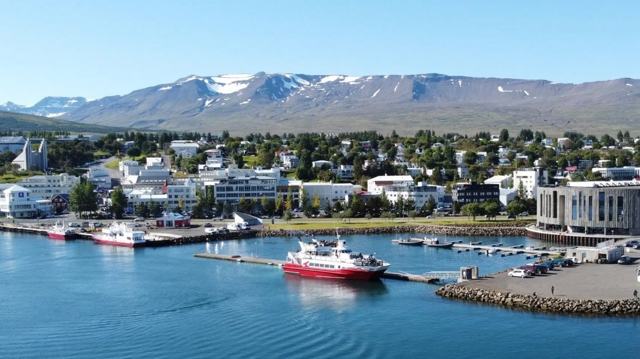
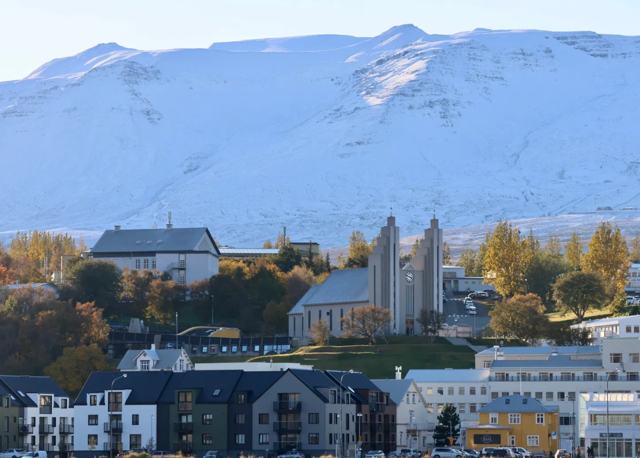
Housing is the other big challenge. Rents are high, especially in Reykjavík, and places go fast. Many seasonal jobs in the countryside include staff housing, which makes them easier to start with. Outside the capital, towns such as Akureyri and Húsavík have their own job markets, especially in tourism.
Getting around without a car can be hard outside the capital area. See our guide to public transport in Iceland.
Before you travel, read up on the rules and the work culture, and get your papers in order: passport, signed contract, diplomas and certificates, a criminal record check if your permit needs one, and a plan for where you will live in the first weeks.
Visit before you move
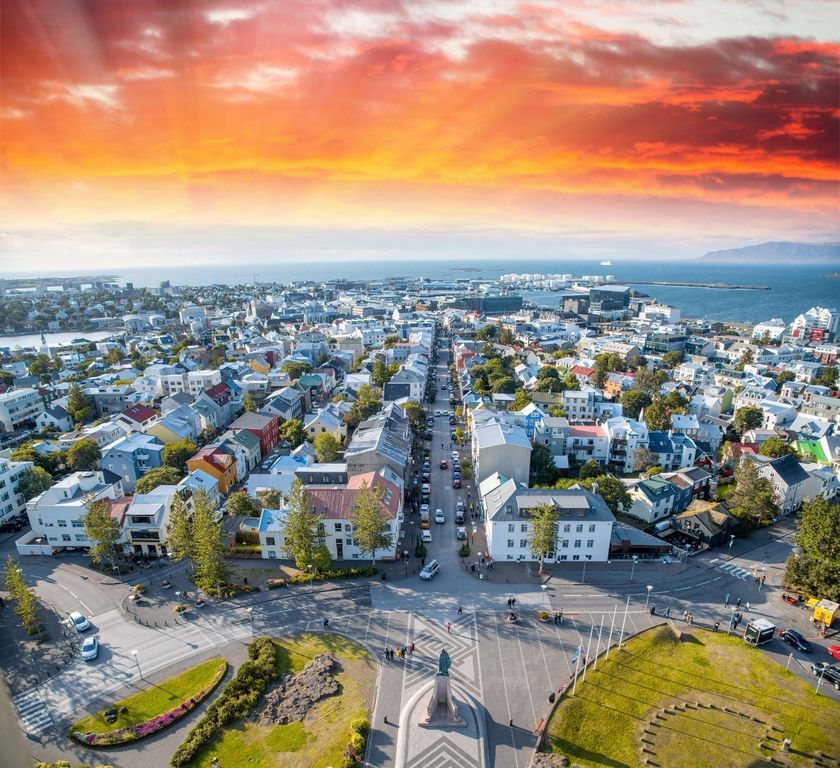
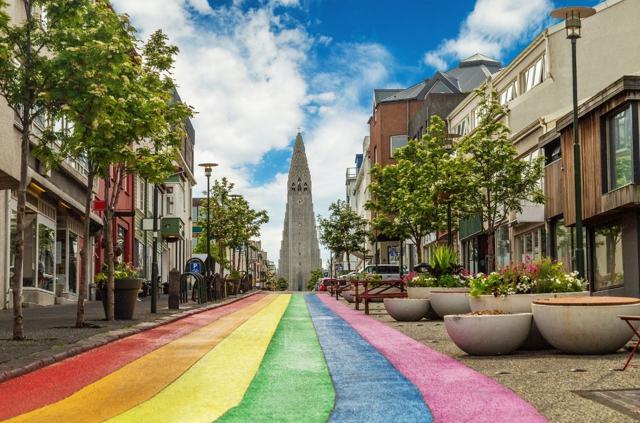
The best way to know if Iceland suits you is to spend some time here first. Walk around Reykjavík, drive the Golden Circle and see how you feel about the light, the weather and the pace of life. Our beginner's guide to Iceland covers the basics.
As a local travel agency in Iceland, we can help you plan a first trip with Reykjavík tours, Golden Circle tours or a longer tour package that shows you more of the country. A private Reykjavík walking tour is a good way to get to know the city you might live in.
- Private Reykjavik Walking Tour: see the neighbourhoods of the capital with a local guide.
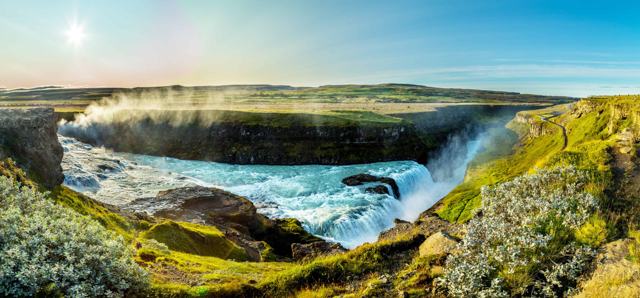
- Golden Circle Private Tour from Reykjavík: Þingvellir, Geysir and Gullfoss at your own pace, with time to ask a local about life here.
- Best of Iceland in 5 Days: a multi-day tour that shows you more of the country before you commit.
- 4 Day Iceland Tour Package: the Golden Circle, South Coast and Snæfellsnes in one trip.

Questions people ask
Can I work in Iceland without a work permit?
Yes, if you are a citizen of an EEA or EFTA country. You must register with Registers Iceland if you stay longer than three months. Most other nationals need a work permit and a residence permit.
Does Iceland have a working holiday visa?
Yes. Iceland has working holiday or youth mobility agreements with Andorra, Canada, Chile, Japan and the United Kingdom. Citizens of these countries can apply for a residence permit for working holiday.
Do I need to speak Icelandic to get a job in Iceland?
Not always. Many jobs in tourism, tech and startups use English. Public sector, health and care jobs often need Icelandic, and learning the language widens your options.
What is a kennitala?
It is the Icelandic ID number. You get one when you register with Registers Iceland, and you need it for a bank account, tax, a phone contract and most services.
Where are the best places to look for jobs in Iceland?
Alfreð, Job.is, Störf, Tvinna, Starfatorg, the Directorate of Labour and EURES, plus recruitment agencies such as Hagvangur, Intellecta and Ráðum.
What are the largest employment sectors in Iceland?
Tourism, fishing and fish processing, and aluminium production are the three big ones, followed by services, tech, health care and education.