Iceland Travel GuideLOCAL TRAVEL AGENCY IN ICELAND
My trip
Talk to a local
Iceland Travel GuideLOCAL TRAVEL AGENCY IN ICELAND
My trip
Talk to a local
Hellissandur is a small fishing village at the western end of the Snæfellsnes peninsula, known as the street art capital of Iceland for its large murals. It is about 200 km and 2.5–3 hours from Reykjavík, free to walk around, and close to Snæfellsjökull National Park. A stop takes 30–60 minutes.
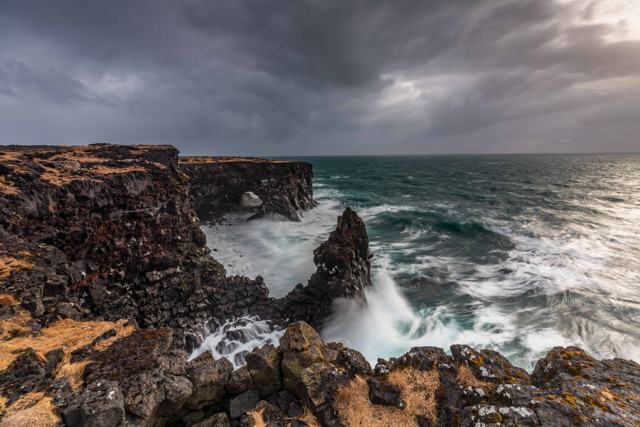
Hellissandur is a working fishing village of a few hundred people, on the north-west coast of Snæfellsnes. It has been a fishing base since at least the 16th century, and the harbour and low houses still show it.
The village became known for its murals in 2018, when local artist Kári Viðarsson invited artists from Iceland and abroad to paint the walls. Around thirty large works now cover walls and buildings, many on an old fish factory building near the shore. They draw on local stories, sagas and folklore, and on Jules Verne's Journey to the Center of the Earth, which begins at nearby Snæfellsjökull.
There is also a maritime museum in the village, which shows how people lived and fished on this exposed coast. Hellissandur is a useful base for the western end of the peninsula, with Snæfellsjökull National Park just outside.
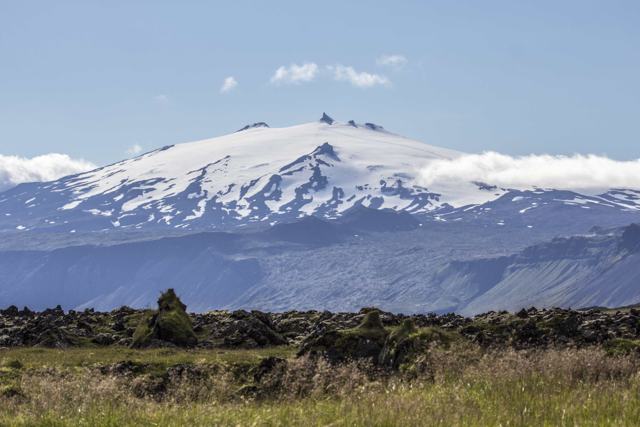
On a clear day the glacier-capped volcano Snæfellsjökull, 1,446 metres high, rises right behind the houses, with the open ocean on the other side. Snæfellsnes is often called "Iceland in miniature", and Hellissandur suits travellers who want a quieter stop with some culture alongside the scenery.
Hellissandur is one of Iceland's oldest fishing villages, with roots in the 16th century, and for a long time it was an important fishing station for the region. Fishing has shrunk in recent decades, and the village has become a quieter place that people visit for its history, its art and the nature around it.
The mural project began as a way of bringing life back to a village that had lost much of its fishing industry. Artists from Iceland and abroad, including several from Latin America, painted the works in 2018 and later.
Many murals show stories from the area, from sagas to the tale of Áxlar-Björn, an outlaw said to have killed travellers on the Snæfellsnes mountain roads. Others are inspired by the glacier and by Verne's novel.
The paintings show fishing boats, sea creatures, Viking legends and abstract designs that sit well against the sea and the glacier. New works are added and older ones fade or are painted over, so the walls are not quite the same from one visit to the next.
Winter weather on the peninsula can be windy and snowy. Check road conditions on umferdin.is.
The village is small and easy to cover on foot. These are the main stops.
Hellissandur is a handy base for the western end of the peninsula. All of these are within about 40 minutes by car.
The murals can be seen in any season. Bird life is best from May to August, and the glacier is most often visible on calm, clear days.
The village has a small maritime museum, the Snæfellsjökull National Park centre with a restaurant, a swimming pool, a campsite and a few places to eat and stay. Bigger services and fuel are in Ólafsvík and Grundarfjörður.
Hellissandur has a few small guesthouses, farm stays nearby and a campsite, which give a closer feel for village life. There are more guesthouses in Rif, and a wider choice of hotels and services in Ólafsvík and Grundarfjörður, both a short drive away.
Because of the large murals painted on its walls since 2018, with around thirty works spread through the village.
About 30–60 minutes for a walk around the murals. Add time for the maritime museum.
Yes, the murals are outdoors and free to see.
About 200 km, or 2.5–3 hours by car.
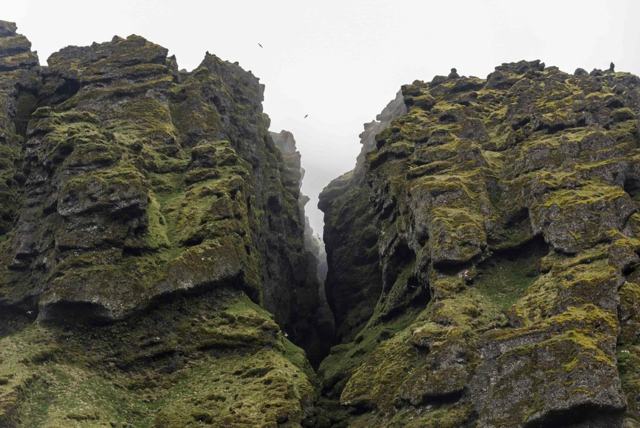
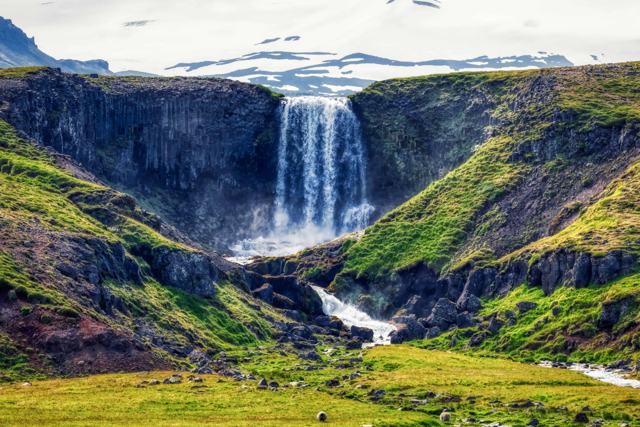
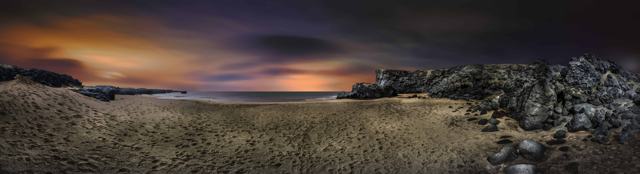
Snæfellsjökull National Park, Svörtuloft lighthouse, Skarðsvík beach, Svöðufoss waterfall and Djúpalónssandur beach are all within about 20 minutes. Rauðfeldsgjá gorge, Arnarstapi, Búðir and Kirkjufell are a little further.
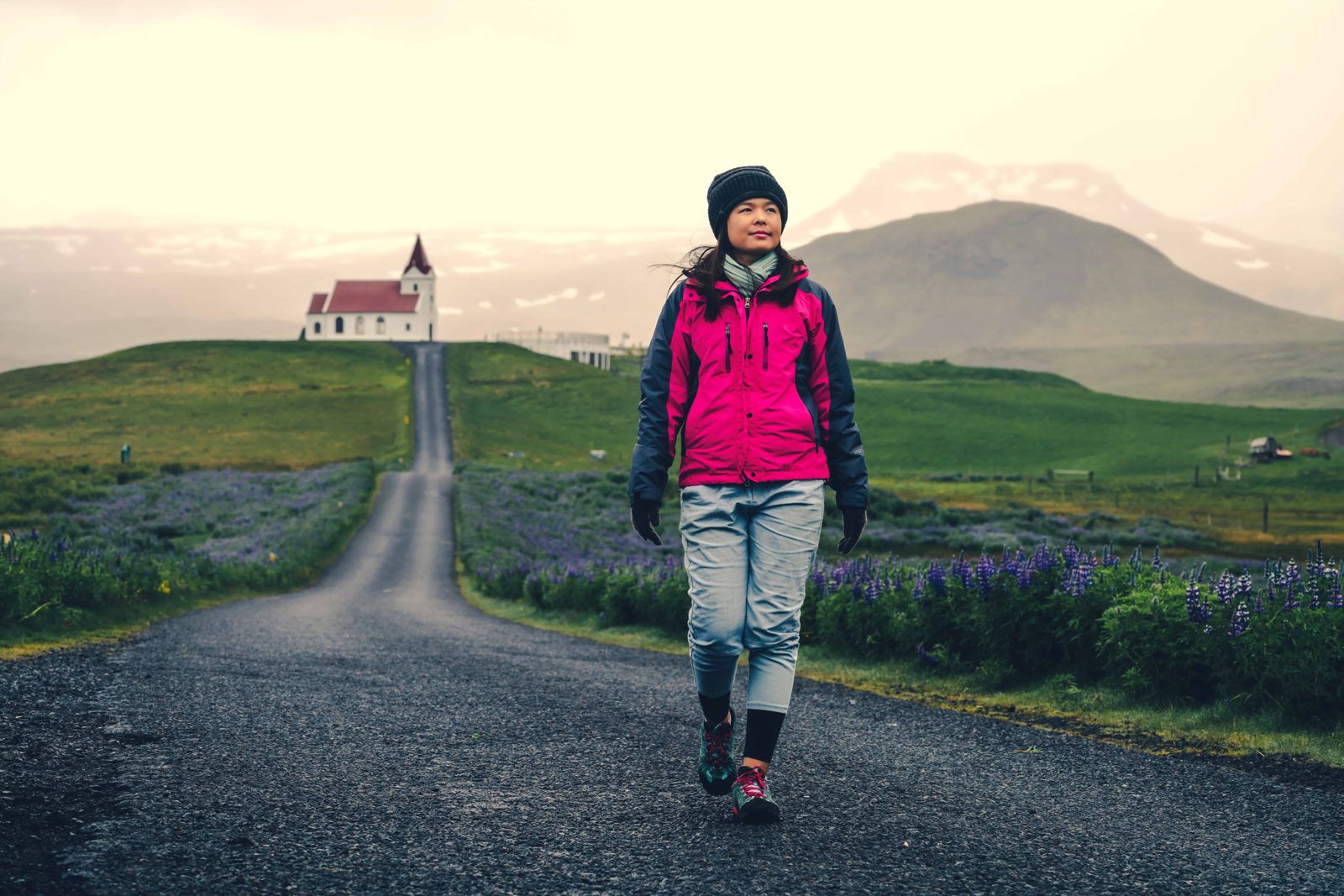
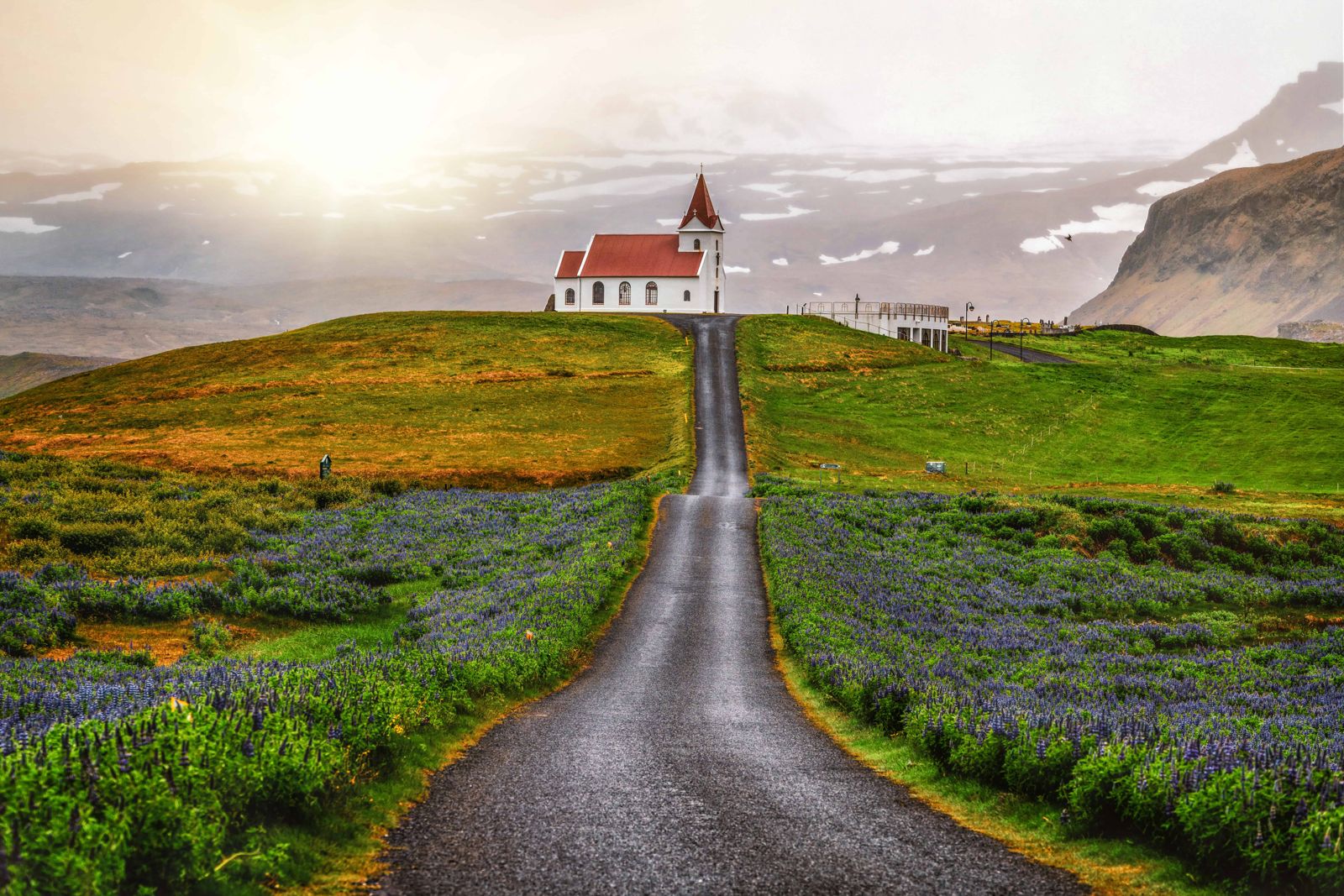
Walk the murals, visit the Maritime Museum and the National Park centre, see Ingjaldshóll church and watch the seabirds. It is also a good base for Snæfellsjökull National Park.
For a real Icelandic fishing village with an open-air gallery on its walls and easy access to the glacier, the coast and the national park, without the crowds of better-known stops.
There are a few guesthouses, farm stays and a campsite in and around the village, and more hotels in Ólafsvík and Grundarfjörður.