Iceland Travel GuideLOCAL TRAVEL AGENCY IN ICELAND
My trip
Talk to a local
Iceland Travel GuideLOCAL TRAVEL AGENCY IN ICELAND
My trip
Talk to a local
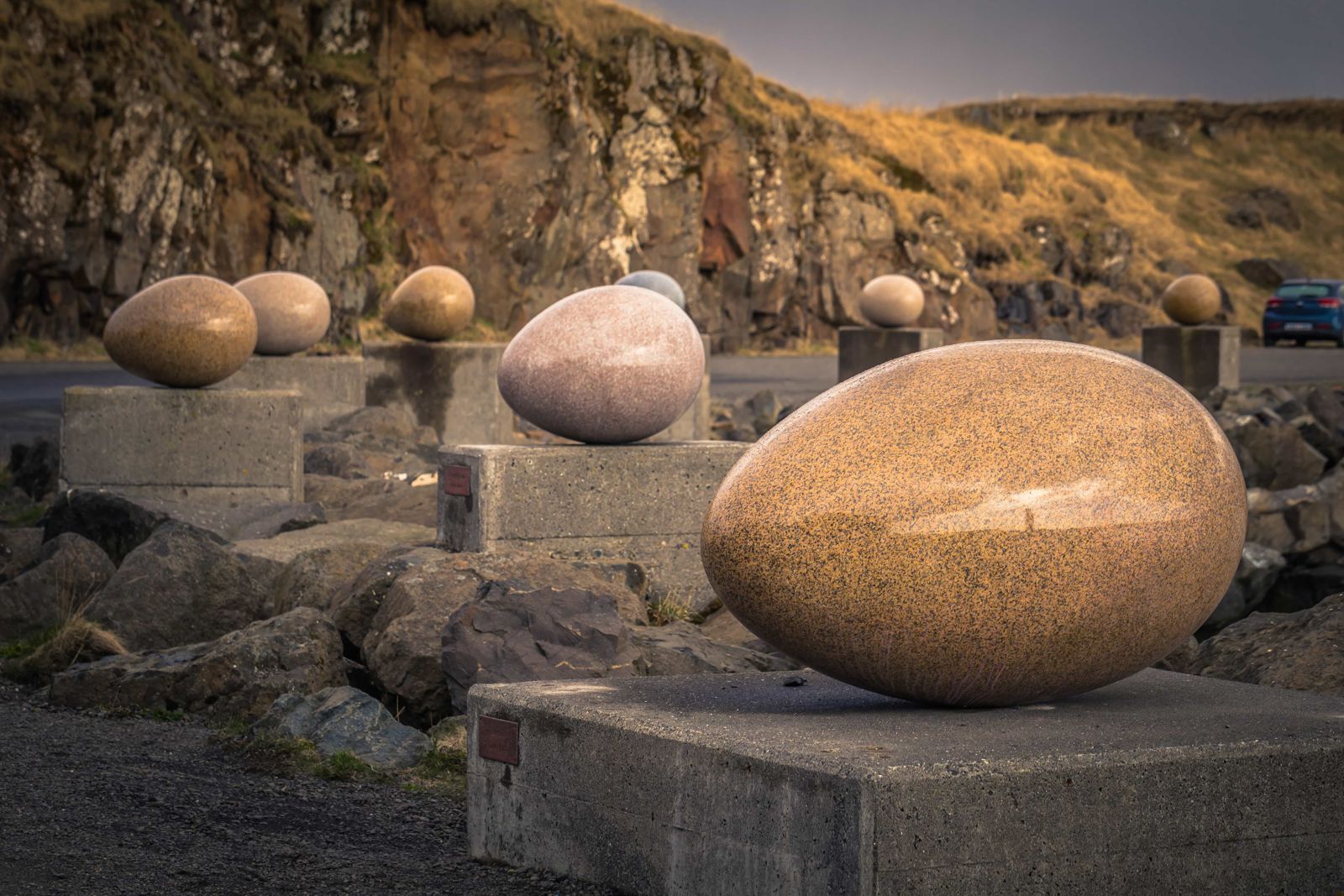
Djúpivogur is a small fishing village on a headland in East Iceland, about 570 km (around 6.5–7 hours) from Reykjavík by road. It is known for the Eggin í Gleðivík egg sculptures on the harbour, the old timber trading houses of Langabúð, and boat trips to Papey island. There is no entrance fee to the village itself, it is open all year, and most people spend a few hours here on their way around the Ring Road.
Djúpivogur is a fishing village of around 400 people on the Búlandsnes peninsula, between the fjords Berufjörður and Hamarsfjörður. It sits roughly halfway between Höfn and Egilsstaðir, just off the Ring Road, which makes it a natural break on the long drive through the East Fjords.
Djúpivogur grew up around a trading harbour that has been in use since at least the 16th century, when German and later Danish merchants worked out of the bay. That history is still visible in Langabúð, a row of timber buildings by the harbour that now house a small museum, an art collection and a café. The village itself calls itself a Cittaslow town, part of an international network of small towns that promote a slower pace of life, and it feels that way: quiet streets, a working harbour, and mountains close on every side.
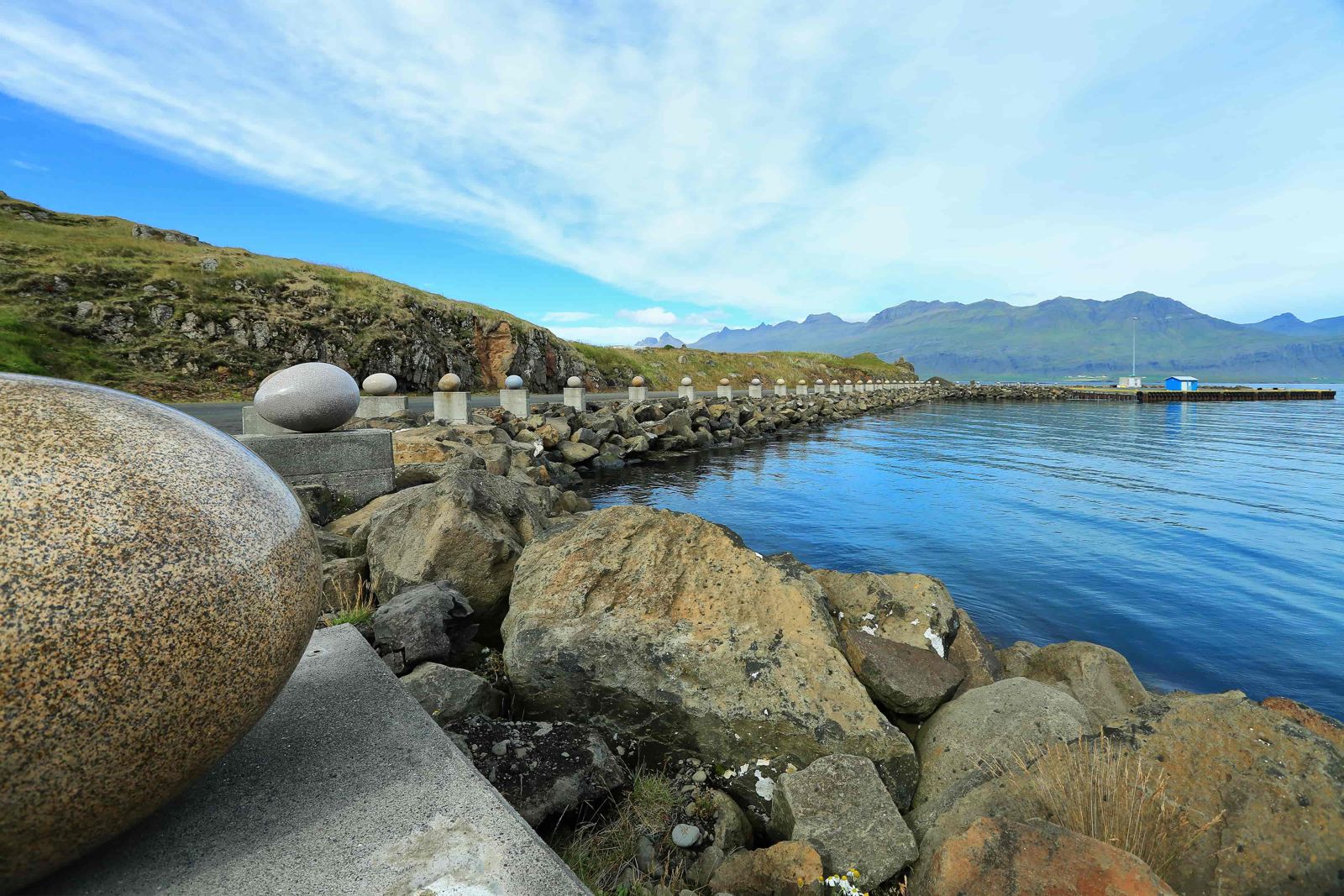
The best-known sight is Eggin í Gleðivík, 34 granite eggs lined up along the shore by the artist Sigurður Guðmundsson, each one modelled on the egg of a bird species that breeds in the area. Behind the village rises Búlandstindur, a pyramid-shaped mountain that is a local landmark and, according to folklore, a place of special energy. In summer, boats run out to Papey, an uninhabited island with a colony of puffins and one of Iceland's oldest wooden churches.
What you get here is the slower, quieter side of Iceland: a working harbour where the boats still land their catch, art along the shore, wetlands full of birds a short walk from the houses, and far fewer visitors than on the south coast. It is a good place to stretch your legs for an hour or two, and a better one to stay the night.
Djúpivogur's harbour has drawn traders for centuries. A Hanseatic and later Danish trading post operated here from the 1500s, and the village became the main trading place for this part of East Iceland, where fish, wool and farm produce were exchanged for imported goods. Fishing and farming families in the surrounding fjords depended on this harbour long before a road connected the area to the rest of the country.
Langabúð is the oldest house in the village and one of the oldest timber buildings still standing in Iceland. The south end was built as a warehouse in 1790 and the northern part was added in 1850. Today it holds a local heritage collection, a museum of the work of the sculptor Ríkarður Jónsson, who was born in the area, and a room about the politician Eysteinn Jónsson, along with a café.
One of the village's better-known residents was Hans Jónatan, a man born into slavery in the Danish West Indies who escaped from Copenhagen, settled in Djúpivogur in the early 1800s and worked at the trading station. He is remembered as one of the first people of colour to live in Iceland.
In recent years the village has leaned into that unhurried history by joining Cittaslow, a network of small towns built around local food, craft and community rather than speed and scale. The egg sculptures at Gleðivík, finished by sculptor Sigurður Guðmundsson, are the clearest expression of that: a quiet, thoughtful piece of public art rather than a big single attraction.
This is one of the furthest points on a Ring Road trip from Reykjavík. Most visitors reach it as part of a multi-day loop rather than a day trip, staying overnight in the East before continuing north or back west.
The village is small enough to cover on foot. These are the stops worth your time, roughly in the order most people do them.
Djúpivogur is a handy base for the southern East Fjords.
The drive along the coast in either direction is the main attraction: the road follows the shoreline around Berufjörður and Hamarsfjörður, with steep mountains on one side and the sea on the other, and small fishing villages spaced along the way. Allow more time than the distance suggests, because the road winds around every fjord.
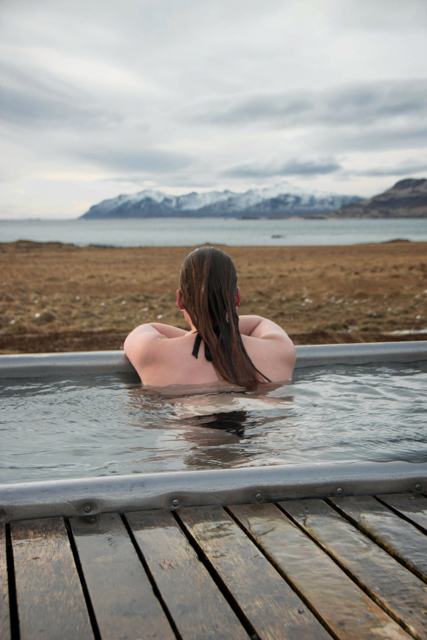
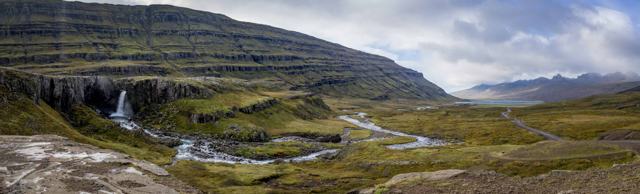
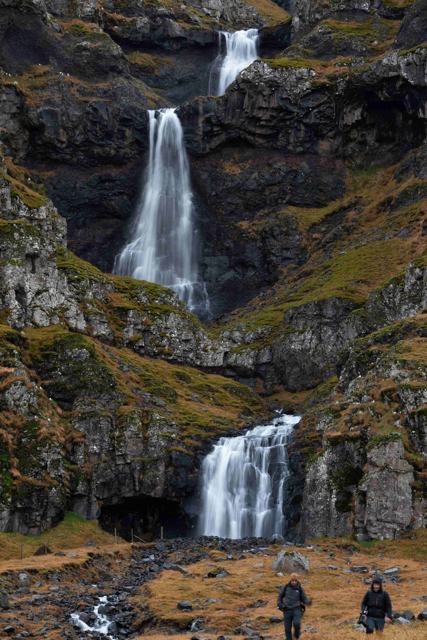
Close to the village are several short stops. <a href="/locations/djupavogskorin-hot-springs/">Djúpavogskörin</a> is a small natural hot tub just south of the village. <a href="/locations/sveinstekksfoss-waterfall/">Sveinstekksfoss</a> is a waterfall a few minutes off the Ring Road at the head of Berufjörður, and <a href="/locations/folaldafoss/">Folaldafoss</a> sits beside the Öxi mountain road (Route 939), the summer shortcut to Egilsstaðir. Öxi is a steep gravel road that is closed in winter and often foggy, so check umferdin.is before taking it.
Further north, <a href="/locations/egilsstadir/">Egilsstaðir</a> is the main service town of the East and the starting point for <a href="/locations/hengifoss-waterfall/">Hengifoss</a>, one of the tallest waterfalls in Iceland. The Stórurð hike and <a href="/locations/seydisfjordur-village/">Seyðisfjörður</a> are both a longer day out from here and are easier to reach from an overnight stop in Egilsstaðir.
The village has a petrol station, a supermarket, a hotel, guesthouses and a handful of cafés and restaurants, including the café at Langabúð. Public toilets are available near the harbour.
Djúpivogur has a hotel by the harbour with its own restaurant, several guesthouses, self-catering cottages and apartments, and a campsite in the village, making it a good overnight stop for anyone driving the East Iceland stretch of the Ring Road. There are also cottages and farm stays in the surrounding countryside. Book ahead in summer, as there are not many beds.
Yes, if you are driving the Ring Road through East Iceland. The egg sculptures, the old trading houses and the option of a boat trip to Papey make it a good break from driving.
About 570 km, around 6.5–7 hours by car via the south coast. Most people visit as part of a multi-day Ring Road trip, not a day trip.
Boat trips to Papey have traditionally run from the harbour in summer, weather permitting. Sailings do not run every year, so check locally before you plan around one.
Yes. There is a hotel, guesthouses and a few cafés and restaurants, including the café inside Langabúð by the harbour.
On the Búlandsnes peninsula in East Iceland, between Berufjörður and Hamarsfjörður, about halfway between Höfn and Egilsstaðir and just off the Ring Road.
See the Eggin í Gleðivík egg sculptures, visit the Langabúð museum and café, walk the harbour, go birdwatching on Búlandsnes, and in summer hike Búlandstindur if you are an experienced walker.
Yes, in summer. It is a steep and demanding climb to 1,069 m, so go in good weather with proper boots and layers, and ask locally about the route first.
Tours and trips that include Djúpivogur, booked directly with a local travel agency in Iceland.
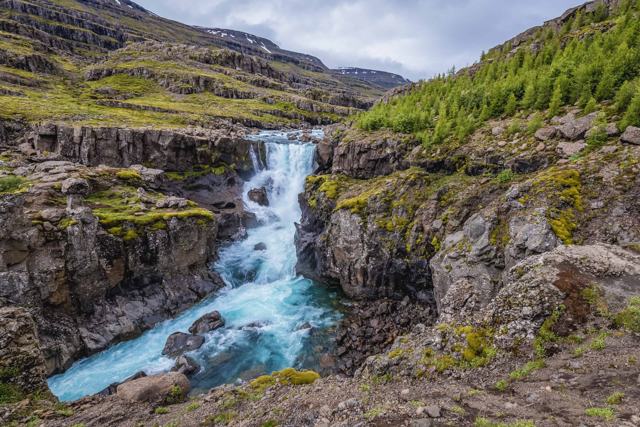 SHORE EXCURSIONValleys & Waterfalls in East IcelandFrom 42,000 ISK per person
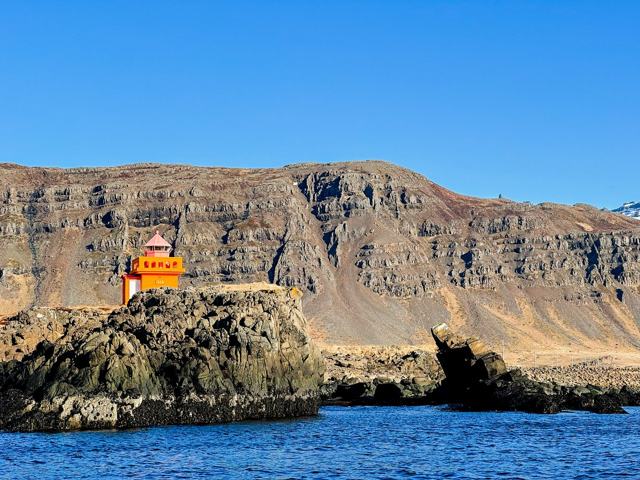 DAY TOURDjúpivogur Wildlife Tour by BoatFrom 32,990 ISK per person
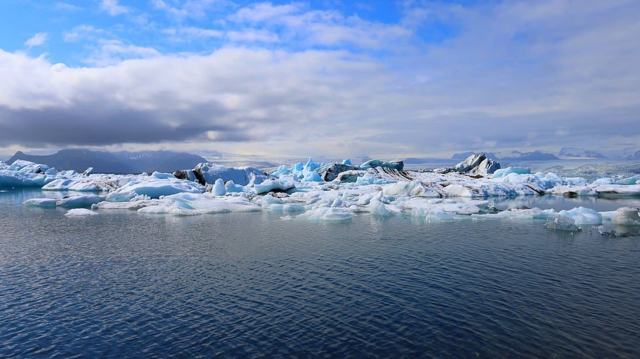 PRIVATEPrivate Tour from Djúpivogur to Jökulsárlón Glacier LagoonFrom 211,176 ISK per group
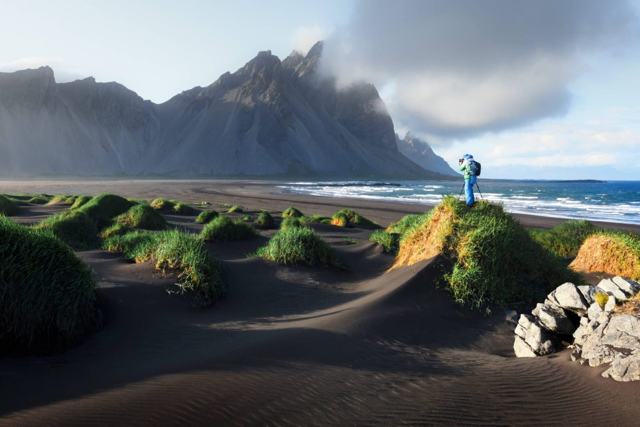 PRIVATEPrivate Eastfjord Tour from DjúpivogurFrom 211,176 ISK per group
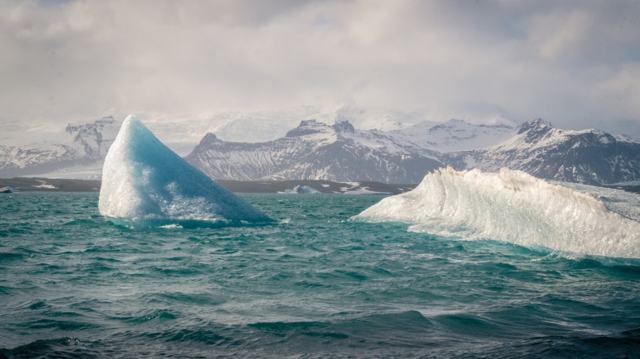 SHORE EXCURSIONGlacier Lagoon & Diamond Beach Tour From Djúpivogur PortFrom 29,990 ISK per person
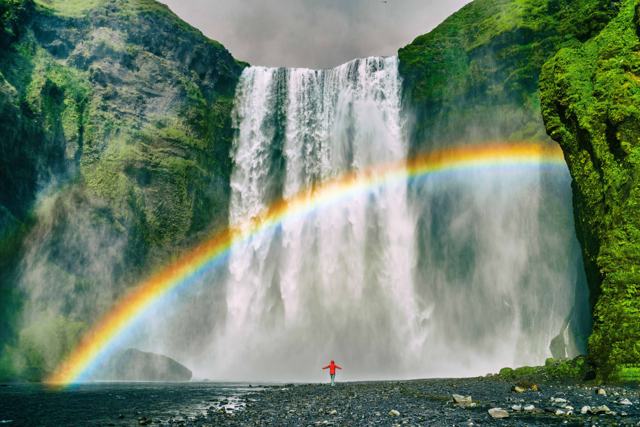 MULTI-DAY6 Day Iceland Ring Road Tour in SummerFrom 277,119 ISK per person