Iceland Travel Guide logo Iceland Travel GuideLOCAL TRAVEL AGENCY IN ICELAND My trip Talk to a local
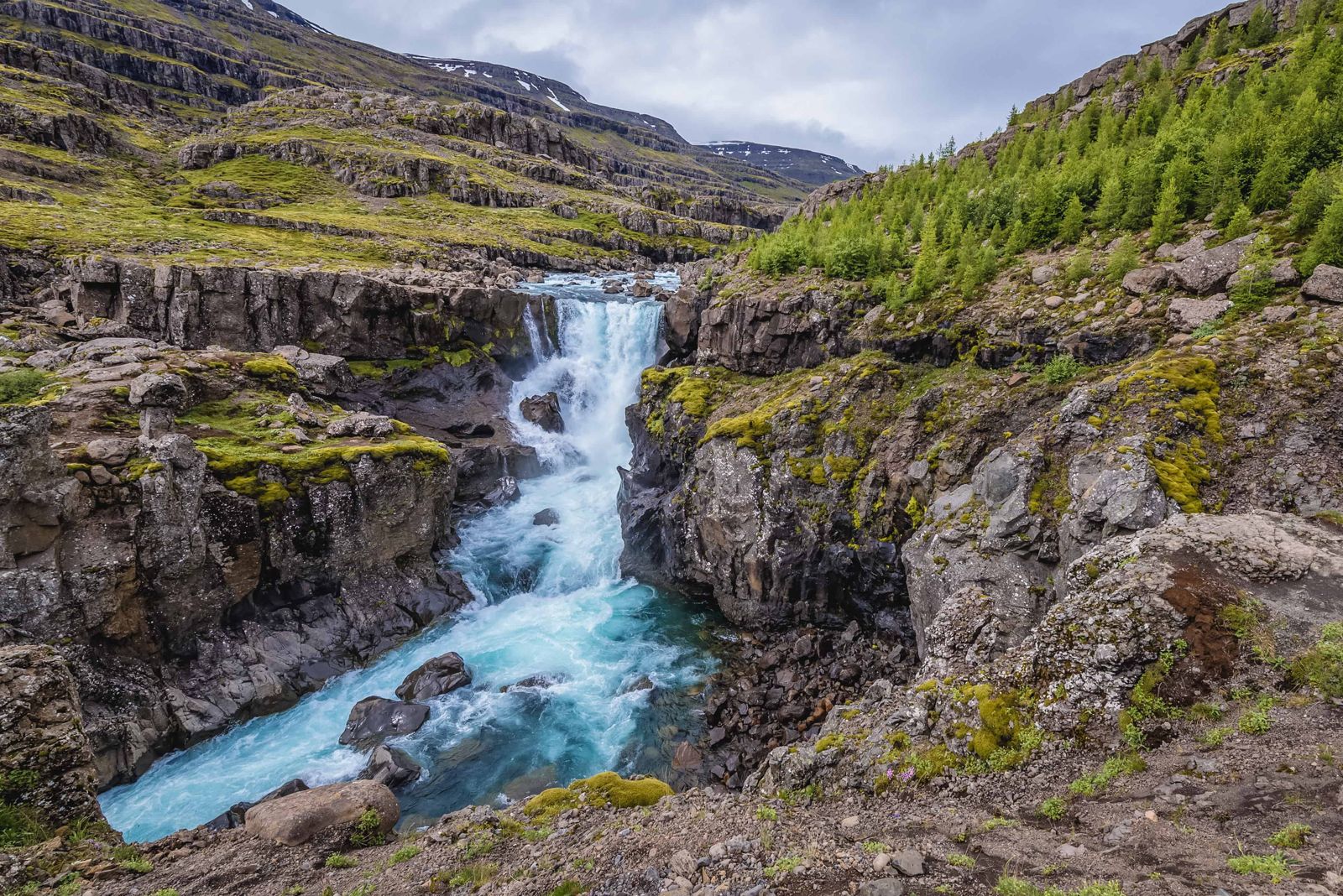
Sveinstekksfoss waterfall

East IcelandWaterfallFree entryGravel road
SVEINSTEKKSFOSS IN SHORT

Sveinstekksfoss, also called Nykurhylsfoss, is a 15-metre waterfall on the Fossá river in the Fossárdalur valley, about 15 km from Djúpivogur in East Iceland. It is free to visit, quiet, and reached by a short gravel road and a walk of a few hundred metres. Allow 30–45 minutes.

ON THIS PAGE
Quick factsHistoryGetting thereWaterfallsBest time to visitSafety tipsFacilitiesMapNearbyWhere to stayFAQ

About Sveinstekksfoss

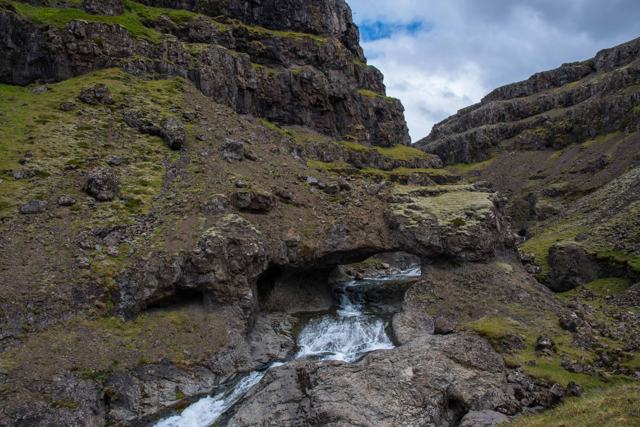
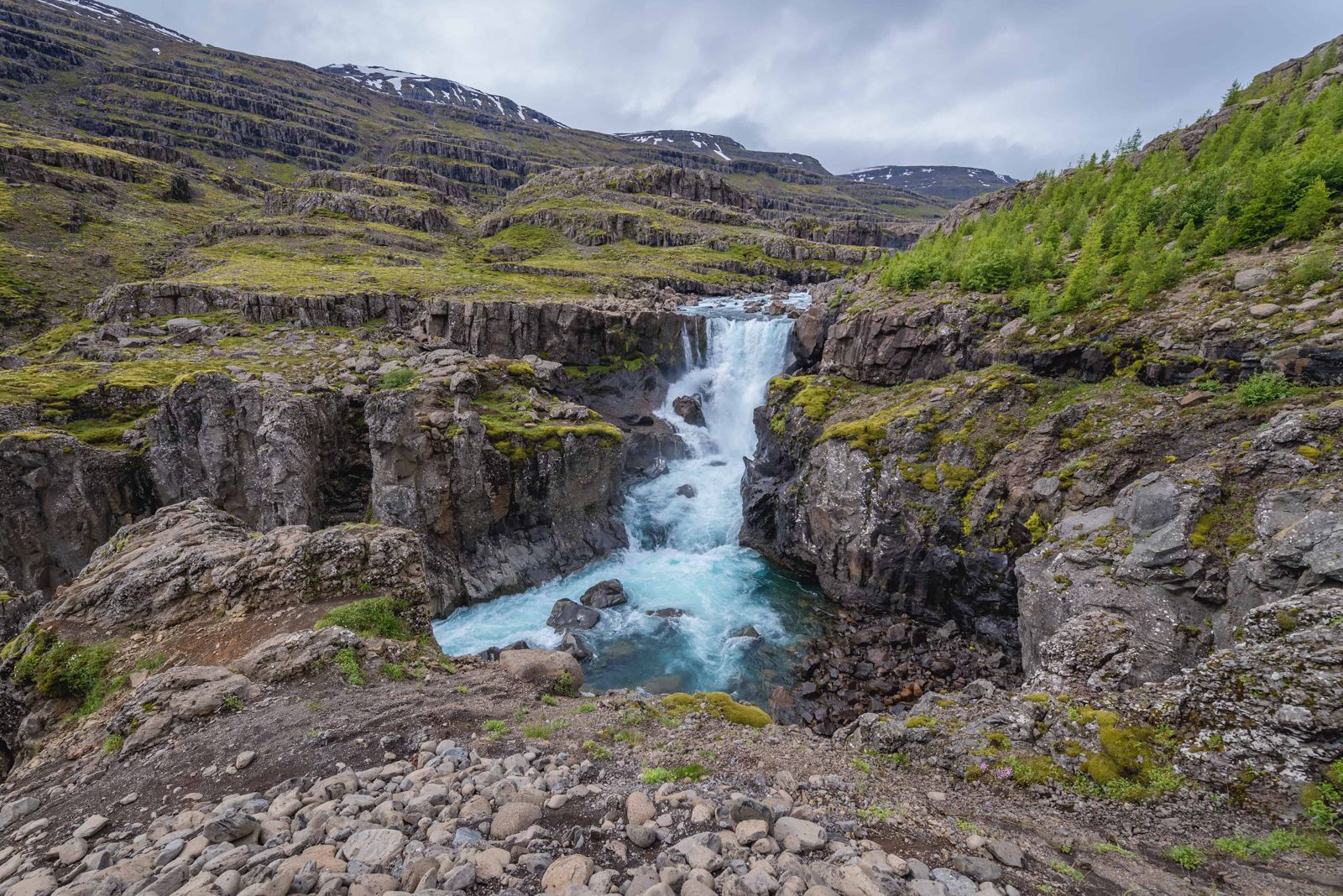
Sveinstekksfoss drops about 15 metres into a narrow gorge of dark, layered basalt, softened with moss. It is the lowest waterfall on the Fossá river, just before the river reaches the sea. The gorge twists, so from the viewing area at the rim you see the fall from above rather than from the water's edge.

There are few visitors here compared with the famous falls of the south coast. It is a good stop on the Ring Road for anyone who wants a quiet waterfall and some easy walking.

Fossárdalur means 'waterfall valley', and there are several more falls further up the Fossá. A hike of about an hour upriver leads to Múlafoss, and others are found along the trail.

Quick facts

HeightAbout 15 m
RiverFossá, in Fossárdalur valley
Other namesNykurhylsfoss, Fossárfoss
From DjúpivogurAbout 15 km on Route 1 toward Egilsstaðir, then a gravel road
RoadTurn off the Ring Road onto the gravel road towards Eyjólfsstaðir
WalkA few hundred metres from the parking area
EntryFree, open all day
ParkingFree, a small area by the road
Time needed30–45 minutes

The water horse of the pool

Below the fall lies a deep pool called Nykurhylur. According to local folklore, a water horse, a nykur, once lived there, which is why the fall is also known as Nykurhylsfoss.

The story says the nykur vanished from the pool after baptismal water was poured into the river. Icelandic water horses were said to lure people onto their backs and drag them into the water, so parents told the tale to keep children away from the edge.

How to get to Sveinstekksfoss

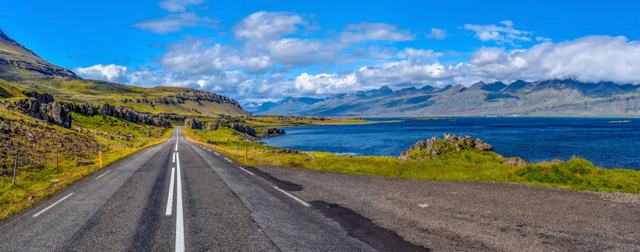
By carFrom Djúpivogur, drive about 15 km on the Ring Road (Route 1) along Berufjörður towards Egilsstaðir until you reach the Fossá river. There, turn left onto the gravel road signed Eyjólfsstaðir. The road climbs a short, steep hill and then bends sharply to the right, and the waterfall is beside that bend. Most people park before the hill and walk the last few hundred metres to the rim of the gorge. It is an easy walk.
By public transportThere is no public transport to the waterfall. A car is needed.
On a guided tourFew tours stop here. It is an easy detour if you are driving the Ring Road yourself.

The gravel road is fine for ordinary cars in dry weather, but drive slowly, and take care after heavy rain or snow.

The waterfalls of Fossárdalur

The Fossá drops through a whole series of falls on its way down the valley, which is how Fossárdalur, the waterfall valley, got its name. Sveinstekksfoss is the last of them before the river meets the sea in Berufjörður, and that is why it is also called Fossárfoss.

SveinstekksfossThe lowest fall, about 15 metres high. The gorge twists, so you cannot see the fall from river level. You look down on it from the rim of the canyon, with white water against dark, layered basalt.
StekkásfossA small waterfall in the same valley, worth a look if you walk on from Sveinstekksfoss.
MúlafossFollow the Fossá upstream for about an hour and you reach Múlafoss, another fall higher up the valley.
The end of the trailIf you keep following the river, the trail ends at two or more waterfalls that have no names on the map.

The valley road continues about 4 km past Sveinstekksfoss to the guesthouse at Eyjólfsstaðir and the Fossárdalur campsite, which make a good base for the walk upriver. Keep back from the edge of the gorge and watch your footing.

Best time to visit Sveinstekksfoss

Summer (June–August)Green moss, easy road and long days. The best time to visit.
Winter (November–March)Ice on the rocks and a possible frozen fall. The gravel road and paths can be icy, and daylight is short.

Safety and practical tips

  • Stay well back from the edge. The gorge sides are steep and slippery with moss.
  • Do not try to climb down into the gorge.
  • Wear sturdy shoes. The path can be wet.
  • Check road conditions on umferdin.is in winter.
  • Bring a picnic, as there are no services near the waterfall.
  • Bring a camera. The white water against the dark basalt photographs well, and you will often have the viewpoint to yourself.

Facilities and accessibility

There are no facilities at the waterfall. Guesthouse Eyjólfsstaðir and a campsite are in the valley, about 4 km further on. Djúpivogur has shops, a fuel station and cafés.

On the map

Open in Google Maps →

Nearby places worth a stop

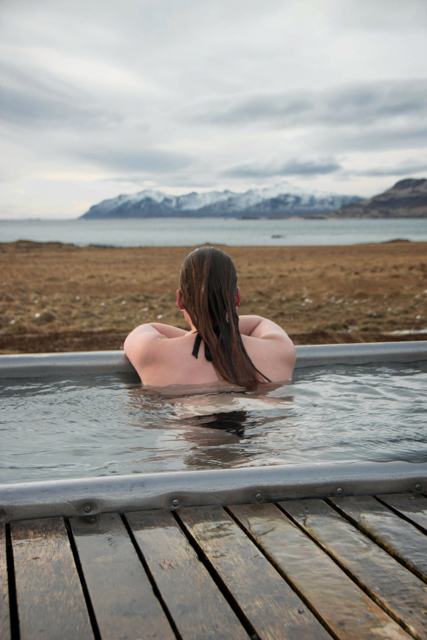
DjúpivogurDjúpivogurSmall harbour town, about 15 kmDjúpavogskörinDjúpavogskörinSeaside hot tubs near DjúpivogurStöðvarfjörðurStöðvarfjörðurVillage with Petra's Stone CollectionEgilsstaðirEgilsstaðirMain town of East IcelandHöfnHöfnTown to the south, gateway to VatnajökullFáskrúðsfjörðurFáskrúðsfjörðurVillage with French heritageHænubrekkufossHænubrekkufossThree-step waterfall on the Öxi road, at the head of BerufjörðurFolaldafossFolaldafossRoadside waterfall on the Öxi road

Where to stay near Sveinstekksfoss

Djúpivogur has guesthouses, a hotel and a campsite. Guesthouse Eyjólfsstaðir and a campsite sit in Fossárdalur itself, for a quieter stay.

Sveinstekksfoss FAQ

How high is Sveinstekksfoss?

About 15 metres.

Is there an entrance fee?

No. It is free to visit, and there is no parking fee that we know of.

How do I get there from Djúpivogur?

Drive about 15 km along Route 1 towards Egilsstaðir, turn onto the gravel road to Eyjólfsstaðir, and walk a few hundred metres.

Why is it also called Nykurhylsfoss?

After the nykur, a water horse in Icelandic folklore said to have lived in the pool below.

Can I see other waterfalls in the valley?

Yes. A walk of about an hour upriver leads to Múlafoss, and there are other falls along the trail.

Why is it also called Fossárfoss?

Because it is the waterfall where the Fossá river makes its last drop before the sea. Locally it is also known as Nykurhylsfoss, after the pool below it.
More places in East IcelandWaterfalls in Iceland