Iceland Travel GuideLOCAL TRAVEL AGENCY IN ICELAND
My trip
Talk to a local
Iceland Travel GuideLOCAL TRAVEL AGENCY IN ICELAND
My trip
Talk to a local

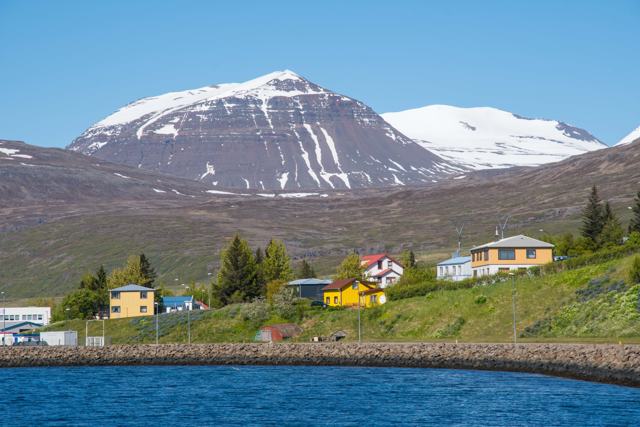
Fáskrúðsfjörður is a small fishing village in the Eastfjords of Iceland, known for its French history and French street signs. It is about 50 km from Egilsstaðir and well over 600 km from Reykjavík. The village is free to walk around, the French museum is open in summer, and a few hours is enough.
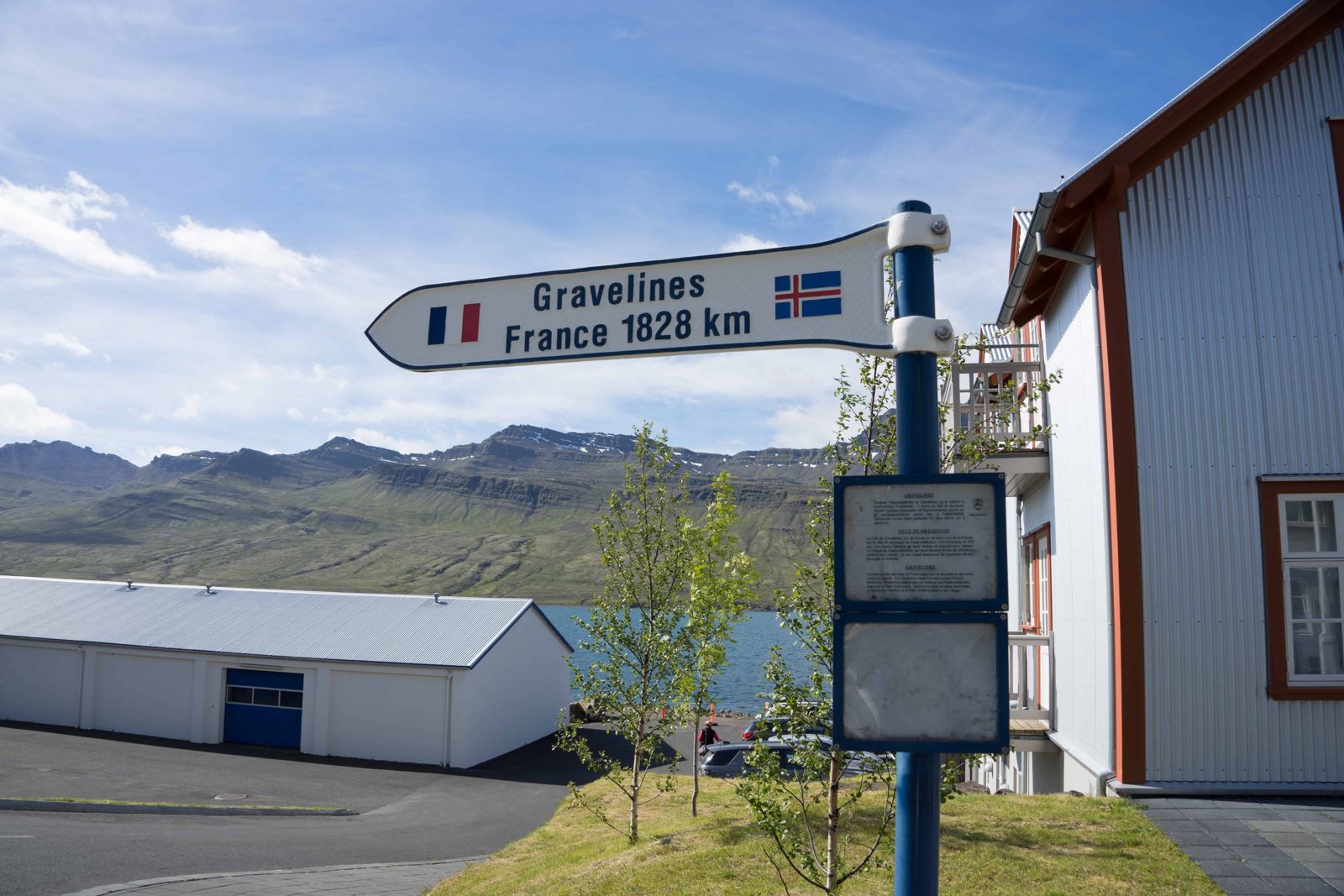
French fishermen came to Iceland's coast for centuries to fish for cod, and from about 1880 until the 1930s Fáskrúðsfjörður was their main base in the east. At the height of the fishing seasons thousands of French sailors passed through. The village still remembers them: street names are shown in French as well as Icelandic, and the town has a twinning link with Gravelines in northern France, where many of the ships sailed from.
The main sight is the old French hospital, built in the early 1900s. It has been restored and now houses a hotel and restaurant together with the French museum, which tells the story of the fishermen and the people who cared for them. Outside the village there is a graveyard for French and Belgian sailors who died here, and a memorial to the polar explorer Jean-Baptiste Charcot.
Around the village you can walk along the shore and up the slopes, with views over the fjord. In summer, puffins and other seabirds nest on Skrúður island just off the coast. The island is hard to land on, so most people just enjoy the view from the mainland or take a local boat trip if one is running.
The village itself is officially called Búðir, but everyone uses the name of the fjord. The fjord lies between the headlands of Vattarnes and Hafnarnes, and its name is linked to the island of Skrúður off its mouth. At the head of the fjord there is a sheltered valley with birch woodland, which is unusual for the Eastfjords.
French cod fishing around Iceland goes back to the 1500s, but the fleets grew large in the 19th century. Fáskrúðsfjörður became a trading post in 1880 and then the base for French ships on the east coast. France built a hospital, a chapel and other buildings here to look after its sailors, and many men who died at sea or in illness were buried in the village graveyard.
The French presence faded in the early 20th century as the fishing changed. The buildings were restored between about 2010 and 2014, and the old hospital was given a new life as a museum and hotel. Each summer the village still holds a French festival, with music, food and games such as pétanque.
The fjord has been connected to the neighbouring villages by tunnel for years, so the drive is much easier than the old mountain roads. In winter, check road conditions on umferdin.is before you set out.
The French history is the main reason to stop, but the fjord has good short walks too.
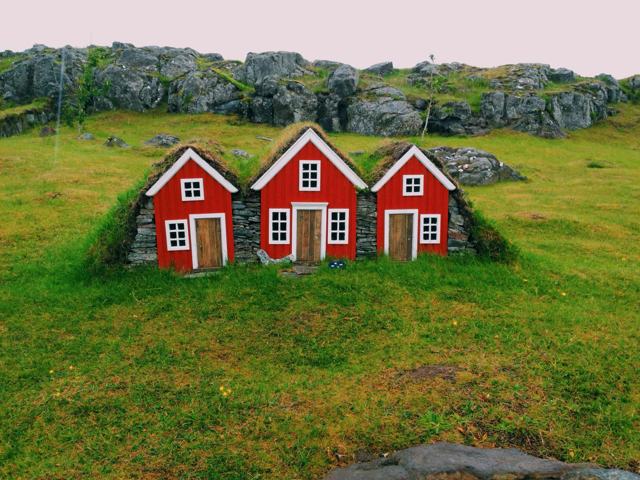
Other Eastfjords villages are close enough to combine in a day or two: Reyðarfjörður, Eskifjörður and Seyðisfjörður to the north, and Borgarfjörður eystri, about 120 km away, for puffins, hiking and elf stories.
Museum opening dates change, so check them before you visit.
The village has a hotel and restaurant in the old French hospital, a campsite, a couple of cafés, a swimming pool and a shop. Fuel is available in the village. There is a visitor information point in the centre.
You can stay in the village itself, including in the old French hospital, and there are guesthouses and campsites around the Eastfjords. Egilsstaðir has the widest choice of hotels, guesthouses and restaurants if you want a base for the whole east coast.
French fishermen used the village as their base for cod fishing from about 1880 into the early 20th century. The signs are a tribute to that history and to the village's link with the French town of Gravelines.
Yes, if you like local history. It is in the restored French hospital and tells the story of the fishermen, the hospital and the graveyard. It is small, so about an hour is enough.
Well over 600 km by road, roughly 8 to 9 hours of driving. Most people reach it as part of a Ring Road trip and stay overnight in the east.
A few hours is enough to see the village, the museum and the graveyard. Stay overnight if you want to walk in the fjord or attend the French festival.
Puffins nest on Skrúður island in summer, and you may see them from the coast. The island is not easy to visit, so a local boat trip is the best option if one is offered.