Iceland Travel GuideLOCAL TRAVEL AGENCY IN ICELAND
My trip
Talk to a local
Iceland Travel GuideLOCAL TRAVEL AGENCY IN ICELAND
My trip
Talk to a local
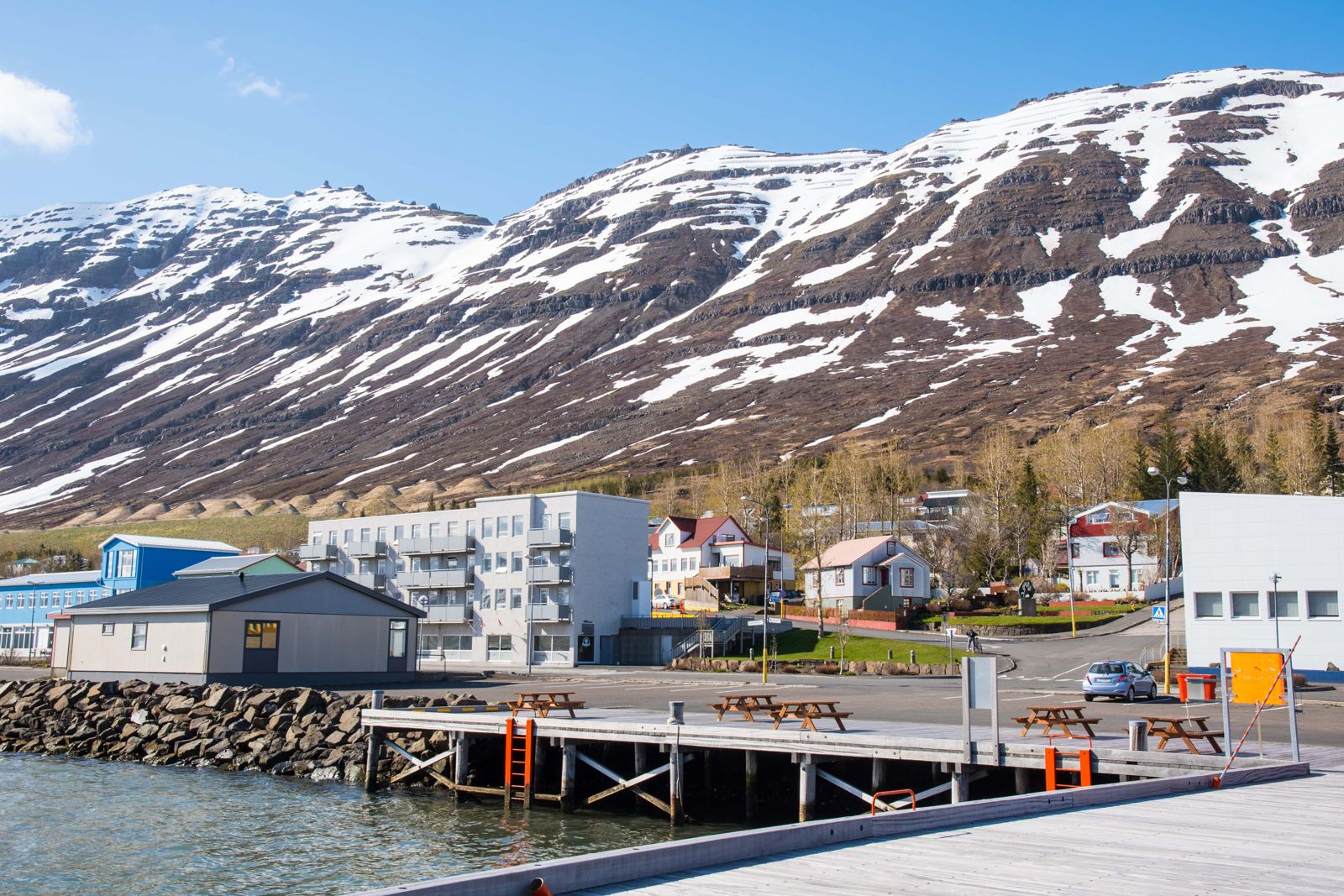
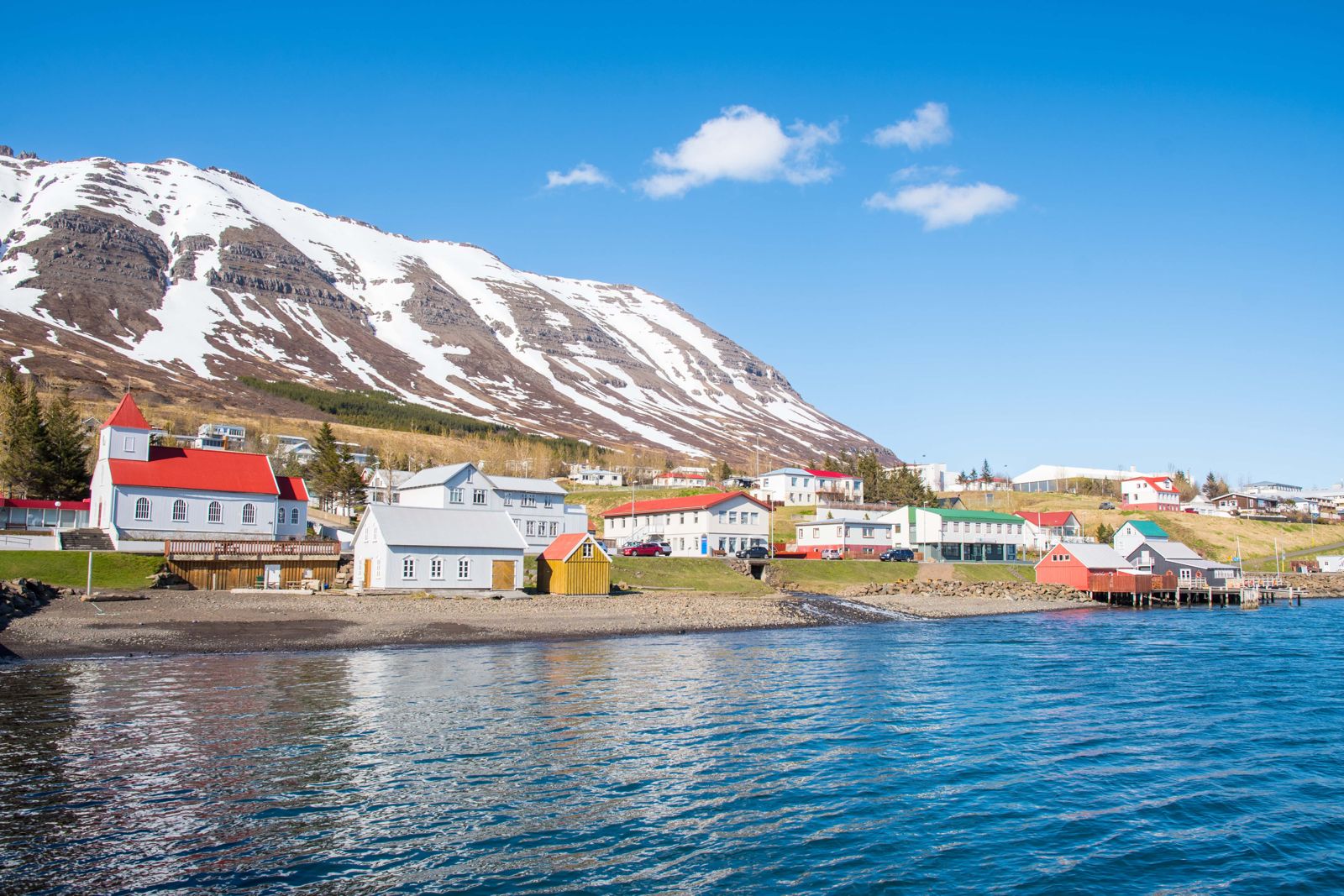
Neskaupstaður is a fishing town of around 1,500 people on the Norðfjörður fjord in East Iceland, at the end of the road through the Norðfjarðargöng tunnel. It is roughly 700 km from Reykjavík, so most visitors come on an East Iceland road trip. The town is free to walk around, and a few hours is enough for the museum, the harbour and a short hike.
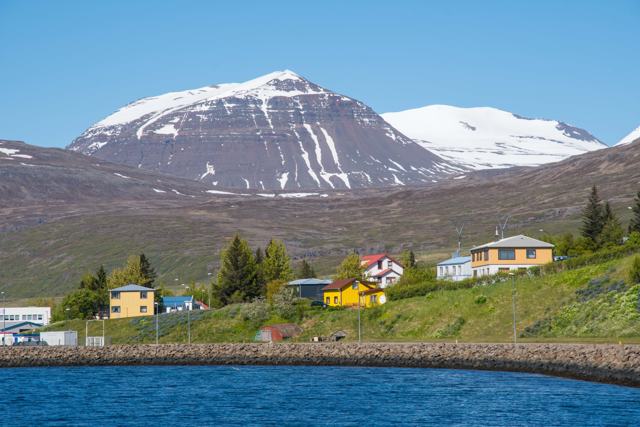
Neskaupstaður sits at the foot of steep mountains on the north side of Norðfjörður, with the fjord on one side and high peaks on the other. It is the easternmost town in Iceland and one of the largest in East Iceland, with a hospital, shops, restaurants and a swimming pool, which makes it a useful stop as well as a scenic one. Fishing is the main industry, and Síldarvinnslan, one of the largest fishing companies in the country, has its headquarters here.
The town has a strong cultural side for its size. Safnahúsið, the museum house by the harbour, holds natural history, maritime and art collections, including work by the local painter Tryggvi Ólafsson. In early summer the town hosts Eistnaflug, a metal and punk festival that is one of the best known music events in the east.
For a walk, follow the paths under the Norðfjarðarnípa cliff, or hike to Páskahellir (Easter Cave), a cave with plenty of local legend attached to it. Check the route and conditions locally first, as mountain weather in the east changes quickly.
The town began on the farm Nes, which according to the old sources was settled by Egill rauði (Egill the Red). The name means roughly “the town on the headland”. It also picked up the nickname “Little Moscow” because of its long history of socialist politics.
For a long time Neskaupstaður could only be reached comfortably by sea. A road over the high Oddsskarð pass came in the middle of the 20th century, and a short single-lane tunnel under the pass opened in 1977. The modern two-lane Norðfjarðargöng, almost 8 km long, replaced it as the main route in 2017.
Many people moved away in the 1990s and the town shrank. That turned around after the aluminium smelter in Reyðarfjörður and the hydropower plant in the highlands were built in the 2000s, which brought jobs back to the fjords.
In winter, snow and wind can close the mountain road over Fagridalur. Check umferdin.is before you set off.
The town is small enough to see on foot.
The best short walk in Neskaupstaður starts where the road ends, east of the town.
Norðfjarðarnípa, or Nípan as locals call it, is the high mountain wall that drops straight into the sea east of the town and separates Norðfjörður from Mjóifjörður to the north. The land below it was protected in 1972 as a country park (fólkvangur), the first of its kind in Iceland.
Marked paths run from the car park at the end of the road through grassy slopes, with views across the mouth of the fjord. The most popular one leads to Páskahellir, the Easter Cave, a hollow carved out by the waves at the foot of the cliffs. In the cave walls you can see round holes left by tree trunks that were buried by lava millions of years ago, a reminder of how these mountains were built up layer by layer.
The way down to the cave is steep and can be slippery, and the shore is best at low tide. Local lore says the sun can be seen dancing in the cave on Easter morning.
Stay on the paths and keep away from the cliff edges and the surf. In winter there is avalanche danger below the mountain.
Neskaupstaður has a hospital, supermarket, restaurants and cafés, a swimming pool, fuel and other services, so it is one of the better equipped towns in the East Fjords.
Neskaupstaður has a hotel, guesthouses and a campsite. Egilsstaðir and Reyðarfjörður also have a good choice of places to stay, and either works as a base for the East Fjords.
About 700 km by road, around 8.5 to 9 hours of driving without stops. Most people visit as part of a longer East Iceland or Ring Road trip.
From Egilsstaðir, drive the Ring Road over Fagridalur to Reyðarfjörður, then Route 92 through Eskifjörður and the Norðfjarðargöng tunnel. The road is paved, and it takes about an hour.
Visit the museum house Safnahúsið, walk under the Nípa cliff, hike to Páskahellir, relax at the swimming pool and eat fresh local fish.
If you have time in the East Fjords, yes. It is a lively town in a dramatic setting, and the drive there is scenic.
It is held in the summer, usually in early July. Check the festival's own website for the current dates.
The Easter Cave, a sea-cut cave below the Nípa cliffs east of the town. It is reached on a marked path through the country park and is known for the holes in its walls left by trees buried in lava.
Because socialists ran the town council for decades in the 20th century. The nickname stuck.