Iceland Travel GuideLOCAL TRAVEL AGENCY IN ICELAND
My trip
Talk to a local
Iceland Travel GuideLOCAL TRAVEL AGENCY IN ICELAND
My trip
Talk to a local
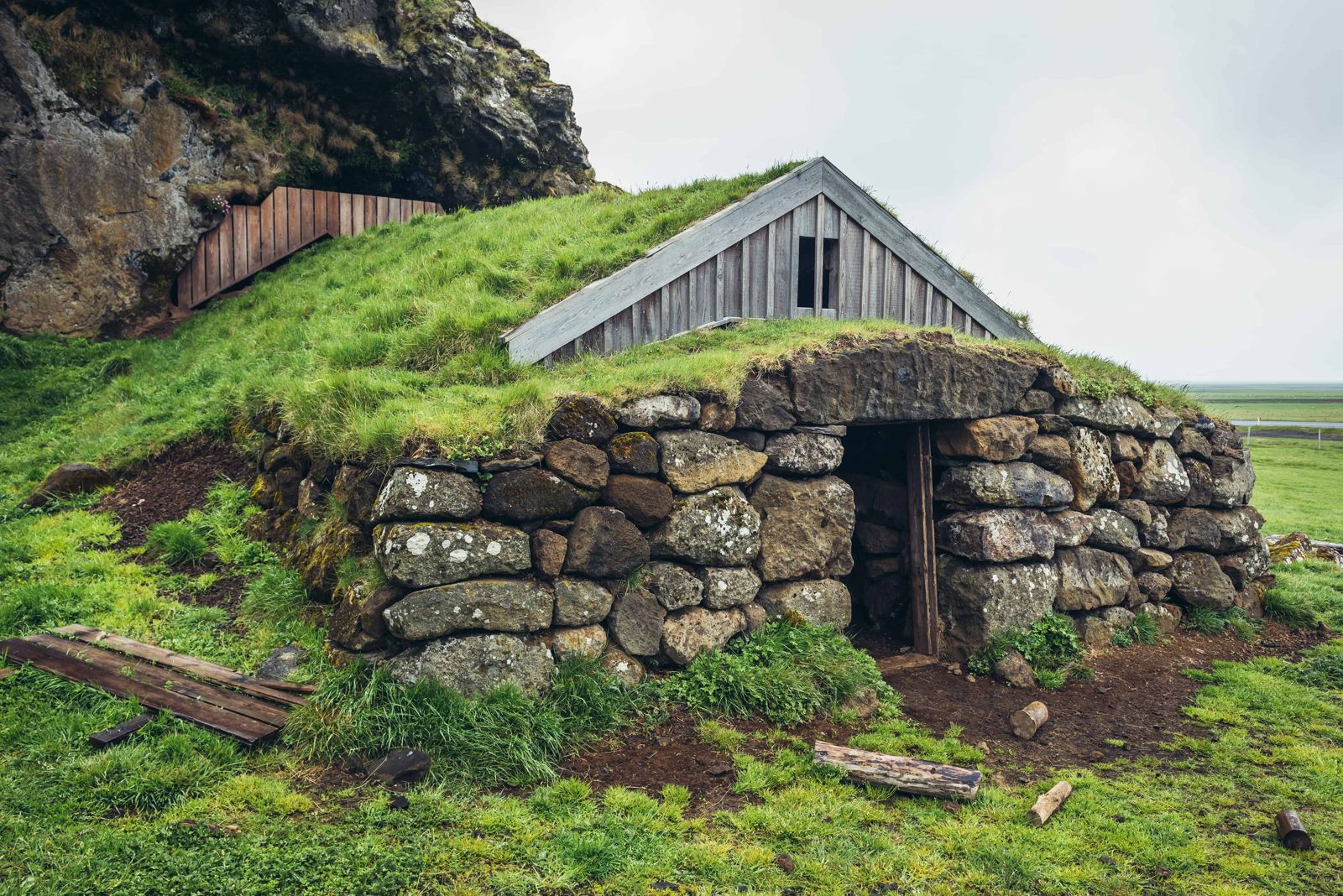
Rútshellir is a cave cut by hand into the sandstone hillside at Hrútafell in South Iceland, close to the Ring Road west of Skógar. It is said to be the largest man-made cave in Iceland. It is free to visit, open all year, and takes about 20–30 minutes.
Rútshellir is a hand-dug cave in the hillside below Hrútafell. The main chamber is about 20 metres long, around 2.5 metres high and up to about 5 metres wide. A smaller side chamber, called Stúkan, is about 8 by 2.4 metres. A ledge inside was probably used for sleeping.
A stone-built sheep pen was added at the entrance in the early 20th century, and the cave has been used for storage and shelter over the years. Carved crosses in the rock suggest very early use, and the cave is mentioned in written records from 1714.
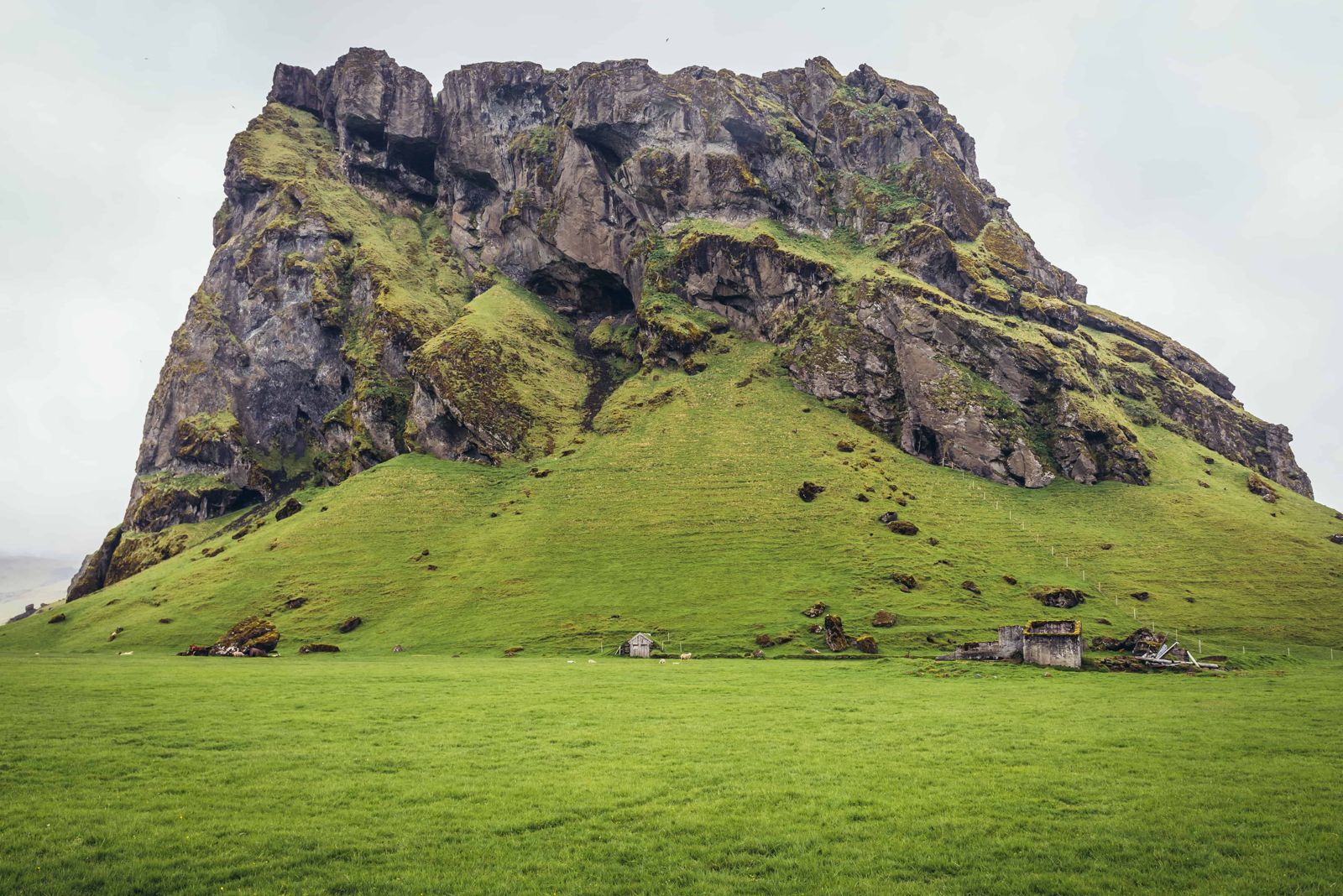
The cave goes by several names: Rútshellir, the Cave of Rútur and Hrútshellir. From outside it looks like a small house built into a huge lump of rock, standing on its own below Mount Hrútafell. There are other man-made caves in this area, but Rútshellir is the best known.
The cave is named after Rútur, a man in local legend who is said to have lived here with his slaves. In the story he learned that they planned to kill him through a hole beside his sleeping ledge, so he turned the tables and killed them instead. The last of them, Guðni, is said to have died at the rock that has been called Guðnasteinn, Guðni's stone, ever since.
Some writers link the carved crosses to Irish monks who may have been in Iceland before the Norse settlers. That is a popular story, but it is not proven. What is certain is that people have used the cave for centuries.
Rútshellir appears in the Register of Estates compiled by Árni Magnússon and Páll Vídalín in 1714, and again in the travel book of Eggert Ólafsson and Bjarni Pálsson in 1756. In 1818 the Rev. Ólafur Pálsson of Eyvindarhólar listed it in a register of archaeological sites.
In the 20th century German scientists studied the cave on the orders of the Nazi authorities, who were fascinated by Old Norse culture and were looking for the sites of heathen temples in Iceland.
There is a gate on the path. Close it behind you so farm animals stay in.
The cave has two parts, joined by an opening in the rock.
No facilities at the cave. Skógar has a café, toilets and a museum.
Stay at Skógar, Hvolsvöllur or Vík. Hotels and guesthouses are spread along the South Coast and are busy in summer.
A hand-dug cave in a hillside at Hrútafell in South Iceland, often called the largest man-made cave in Iceland.
Yes, there is no entrance fee.
Near the old community hall at Skarðshlíð, then walk west along the path.
It was dug by people, but when is uncertain. Some carved crosses suggest early use, and written records mention it from 1714.
20–30 minutes is enough.
A main cave about 20 metres long and a smaller side cave called Stúkan, joined by an opening. You can see a carved cross in the sandstone and traces of how the cave was used for storage.
Yes. The cave is also called Hrútshellir and the Cave of Rútur.