Iceland Travel GuideLOCAL TRAVEL AGENCY IN ICELAND
My trip
Talk to a local
Iceland Travel GuideLOCAL TRAVEL AGENCY IN ICELAND
My trip
Talk to a local
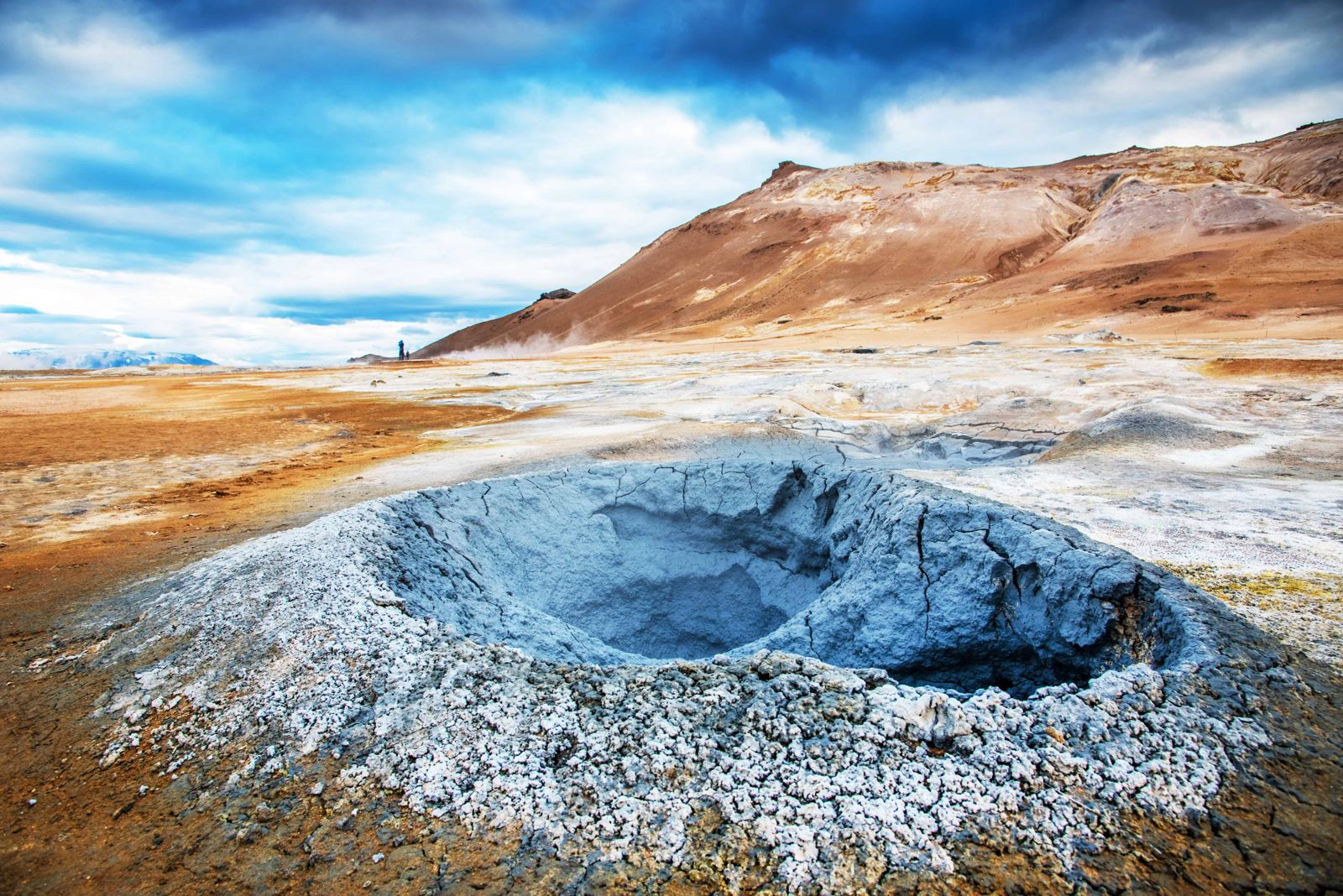
Námaskarð and Hverarönd, often just called Hverir, is a geothermal area of boiling mud pools, steam vents and mineral-stained ground beside the mountain Námafjall in North Iceland, a few kilometres east of Lake Mývatn. It is roughly 480 km from Reykjavík, open all year and free to enter (there is a parking fee), and most people spend 30–45 minutes there.
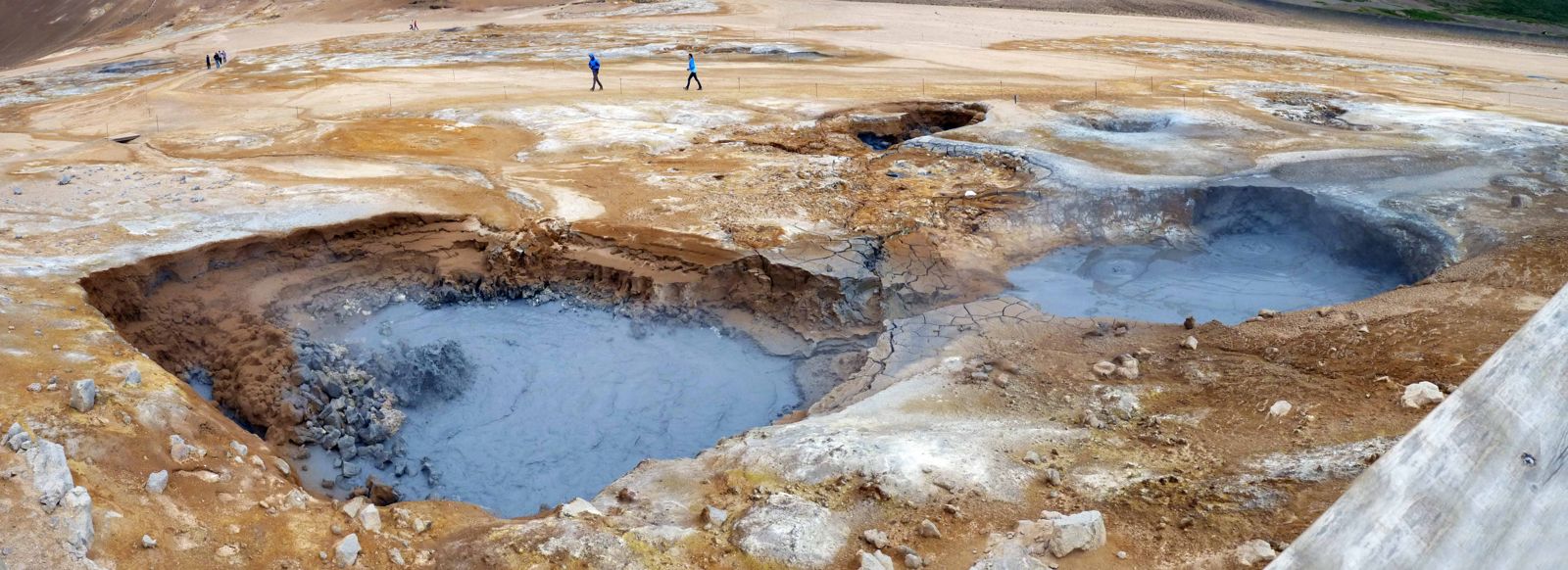
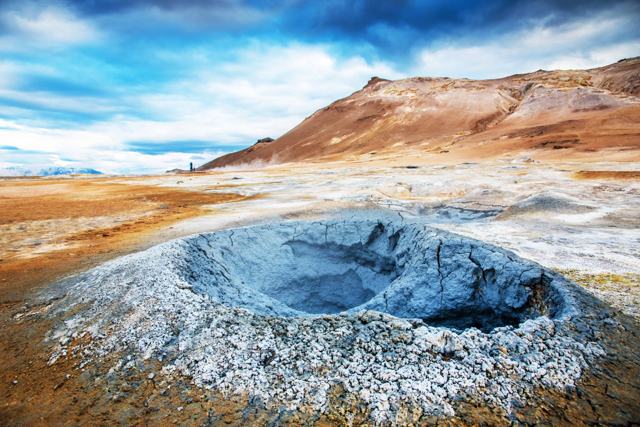
This is one of the starkest landscapes in Iceland: no plants, just bare, cracked ground in shades of grey, yellow, pink and orange, with steam vents hissing and mud pots bubbling on every side. The smell of sulphur reaches you before the sight does. It sits at about 400 metres above sea level, a short drive from Lake Mývatn.
The names are easy to mix up. Námaskarð is the narrow pass where the Ring Road crosses between the mountains Námafjall and Dalfjall. Hverarönd, which means roughly 'the hot spring strip', is the flat field of fumaroles and mud springs at the eastern foot of the pass. Most visitors and road signs simply call it Hverir, 'the hot springs'.
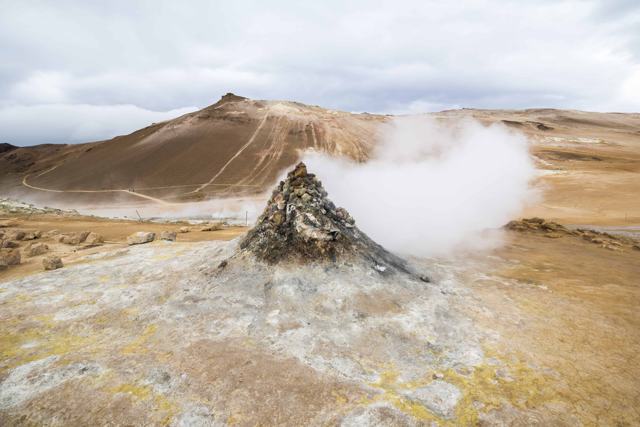
The area is a high-temperature geothermal field, part of the same volcanic system as nearby Krafla. Fumaroles roar with steam, and mud pools plop and bubble as gas rises through them from deep underground. Marked paths let you walk close to the activity without stepping onto ground that can be dangerously hot just beneath the surface.
Nothing grows here because the steam and gases turn to acid in the ground and leave it sterile. The same process breaks the rock down into clay and coats it with sulphur and other minerals, which is where the colours come from: yellow, white, rust-red, pink, grey and blue-green, in the mud springs, on the flats and up the hillside. You will find dark, muddy streams and boiling pools, but hardly any clear water.
Námafjall means 'mine mountain'. Sulphur was dug from these slopes for centuries and shipped abroad, where it was used to make gunpowder. The mining is long over, but you can still see fresh yellow sulphur crystals forming around the vents.
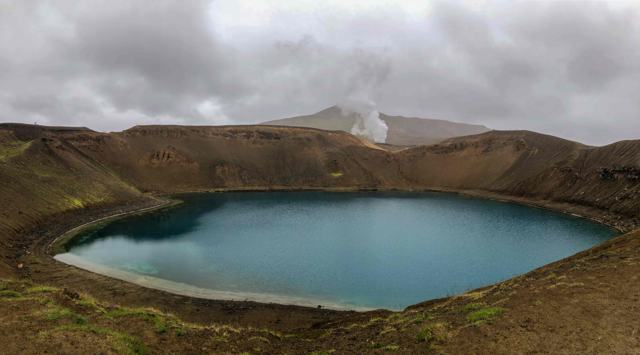
The heat comes from the Krafla volcanic system, which volcanologists have been coming here to study for a very long time. Krafla is a caldera about 10 km across, a short drive to the north, with 29 recorded eruptions. In the Mývatn Fires of 1724–1729 fissures opened across the area and lava destroyed farms near the lake, and the Krafla Fires of 1975–1984 brought nine more eruptions. The caldera holds the Víti crater with its green lake, and since 1977 a geothermal power station with a capacity of 60 MW has drawn on the same heat.
The Ring Road is paved all the way and normally open all year, but the mountain passes on either side of Mývatn can be icy or closed for short periods in winter storms. Check umferdin.is before you drive.
The whole area is small and easy to walk. Give it half an hour for the flats, or longer if you want the view from the mountain.
Hverir pairs well with the other sights around the lake. Krafla, the Víti crater and the short hike across the Leirhnjúkur lava field, still steaming in places, are a few minutes' drive north and show the same geothermal power at a larger scale. Grjótagjá cave, Dimmuborgir and the Skútustaðagígar craters are all within half an hour, and Goðafoss and Dettifoss are easy to reach on the same trip.
Námaskarð is as good in winter as in summer. Summer is simply easier: clear roads, dry paths and long days.
There is a car park with a paid parking system beside the Ring Road, and marked paths and a viewing platform among the vents. Do not count on toilets or a kiosk at the car park; use the facilities in Reykjahlíð, about 6 km away, where you will also find fuel, food and a shop. The paths are mostly flat but are bare clay and gravel, which gets sticky when wet.
Most visitors stay in Reykjahlíð or elsewhere around Lake Mývatn, about 10 minutes away, where there are hotels, guesthouses and a campsite.
Entry is free, but there is a parking fee of about 1,200–1,400 ISK per car.
In practice, yes. Námaskarð is the mountain pass, Hverarönd is the geothermal field at its eastern foot, and Hverir is the short name most people use for the whole area.
Yes, if you stay on the marked paths. The mud pools and vents are genuinely hot, so straying off the path is not safe.
About 30–45 minutes is enough for most visitors. Add around an hour if you walk up Námafjall.
Roughly 480 km, around 6 hours by car, so it is usually seen as part of a North Iceland or Ring Road trip. From Akureyri it is about 1 hour 15 minutes.
Sulphur, from the geothermal gases rising through the mud pools and vents. It is stronger in still, humid air.
Yes. The Ring Road is normally open, though it can be icy, and the steam against the snow is worth seeing. Wear shoes with good grip.
Tours and trips that include Námaskarð and Hverarönd, booked directly with a local travel agency in Iceland.
 DAY TOURLake Myvatn Day Tour & Goðafoss WaterfallFrom 23,000 ISK per person
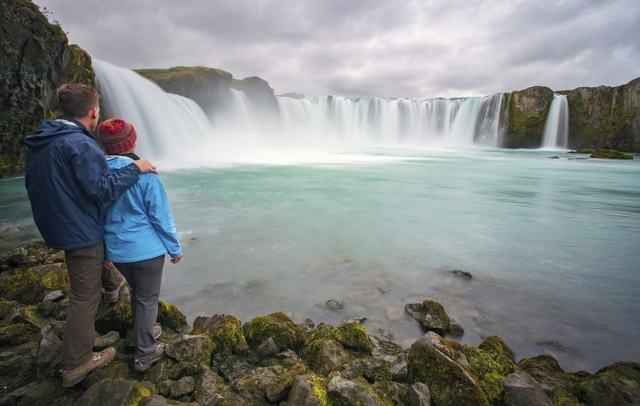 SHORE EXCURSIONLake Myvatn & GoðafossFrom 25,300 ISK per person
 SHORE EXCURSIONLake Myvatn & GoðafossFrom 21,990 ISK per person
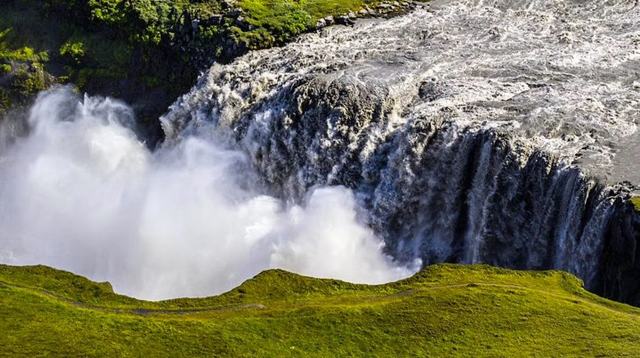 SHORE EXCURSIONDiamond CircleFrom 24,990 ISK per person
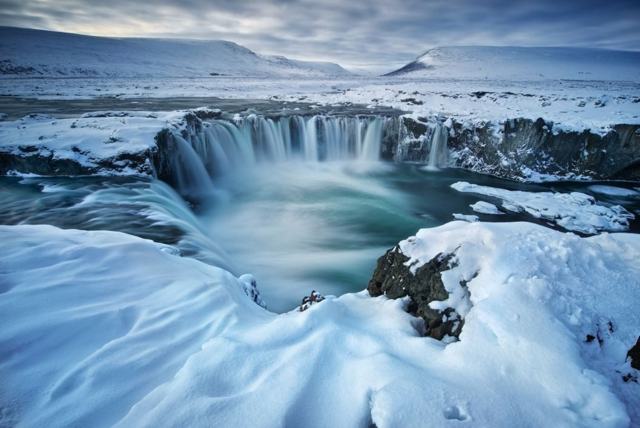 SHORE EXCURSIONGoðafoss & Lake MyvatnFrom 21,990 ISK per person
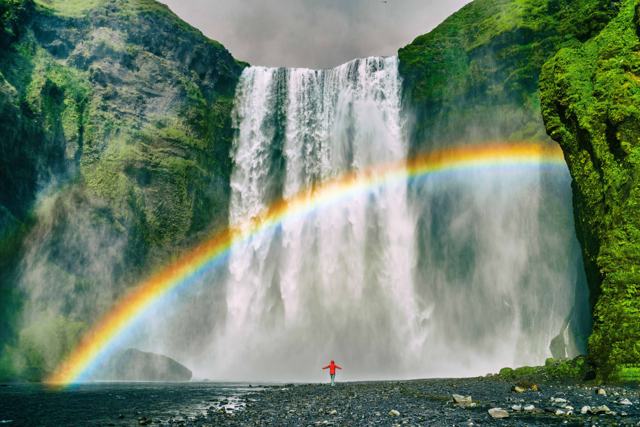 MULTI-DAY6 Day Iceland Ring Road Tour in SummerFrom 277,119 ISK per person