Iceland Travel GuideLOCAL TRAVEL AGENCY IN ICELAND
My trip
Talk to a local
Iceland Travel GuideLOCAL TRAVEL AGENCY IN ICELAND
My trip
Talk to a local
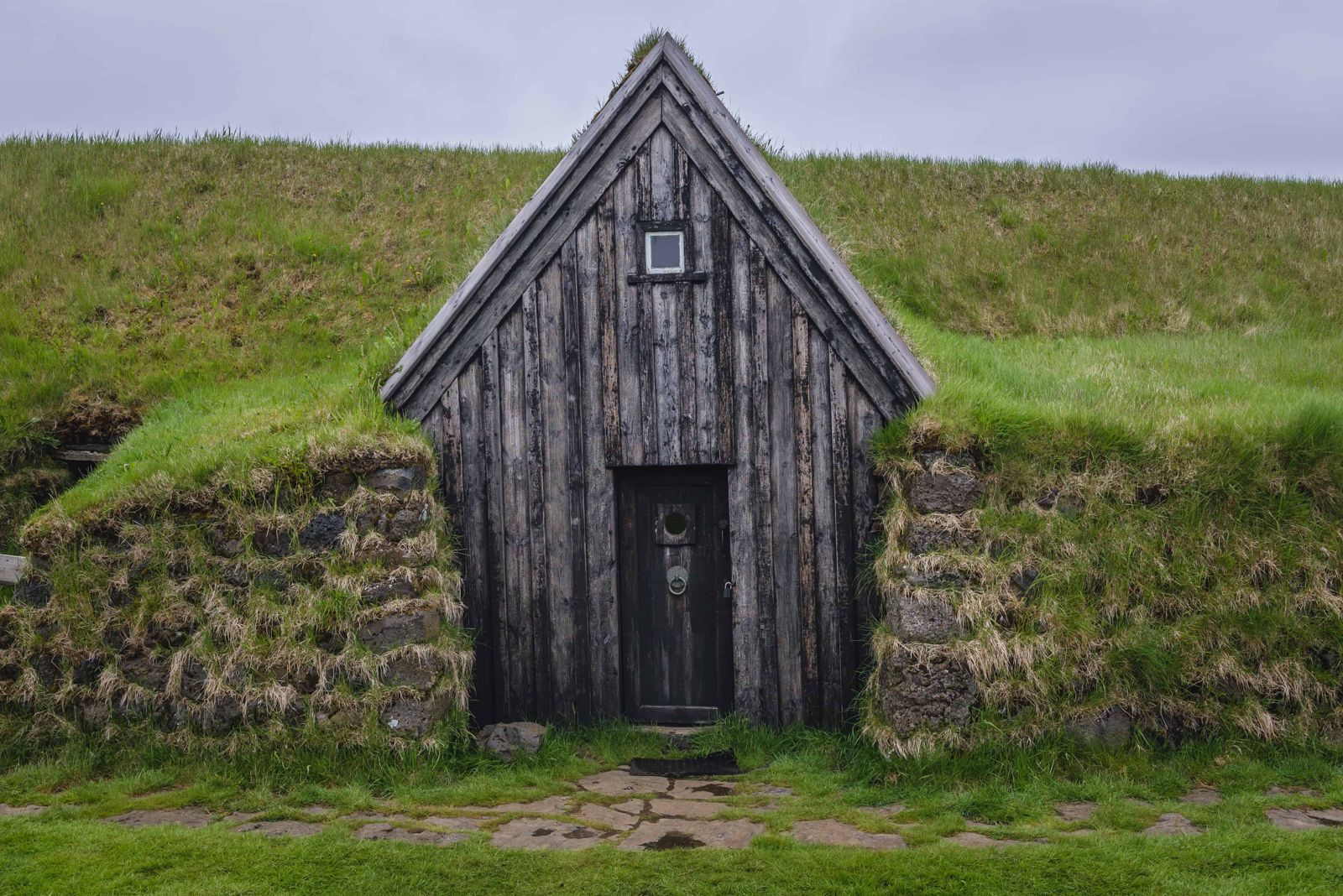
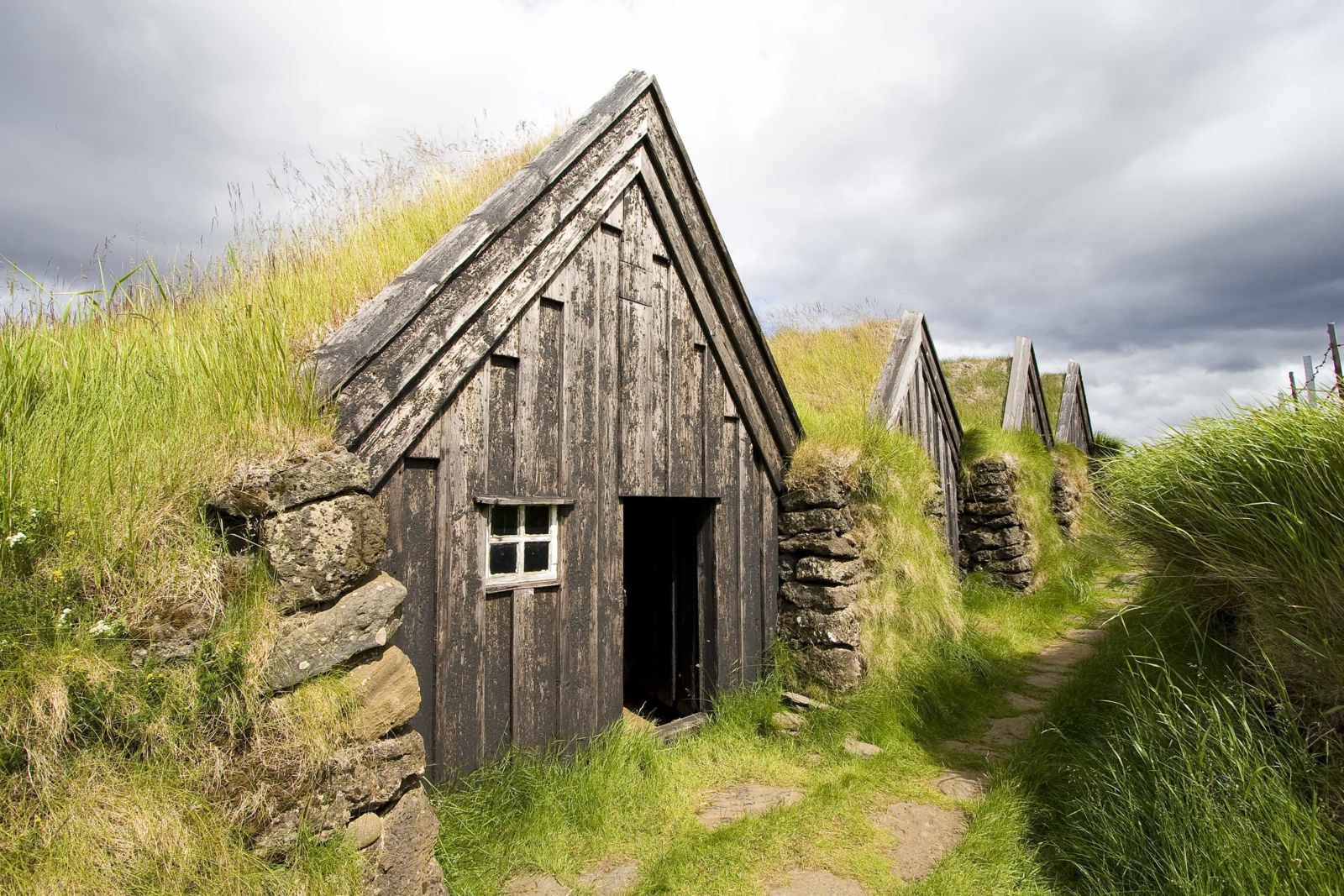
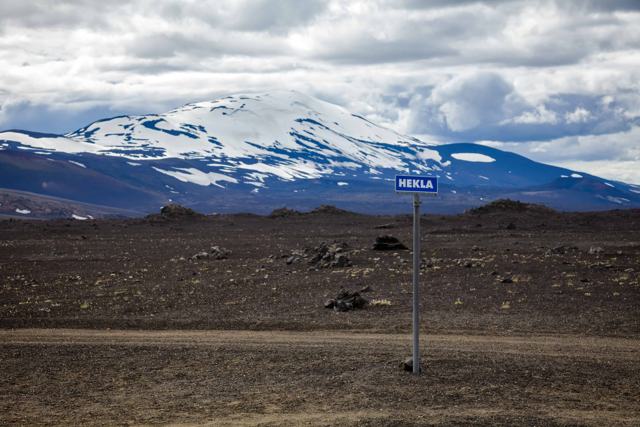
Keldur is a farm of old turf buildings in South Iceland, near the volcano Hekla and about 20 minutes from Hella. The National Museum of Iceland, which looks after it, calls it the oldest surviving farmhouse in the country. It is open daily from 1 June to 31 August and takes about 30–45 minutes to see.
Keldur has been a farm since the Saga Age, and the buildings you see today were built up over centuries, using turf, stone and driftwood in the traditional Icelandic style. Thick turf walls and roofs kept homes warm through the winter and are one of the clearest examples of how Icelanders lived before timber and concrete became common building materials.
The site is connected to Njáls saga: Ingjaldur Höskuldsson, a character in the saga, is said to have lived at Keldur. An underground escape tunnel from one of the buildings is part of the local story, said to have been used to flee from attackers.
Keldur is one of very few turf farms, also called sod houses, that have been preserved in Iceland. The farm stands close to Hekla, and rock from the volcano's eruptions has long been used in its walls. If you want to see how Icelanders really lived for a thousand years, this is one of the best places to do it.
Keldur appears in Njáls saga as the home of Ingjaldur Höskuldsson, the first known farmer here, and the farm has been lived on since the Viking Age. The National Museum of Iceland describes the farmhouse as the oldest still standing in the country, with origins in the late 12th century. It is built of stone, timber and turf in the old passage-farm layout, and like every turf building it has been repaired and rebuilt many times since.
One of the more unusual features is an underground passage connected to the farmhouse. It is believed to date from the 12th or 13th century and may have been dug as an escape route in a time of conflict. Whether or not it was ever used that way, it is a reminder of how exposed farms like this could be. More ruins are thought to lie undiscovered under the fields across the stream.
Keldur makes more sense once you know how a turf house was put together and why Icelanders built this way for so long.
Turf houses (torfbæir in Icelandic) were the normal Icelandic home from the first Norse settlers in the 9th century until the late 1800s. Iceland has no old castles or stone towns, so the grass-roofed farm is the country's own building tradition.
Building started with a wooden frame. Walls were then raised from flat stones and blocks of turf, often laid in a herringbone pattern in two layers with soil packed between them. The thick walls sealed out wind and cold, and grass kept growing on the roof, so the house blended into the land around it. Doors and panelling were made from the best wood the farmer could get.
Turf insulates well, but it wears down in wind and rain, so walls had to be relaid again and again. That is why so few turf farms survive, and why Keldur is worth the detour.
Other turf buildings you can visit include <a href="/locations/glaumbaer-turf-houses/">Glaumbær</a> and <a href="/locations/laufas-turf-houses/">Laufás</a> in North Iceland and the reconstructed Saga Age farm <a href="/locations/thjodveldisbaerinn-stong/">Þjóðveldisbærinn</a> in Þjórsárdalur.
No café or shop on site. The nearest services are in Hella.
Hella and Hvolsvöllur have hotels, guesthouses and services and are the closest bases for visiting Keldur.
No. The turf buildings are open daily from 1 June to 31 August, 10:00–17:00. The rest of the year you can only see them from outside.
Yes. The National Museum of Iceland lists 2,500 ISK for adults and 1,600 ISK for students and seniors; under-18s go free. Check the museum's website for the current price.
About 115 km, around 1 hour 30 minutes by car.
The National Museum calls it the oldest surviving farmhouse in Iceland, with origins in the late 12th century, an underground passage from the Middle Ages and a link to Njáls saga.
A wooden frame was put up first, then walls of flat stones and turf blocks, often in a herringbone pattern, with a turf roof on top. The thick walls kept the house warm.