Iceland Travel GuideLOCAL TRAVEL AGENCY IN ICELAND
My trip
Talk to a local
Iceland Travel GuideLOCAL TRAVEL AGENCY IN ICELAND
My trip
Talk to a local
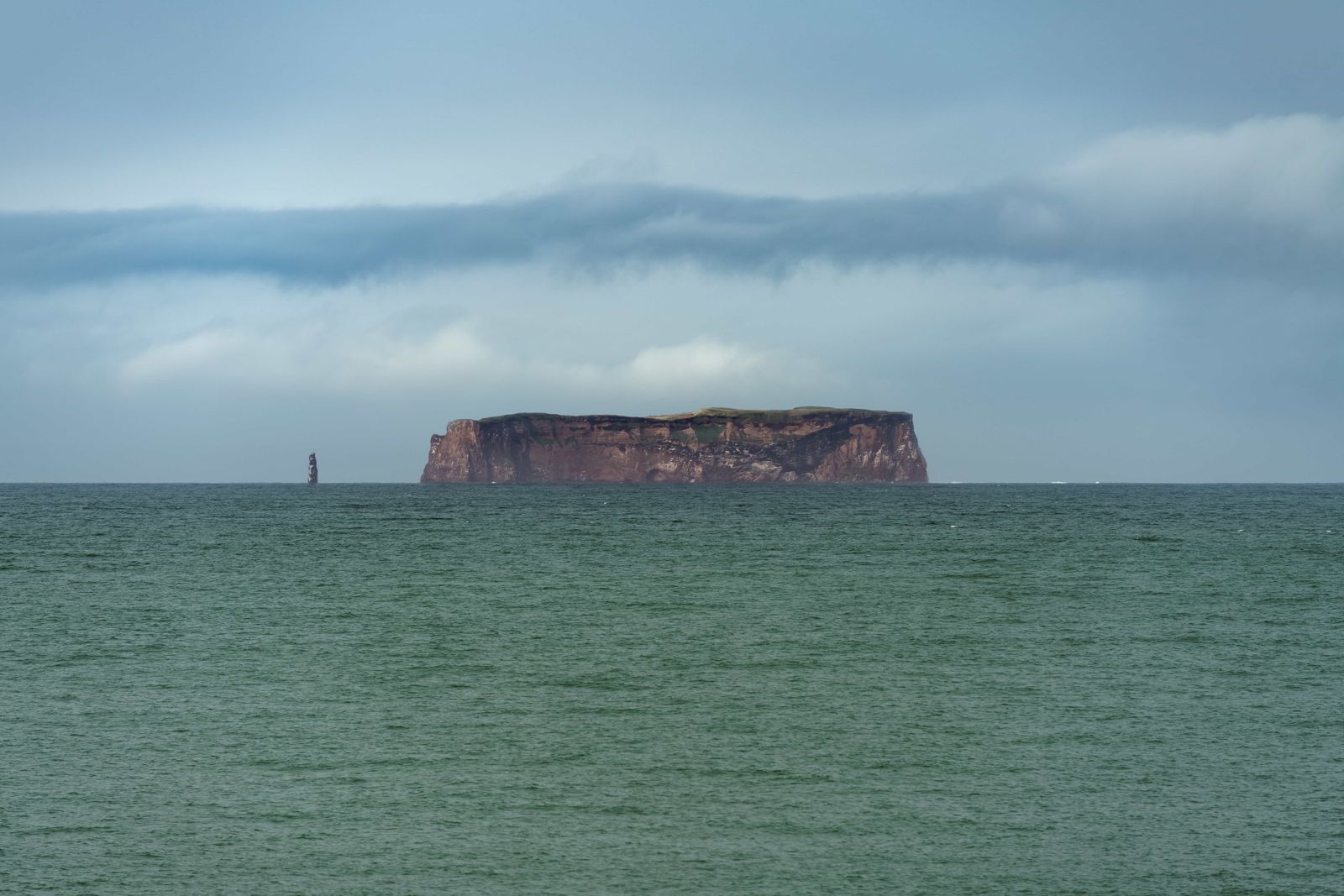
Drangey is an uninhabited island about 180 metres high in the Skagafjörður fjord, North Iceland, known for its seabird colonies and as the place where the outlaw Grettir the Strong died. You can only visit by boat. Tours run daily from early June to about 20 August and take about 4 hours.
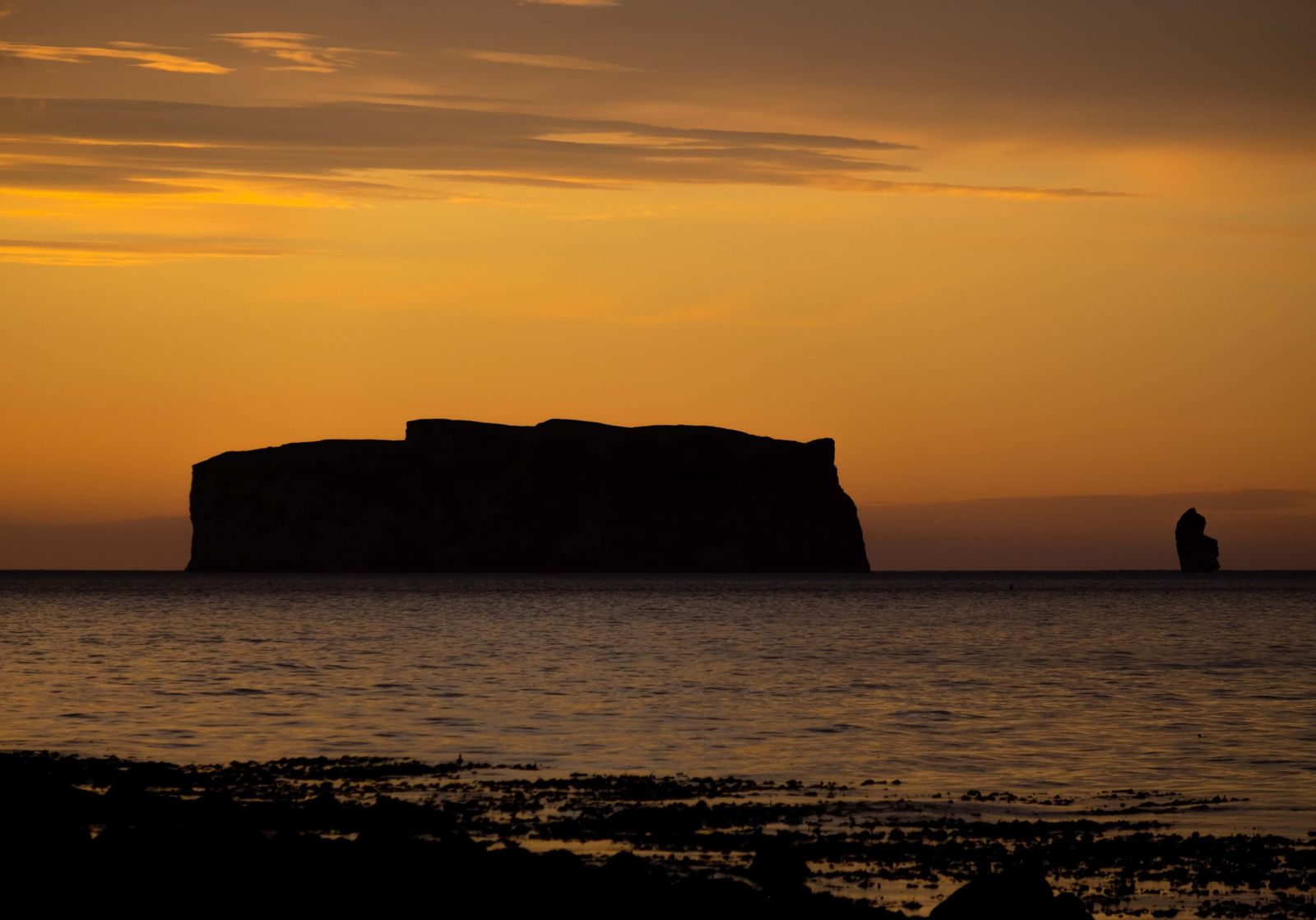
Drangey rises straight out of Skagafjörður with steep cliffs on every side and a flat, grassy top, a shape that makes it easy to spot from the mainland. It is what remains of a volcano of palagonite tuff, formed roughly 700,000 years ago.
The cliffs are home to large colonies of guillemots, razorbills, kittiwakes, fulmars and puffins, with ravens and the odd falcon hunting along the ledges. On the boat trip you get close to the birds, and if you land you can climb a man-made path with steps, ropes and ladders up the face of the cliff to the top, where the view covers the whole fjord.
For centuries people from the farms around the fjord rowed out every spring to collect eggs and catch birds here, and it was an important source of food. Up to 200 men took part in a season, and in the best years the catch was more than 200,000 birds. The old way of snaring birds was given up in 1966. The old routes and huts are part of the story, and the guides explain them on the trip.
Everything on a visit is done with a guide, and the island is small enough to see properly in the four hours the trip takes. From the mainland, the best views of Drangey are from the west shore of Skagafjörður, around Reykir and Grettislaug.
Grettis saga tells of Grettir the Strong, a huge and short-tempered man who was quick to act and always in trouble. In the saga he kills the revenant Glámur, who curses him, and he is later blamed for a fire that killed men in a hall and sentenced to outlawry for 20 years. He took refuge on Drangey with his brother Illugi and a slave, Glaumur. The cliffs made the island almost impossible to attack, and he lived there for years.
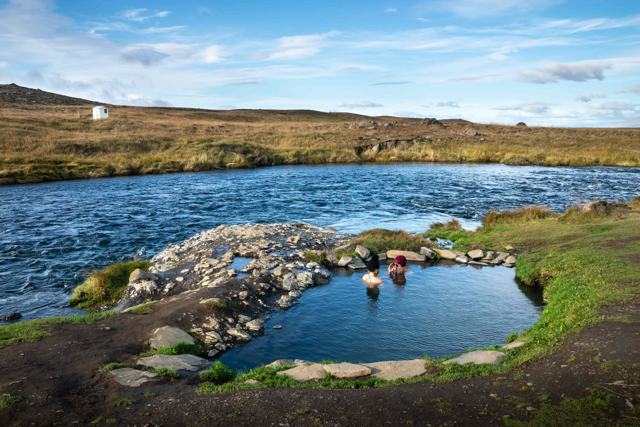
Friends tried to have the sentence lifted, but his enemies got to him first, with the help of witchcraft. Grettir was killed on the island in late autumn 1031 by Þorbjörn Öngull and his men. It is said that, earlier in his stay, he swam to the mainland at Reykir to fetch fire, and warmed up afterwards in the hot spring now called Grettislaug.
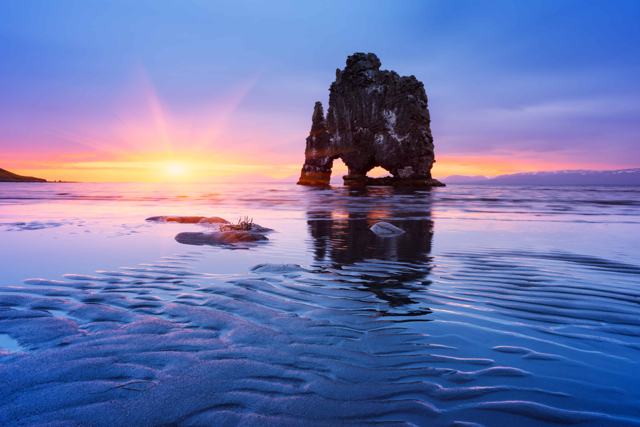
A local folk tale explains the island differently. Two night trolls, Karl and Kerling, were taking their cow across the fjord when the sun rose and turned all three to stone. Drangey is the cow. Kerling still stands as a rock pillar just south of the island. Karl stood to the north but collapsed long ago.
Tours depend on the weather and sea conditions and can be cancelled at short notice. Leave a spare day in Skagafjörður if you can.
If you land, the path to the top is short but steep, and it is worth thinking about before you book.
There are no facilities on the island. Toilets and cafés are in Sauðárkrókur. The climb is not suitable for anyone with limited mobility.
Sauðárkrókur is the closest town and has hotels, guesthouses and a campsite. Varmahlíð and Hofsós also have accommodation.
By boat only. Tours leave from Sauðárkrókur in summer, and the whole trip takes about 4 hours.
Daily from about 1 June to 20 August. Outside those dates tours can sometimes be arranged on request.
No. You can stay on the boat or at the landing area and still see the cliffs and birds.
Yes, in summer. The island has many seabirds, including puffins, guillemots, razorbills, kittiwakes and fulmars, and puffins nest in burrows on the grassy top.
Grettir the Strong is the hero of Grettis saga, an outlaw who lived on Drangey and died there in 1031.
In folklore the island is a cow that two trolls, Karl and Kerling, were taking across Skagafjörður when the sun rose and turned them all to stone. The rock pillar Kerling still stands south of the island.