Iceland Travel GuideLOCAL TRAVEL AGENCY IN ICELAND
My trip
Talk to a local
Iceland Travel GuideLOCAL TRAVEL AGENCY IN ICELAND
My trip
Talk to a local
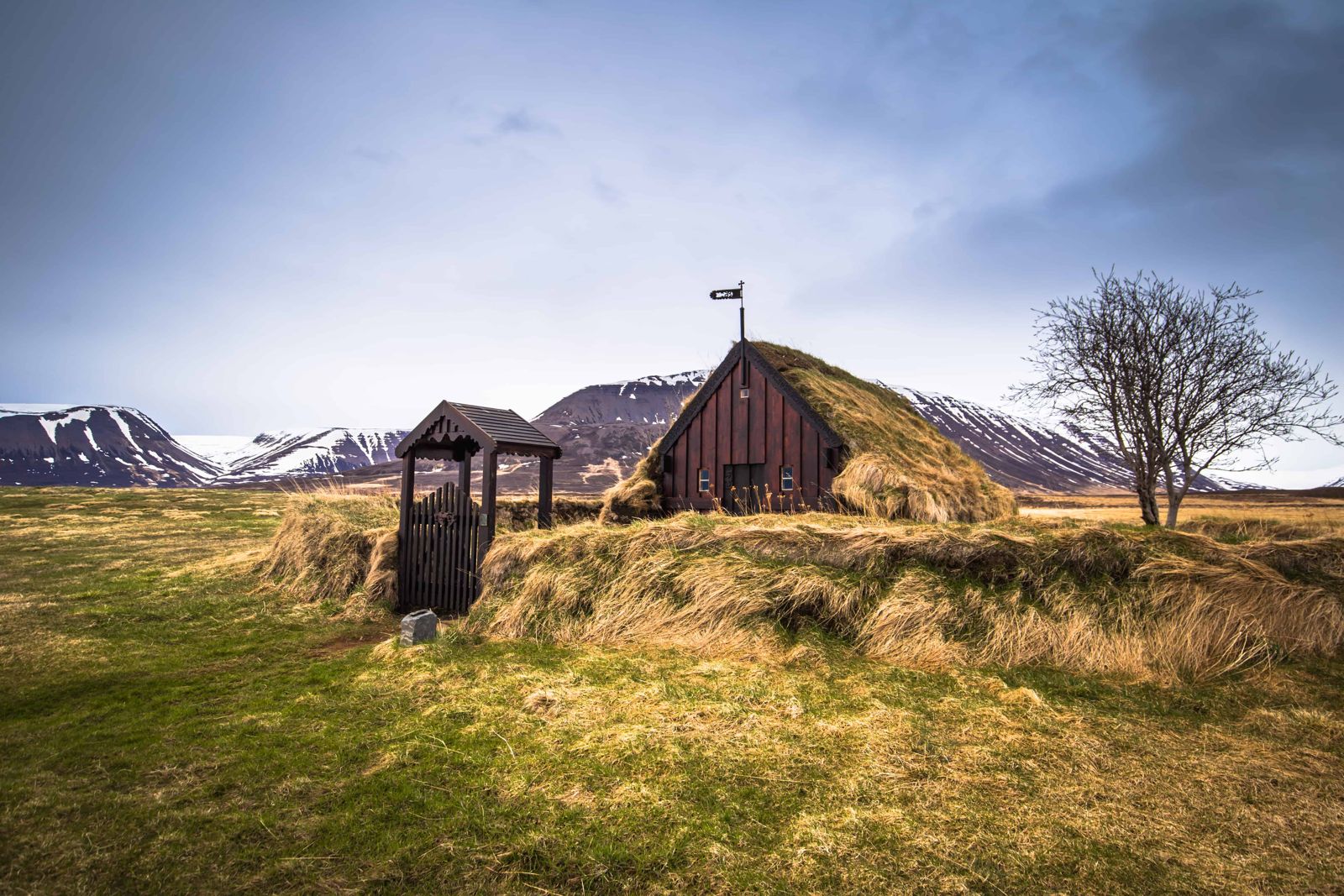
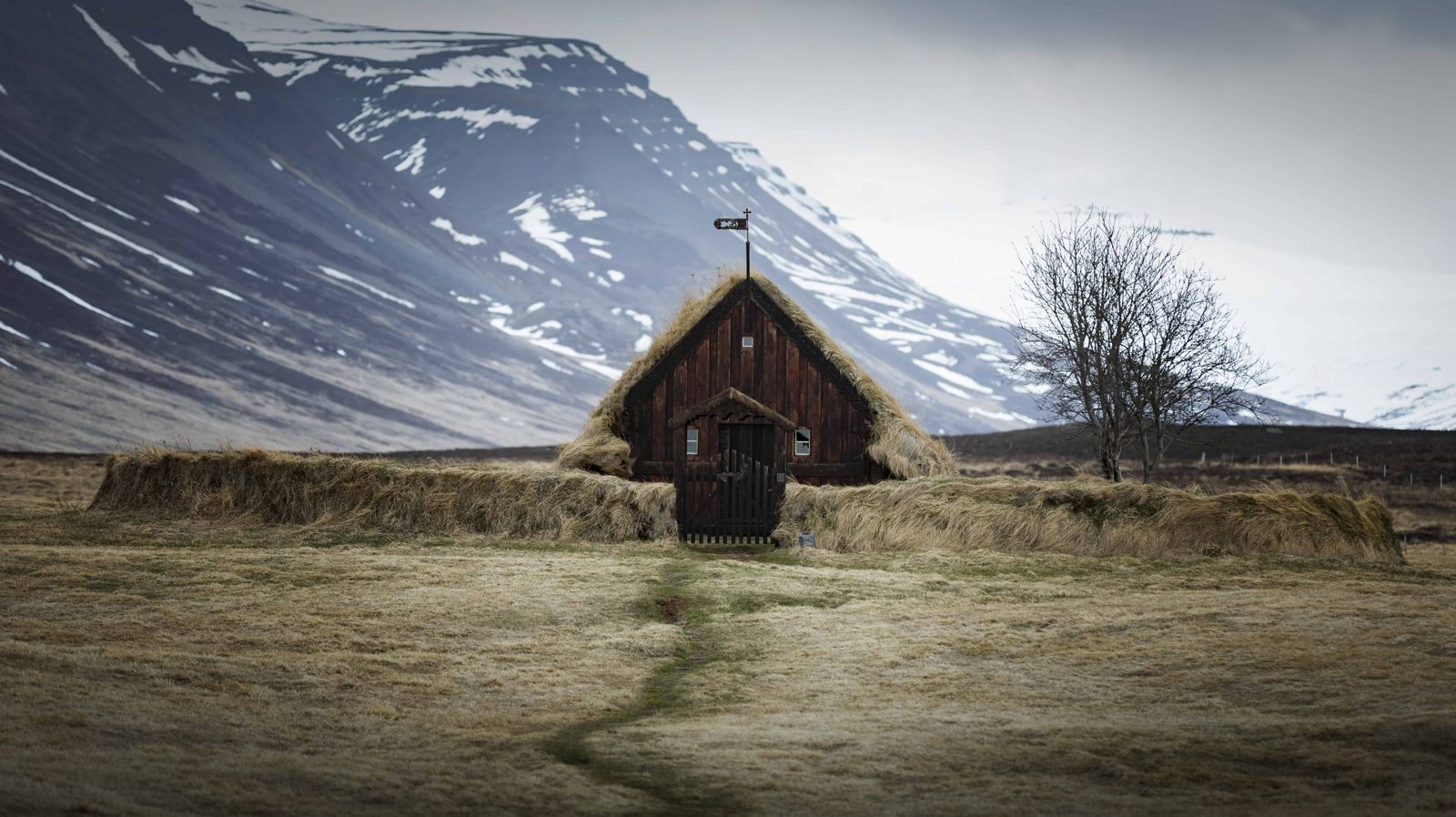
Grafarkirkja is a small turf church on the Höfðaströnd coast in Skagafjörður, close to Hofsós in North Iceland. It dates from the 17th century and is often called the oldest turf church in Iceland. You can walk to it and see it from outside, but the church itself is closed to visitors.
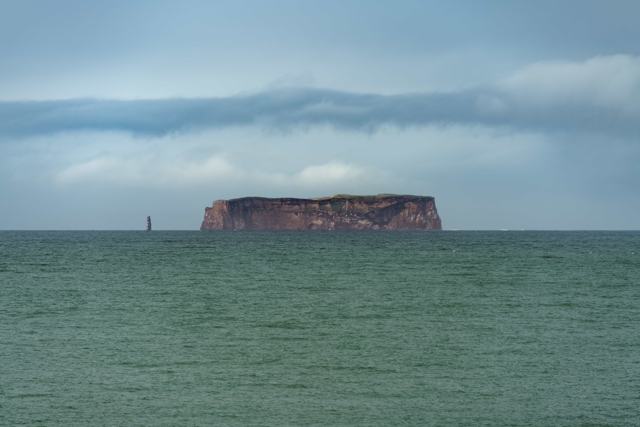
Grafarkirkja stands on its own on the east side of Skagafjörður, with the fjord and the island Drangey in view. The walls are turf and stone, the roof is turf-covered, and around the churchyard there is a round turf wall. It is the only church in Iceland with a circular turf wall, and the wall encloses the graveyard as well as the church.
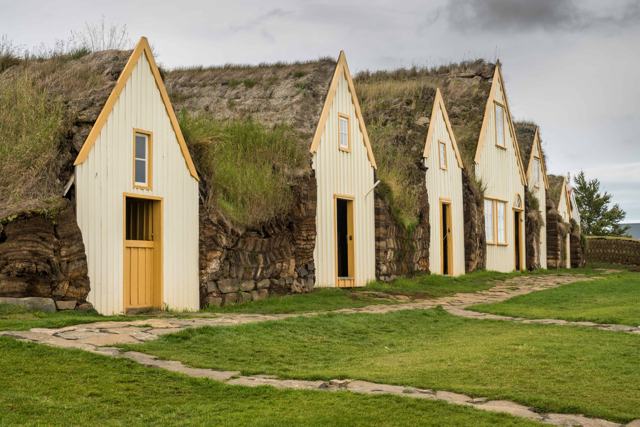
Parts of the present building date back to the 17th century, which is why it is known as the oldest turf church in Iceland. Only six turf churches remain in the country. In earlier centuries Icelanders lived in turf houses and worshipped in turf churches, and most old churches are thought to have looked much like this one.
Inside, the church has baroque carvings on the altar and verge boards, attributed to the wood carver Guðmundur Guðmundsson. A weathervane on top carries part of a date from the 1600s. The National Museum of Iceland looks after the church as part of its historic house collection, and it is still a parish church.
You cannot go in, so this is a short stop to see the outside and the setting. Keep to the edges of the site and stay away from the graves.
The site is much older than the building. The oldest account of a church at Gröf is in the Sturlunga saga, a collection of sagas from the 12th and 13th centuries, and dates from around 1240. That is why many people say this is one of the oldest church sites in the country.
The present chapel is linked to Gísli Þorláksson, Bishop of Hólar, who owned the land at Gröf in the late 17th century. The sources do not prove that he had it built, but the tradition is strong. The carved roof trims point to Guðmundur Guðmundsson of Bjarnastaðahlíð, one of the best-known Icelandic wood carvers of that century.
In 1765 the church was deconsecrated by royal order. For almost 200 years after that, the farmers at Gröf used it as a storehouse, and it slowly fell into disrepair.
The National Museum of Iceland took the building into its care in 1939 and rebuilt it in its original form in 1953, when the Bishop of Iceland reconsecrated it. Further repairs were carried out in 2011.
Please stay on the outskirts of the church grounds when you visit and take photos. Do not walk on any graves, and do not climb on the church or the turf walls.
The church is closed, so most of this you see from outside. The interior is described for those who want to know what the turf walls protect.
The church has been part of the National Museum's Historic Buildings Collection since 1939.
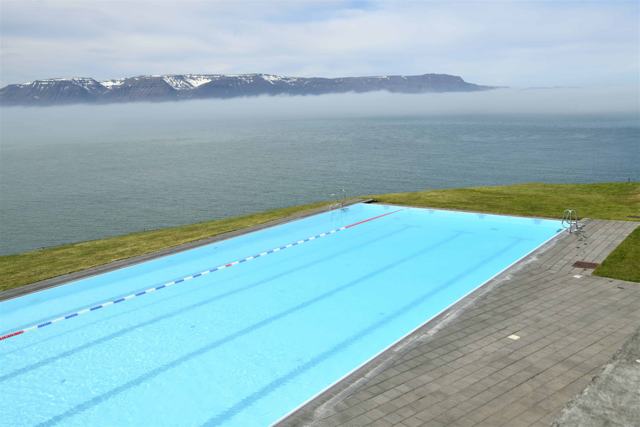
There are no facilities at the church. Hofsós, a few kilometres away, has a café, a swimming pool and a heritage museum.
Hofsós has guesthouses and a campsite, and Sauðárkrókur, a short drive further south-west, has more hotels and restaurants. Akureyri is the larger base for North Iceland.
No. The church is closed to visitors to protect it. You can walk to the site and see it from outside.
It is often described as the oldest turf church in Iceland, dating from the late 17th century. Turf churches were rebuilt many times, so the age of the site and of the building are not the same.
By car. The church is by Route 76, about 4 km south of Hofsós, and a 5-minute trail leads from the parking area.
About 20 to 30 minutes, including the walk.
No fee is charged to walk to the site.
It was deconsecrated by royal order in 1765 and used as a farm storehouse until the National Museum rebuilt it. It was reconsecrated in 1953.
Six. Grafarkirkja is considered the oldest of them.