Iceland Travel GuideLOCAL TRAVEL AGENCY IN ICELAND
My trip
Talk to a local
Iceland Travel GuideLOCAL TRAVEL AGENCY IN ICELAND
My trip
Talk to a local
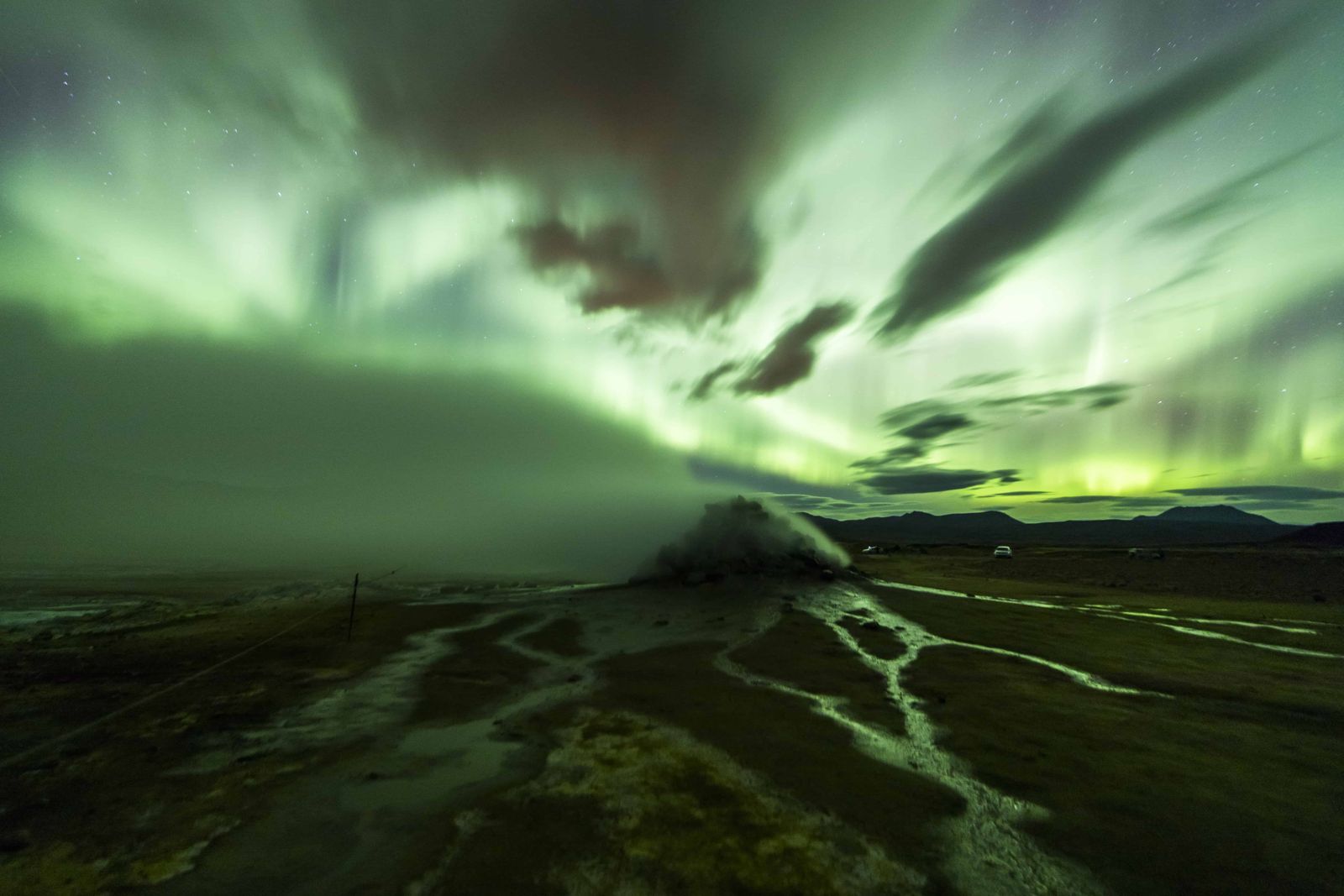
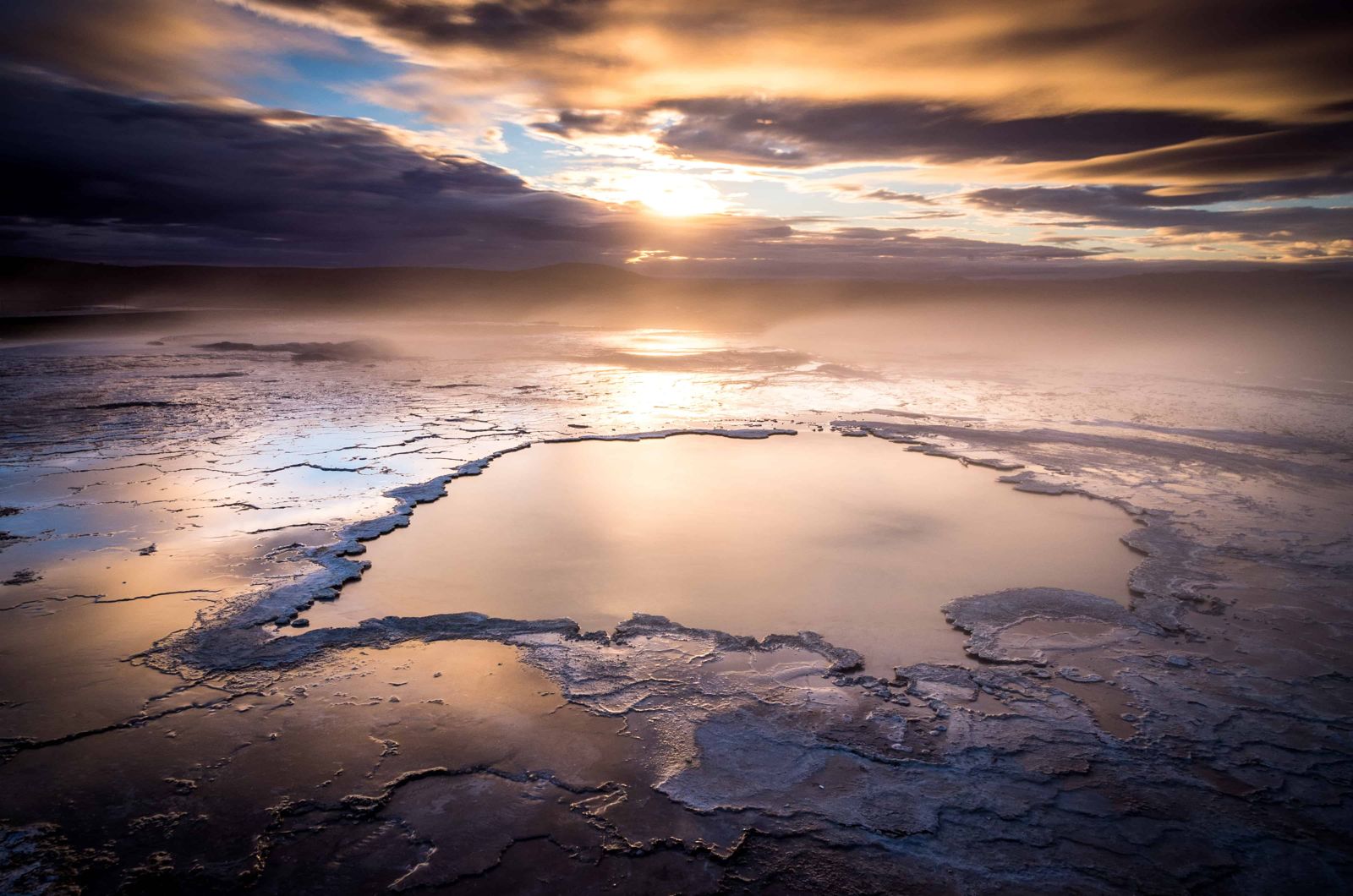
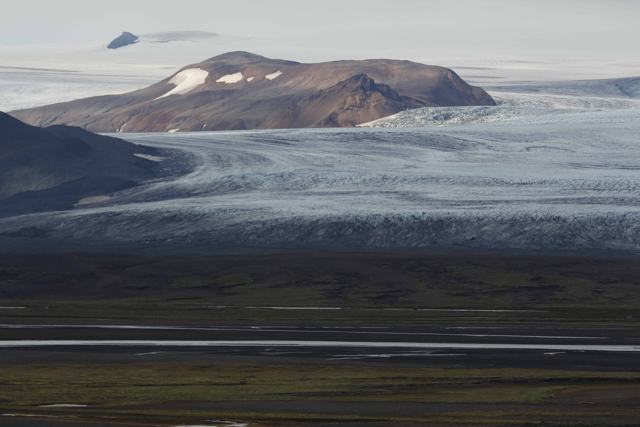
Hveravellir is a geothermal area in the central Highlands, on the Kjölur route (F35) between the glaciers Langjökull and Hofsjökull. It has steaming vents, colourful hot springs and a natural pool where you can bathe. The road is open in summer only and needs a 4x4, and most visitors spend 1 to 3 hours here.
Hveravellir lies about 650 metres above sea level in a wide, empty landscape of lava, gravel and glaciers. The area is a nature reserve, with steaming fumaroles, bubbling hot springs and mineral deposits in yellow, green and white. Well-marked paths lead between the main features, and it is easy to walk round in an hour.
The best-known features have old names. Öskurhóll (“Roaring Mound”) was named by the travellers Eggert Ólafsson and Bjarni Pálsson, whose account from 1752 is the oldest description of Hveravellir. Eyvindarhver is a steady spouting spring surrounded by sulphur, named after the outlaw Fjalla-Eyvindur, who is said to have lived in the area. Other springs include Bláhver (blue), Grænihver (green), Fagrihver (“the fair spring”) and Gamli Fagrihver.
Among all the springs that are far too hot to touch, there is one place to bathe. The natural pool was made by a small dam across the warm stream in 1950. Hot water arrives through a pipe at around 80–90°C and is mixed with cold, so the temperature varies from one end of the pool to the other and from day to day. Bathing here, in the middle of the Highlands, is the reason many people make the trip.
Kjölur, or Kjalvegur, has been a route across the interior for centuries and is mentioned in the Icelandic sagas. Travellers on horseback used it long before there was a road, and Hveravellir, an oasis of warm ground between Langjökull and Hofsjökull, was a known resting place.
The area is linked with the outlaw Fjalla-Eyvindur and his wife Halla, who fled into the Highlands in the 18th century and are said to have lived here for a time. Tradition says he cooked his food in the hot spring that now carries his name, Eyvindarhver. Their story is one of the best-known outlaw tales in Icelandic folklore.
Kjölur is a Highland road and is closed in winter. Do not attempt it outside the summer season without a specialist guide. Check road.is and umferdin.is for the opening date and current conditions before you go.
The pool and the geothermal paths are both close to the lodge.
The ground near the springs is very hot and can be unstable. Keep to the paths and keep children close.
Apart from the bathing pool, the springs here are for looking at only. Each has its own character, and the names tell you what to expect.
The white and grey crust around the springs is silica laid down by the hot water. It is fragile and takes a very long time to form, so do not step on it or throw anything into the springs.
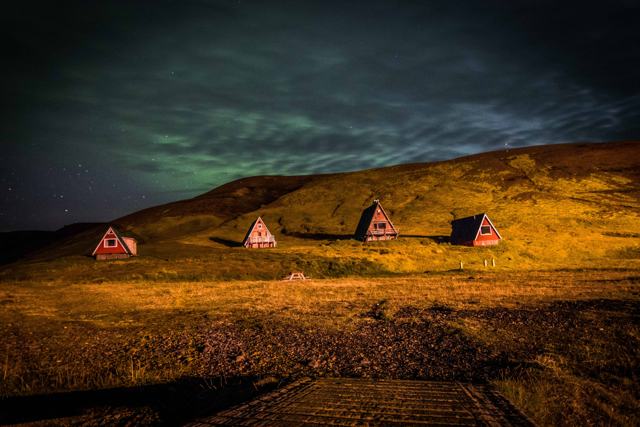
There is a mountain lodge with a café and restaurant, sleeping bag and private rooms, a campsite and toilets at the service centre. The toilets are some way from the pools. Services are seasonal, so check opening details before you rely on them.
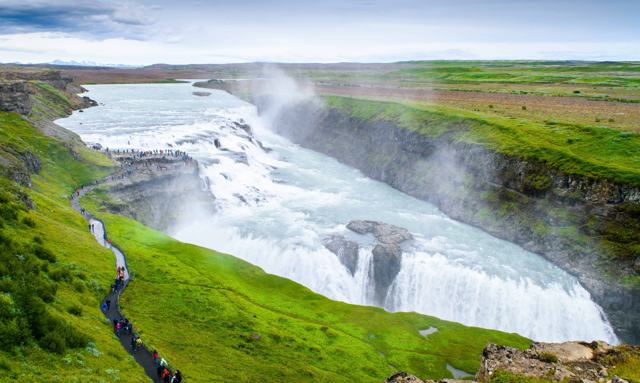
Hveravellir has a mountain lodge and a campsite, which is the natural place to stay overnight. Otherwise you would stay near Gullfoss and Geysir in the south, or in North Iceland at the northern end of Kjölur.
Yes. There is a natural hot pool where bathing is allowed. Shower before you get in, and bring your own towel.
Yes. Kjölur is the F35 Highland road, which requires a 4x4 vehicle and is open in summer only.
The area is always there, but the road is only passable in summer, usually from about June to September depending on conditions.
One to three hours is typical: an hour to walk the geothermal paths, plus time for the pool and a meal.
Yes. There is a mountain lodge with rooms and sleeping bag places, huts and a campsite. Book ahead in summer.
It varies. The bathing area is usually around 38–40°C, but hot water enters at about 80–90°C and is mixed with cold, so parts of the pool can be much warmer or cooler. Test it before you get in.
In the central Highlands, on the Kjölur route between the glaciers Langjökull and Hofsjökull, about 650 metres above sea level and roughly 90 km north of Gullfoss.