Iceland Travel GuideLOCAL TRAVEL AGENCY IN ICELAND
My trip
Talk to a local
Iceland Travel GuideLOCAL TRAVEL AGENCY IN ICELAND
My trip
Talk to a local
Elliðaárdalur is a long, green valley park running through the middle of Reykjavík, with about 10 km of paths along the Elliðaá river. It is about a 15-minute drive from the city centre, free to visit and open all year, and a favourite spot for locals to walk, run, cycle, watch birds and fish for salmon. Allow an hour or more depending on how much of the valley you want to see.
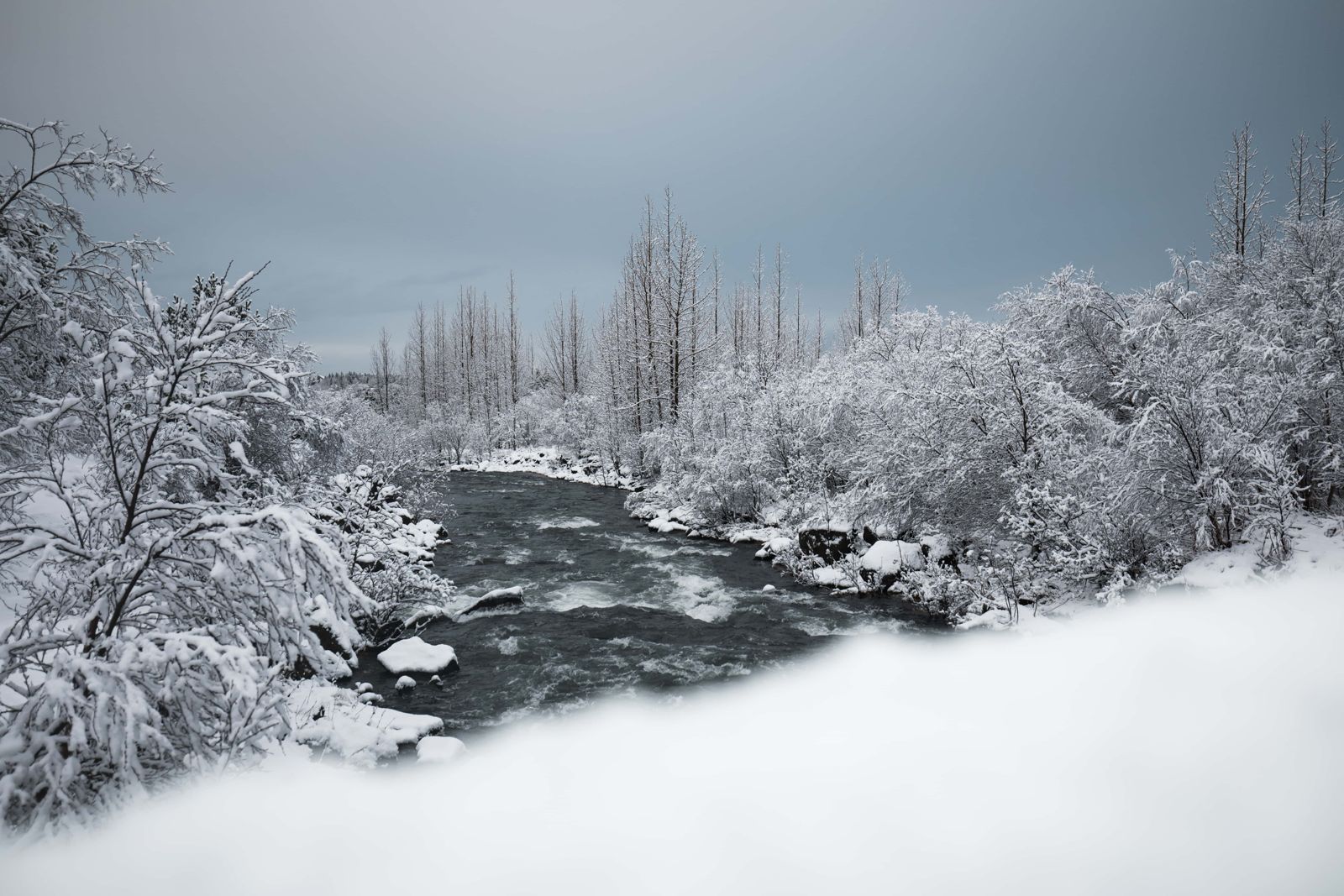
Elliðaárdalur follows the Elliðaá river as it runs from Lake Elliðavatn down through Reykjavík to the sea, cutting a green corridor between the Árbær and Breiðholt neighbourhoods. It feels far removed from the city despite being only a short drive from the centre, with grassy banks, birch woodland and open meadows along the water.
The Elliðaá is one of Iceland's most productive salmon rivers, and fishing here (with a licence) has a long history; an old fishing house and a former hydroelectric power station, one of the first in Iceland, still stand in the valley as reminders of that history. Today the valley is best known as a place for everyday recreation: walking, running, cycling and birdwatching along a well-used network of paths.
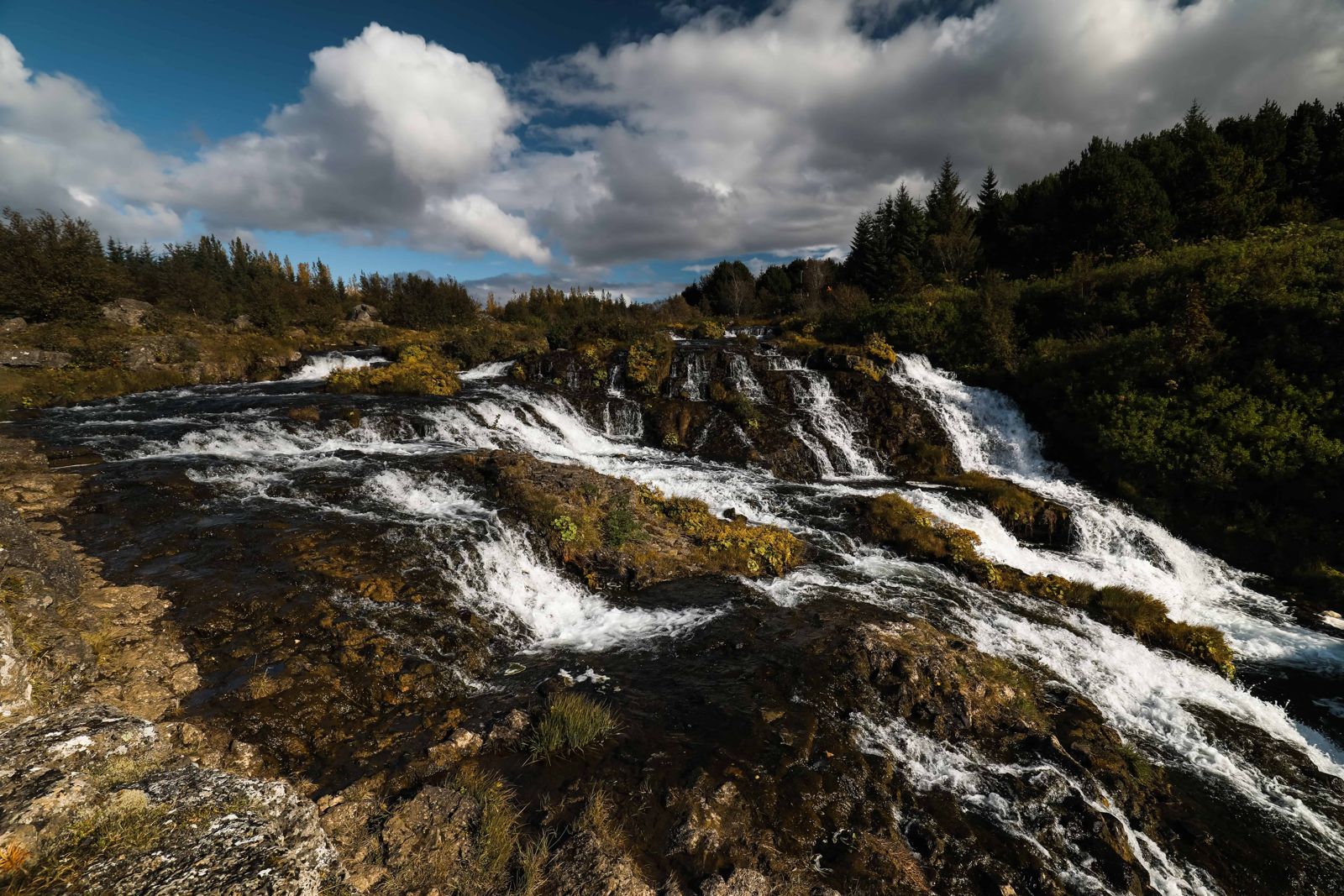
From the city centre it is only about a 15-minute drive, which makes the park an easy half-day for families or anyone who wants a quiet walk without leaving Reykjavík. Birch, rowan, willow and spruce grow along the river, wild rabbits graze beside the paths, and the Kermóafoss waterfall sits in the middle of the park. The valley is big, so take your time and do not try to rush through it.
Elliðaárdalur rewards a slower walk rather than a single stop.
It is unusual to find a salmon river inside a capital city, but the Elliðaá is exactly that. Around 2,500 salmon swim up the river each season, and it is known for its salmon, its run of grilse (young salmon back from their first winter at sea) and its brown trout.
You need a fishing licence for the river, so arrange this well before you come. If you do not fish, it is still worth sitting by the bank for a while to listen to the river and watch the anglers at work.
Fishing rules and season dates change; check them before you bring any gear.
About 25 species of bird nest in the valley, on the river, along the banks and in the woods.
Birds you can expect to see include the golden plover, greylag goose, mallard, common snipe, blackbird, common redpoll and Eurasian siskin, along with swans, other ducks, waders and gulls. Owls and falcons do turn up, but not often, so count yourself lucky if you spot one.
Spring and early summer are the busiest time for birdlife. Keep to the paths during the nesting season.
The valley is one of the most popular places in Reykjavík for runners and cyclists. A full circuit of the park and its surroundings is about 10 km. Some stretches are paved, while others are hard-packed gravel, and parts are narrow single track through the trees.
For a short visit, pick one section, such as the loop around the old power station and Kermóafoss, and walk it at an easy pace. For a longer outing, follow the river all the way up the valley and back on the other bank. Bring water and a snack, since there is nowhere to buy food inside the park.
The valley has paved paths, benches and a few car parks. Toilets and cafés are available in the surrounding neighbourhoods rather than in the valley itself.
Elliðaárdalur is within Reykjavík itself, so any city-centre accommodation puts you within a short drive or bus ride.
Yes, it's a public park and free to enter at any time.
Yes, with a licence; it's a well-known salmon river.
About 10 km of walking and cycling routes run through the valley.
Yes, the paved paths and open meadows make it an easy, low-key outing for all ages.
About a 15-minute drive. City buses also stop near the valley, and it is linked to the city's walking and cycling paths.
Wild rabbits, salmon in the river, and birds such as golden plover, greylag goose, mallard, common snipe, redpoll and blackbird. Owls and falcons are seen now and then.
Yes. Kermóafoss is a small waterfall in the middle of the park, and Selfoss and Stórifoss are further up the river below the Árbær dam.