The best place to see seals in Iceland is the Vatnsnes peninsula in the north-west, followed by Ytri Tunga on Snæfellsnes and the glacier lagoons of the south-east. Go between April and October, ideally within about two hours of low tide, and keep well back. Harbour seals are endangered in Iceland, so how you watch matters.
The seals you can see
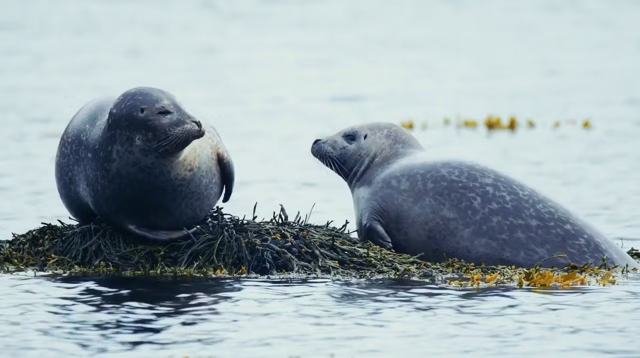
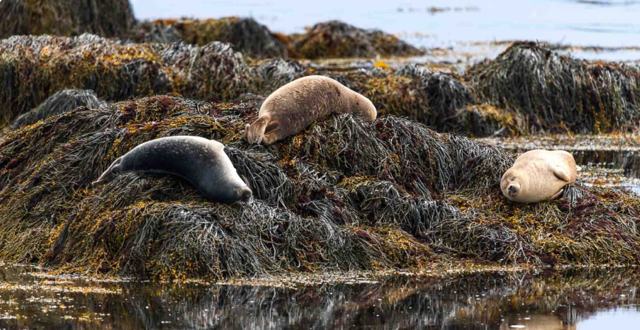
Two species breed in Icelandic waters. Harbour seals are the ones most visitors see. They are about 1.5 to 1.8 metres long, grey-brown with darker spots, and have a round head. They haul out on beaches and skerries at low tide.
Grey seals are bigger, with a long, straight snout. Males can weigh over 300 kilograms. They prefer remote rocky shores, so they are harder to find. Other species, including harp, hooded, bearded and ringed seals, turn up as visitors from Arctic waters, but you are unlikely to see them.
Why the harbour seal matters
The harbour seal population fell from roughly 33,000 in 1980 to about 10,000 in the latest national estimate (2020), a drop of around 70 per cent. It is listed as endangered on Iceland's Red List. Accidental deaths in fishing nets and past culling are the main causes, and recovery is slow because a female has only one pup a year.
A new national census is being carried out in 2026. A volunteer count along 100 kilometres of the north-west coast found 441 seals in 2026, against more than 1,000 on the same route in 2008 to 2010. That is why scientists ask visitors to keep their distance, especially from May to August, when pups are born and adults moult.
Best places to see seals in Iceland
These are the spots we would send our own guests to, in rough order of how reliable they are.
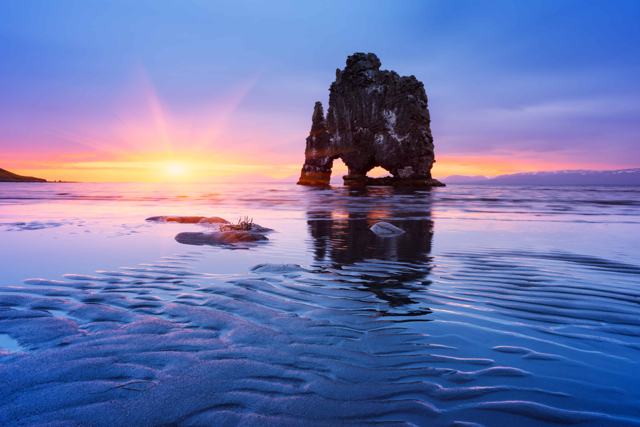
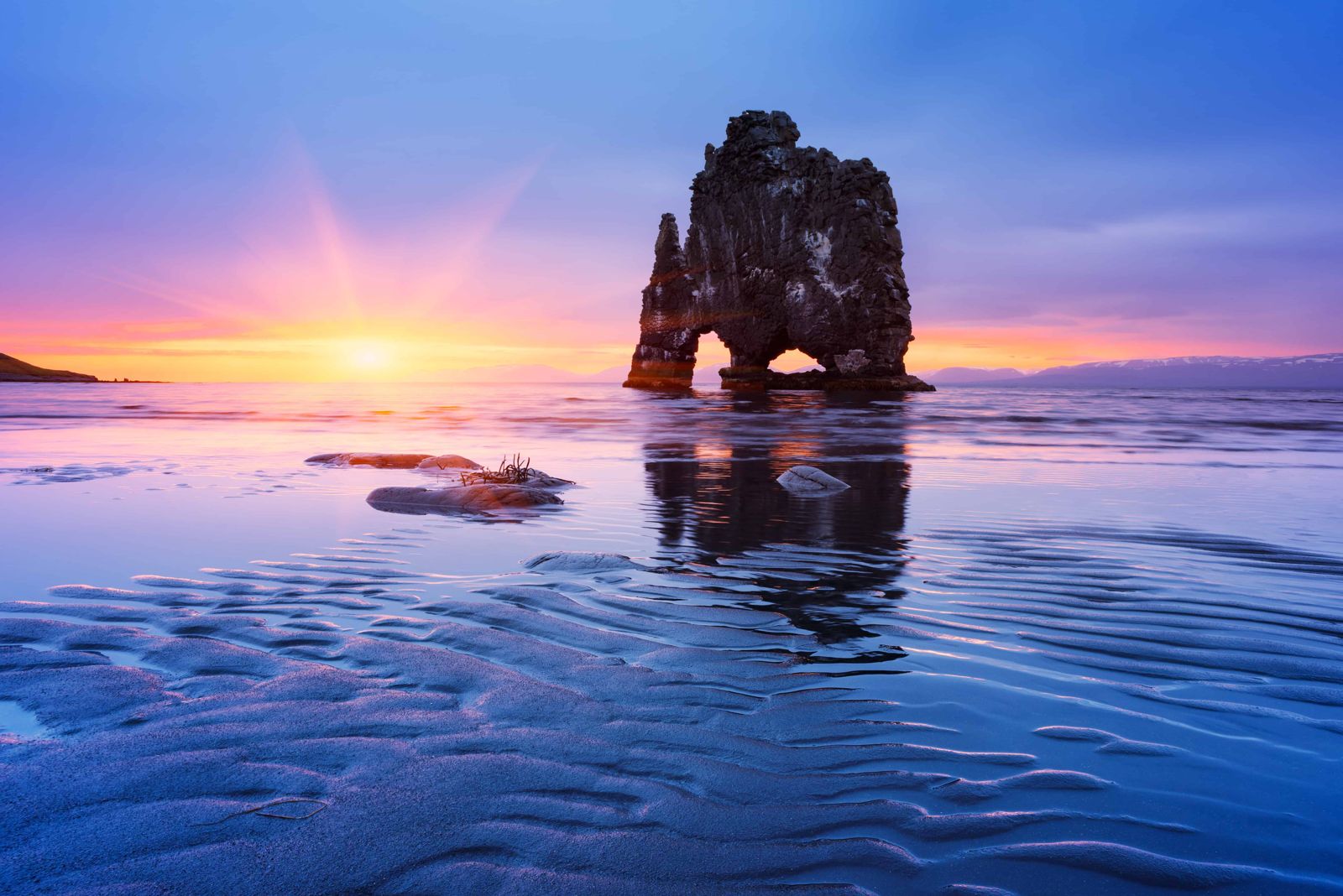
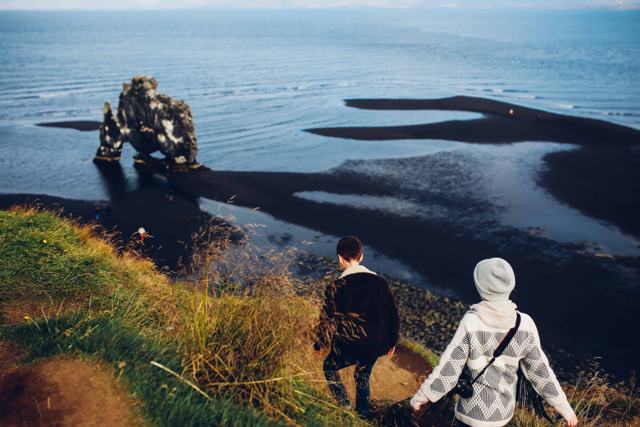
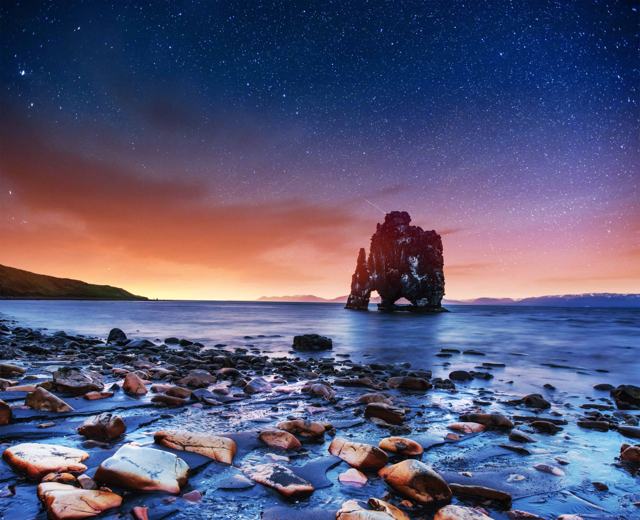
- Vatnsnes peninsula, North-West Iceland: the main seal-watching area, about 2.5 to 3 hours from Reykjavík and a short detour from the Ring Road. Illugastaðir, on the west side, has a path of roughly 800 metres to a viewing hide. Ósar, on the east side, is quieter. The sea stack Hvítserkur is on the same loop. Route 711 around the peninsula is partly gravel. Illugastaðir is closed at times during eider nesting, so check before you go.
- Ytri Tunga, Snæfellsnes: a golden-sand beach with a short path from the car park where harbour seals rest on the rocks. There are no facilities, so bring what you need. See our Ytri Tunga guide. Our Snæfellsnes Peninsula Small Group Tour and Snæfellsnes Private Tour from Reykjavík both stop at the seal colony here.
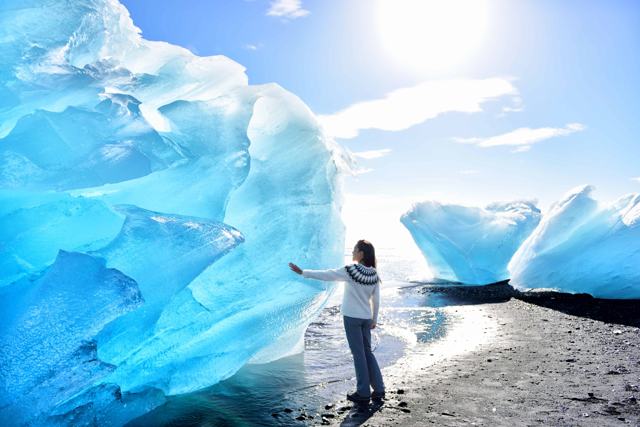
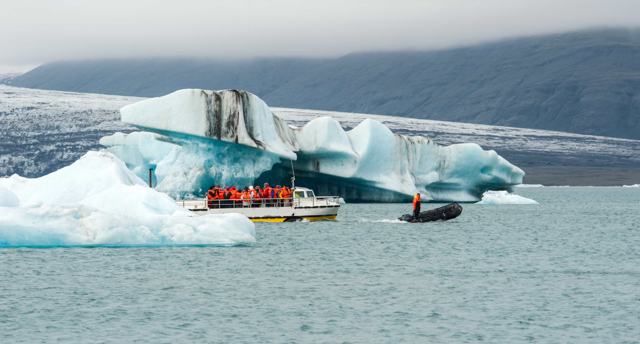
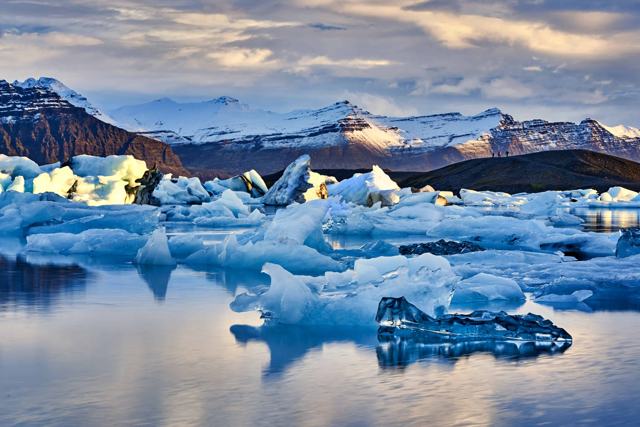
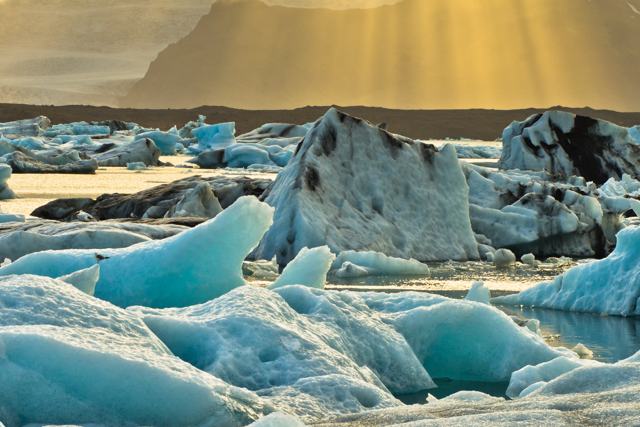
- Jökulsárlón and Diamond Beach, South-East: seals swim in the lagoon and rest on icebergs and on the shore. It is one of the easiest places to see one, since you are probably visiting anyway. Read about Jökulsárlón and the Diamond Beach. Boat trips on the lagoon get you closer to the ice without disturbing the animals. Our Jokulsarlon Glacier Lagoon Boat Tour from Reykjavik includes one, and the Private Jökulsárlón Glacier Lagoon Tour from Reykjavik takes you there with your own guide.
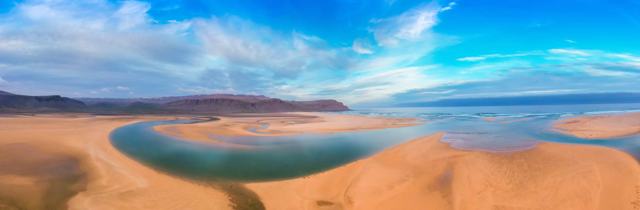
- Westfjords: Rauðisandur beach and the roadside stop at Hvítanes on the Skötufjörður fjord are both good. Rauðisandur is reached by a steep gravel road, so drive slowly. From Ísafjörður, our Seal Watching Tour Ísafjörður (May to September) visits the Hvítanes colony.
- Hvammstangi: the harbour town is the base for Vatnsnes. See our Hvammstangi guide and the seal centre below.
Best time to see seals
Season: April to October is the main window, though seals are here all year. June and July are the busiest, when harbour seal pups are born and learning to swim. Grey seals pup in autumn, from about September to November.
Time of day: seals haul out to rest on beaches and rocks as the tide drops, so plan to arrive about two hours before low tide and stay for around two hours after. Look up tide times on vedur.is or a tide app for the nearest port.
Weather: calm, clear days are best. Seals dive and vanish in rough seas and wind.
The Icelandic Seal Centre in Hvammstangi
The Icelandic Seal Centre (Selasetur Íslands) is on the harbour front at Strandgata 1 in Hvammstangi, about a five-minute drive from the Ring Road. It has exhibitions on seal biology, folklore and the life of the peninsula, and it runs research on Iceland's seals.
In summer (1 May to 30 September) it is open daily from 10:00 to 18:00. In winter (1 October to 30 April) it is open Monday to Friday, 11:00 to 15:00. Adult admission is 1,900 ISK, with children up to 15 free with an adult (prices as listed on the centre's website in 2026). Check the seasonal boat trips from Hvammstangi, which normally run from mid-May to the end of September.
Watch seals responsibly
Seals are shy. A disturbed mother may abandon her pup, and a seal driven into the water uses energy it needs. Follow these rules.
- Keep at least 50 metres away, and 100 metres in pupping and moulting season (May to August for harbour seals).
- Never come between a seal and the water, and never touch a pup that looks alone. Its mother is usually close by.
- Speak quietly, move slowly and approach from downwind. Use binoculars or a long lens rather than getting closer.
- No flash, no feeding and no drones. Drones are banned at Vatnsnes.
- Keep dogs at home or on a short lead well away from seals.
- Follow signs. Some beaches are closed for eider nesting or pupping.
Seals as part of a wider wildlife trip
Seals fit well alongside other wildlife. Puffins nest along the same coasts from mid-May to August (see our puffin guide), and the glacier lagoon is close to the south-east bird sites in our bird watching guide. To see the lagoons at their best, read the glacier lagoons in Iceland.
If you prefer a guide, a boat trip or a guided trip on the Snæfellsnes peninsula can put you in the right place at the right tide. We are a local travel agency, so ask us to add a seal stop to a Ring Road or Snæfellsnes itinerary. See our Snæfellsnes tours and glacier lagoon tours for guided days.
Tours to book
These guided trips go to seal spots from this guide.
- Snæfellsnes Private Tour: your own guide for the day, with a stop at the Ytri Tunga seal colony.
- Seal Watching Tour Ísafjörður: a short trip to the Hvítanes colony in the Westfjords, May to September.
- Private Jökulsárlón Glacier Lagoon Tour from Reykjavik: the glacier lagoon and Diamond Beach, where seals rest on the ice.
Questions people ask
Where is the best place to see seals in Iceland?
The Vatnsnes peninsula in the north-west, especially Illugastaðir and Ósar. Ytri Tunga on Snæfellsnes and Jökulsárlón in the south-east are also reliable.
When is the best time to see seals in Iceland?
April to October, with June and July the busiest when pups are born. Arrive about two hours before low tide, when seals come ashore to rest.
Can you see seals in Reykjavík?
Occasionally, on quiet stretches of coast around the capital, but sightings are unpredictable. For a reliable trip, head to Snæfellsnes, Vatnsnes or the south-east.
How close can I get to seals in Iceland?
Stay at least 50 metres away, and 100 metres during pupping and moulting from May to August. Do not touch, feed or approach them, and do not use a drone.
Is the Icelandic Seal Centre open in winter?
Yes, but with shorter hours: Monday to Friday, 11:00 to 15:00 from 1 October to 30 April. In summer it is open daily 10:00 to 18:00.