Iceland Travel GuideLOCAL TRAVEL AGENCY IN ICELAND
My trip
Talk to a local
Iceland Travel GuideLOCAL TRAVEL AGENCY IN ICELAND
My trip
Talk to a local
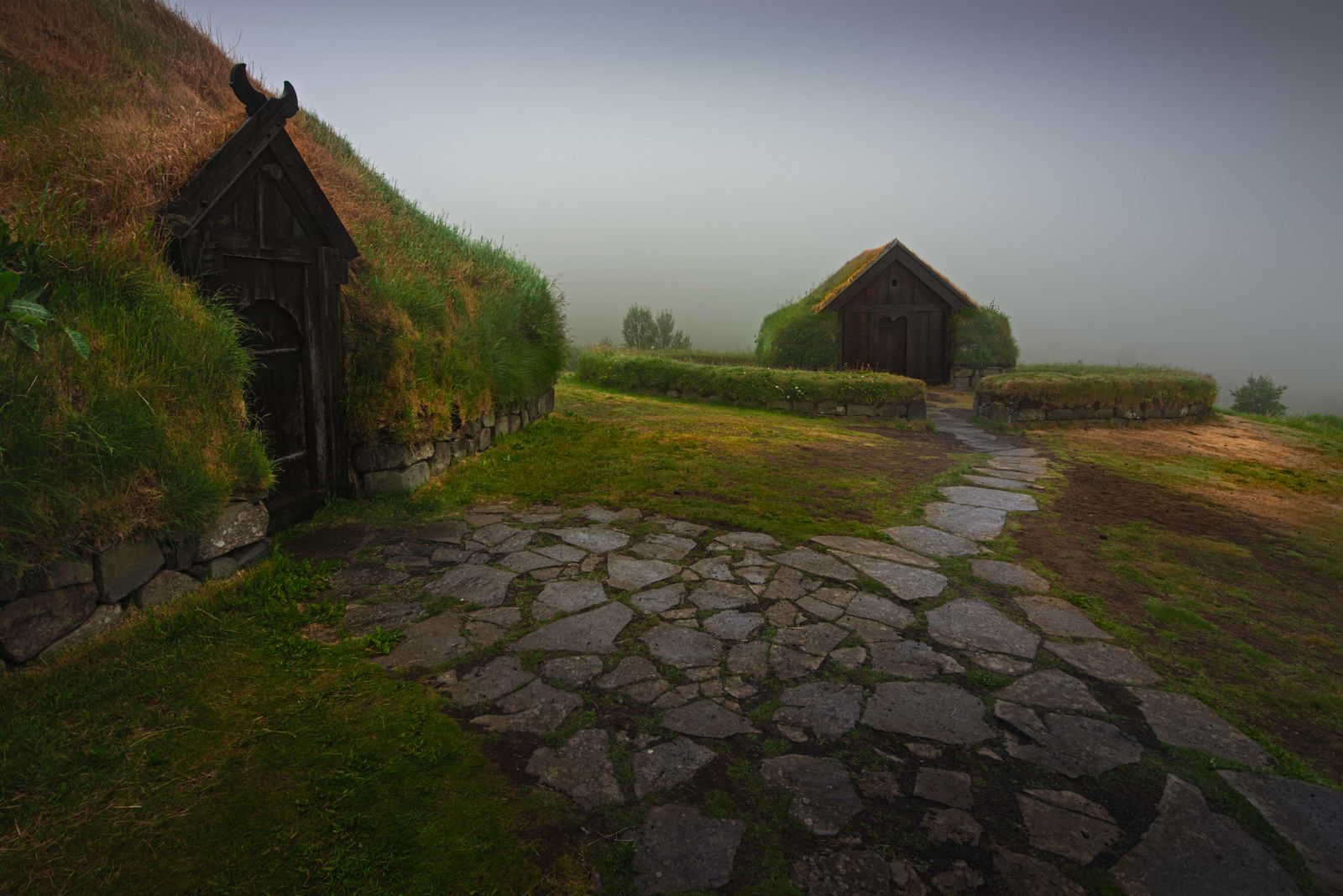
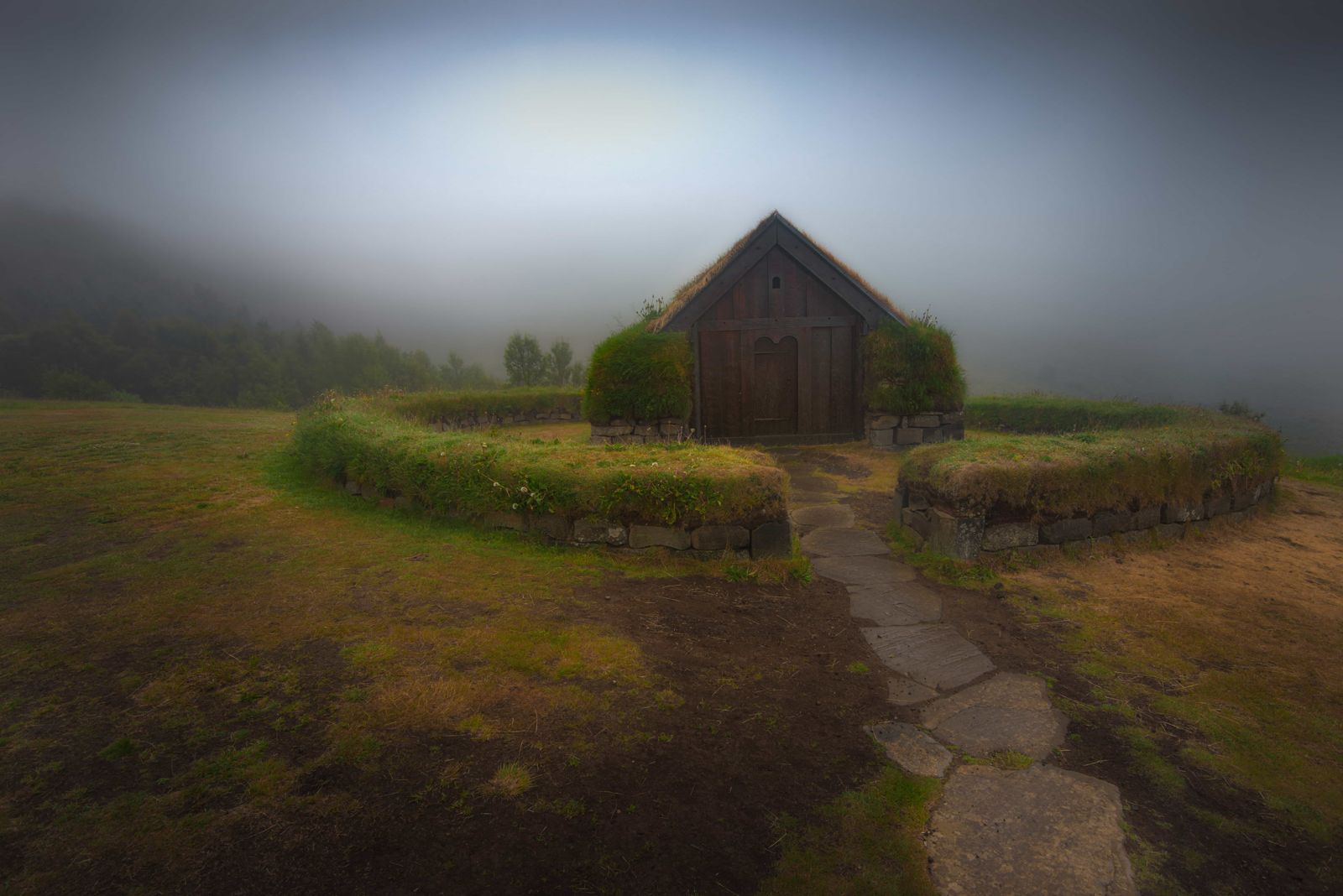
Þjóðveldisbærinn (the Commonwealth Farm) is a full-scale reconstruction of a Viking-Age Icelandic longhouse, built in the Þjórsárdalur valley in South Iceland near the real farm ruins at Stöng, which were buried by an eruption of Hekla in 1104. It is about 120 km from Reykjavík, charges an entry fee and is open daily from spring to autumn.
Stöng was a working farm in Þjórsárdalur until 1104, when an eruption of Hekla buried the valley in ash and abandoned it for good. The ruins, excavated in the 20th century, are one of the best-preserved examples of a Saga-Age farmstead in Iceland, sometimes described as Iceland's own Pompeii because of how completely the eruption sealed the site.
A short distance away, Þjóðveldisbærinn is a full working reconstruction of what a farmhouse like Stöng would have looked like, built using traditional turf-and-timber methods based on the excavation. Walking through it gives a much clearer sense of Viking-Age daily life than the bare stone ruins alone, from the layout of the rooms to the smoke-blackened rafters of the hall.
The farm stands below the mountain Sámsstaðamúli, just off Route 32 and next to the Búrfell power station. It was built to mark the 1,100th anniversary of the settlement of Iceland: work started in 1974 and the farm opened on 24 June 1977. The point was to show that the early Icelanders did not live in hovels but in large, carefully planned buildings. Beside it is a small turf-clad church, added in 2000.
In 1104, an eruption of Hekla sent ash over Þjórsárdalur thick enough to bury farms in the valley, including Stöng. Unlike sites destroyed by fire or later rebuilding, the ash sealed Stöng's walls and floor layout almost intact, which is what makes the site so valuable to archaeologists studying how people actually lived in Iceland's early centuries.
A team of Nordic archaeologists excavated Stöng in 1939, and the dig helped establish much of what is known about Saga-Age farm buildings. Þjóðveldisbærinn was built nearby using that evidence, as a way of showing visitors, rather than just telling them, what the vanished farm would have looked and felt like. The project was supported by the Prime Minister's Office, the national power company and the local municipality.
Route 32 is open all year, but the farm itself is closed in winter and the gravel roads to Stöng and Háifoss can be snowed in or muddy well into spring.
The longhouse follows the floor plan found at Stöng. There is no fixed guided tour; you walk through at your own pace, and staff are there to answer questions.
Doorways and ceilings are low, and it is dark inside until your eyes adjust.
Þjórsárdalur has enough for a full day. These are the stops that fit best with the farm.
Parking and basic facilities, including toilets, at the site when open; no shop or café. The nearest services are at Árnes on Route 32, and around Flúðir and Selfoss.
Most visitors see Þjóðveldisbærinn as a day trip from Selfoss, Flúðir or the Golden Circle area rather than staying in Þjórsárdalur itself.
It was buried by an eruption of Hekla in 1104 and abandoned; the ruins were excavated in the 20th century.
No. It is open daily from about 1 May to 15 October, 10:00–17:30, and closed in winter; check current dates before visiting.
Yes, about 2,500 ISK for adults and 500 ISK for children aged 6 to 12; younger children are free. The Stöng ruins are free.
Stöng is the original excavated site; Þjóðveldisbærinn is a nearby full-scale reconstruction built to show what such a farm looked like.
About 120 km, around 1 hour 40 minutes by car via Routes 1, 30 and 32.
Not for the reconstructed farm, which is on a paved road. For the Stöng ruins and Háifoss the roads are rough gravel, and a 4x4 or high-clearance car is recommended.
Yes, there are period clothes and replica weapons to try on for photos inside the hall.