Iceland Travel GuideLOCAL TRAVEL AGENCY IN ICELAND
My trip
Talk to a local
Iceland Travel GuideLOCAL TRAVEL AGENCY IN ICELAND
My trip
Talk to a local
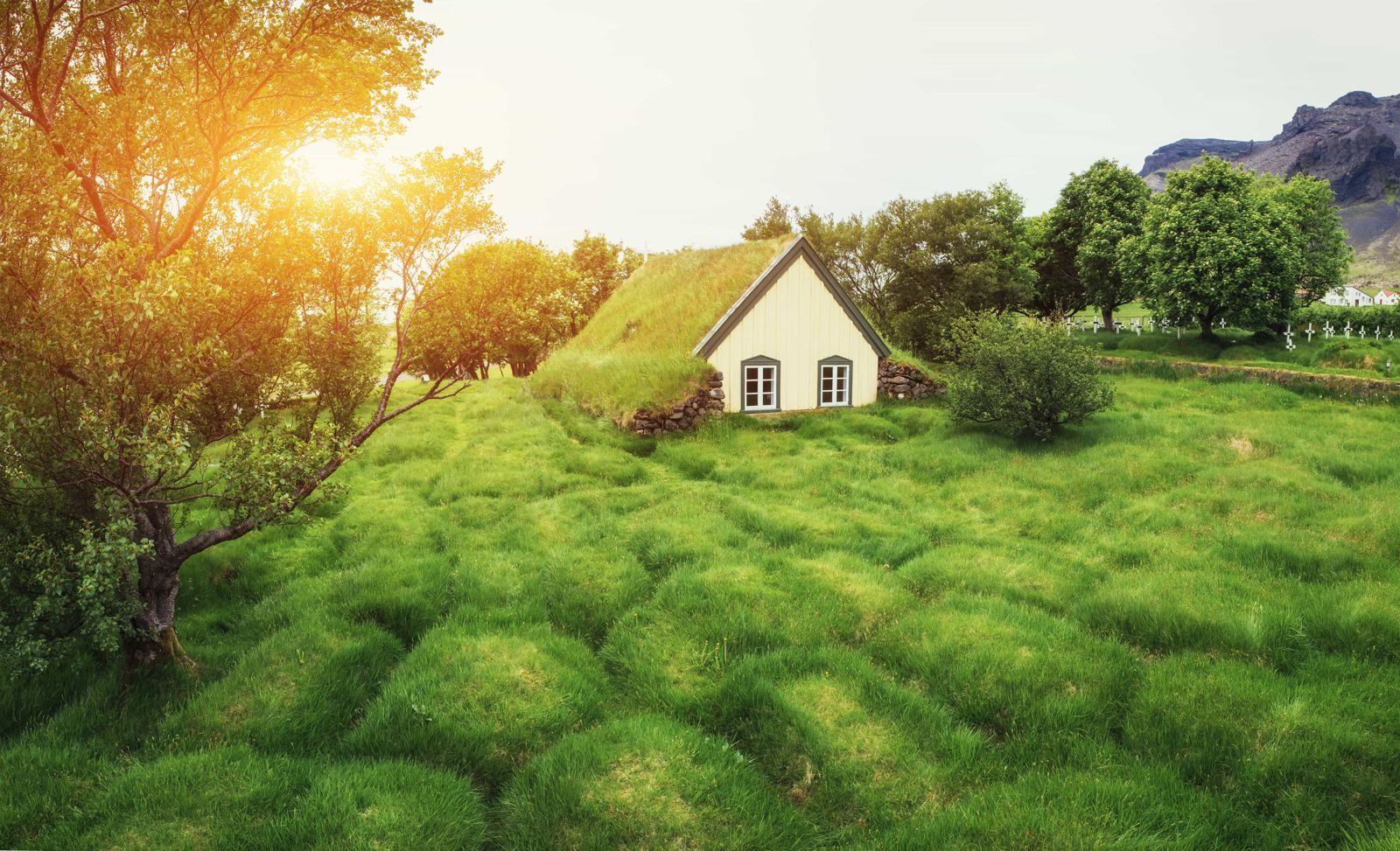
Hofskirkja is a small turf church at Hof in the Öræfi district of Southeast Iceland, built in 1883–84 and often called the last turf church built in the country. It stands just off the Ring Road, about 20–25 km from Skaftafell and around 340 km from Reykjavík. You can walk around the church and its graveyard for free. The interior is normally closed. Most visitors stop for 15–30 minutes.
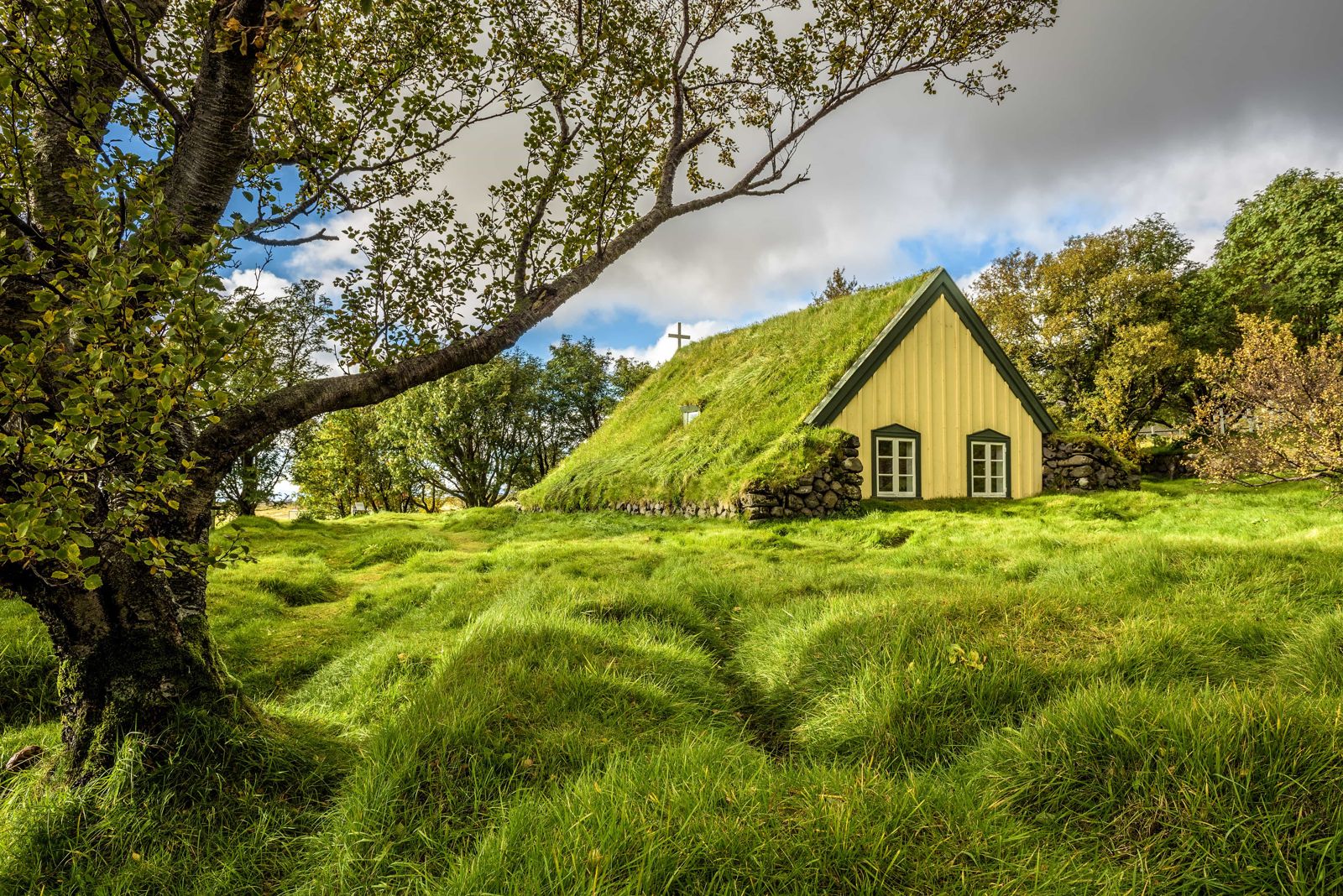
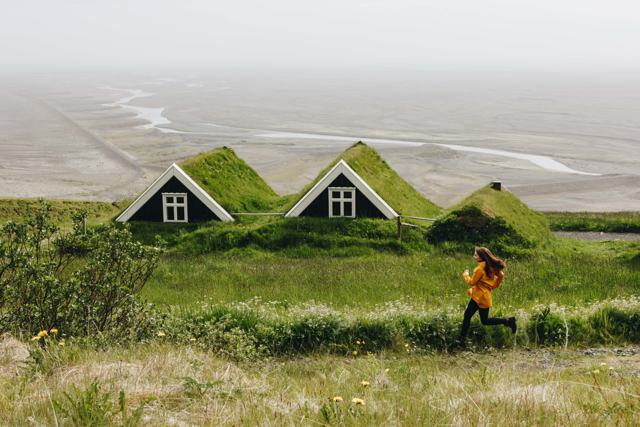
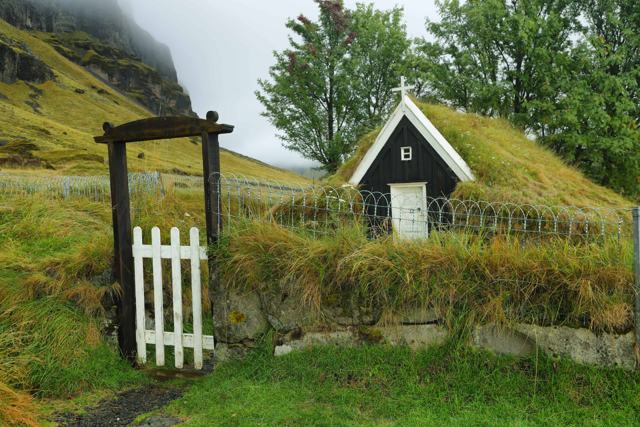
From the outside, Hofskirkja looks like a low green mound with a dark timber gable at each end. The side walls are thick stone, and the roof is turf laid over stone slabs, which is how Icelanders built churches and farmhouses for centuries. The church is set partly into the ground, so from behind it looks as if it is sinking into the lumpy grass. Beyond it the ice of Vatnajökull rises in the distance.
Turf was the main building material in Iceland because there was almost no timber. Earth and grass kept in the heat and kept out the wind. Hofskirkja is the youngest of the few turf churches that still stand, and the National Museum of Iceland looks after it as part of its historic building collection. It is not only a museum piece: it is still the parish church of Öræfi.
The church stands in a small graveyard where the graves are low grassy mounds. It is a quiet stop with a lot of atmosphere, especially when clouds hang low over the glacier.
The first written record of a church at Hof dates from 1343, and there has been a church here for around seven hundred years. Öræfi is a narrow strip of land between the sea and Vatnajökull, and for centuries it was one of the most isolated districts in Iceland. The glacier rivers on Skeiðarársandur made travel difficult, so people here were largely cut off until the Ring Road was completed in 1974.
The church you see today was built in 1883–84. By the middle of the 20th century it was in poor shape. The National Museum took it over in return for paying for the repairs and rebuilt it in 1953–54, and it has served as the parish church of Öræfi ever since. It is one of only six turf churches in Iceland that are protected as historic buildings.
In Catholic times the church at Hof was dedicated to St Clement. The turf church belongs to the end of a long tradition: after it, Icelanders built their churches in timber and later in concrete.
The Ring Road along Öræfi is paved and open all year, but winter storms can bring high winds and ice. Check umferdin.is and vedur.is before you drive.
Hofskirkja is small, but there is a lot to look at if you know what you are seeing.
Turf buildings are fragile, which is one reason most of them are closed to visitors. Please do not lean on, climb or walk on the walls and roof.
There are no facilities at the church itself. There is a small parking area. Nearest services, including fuel, food and toilets, are around Skaftafell and Freysnes.
The nearest places to stay are around Skaftafell, Freysnes and Hof, with more options at Höfn and Kirkjubæjarklaustur. Book ahead in summer, because this stretch of the Ring Road fills up.
The church is not open for sightseeing. The National Museum lists access as 'anytime, but only from outside', so you can walk around the church and visit the graveyard.
The current church was built in 1883–84. A church has been recorded at Hof since 1343.
It is the youngest of the turf churches that survive and is often called the last one built in the traditional style. Only a handful of turf churches remain.
Roughly 20–25 km along the Ring Road, around 20 minutes by car.
No. You can see the church and graveyard for free.
Yes. It belongs to the National Museum's historic buildings collection, but it is still the parish church of Öræfi.
Drive east on the Ring Road through Selfoss, Hella, Hvolsvöllur, Vík and Kirkjubæjarklaustur. Hof is about 340 km from Reykjavík, a little over 4 hours, around 20 km past Skaftafell.
The carpenter Páll Pálsson built it in 1883–84. The National Museum rebuilt it in 1953–54.
Tours and trips that include Hofskirkja, booked directly with a local travel agency in Iceland.