Iceland Travel GuideLOCAL TRAVEL AGENCY IN ICELAND
My trip
Talk to a local
Iceland Travel GuideLOCAL TRAVEL AGENCY IN ICELAND
My trip
Talk to a local
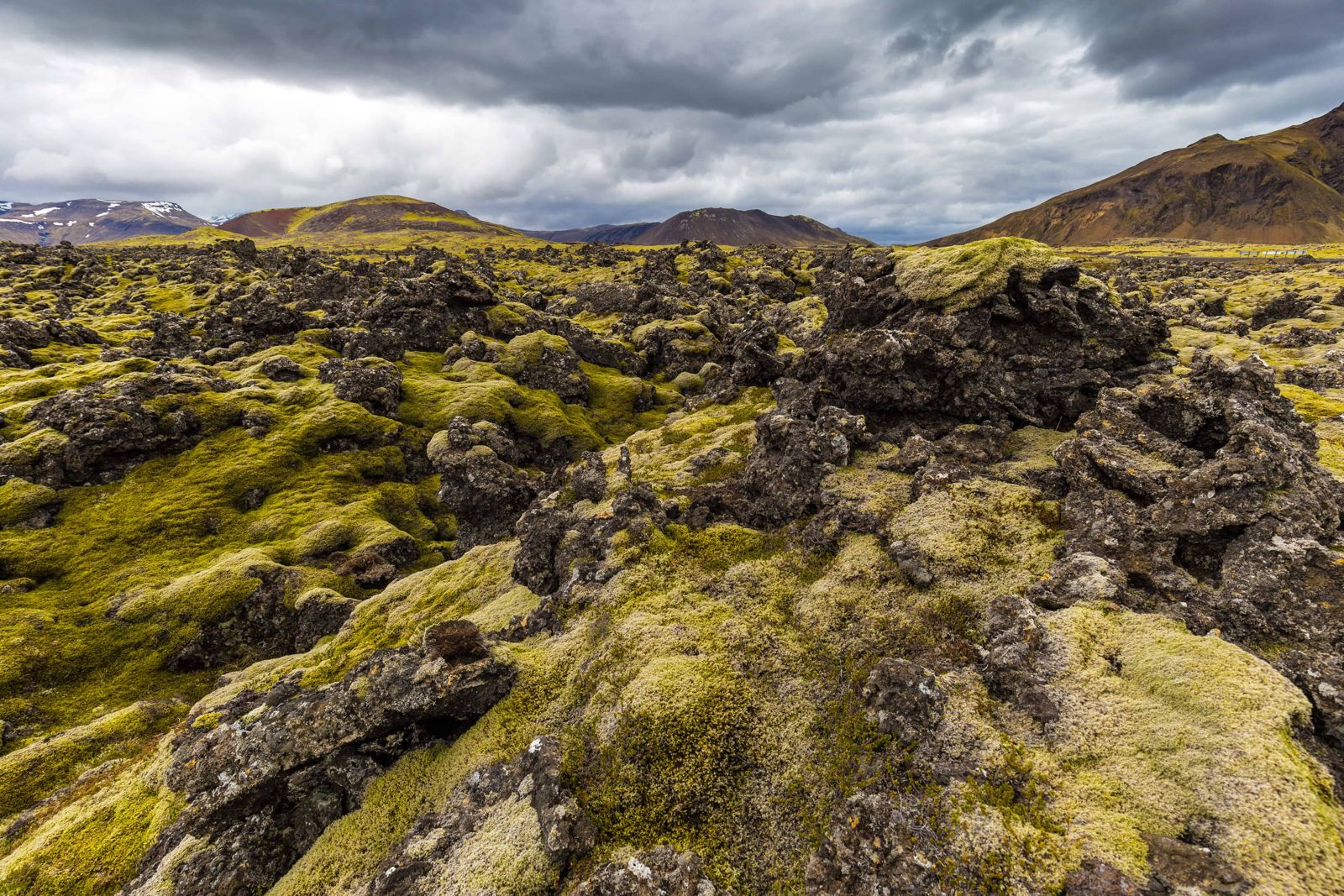
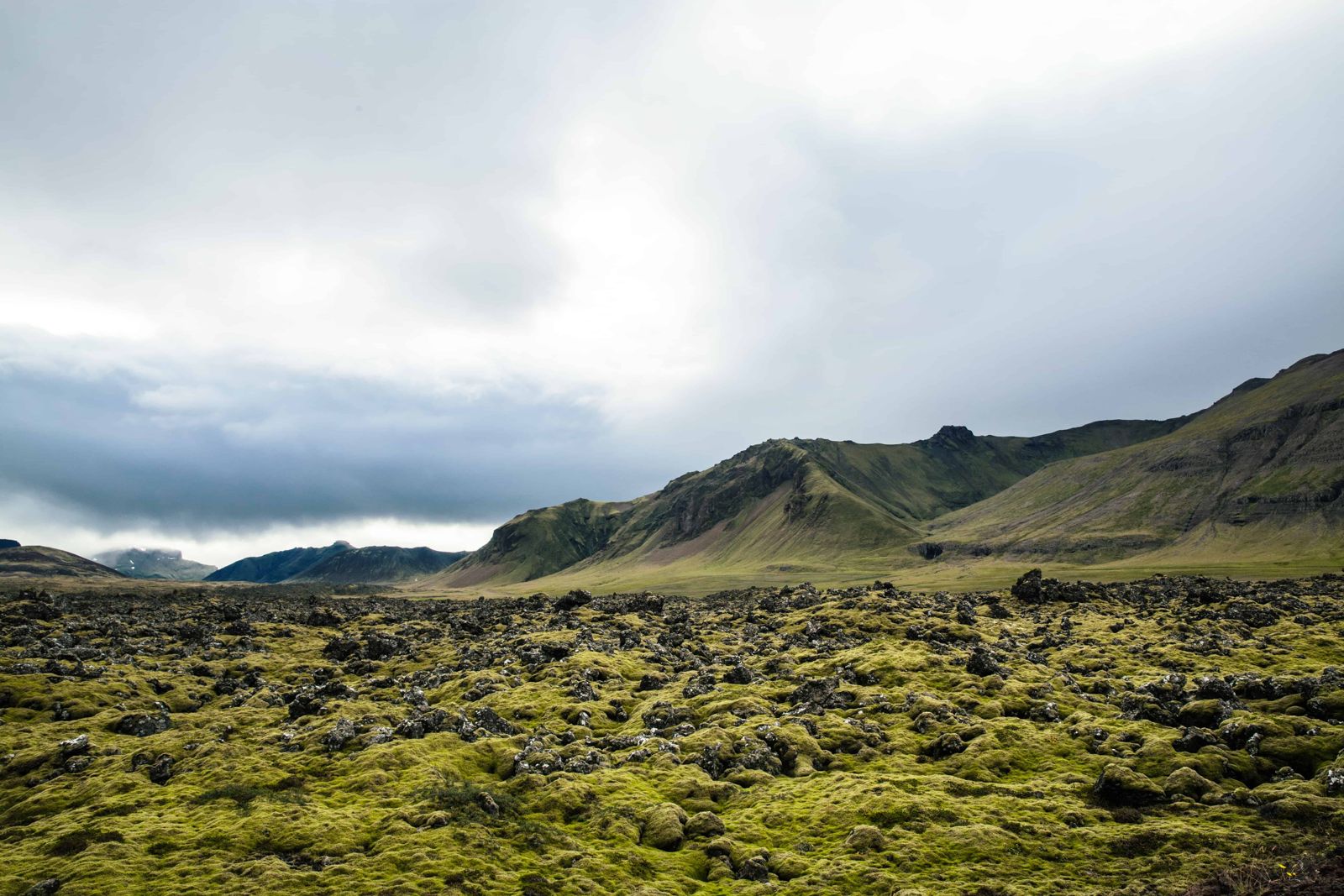
Berserkjahraun is a roughly 4,000-year-old lava field on the north side of the Snæfellsnes peninsula, covered in thick, soft moss and named after a saga story about two berserker warriors. It is free to visit, open all year, and most people stop for 15-30 minutes along the road or on the short Berserkjagata trail.
Berserkjahraun spreads across the base of Mt. Helgafell on Snæfellsnes, its jagged rock almost completely hidden under a deep, soft covering of grey-green moss. It is one of many lava fields in Iceland, but its name and the saga attached to it make it more than just scenery on the drive between Stykkishólmur and Grundarfjörður.
A path called Berserkjagata cuts through part of the field, said to be one of the oldest constructed roads in Iceland and the one the saga's berserkers supposedly built with their bare hands. Walking even a short stretch of it gives a good sense of how rough the lava underneath the moss really is.
The lava came from a row of four scoria craters and flowed about 3,600–4,000 years ago. Today it is a rough spread of moss-covered rock and spikes of hardened lava, with two lakes on its southern side. The contrast between the dark ground, the green moss and a big sky is what brings photographers here.
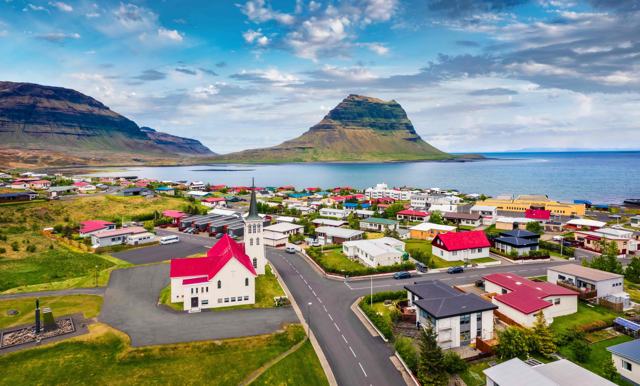
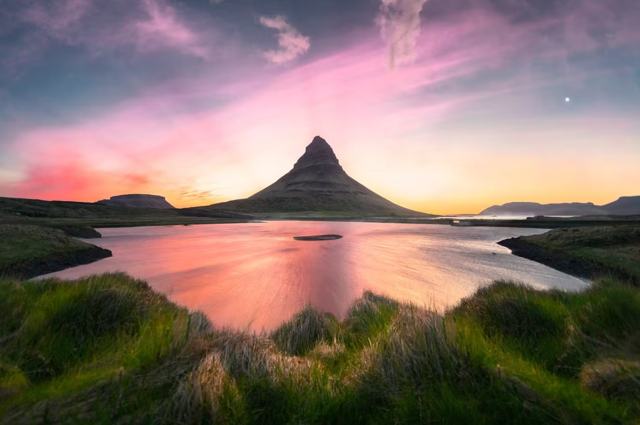
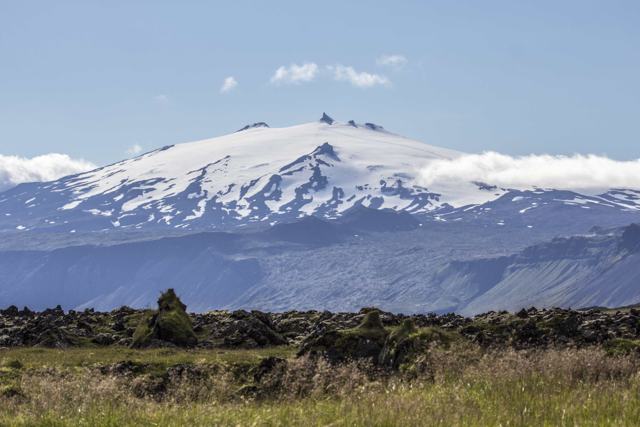
Berserkjahraun is one stop of many on Snæfellsnes, a peninsula about 90 km long that is often called "Iceland in miniature" for its mix of lava fields, caves, waterfalls, beaches and a glacier-topped volcano. The coast here is also good for birdwatching, so bring binoculars; white-tailed eagles are sometimes seen in the area.
According to Eyrbyggja Saga, the chieftain Vermundur brought two Swedish berserkers, Halli and Leiknir, back from Norway to Iceland with him. When Halli fell for the daughter of another chieftain, Styrr, Styrr set the berserkers an impossible task: clear a path through the lava field in exchange for the marriage. When they succeeded, Styrr had them worked to exhaustion in a hot bathhouse and killed as they tried to escape, then buried them in the very path they had built.
That path, Berserkjagata, is still there today, and local tradition holds it up as one of Iceland's oldest known constructed roads. Whether or not every detail of the saga is history, the story is well known on Snæfellsnes and gives the lava field its name.
The cairn said to cover the two berserkers can still be seen beside the old bridle path they cleared.
There are few people around out here to ask for directions or help, especially in winter. If you are not used to driving in snow and ice, or have not had much time to plan, a guided tour of Snæfellsnes is the easier choice.
There are no facilities directly at the lava field. Services are available in Stykkishólmur and Grundarfjörður.
Most visitors stay in Stykkishólmur or Grundarfjörður while exploring Snæfellsnes, both a short drive from Berserkjahraun and both with guesthouses and hotels. There are also guesthouses, hotels and campsites spread around the rest of the peninsula if you are making a longer trip from Reykjavík.
It means "lava field of the berserkers", named after the saga story of two Swedish berserkers said to have cleared a path through it.
Yes, there is no entrance fee.
You can walk part of the Berserkjagata trail near Bjarnarhöfn; stick to paths to protect the moss.
It is thought to be around 4,000 years old, formed by lava from a row of four craters.
Take Route 1 north to Borgarnes, then Route 54 onto Snæfellsnes. The lava field is beside Route 54 between Stykkishólmur and Grundarfjörður, a little over two hours from the city.
It is worth seeing in every season. Summer is easiest, with green moss and dry ground. Winter is quieter and can be very photogenic, but you need to watch the weather and road conditions.
Tours and trips that include Berserkjahraun, booked directly with a local travel agency in Iceland.